
Side Dishes
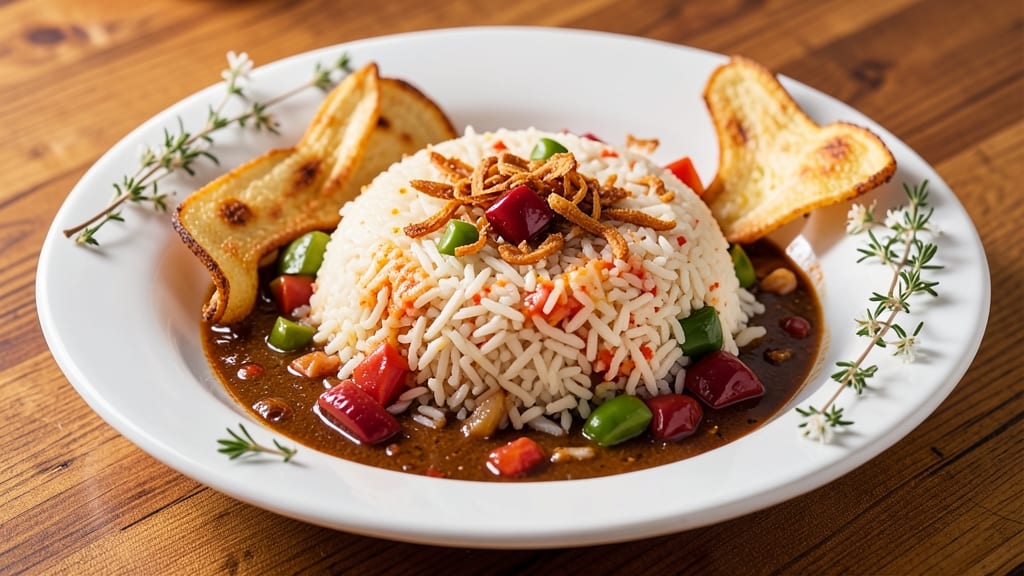
This Nigerian rice recipe delivers the bold, fragrant flavors that make Jollof rice a West African staple—where tender rice absorbs a rich tomato-pepper sauce infused with onions, garlic, and thyme.
The secret lies in balancing the sauce's acidity with spices while achieving perfectly moist grains, whether you're making the classic Jollof or a lighter fried rice variation. I've perfected this method over years of testing, ensuring every bite carries that signature depth without burning the sauce.
The foundation starts with a well-developed base: blending tomato paste, bell peppers, and onions until smooth before adding spices like curry powder, ginger, and nutmeg. For protein, grilled chicken or fried fish pairs beautifully, while a side of coleslaw or fried plantains completes the meal.
The rice itself requires careful attention—whether parboiled for Jollof's signature texture or fried for a crispier finish, the cooking method determines the final result.
What you'll achieve is restaurant-quality Nigerian rice with vibrant color, complex flavors, and grains that stay tender yet distinct.
The aroma alone will transport you to a bustling West African market, while the balance of sweet, spicy, and savory notes makes this dish equally perfect for family gatherings or weeknight dinners. Let's bring this cultural classic to your table with precise techniques and authentic ingredients.
This recipe scales effortlessly for crowds, and leftovers reheat beautifully while maintaining their moisture. Whether you're serving it alongside stewed beef, fried fish, or as a standalone dish, the key is patience—allowing the sauce to develop its full depth before combining it with the rice.
The result is a dish that honors tradition while fitting seamlessly into modern meals.
Ingredients for nigerian rice
Bold spices meet tender rice for this aromatic Nigerian rice recipe.
| Ingredient | Amount | Notes |
|---|---|---|
| Long-Grain White Rice 🍚 | 3 cups | Uncooked, parboiled preferred |
| Tomato Paste 🍅 | ½ cup | Unsweetened, high-quality |
| Yellow Bell Pepper 🌶️ | 1 whole | Diced, for sauce base |
| Yellow Onion 🧅 | 1 whole | Finely chopped, aromatic |
| Garlic Cloves 🧄 | 6 cloves | Minced, for depth |
| Fresh Thyme 🌿 | 1 tbsp | Leaves only, dried works too |
| Curry Powder 🌶️ | 2 tbsp | Mild to medium heat |
| Ground Ginger 🌿 | 1 tbsp | Freshly ground preferred |
| Ground Nutmeg 🌿 | ½ tsp | Freshly grated for aroma |
| Salt 🧂 | 1 ½ tsp | Kosher or sea salt |
| Black Pepper 🌶️ | 1 tsp | Freshly ground, for heat |
| Vegetable Oil 🫒 | ½ cup | High smoke point |
| Chicken Breast 🍗 | 1 ½ lb | Boneless, skinless, cubed |
| Fresh Cilantro 🌿 | ¼ cup | Chopped, for garnish |
| Lemon Wedges 🍋 | 2 whole | For serving, brightens flavors |
The tomato paste is your flavor foundation—look for unsweetened varieties at African grocery stores or the international aisle. I always grab Dassani or African Pride brands when I can find them, but even the generic stuff works if it's fresh. The bell pepper and onion get blended first to create that signature smooth base. Don't skip the thyme—it's what makes Jollof taste authentic. Fresh thyme works best, but dried is fine if you're in a pinch—just halve the amount. For the rice, parboiled varieties like Uncle Ben's stay fluffier than regular white rice.
No fresh thyme? Dried oregano at half the amount gets you close, though it won't be exactly the same. Short on curry powder? Mix turmeric and cumin in a 1:1 ratio—it won't be identical, but it'll add warmth. The chicken can be swapped for fried fish or even tofu if you're vegetarian. Want extra richness? Add 2 tbsp of peanut butter to the sauce—trust me, it works. The bell pepper can be red or green, but yellow gives that classic Jollof color. No yellow? Add a pinch of turmeric for vibrancy.
This sauce reheats beautifully—store in airtight containers for up to 5 days. The rice itself keeps for 3 days in the fridge, but honestly, it tastes better the next day. Freeze portions for up to 3 months if you're making a big batch. I always cook extra because leftovers make amazing fried rice the next day. The cilantro wilts fast, so add it right before serving. Keep the lemon wedges separate until then—they'll turn the rice green if mixed in too early.
Why You'll Love This Recipe
- One-Pot Magic: I love that this recipe turns one pot into a flavor explosion—no extra dishes, just golden chicken and fragrant rice. The tomato paste and garlic create that deep, savory base while the curry powder and ginger make everything sing without needing a dozen pans.
- Lemon-Bright Satisfaction: That squeeze of lemon at the end? Game-changer. The acidity cuts through the richness of the curry and chicken, leaving you with a dish that’s complex but still fresh. It’s the kind of finish that makes you go back for seconds.
- Weeknight Win: Between chopping the onion and onion while the chicken cooks, this comes together in under an hour—no fancy techniques, just smart layering. I double the recipe on Sundays and freeze the sauce for quick weeknight meals. My kids even ask for seconds.
- Budget-Friendly Feast: Three cups of rice, a whole chicken, and pantry staples like curry powder and tomato paste? This feeds a crowd without breaking the bank. The leftovers? Even better the next day, especially when you reheat that luscious tomato sauce.
Step-by-step instructions for Nigerian rice perfection
This method delivers restaurant-quality flavor with perfectly moist grains every time.
Prepare the Chicken and Aromatics
Cut the 1½ lb chicken breast into 1-inch cubes—smaller pieces cook faster and absorb flavor better. Heat ½ cup vegetable oil in a large pot over medium-high heat until shimmering. Add the chicken and cook for 8-10 minutes, stirring occasionally, until the edges turn light golden brown and the meat is no longer pink in the center.
While the chicken cooks, finely chop the 1 yellow onion and dice the 1 yellow bell pepper into small, even pieces. Mince the 6 garlic cloves and strip the leaves from the 1 tbsp fresh thyme. Set these aside—they'll form the flavor base for the rice.
Once the chicken is cooked, remove it from the pot and set it aside on a plate. You'll add it back later, but first, we need to build that rich, aromatic sauce.
Build the Spiced Tomato Base
In the same pot (with all that delicious chicken fat still clinging to the bottom), reduce the heat to medium. Add the chopped yellow onion, yellow bell pepper, and 6 minced garlic cloves. Cook for 5-6 minutes, stirring occasionally, until the vegetables soften and the onion turns translucent.
Now it's time for the spices. Stir in the 2 tbsp curry powder, 1 tbsp ground ginger, ½ tsp ground nutmeg, 1½ tsp salt, and 1 tsp black pepper. Let the spices toast in the oil for 1 minute—this wakes up their flavors and prevents a raw, bitter taste. You'll smell that warm, earthy aroma filling your kitchen.
Add the ½ cup tomato paste and stir vigorously to break it up completely. Cook for another 3-4 minutes, stirring constantly, until the paste darkens slightly and the mixture thickens into a rich, glossy paste. This is the foundation of your rice—don't rush this step.
Cook the Rice to Moist Perfection
Rinse the 3 cups long-grain white rice under cold water until the water runs clear. This removes excess starch and prevents gummy rice. Add the rice to the pot with the tomato mixture and stir gently to coat each grain. Pour in 4 cups water (yes, it seems like a lot, but trust me—this ensures perfectly moist rice) and bring to a boil.
Once boiling, immediately reduce heat to low, cover the pot tightly with a lid, and let it simmer for 20 minutes. Don't peek! Every time you lift the lid, you release steam and risk uneven cooking. After 20 minutes, check the rice—it should be tender but still have a slight bite. If it's not quite done, cover and cook for another 5 minutes.
Here's the secret: after the initial 20 minutes, uncover the pot and let it sit off the heat for 5 minutes. This resting period allows the rice to finish steaming in its own moisture, resulting in grains that are tender on the inside and slightly crisp on the outside.
Combine and Finish
Gently fold the cooked chicken back into the rice using a wooden spoon. The residual heat will warm the chicken through while absorbing all that delicious sauce. Stir in the 1 tbsp fresh thyme and ¼ cup chopped fresh cilantro—this adds freshness that balances the rich, spiced flavors.
Taste and adjust seasoning if needed. You might want to add a pinch more salt or a crack of black pepper to suit your preference. The rice should be fragrant with a perfect balance of smoky, spicy, and slightly sweet notes.
Serve immediately with the 2 lemon wedges on the side. Squeeze a little lemon over each serving to cut through the richness and brighten the flavors. The lemon also adds a refreshing contrast that makes every bite taste even more vibrant.
Pro Tips For Making Nigerian Rice
- Toast Your Spices: That 1-minute spice toast isn’t just for show—it’s where the magic happens. After adding the 2 tbsp curry powder, 1 tbsp ground ginger, and ½ tsp nutmeg, let them sizzle until the kitchen smells like a Nigerian market. Skipping this step leaves your rice tasting flat and one-dimensional.
- Rinse Rice Like a Pro: I used to rush the rice rinsing, but cold water until it runs completely clear makes all the difference. The 3 cups long-grain white rice needs this starch wash to avoid gummy, clumpy grains—especially important since this recipe uses extra water for moisture.
- Don’t Peek While Simmering: You’ll be tempted, but every time you lift that lid during the 20-minute simmer, you’re letting steam escape and throwing off the rice’s texture. Trust the process—set a timer and walk away. The rice will thank you with perfect, fluffy grains.
- Rest the Rice Off Heat: After simmering, uncover the pot and let it sit 5 minutes off the heat. This resting time lets the rice finish steaming in its own juices, giving you that ideal tender-yet-slightly-firm bite. Skipping it leaves your rice mushy, and nobody wants that.
Common mistakes when making perfect results
Skipping the Chicken Fat
One of the biggest mistakes I see is discarding the chicken fat after cooking the meat. That golden brown fat is pure flavor gold—it adds richness to your sauce and helps create that signature depth in Jollof rice.
Instead of pouring it out, let it stay in the pot to build your aromatic base. Trust me, that fat makes all the difference. 🔥
Undercooking the Sauce
Rushing the sauce development is a common pitfall. If you don’t let the tomato paste and spices cook for at least 3-4 minutes, the flavors won’t fully meld, and your rice will taste flat.
Stir constantly and let it thicken into a glossy paste before adding the rice. Patience here ensures that vibrant, complex flavor profile you crave.
Overcrowding the Pot
Trying to cook the rice in the same pot where the chicken was fried can lead to uneven cooking and soggy results. The chicken’s residual moisture and fat can make the rice sticky or gummy.
Instead, transfer the rice to a clean pot after building the sauce. This gives you better control over the cooking process and prevents texture issues.
Peeking at the Rice
Lifting the lid during the 20-minute simmer releases steam and disrupts the cooking process, leading to unevenly cooked rice. Once you’ve set the pot to simmer, resist the urge to check on it.
Cover it tightly and let it do its thing. The resting period afterward is where the magic happens—just wait it out.
Neglecting the Resting Time
Skipping the 5-minute off-heat resting period after cooking the rice is a mistake that ruins texture. This final resting allows the steam to redistribute, giving you perfectly tender grains with a slight crispness. If you skip it, your rice will be mushy and unappetizing. Trust the process—it’s worth the wait.
Nutrition facts
Frequently asked questions
Why does this Nigerian rice recipe use so much water?
The 4 cups water to 3 cups rice ratio ensures perfectly moist grains without stickiness. Nigerian rice traditions prioritize tender, fluffy texture, so extra liquid prevents dryness while the steam finishes cooking during the resting phase. Trust the ratio—it’s what gives that signature restaurant-quality result!
Can I substitute chicken with another protein?
Swap the 1½ lb chicken breast for fried fish, beef cubes, or even tofu for vegetarian versions. Just adjust cooking times—meatier proteins need slightly longer to absorb the sauce flavors. The key is cubing it evenly for consistent cooking.
What if my sauce burns before thickening?
Reduce heat immediately to low and stir constantly. If it darkens too quickly, remove from heat and let it cool slightly before adding the rice. The tomato paste needs 3-4 minutes of gentle cooking—never rush this step. A well-developed sauce is the heart of authentic Nigerian rice!
How do I prevent my rice from turning mushy?
Rinse the 3 cups rice thoroughly first to remove excess starch, then use a clean pot for cooking (never reuse the chicken-frying pot). Cover tightly during simmering, and avoid lifting the lid until the final resting phase. The 5-minute rest off heat is crucial for perfect texture!