
Side Dishes
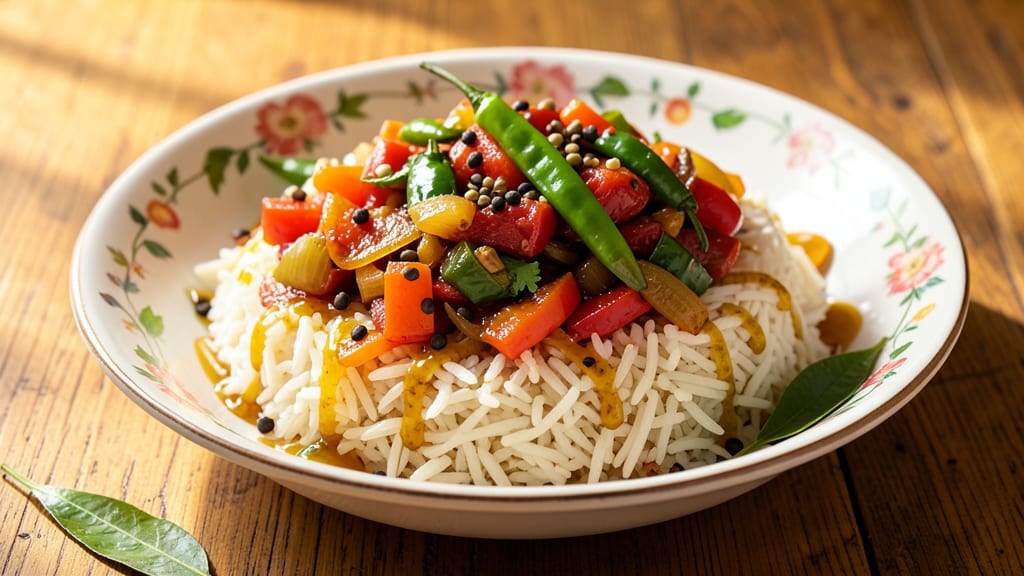
This pickle rice recipe transforms simple basmati rice into a vibrant, tangy side dish that pairs perfectly with curries and grilled meats.
The secret lies in balancing the sharp, spicy kick of pickles with the subtle aroma of tempered spices—mustard seeds, curry leaves, and green chilies—all while keeping the rice fluffy and separate.
I developed this method after years of testing, ensuring the pickles stay crunchy and the rice absorbs just enough flavor without becoming soggy.
What makes this recipe stand out is the 15-minute preparation time, making it ideal for busy weeknights or last-minute meals.
The process begins with perfectly cooked rice, then layers in the tangy, crunchy pickles—whether it’s mango, lime, or mixed vegetable achar—followed by a quick tempering of spices for an aromatic finish.
The result is a dish that’s both bold and balanced, with every bite delivering a satisfying contrast of textures and flavors.
The final dish delivers crispy-tender rice grains coated in a light pickle dressing, topped with a fragrant tempering that adds depth. Serve it alongside biryani, grilled chicken, or even as a standalone appetizer with a side of mint chutney or papad.
This recipe proves that sides can be just as exciting as the main course, elevating any meal with minimal effort.
For added customization, swap in different pickles—like Kathal ka achar for a South Indian twist or raw mango pickle for a North Indian touch. The key is adjusting the pickle-to-rice ratio to suit your taste, ensuring the tanginess doesn’t overpower the dish. Let’s get started on this flavor-packed side dish!
Ingredients for pickle rice
Simple basmati rice meets tangy pickles and aromatic spices for a quick, vibrant side.
| Ingredient | Amount | Notes |
|---|---|---|
| Basmati Rice 🍚 | 2 cups | Long-grain, uncooked preferred |
| Mixed Vegetable Achar (Pickles) 🥒 | ¾ cup | Crispy, tangy variety |
| Mustard Seeds 🌿 | 1 tsp | Yellow, whole seeds |
| Curry Leaves 🍃 | 1 tsp | Dried or fresh preferred |
| Green Chilies 🌶️ | 2 whole | Fresh, slit lengthwise |
| Ghee or Clarified Butter 🧈 | 1 tbsp | For tempering spices |
| Salt 🧂 | 1 tsp | Fine grain kosher preferred |
| Fresh Mint Leaves 🌿 | 2 tbsp | Chopped, for garnish |
| Roasted Cumin Seeds 🌿 | ½ tsp | For topping, optional |
| Lemon Wedges 🍋 | 1 whole | For serving, optional |
| Water 💧 | 3 cups | For boiling rice |
| Fresh Coriander Leaves 🌿 | 2 tbsp | Chopped, for garnish |
The mixed vegetable achar is the heart of this dish—opt for store-bought varieties with vibrant color and crunch like those from Sundries or local Indian markets. For homemade pickles, ensure they’re made with proper vinegar and sugar ratios to maintain tanginess without overpowering. Basmati rice should be rinsed thoroughly to remove excess starch, which is crucial for achieving that separate, fluffy texture the recipe demands. The mustard seeds and curry leaves are non-negotiable for authentic aroma; toast them lightly in ghee to enhance their fragrance before tempering.
No mixed vegetable achar? Mango pickle or lime pickle work well, though adjust the tanginess with a splash of lemon juice. Substitute dried curry leaves with 1/2 tsp ground curry powder if fresh leaves are unavailable. For a spicier kick, increase green chilies to 3-4 whole or add 1/2 tsp red chili powder. The ghee can be replaced with neutral oil, but it lacks the nutty depth that elevates the dish. Garnish with fresh mint and coriander for brightness, or omit if serving immediately.
Cooked rice keeps best in the fridge for 4-5 days if stored in an airtight container with a damp paper towel to retain moisture. The pickle mixture can be prepped ahead and stored for up to 2 weeks in a sealed jar. For best results, reheat the rice with a splash of water before mixing with pickles to restore fluffiness. The tempered spices should be added fresh to maintain their aromatic punch—never reheat this step. Serve immediately for the optimal crunch and flavor balance.
Why You'll Love This Recipe
- No Chop, No Stress: I love that this recipe lets me skip the chopping chaos—just rinse the basmati rice and toss in the pre-made pickles. The only real prep is slitting those green chilies, and honestly, that’s the only thing I actually look forward to doing. The rest? Pure hands-off magic while the rice simmers.
- Tangy Crunch Perfection: The crispy, tangy pickles cut through the fluffy rice like a cool breeze on a hot day. That first bite? The ghee-tempered mustard seeds and curry leaves hit you with warmth, while the pickles bring that sharp, addictive crunch. It’s like a flavor party in every mouthful—no weird aftertaste, just spot-on balance.
- Weeknight Hero: This is the dish I reach for when I’m exhausted after work but refuse to order takeout. Cook the rice while I’m on the phone, temper the spices in under a minute, and boom—dinner’s ready. My kids fight over seconds, and honestly? That’s the best kind of win. Even on a Tuesday night, it feels special.
- Budget-Friendly Feast: For less than what a grocery store salad costs, I get a bowl that’s basically a flavor explosion. The pickles stretch far, the rice is cheap, and the spices? A little goes a long way. I’ve served this to guests, meal-prepped for the week, and still had leftovers—all without breaking the bank. It’s the kind of dish that makes frugality feel luxurious.
Step-by-step instructions for pickle rice
This method delivers perfectly balanced rice with vibrant, tangy pickles and aromatic spices in record time.
Prepare the Rice for Perfect Texture
Rinse the 2 cups basmati rice under cold water in a fine-mesh strainer until the water runs clear. This removes excess starch that would make the rice mushy. Soak the rice in fresh water for 15 minutes, then drain thoroughly before cooking. I find this brief soaking prevents the rice from becoming gummy while ensuring even cooking.
In a medium pot, combine the drained rice with the 3 cups water and the 1 tsp salt. Bring to a boil over medium-high heat, then immediately reduce to low heat, cover tightly with a lid, and simmer for 12 minutes. The rice should absorb all the water and develop a light, fluffy texture. Avoid peeking during cooking—steam escape makes the rice dry and uneven.
Temper the Spices for Maximum Flavor
While the rice cooks, heat the 1 tbsp ghee or clarified butter in a small skillet over medium heat. Add the 1 tsp mustard seeds and let them sizzle until they pop audibly. This is your signal to add the 1 tsp curry leaves and the 2 green chilies, slit lengthwise. Stir constantly for 30 seconds until the curry leaves darken slightly and the chilies soften.
Remove from heat and set aside. This spice tempering creates a fragrant base that will infuse the rice with depth. The ghee's rich flavor also helps balance the tangy pickles, preventing the dish from becoming too sharp. Keep the tempered spices warm until ready to mix with the rice.
Combine Rice with Pickles and Garnishes
Once the rice is fully cooked, spread it on a clean kitchen towel to fluff and cool slightly for 2 minutes. This prevents the rice from becoming pasty when mixed. Gently fold in the ¾ cup mixed vegetable achar (pickles), distributing them evenly throughout the rice. The pickles should remain crisp, adding both texture and tangy contrast to each bite.
Sprinkle the tempered spice mixture evenly over the rice, then fold in the 2 tbsp chopped fresh mint leaves and 2 tbsp chopped fresh coriander leaves. The herbs add freshness that cuts through the richness of the ghee and the sharpness of the pickles. For an optional finishing touch, sprinkle the ½ tsp roasted cumin seeds over the top—they add a nutty aroma that complements the overall flavor profile.
Serve Immediately with Lemon
Transfer the pickle rice to a serving bowl and serve warm. The contrast of warm rice with cool pickles creates a satisfying sensory experience. Squeeze the 1 lemon wedge over the top just before serving to brighten the flavors. The acidity enhances the tangy pickles and balances the richness of the ghee-tempered rice.
This dish maintains its best texture and flavor when served immediately. The rice should be light and separate, with each grain distinct, while the pickles retain their crunch. The combination of aromatic spices, tangy pickles, and fresh herbs makes this a versatile side that pairs beautifully with curries, grilled meats, or even as a standalone dish.
Pro Tips For Making Pickle Rice
- Fluff Before Mixing: After cooking, spread the rice on a kitchen towel for 2 minutes—this cools it enough to handle without turning it into glue when you fold in the pickles. I used to skip this and ended up with a clumpy mess; now it’s light and separate every time.
- Listen to Popping Mustard: The mustard seeds need to actually pop—no half-hearted sizzling. Once they crackle like fireworks, that’s your cue to add curry leaves and chilies. I learned this the hard way when my tempering tasted flat because I pulled it too soon.
- Keep Pickles Crisp: Fold the pickles into the warm rice, not hot—heat turns them soggy. If your rice is still steaming, let it sit off the heat for a minute first. The tangy crunch is the star; don’t let it turn mushy.
- Ghee Over Heat: Use medium heat for the ghee—too low and the spices won’t bloom; too high and it burns before the mustard pops. I was skeptical until I tried it: the flavor depth is noticeably richer when you nail this balance.
Pro cooking tips for great pickle rice
Perfect Rice Texture
I can’t emphasize enough how critical it is to rinse 2 cups basmati rice thoroughly before cooking—this removes excess starch that clings to grains and turns your rice mushy.
After rinsing, soak the rice in fresh water for 15 minutes to ensure even cooking and prevent clumping. Drain well before adding it to your pot. 💡
Tempering Timing
The 30-second window for tempering mustard seeds, curry leaves, and green chilies in 1 tbsp ghee is non-negotiable. Let the mustard seeds pop audibly first—they’ll release their nutty aroma and signal it’s time to add the remaining spices.
Stirring constantly prevents burning, and removing from heat immediately stops the cooking process while preserving that fragrant base. Keep the tempered spices warm in a small bowl until you’re ready to mix them into the rice.
Avoiding Pickle Sogginess
When folding in the ¾ cup mixed vegetable achar, distribute the pickles evenly but gently to avoid crushing them. Overmixing will turn those crispy pickles into a soggy mess.
Instead, use a fork to lightly combine the pickles with the rice, then fold in the herbs and spices at the very end. This preserves the crunch that makes the dish so satisfying.
Garnish Like a Pro
Fresh herbs like 2 tbsp chopped mint and 2 tbsp chopped coriander are your secret weapon—they brighten the dish and cut through the richness of the ghee. Add them just before serving to maintain their vibrant color and flavor.
For an extra touch, sprinkle ½ tsp roasted cumin seeds over the top; they add a nutty aroma that elevates the entire dish. 🌿
Lemon’s Last Touch
Squeezing 1 lemon wedge over the pickle rice just before serving is a game-changer. The acidity brightens the flavors and balances the tangy pickles perfectly. I always keep a bowl of lemon wedges handy—I find this final step transforms the dish from good to outstanding.
The contrast of warm rice with cool, zesty lemon is what makes this recipe truly special.
Serving Temperature
This dish shines when served immediately after mixing, while the rice is still warm and the pickles retain their crispness. If you must reheat leftovers, add a splash of water to the rice before warming to restore its fluffy texture.
The tempered spices should always be added fresh—their aroma fades when reheated, and the dish loses its signature depth. Serve with a side of mint chutney or papad for the full experience. ✨
Nutrition facts
Frequently asked questions
Why does my rice turn out mushy when mixing with pickles?
Mushy rice happens when you don't let it cool slightly after cooking. Always spread the 2 cups rice on a towel for 2 minutes before mixing with pickles. This prevents the grains from sticking together. Also, avoid peeking during the 12-minute simmer—steam escape makes the rice dry and uneven!
Can I use any type of pickle instead of mixed vegetable achar?
While ¾ cup mixed vegetable achar works best, you can substitute with mango pickle or lime pickle. Just adjust the tanginess with a squeeze of lemon juice if needed. The key is keeping the pickles crisp—fold them in gently to preserve their texture.
What’s the best way to reheat leftovers without ruining the texture?
Reheat the rice with 1-2 tablespoons of water per cup of rice to restore fluffiness. Avoid microwaving directly—spread it on a plate and cover loosely for even heating. The tempered spices should always be added fresh, as reheating dulls their aroma.
How do I balance the tangy pickles with the rice flavor?
The 1 tbsp ghee used in tempering spices acts as a natural balancer. Its richness mellows the sharpness of the pickles. For extra brightness, garnish with fresh mint and coriander leaves, or squeeze lemon juice just before serving to cut through the tang.
Can I make this dish ahead of time?
Yes! The pickle mixture can be prepped up to 2 weeks ahead and stored sealed. Cook the rice fresh, then mix with pickles and spices just before serving. If storing cooked rice, keep it in an airtight container with a damp paper towel for up to 5 days.