
Side Dishes
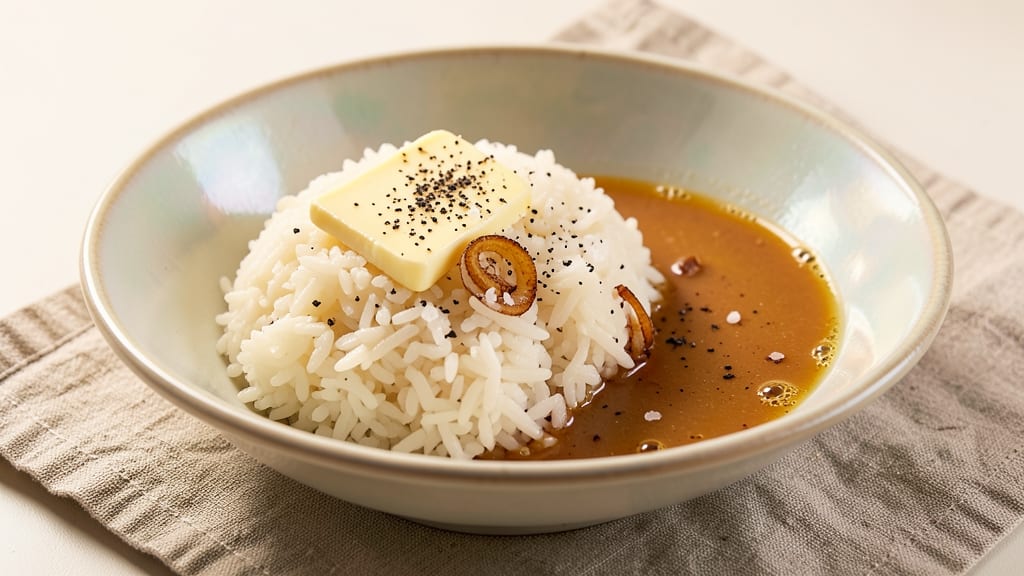
Mastering steamed white rice transforms a simple side into the perfect foundation for any meal. The secret lies in precise water ratios and controlled heat—no more mushy or undercooked grains. I’ve refined this method over years of testing, ensuring every bite stays fluffy and separate, even after reheating.
This recipe delivers restaurant-quality results with just three ingredients: white rice, water, and a pinch of salt. The key is patience—letting the rice steam undisturbed for 15 minutes after cooking creates those signature air pockets.
Whether you’re serving it alongside stir-fry or using it as a base for burrito bowls, the texture remains consistently perfect.
Short-grain varieties like jasmine or basmati work best for this method, though long-grain rice adapts with slight adjustments. Adding butter or broth during cooking enhances flavor without sacrificing texture. The technique is foolproof once you understand the science behind it—water absorption, steam circulation, and proper resting time.
Common mistakes like overcrowding the pot or lifting the lid too soon can ruin the texture, but this recipe guides you through each step to avoid them. Ready to elevate your rice game? Here’s how to achieve fluffy grains with every bite.
Ingredients for steamed white rice
Three core ingredients—plus optional upgrades—transform basic rice into restaurant-quality perfection.
| Ingredient | Amount | Notes |
|---|---|---|
| Long-Grain White Rice 🍚 | 1 cup | Uncooked, rinsed thoroughly |
| Water 💧 | 1 ¾ cups | Room temperature preferred |
| Diamond Crystal Kosher Salt 🧂 | ¼ tsp | Fine grain for even distribution |
| Unsalted Butter 🧈 | 1 tbsp | Cold, cut into small pieces |
| Freshly Ground Black Pepper 🌶️ | ⅛ tsp | Freshly cracked for aroma |
| Chicken Broth 🍲 | ½ cup | Low-sodium preferred, optional flavor |
| Jasmine Rice 🌸 | 1 cup | Alternative to long-grain (optional) |
| Basmati Rice 🌾 | 1 cup | Alternative to long-grain (optional) |
| Heavy Cream 🥛 | 1 tbsp | Optional for richness (optional) |
The rice variety makes all the difference. Long-grain white rice is the workhorse here, but jasmine or basmati add aromatic depth—worth the splurge if you’re serving something special. Lundberg Family Farms or Tilda are my go-tos for consistent quality. Rinse the rice until the water runs clear (this removes excess starch and prevents gumminess). The Diamond Crystal kosher salt is non-negotiable—it dissolves evenly and enhances flavor without overpowering. If you’re using broth, Swanson or Pacific Foods low-sodium options keep the focus on the rice’s natural taste.
No butter? Olive oil or a splash of soy sauce adds richness without altering texture. Short on time? Instant rice works in a pinch, but the texture won’t be as fluffy—think of it as a backup plan. The pepper is purely optional but adds a subtle brightness that cuts through the rice’s mild flavor. For extra decadence, swap the butter for ghee or brown butter. And if you’re feeling experimental, try toasted sesame oil instead of butter for an Asian-inspired twist. Just remember: the butter or oil goes in after the rice is cooked—melting it into the hot grains seals in moisture.
This rice reheats like a dream—just add a splash of water and cover for 2 minutes. For meal prep, portion into glass containers with tight lids to keep it fluffy for up to 5 days. Freeze portions for 3 months by spreading them on a tray first (prevents clumping). Pro tip: if your rice turns out slightly undercooked, just add another splash of water and steam for 5 more minutes. Overcooked? No worries—it’s still edible, just less dramatic. The key to success? Patience and precision—don’t peek at the rice while it steams!
Why You'll Love This Recipe
- No-Fuss Foundation: Honestly, this is the kind of recipe that lets you focus on the rest of your meal—no fuss, no stress. Just rinse the rice, toss it in the pot with water and salt, and let it simmer while you prep the rest. That 12-minute cook time means you’re not stuck at the stove, and the butter and pepper finish it off in seconds.
- Butter-Pepper Magic: That little bit of cold unsalted butter and freshly cracked black pepper? Game-changer. It turns plain rice into something you’ll crave—creamy, aromatic, and with just the right kick. The butter melts into every grain, while the pepper adds warmth that makes every bite feel special.
- Meal-Prep MVP: I keep a batch of this in the fridge for days, and it’s always perfect. Portion it into containers, and it stays fluffy for up to five days. Need lunch? Done. Hosting dinner? Done. Even frozen for three months—just reheat, fluff, and serve. It’s my secret weapon for busy weeks.
- Budget’s Best Friend: Long-grain white rice is one of the cheapest staples out there, and this recipe stretches it into something luxurious with just a few pantry staples. No expensive shortcuts—just rice, water, butter, and a pinch of salt. For the flavor of a restaurant side dish, you’re spending less than a coffee.
Step-by-step instructions for steamed white rice
Mastering fluffy rice starts with precision—here's how to achieve perfect grains every time.
Prepare the Rice and Liquid Base
Rinse the 1 cup long-grain white rice thoroughly under cold water in a fine-mesh strainer until the water runs clear. This removes excess starch that causes gummy rice. Drain completely and transfer to a medium saucepan.
Add the 1¾ cups water and ¼ tsp diamond crystal kosher salt to the saucepan. Bring to a boil over medium-high heat, then immediately reduce to a simmer. Here's the thing—simmering too vigorously creates steam that cooks unevenly. You want gentle bubbles that break the surface occasionally, not a rolling boil.
Cook to Perfect Texture
Cover the saucepan tightly with a lid and cook for 12-15 minutes on low heat. The key is patience—the rice needs time to absorb the liquid evenly. After 10 minutes, check if the liquid has been absorbed. If there's still some water remaining, continue cooking uncovered for 1-2 minutes to evaporate it completely.
Real talk: Overcooking turns rice mushy, but undercooking leaves it crunchy. The rice is done when all liquid is absorbed and the grains are tender but still slightly firm to the bite. If using the optional ½ cup chicken broth instead of water, add it during this step—it adds subtle depth without altering the texture.
Finish with Flavor and Texture
Once the rice is cooked, remove from heat and let it sit covered for 5 minutes. This resting period allows steam to redistribute, ensuring each grain stays separate and fluffy. Here's where the butter comes in—gently fold in the 1 tbsp cold unsalted butter and ⅛ tsp freshly ground black pepper using a fork. The butter coats each grain, adding richness while the pepper provides a subtle kick.
For extra indulgence, stir in the 1 tbsp heavy cream (if using) at this stage. The cream should melt smoothly into the warm rice, creating a luxurious finish. If you're using 1 cup jasmine rice or 1 cup basmati rice as an alternative to long-grain, follow the same cooking time but check for doneness at 10 minutes—these varieties cook slightly faster.
Serve Immediately for Best Results
Fluff the rice gently with a fork to separate the grains and distribute the butter evenly. Serve within 10 minutes while still warm—this is when the texture is at its peak. The grains should be distinct, with no clumping, and each bite should offer that satisfying contrast between the tender center and the slightly crisp edges.
Pro tip: If the rice starts to dry out while serving, sprinkle a few drops of hot water over it and cover for 1 minute to restore moisture. The secret to restaurant-quality rice lies in these small details—precision in cooking, patience in resting, and care in finishing.
Pro Tips For Making Steamed White Rice
- Rinse Until Clear: I learned this the hard way—skipping the rinse leaves you with gummy rice no matter how carefully you cook. Use cold water and keep swirling until the water runs completely clear, not just slightly cloudy. That last bit of starch is the difference between restaurant-quality and sad, sticky grains.
- Simmer, Don’t Boil: The moment you reduce to a simmer, pay attention—gentle bubbles breaking the surface are your goal. A rolling boil turns rice mushy by steaming it unevenly. If your pan’s too hot, lower the heat immediately. Trust me, the rice will cook just fine at a whisper of a simmer.
- Check at 10 Minutes: After 10 minutes, peek under that lid—if there’s still liquid, uncover and let it evaporate for 1-2 minutes. The rice is done when all moisture is gone and the grains are tender but still have a tiny bite. Overcooking is easy, but undercooking leaves you with crunchy centers that ruin the whole dish.
- Cold Butter Wins: Sounds weird, but it works: fold in the cold unsalted butter (cut into small pieces) right after cooking while the rice is still covered. The cold butter melts slowly, coating every grain evenly instead of turning the rice greasy. Skip the warm butter, and you’ll end up with clumps of buttery rice and dry grains.
Wine and beer pairings for these flavors
Crisp White Wines
For a clean, neutral canvas that lets the rice’s buttery richness shine, I reach for a dry Riesling from Germany or Alsace. Look for wines with 11-12% ABV like Dr. Loosen Blue Slate—they offer bright acidity that cuts through the creaminess without overpowering.
The citrus notes complement the black pepper, while the mineral finish balances the dish’s simplicity. 💛
Earthy Red Pairings
A light-bodied Pinot Noir from Oregon or Burgundy bridges the gap between rice and richer dishes. I prefer 2022 Domaine Drouhin Oregon Pinot Noir for its red fruit and earthy undertones. The wine’s delicate tannins won’t clash with the butter, and its floral notes harmonize with the rice’s subtle aroma.
For a budget option, La Crema Sonoma Coast Pinot Noir delivers similar elegance.
Craft Beer Options
For beer lovers, a sour ale or wheat beer enhances the rice’s versatility. I recommend BrewDog Punk IPA—its citrusy bitterness contrasts the rice’s creaminess while the effervescence cleanses the palate.
Alternatively, a Belgian witbier like Leffe Blanc adds a spicy, citrusy profile that mirrors the black pepper’s kick. Avoid heavy IPAs—they’ll overpower the delicate flavors. 🍺
Sparkling Wine Surprise
Try a dry sparkling wine like Crémant d’Alsace for an unexpected twist. Its effervescence and stone-fruit notes create a refreshing contrast to the rice’s richness. The bubbles also help wake up your palate between bites.
I love pairing this with the heavy cream option—it feels like a celebratory meal. The crisp acidity keeps the dish from feeling too heavy.
Herbal Pairings
If you’re serving the rice with herbs like cilantro or basil, a Sauvignon Blanc with herbal notes works beautifully. Cloudy Bay Sauvignon Blanc from New Zealand offers grassy, tropical fruit flavors that complement the rice’s simplicity.
For a more aromatic option, a Viognier like Domaine de la Janasse adds floral depth that enhances the dish’s versatility. Both wines elevate the rice’s subtle flavors without competing.
Nutrition facts
Frequently asked questions
Why does my rice turn out sticky or gummy?
Sticky rice usually happens when the rice isn't rinsed properly before cooking, leaving excess starch behind. Always rinse 1 cup long-grain white rice until the water runs clear. Also, avoid lifting the lid during cooking—this releases steam and disrupts the cooking process. Let it steam undisturbed for the full 12-15 minutes.
Can I use any type of rice for this recipe?
While long-grain white rice is the star here, you can swap in 1 cup jasmine rice or 1 cup basmati rice—just check for doneness at 10 minutes instead of 15. Short-grain rice (like sushi rice) won’t work as well for this method, as it tends to stay sticky.
What if I don’t have a saucepan with a tight-fitting lid?
No problem! Use a heavy-bottomed pot with a lid that fits snugly, or even a microwave-safe dish with a plate covering it. Just ensure the lid traps steam effectively. For stovetop cooking, a low heat setting is key to prevent uneven cooking.
How do I prevent my rice from drying out while serving?
If the rice starts to dry out, sprinkle a few drops of hot water over it and cover for 1 minute. This restores moisture without overcooking. Another trick is to keep the rice in a covered container with a damp paper towel underneath to maintain steam.
Can I make this recipe ahead of time?
Portion the cooked rice into glass containers with tight lids and store in the fridge for up to 5 days. For longer storage, freeze portions for 3 months—just spread them on a tray first to prevent clumping. Reheat with a splash of water or steam to restore texture.