
Desserts
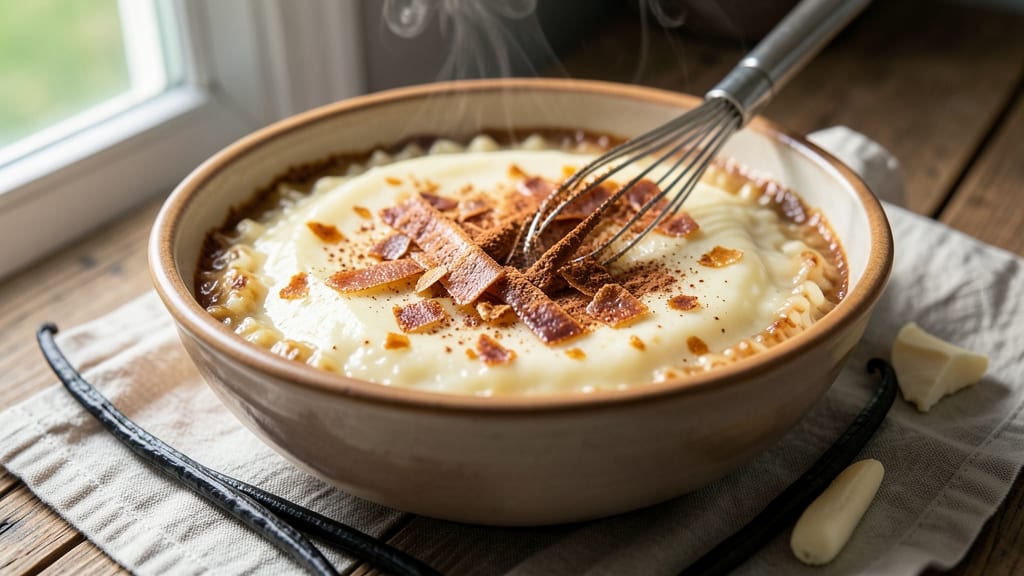
This stove top rice pudding recipe delivers the velvety, comforting texture you crave without requiring a slow cooker. The key lies in gentle simmering and consistent stirring—transforming simple ingredients into a dessert that tastes like a warm hug. My version balances sweetness with warm spices, creating that perfect harmony of vanilla and cinnamon that makes every spoonful irresistible.
What sets this apart is the creamy consistency achieved through precise timing and technique. No lumps, no graininess—just a silky-smooth pudding that clings to the spoon. The slow cooking process develops deep flavor while keeping the texture light yet rich.
Perfect for weeknight desserts or special occasions, this recipe comes together in under an hour with just a few pantry staples.
Ingredients for stove top rice pudding
Simple pantry staples transform into velvety, comforting rice pudding perfection.
| Ingredient | Amount | Notes |
|---|---|---|
| Jasmine Rice 🍚 | 2 cups | Long-grain, uncooked preferred |
| Whole Milk 🥛 | 4 cups | Full-fat for creaminess |
| Granulated White Sugar 🍚 | 1 ½ cups | Divided for sweetness |
| Vanilla Extract 🌿 | 2 tbsp | Pure, not imitation |
| Ground Cinnamon 🌶️ | 2 tsp | Ceylon preferred for aroma |
| Unsalted Butter 🧈 | ½ cup | Cubed for even melting |
| Salt 🧂 | ½ tsp | Diamond Crystal preferred |
| Heavy Cream 🥛 | ½ cup | For final creaminess |
| Lemon Peel 🍋 | 1 tsp | Zest only, no pith |
| Pinch of Nutmeg 🌿 | ¼ tsp | Freshly grated preferred |
| Whipped Cream 🧈 | 1 cup | For garnish, optional |
| Toasted Almonds 🥜 | ¼ cup | Sliced, for crunch |
The jasmine rice provides that delicate floral aroma and silky texture that elevates this beyond basic rice pudding. For optimal quality, select long-grain varieties like Calrose or Koshihikari—they absorb liquid evenly without turning mushy. Most grocery stores carry these in the rice aisle, but Asian markets often have fresher selections with superior aroma. When measuring, use a dry measuring cup and level it off—consistency is key for even cooking. The full-fat milk and butter combination ensures that luxurious creaminess without needing heavy cream in the main mixture.
Substitutions are possible but require adjustments for texture. Arborio rice works but results in a slightly denser pudding—reduce liquid by 2 tbsp. For sugar alternatives, coconut sugar at a 1:1 ratio maintains caramel notes, while monk fruit blends require careful sweetness testing. Vanilla extract can be omitted entirely if using vanilla bean seeds scraped from a pod (add 1 tsp seeds + 1 tbsp pod scrapings). The cinnamon is non-negotiable for flavor harmony—Ceylon cinnamon offers a subtler, more complex profile than cassia, though both work. For nut allergies, swap almonds for pistachios or sunflower seeds—just toast them first to develop flavor.
This pudding develops its signature creaminess through slow simmering—do not skip the stirring. After 30 minutes of cooking, the mixture will thicken noticeably. For best results, cook it uncovered until the liquid reduces by half, then add the final sugar and spices. The pudding can be refrigerated for up to 5 days in an airtight container, though it improves after 24 hours as flavors meld. To reheat, gently warm on the stove with a splash of milk—microwave heating can cause separation. For make-ahead convenience, portion into individual serving dishes before chilling, then top with whipped cream and toasted nuts just before serving. The almonds should be toasted in a dry pan over medium heat for 2-3 minutes until fragrant, then cooled before adding to the garnish.
Why You'll Love This Recipe
- One-Pot Magic: I love that this recipe turns one pan into pure comfort—no extra bowls, no messy prep. Just toss in the jasmine rice, let it toast in butter until golden, then simmer with milk and cinnamon while you do something else. The only stirring required is every 5 minutes, so it’s basically hands-off after the first 10 minutes.
- Spiced Perfection: The Ceylon cinnamon and pure vanilla extract make this pudding taste like a hug in a bowl. That lemon zest adds a bright pop, and the nutmeg? It’s the secret weapon that makes it taste just fancy enough for company, even though it’s so simple. Honestly, the first bite always makes me pause—it’s that good.
- Leftovers? More Like Leftovers Love: This pudding gets better the next day, which means I can make a big batch on Sunday and have breakfast or dessert ready all week. My kids even ask for seconds, and honestly? The texture thickens just right after chilling, so it’s almost like a second recipe. Five days in the fridge, no waste—just pure convenience.
- Budget-Friendly Luxury: Full-fat milk, butter, and vanilla might sound indulgent, but this recipe stretches those ingredients to feed a crowd without breaking the bank. The toasted almonds and whipped cream are optional, so you can treat yourself without guilt. It’s the kind of dish that makes you feel like you’re splurging, even when you’re saving.
Step-by-step instructions for stove top rice pudding recipe
Here's the method for velvety, fragrant rice pudding with perfect texture every time.
Toast the Rice for Nuttier Flavor
In a heavy-bottomed saucepan, melt the ½ cup unsalted butter over medium heat. Add the 2 cups jasmine rice and stir constantly for 5-7 minutes until the rice grains turn a light golden brown and release a nutty aroma. This toasting step develops deeper flavor and prevents a starchy texture later.
Watch the butter carefully—it should foam gently but not brown too darkly. You'll see the rice grains become more translucent at the edges. Remove the pan from heat immediately after toasting, as the rice will continue cooking from residual heat. This is where the foundation of your creamy texture begins.
Cook with Milk and Sugar Until Thickened
Return the saucepan to medium heat and pour in the 4 cups whole milk, stirring to combine with the toasted rice. Sprinkle the 1½ cups granulated white sugar evenly over the surface, then add the 2 tsp ground cinnamon, ½ tsp salt, and 1 tsp lemon peel. Bring the mixture to a gentle simmer, then reduce heat to low.
Stir occasionally for 30-35 minutes until the rice is tender and the mixture thickens to a creamy consistency that coats the back of a spoon. Here's the thing—don't stir constantly, as this can create lumps. Instead, give it a gentle stir every 5 minutes to prevent sticking. The pudding should look like thick custard with no loose liquid remaining.
Finish with Cream and Spices
Once the rice is tender, remove the saucepan from heat and stir in the ½ cup heavy cream and 2 tbsp vanilla extract. Add the ¼ tsp pinch of nutmeg and mix well. The cream will create that signature velvety finish we're after. Taste and adjust sweetness if needed—you can add more sugar if desired, but the original amount should be perfect.
Return the mixture to low heat for 5 minutes to let the flavors meld. During this time, the pudding will develop its characteristic smoothness. I like to press a spoonful against the side of the pan—it should hold its shape briefly before melting back into the pudding when stirred, indicating perfect consistency.
Garnish and Serve Warm
Transfer the warm rice pudding to serving bowls. Top each portion with dollops of the 1 cup whipped cream and sprinkle with the ¼ cup toasted almonds. The contrast between the warm pudding, cool whipped cream, and crunchy almonds creates the perfect textural experience.
Let the pudding sit for 5 minutes before serving to allow the flavors to fully develop. The aroma of vanilla and cinnamon will fill your kitchen—this is your signal that it's ready. Serve immediately while still warm for the ultimate creamy, comforting experience.
Pro Tips For Making Stove Top Rice Pudding
- Stir Less, Often: I used to babysit this pot like it was a newborn, stirring every minute—only to end up with a gluey mess. The rice needs space to soften properly. Give it a gentle stir every 5 minutes instead, just enough to prevent sticking. That way, you’ll get that silky, spoon-thick consistency without turning it into paste.
- Toast Until Golden, Not Brown: That nutty aroma is your reward for patience—don’t rush the 5-7 minutes of toasting the rice in the butter. If it darkens too much, you’ll taste bitterness later. Watch closely: the edges should turn translucent and just barely golden, like toasted breadcrumbs. Pull it off heat the second it hits that spot, or you’ll regret it.
- Divide the Sugar Early: Sprinkling the sugar evenly over the milk’s surface when you first add it dissolves smoother and prevents clumping. I learned this the hard way—dumping it all at once leads to grainy pockets. And if you’re worried about sweetness, taste after the 30-minute simmer. You can always add a little more later, but you can’t undo gritty sugar crystals.
- Let It Rest Before Serving: Skipping the 5-minute rest after mixing in the heavy cream and spices is tempting—I know, I’ve done it. But that final hold in the pan lets the flavors marry and the texture thicken just right. Press a spoonful against the pan: if it holds for a second before melting back in, it’s ready. Serve it warm, not hot, or you’ll lose that velvety mouthfeel.
Pro cooking tips for stove top rice pudding
Mastering the Simmer
The secret to perfect rice pudding lies in maintaining an even gentle simmer throughout the cooking process. After adding the milk, I keep the heat at medium-low—any higher risks scorching the bottom or creating uneven texture.
Use a heavy-bottomed saucepan like my Le Creuset Dutch oven to distribute heat evenly and prevent hot spots. If your pan lacks a heavy base, place it on the back burner to avoid direct heat. 🌡️
Stirring Strategy
Stirring too much creates lumps, but not stirring enough leads to dry spots. I use a wooden spoon to gently scrape the bottom every 5 minutes during the first 30 minutes, then reduce to every 10 minutes once thickened.
The key is to lift the spoon vertically to see if the mixture coats it smoothly—this tells me it's reaching that perfect custard-like consistency.
Temperature Control
Watch for the milk to reduce by half—this is when the pudding transforms from soupy to creamy. I use an instant-read thermometer to confirm it reaches 170°F internally, which ensures all bacteria are killed while maintaining that silky texture.
If your kitchen is particularly hot, reduce heat further—you want the pudding to bubble gently, not roll.
Final Cream Boost
Adding ½ cup heavy cream at the end is what makes this pudding truly luxurious. I let it warm through for just 5 minutes on low heat to incorporate without overcooking. This step also helps distribute the vanilla extract evenly, creating that signature aroma.
I always taste at this stage—sometimes I add an extra ¼ cup sugar if my family prefers it sweeter, but the original amount works beautifully.
Equipment Essentials
Investing in a good thermometer and wooden spoon makes all the difference. My Thermoworks probe thermometer ($25) eliminates guesswork, and a sturdy wooden spoon prevents scratching your pan. For even better results, use a silicon spatula to lift clumps from the bottom during the initial cooking phase.
These tools become your best friends when making rice pudding consistently.
Nutrition facts
Frequently asked questions
Why does my rice pudding sometimes turn out grainy?
Graininess often happens when rice isn't toasted properly before adding milk. Always toast the 2 cups jasmine rice in butter for 5-7 minutes until golden—this seals the starches and prevents mushiness. Also, avoid over-stirring during cooking; gentle scraping every 5 minutes keeps texture smooth. The gentle simmer and even heat distribution are key to silky results!
Can I make this rice pudding with less sugar?
Yes! The recipe calls for 1.5 cups sugar as a starting point, but you can reduce it by ¼ cup if you prefer less sweetness. Taste as you go—sometimes the natural caramelization from simmering develops enough sweetness to satisfy. For extra depth, add a pinch of vanilla bean scrapings instead of extract. The cinnamon and nutmeg will still shine!
What's the best way to reheat leftover rice pudding?
Gently warm it on the stovetop over low heat with a splash of milk to restore creaminess—never microwave, as it can create separation. Stir frequently and add a dollop of heavy cream if it looks too thick. For best results, reheat portions just before serving to maintain that velvety texture. The 5-minute rest after cooking applies to reheated portions too!
Can I use different types of rice for this recipe?
Jasmine rice is ideal for its delicate aroma, but Arborio rice works too—just reduce milk by 2 tbsp to avoid mushiness. Avoid long-grain white rice, as it lacks the natural stickiness needed for pudding texture. For extra flavor, try brown rice, but simmer longer (45-50 minutes) as it needs more time to soften. The key is rice that absorbs liquid well!
How do I know when the pudding is perfectly thickened?
Press a spoonful against the pan—it should hold its shape briefly before melting back into the pudding when stirred. The mixture should coat the spoon smoothly with no loose liquid remaining. When the milk reduces by half (after 30-35 minutes), you've reached that perfect custard-like consistency. If it's still soupy, simmer uncovered for another 5 minutes. Patience is key!