
Main Courses
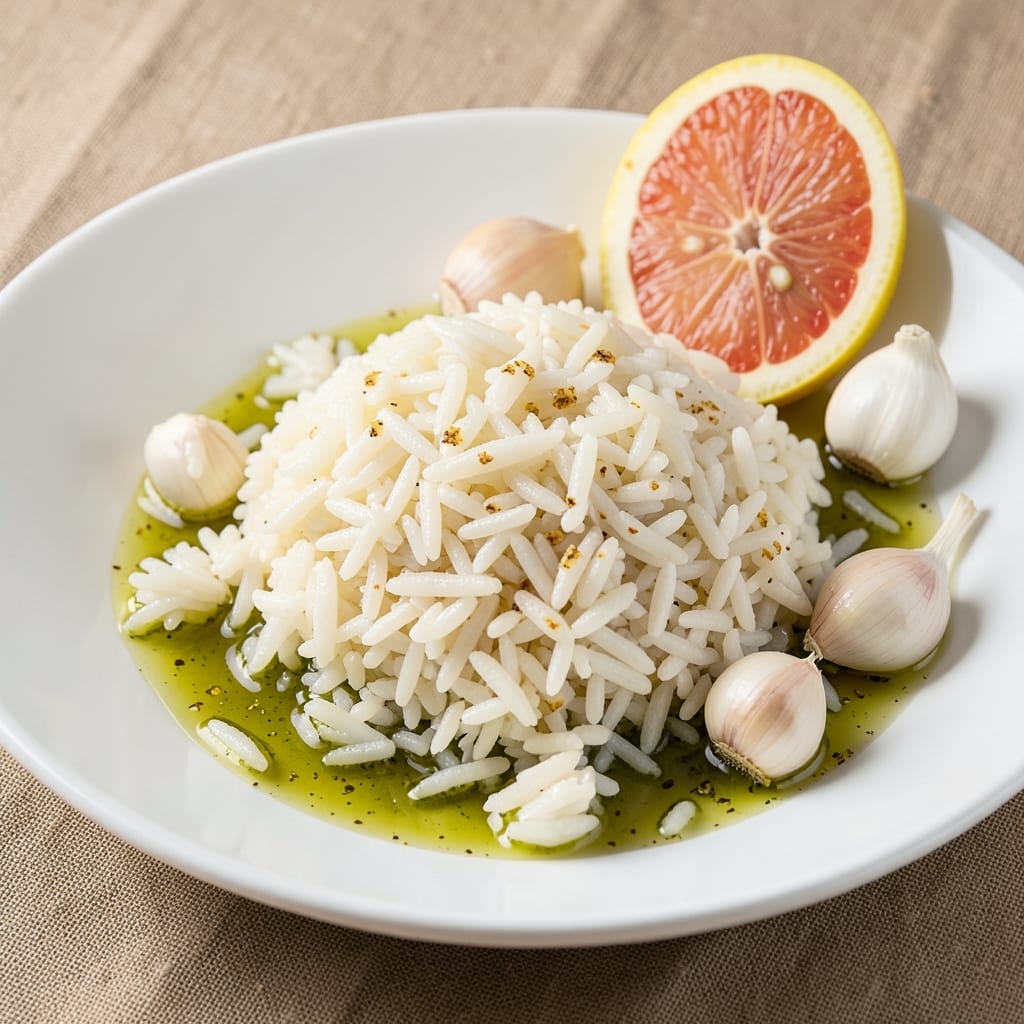
Cooking 2 cups of white rice perfectly every time is the foundation of countless meals—whether as a simple side or the base for stir-fries, bowls, or casseroles. The secret lies in the right water-to-rice ratio, gentle heat, and a brief resting period that transforms sticky grains into light, fluffy bites. This one-pot method eliminates the guesswork, ensuring foolproof results with minimal effort and cleanup.
The beauty of this recipe is its versatility. Start with plain white rice for a neutral canvas, or infuse it with garlic, herbs, or coconut milk for instant flavor. The key steps—simmering uncovered, reducing heat at the right moment, and letting it rest—are what separate good rice from restaurant-quality. No special equipment or advanced skills are needed, just patience and attention to timing.
By the end, you’ll have perfectly cooked rice with individual grains that stay distinct, never mushy. The aroma alone will signal dinner is ready, and the texture will hold up whether served as a side, mixed into a dish, or paired with proteins and vegetables. This is the kind of rice that makes every meal feel complete.
Ready to master the basics? Let’s get started with a method that works for beginners and seasoned cooks alike. The variations are endless—garlic, lemon, or even a touch of butter can elevate this simple staple into something extraordinary.
Ingredients for 2 cups white rice
Simple staples for foolproof rice that serves as the perfect base for any meal.
| Ingredient | Amount | Notes |
|---|---|---|
| Long-Grain White Rice 🌾 | 2 cups | Uncooked, standard variety |
| Water 💧 | 3 cups | Room temperature preferred |
| Salt 🧂 | ½ tsp | Kosher or sea salt |
| Extra-Virgin Olive Oil 🫒 | 1 tbsp | Optional for flavor infusion |
| Garlic Cloves 🧄 | 2 cloves | Minced, for optional infusion |
| Fresh Lemon Juice 🍋 | 1 tsp | Optional for brightness |
| Fresh Parsley 🌿 | ¼ cup | Chopped, for garnish |
| Butter 🧈 | 1 tbsp | Optional for richness |
The rice is the star here, and long-grain white rice is your best bet for that signature fluffy texture. Jasmine or basmati work beautifully too, but stick with standard white rice if you're just starting out. Water temperature matters—room temp absorbs faster than cold. For the best results, use filtered or bottled water if your tap water is heavily chlorinated. The salt is non-negotiable—it enhances flavor and prevents mushy grains. I always grab Diamond Crystal kosher salt because it dissolves perfectly, but any kosher or sea salt will work. If you're feeling fancy, toast the rice in the pot for 30 seconds before adding water to deepen its flavor.
No olive oil? Water alone works perfectly fine—this isn't a stir-fry, we're keeping it simple. Skipping garlic and lemon is totally fine too, but if you've got them, they add so much character. Fresh parsley is ideal for garnish, but dried parsley at half the amount works in a pinch. The butter at the end is optional but worth it—it coats each grain beautifully. For a vegetarian or vegan version, use olive oil instead of butter. If you're making this for a crowd, double the recipe but use a larger pot—never exceed a 2:1 water-to-rice ratio or you'll end up with soggy rice. And if you're worried about burning, remember: low and slow is key—this isn't a race.
Freshly cooked rice reheats poorly, so eat it immediately or store it in an airtight container with a damp paper towel on top to keep it from drying out. It'll keep in the fridge for 3-4 days, but texture degrades quickly. For leftovers, spread them on a tray to cool before refrigerating—this prevents clumping. If you're prepping ahead, cook the rice slightly underdone (about 1 minute less) and finish it in the microwave with a splash of water. The rice will absorb that quickly and come out perfect. And if you're making this for a meal prep, portion it into containers with your proteins and veggies—it reheats beautifully when microwaved with a splash of water.
Why You'll Love This Recipe
- Five-Ingredient Magic: I swear by this—just rice, water, salt, olive oil, and garlic. That’s it. No fancy gadgets, no hidden pantry items, just pure, simple cooking that still feels special.
- Garlic Kiss: Between us, a single clove of garlic—sautéed in olive oil until fragrant—transforms plain rice into something rich and aromatic. It’s the secret weapon no one talks about.
- Lunchbox Hero: Cold or reheated, this rice holds up perfectly. Pack it for work, toss it in bento boxes, or serve it alongside grilled chicken—it’s the ultimate sidekick that never lets you down.
- Budget Blank Slate: Two cups of rice costs pennies, and the ingredients you already own. It’s my go-to when I’m broke but still want flavor—plus, the leftovers taste just as good the next day.
Step-by-step instructions for one-pot fluffy white rice
Master this foolproof method for perfectly fluffy rice every time—no fancy equipment required.
Rinse the Rice Thoroughly
Place the 2 cups long-grain white rice in a fine-mesh strainer and rinse under cold running water for about 30 seconds. Swirl the rice gently with your fingers to remove surface starch. You'll see the water run clearer after about 10-15 seconds of rinsing.
This rinsing step is crucial—it prevents the rice from becoming gummy or sticking together. After rinsing, give the rice one final shake in the strainer to remove excess water. The grains should separate easily when you spread them out on a clean kitchen towel to dry briefly before cooking.
Toast the Rice (Optional Flavor Boost)
Heat the 1 tablespoon extra-virgin olive oil in a medium saucepan over medium heat until shimmering but not smoking. Add the 2 minced garlic cloves and cook for 30 seconds until fragrant—you'll smell that wonderful garlic aroma immediately.
This quick toasting step infuses the rice with subtle garlic flavor without overpowering it. If you're skipping the garlic, simply heat the olive oil for 10 seconds to warm it before adding the rice. The warm oil helps create a better texture by preventing the rice from absorbing too much liquid too quickly.
Cook the Rice to Perfect Doneness
Add the rinsed rice to the saucepan along with the 3 cups water and 0.5 teaspoon salt. Bring to a boil over high heat, then immediately reduce heat to low. Cover tightly with a lid and cook for exactly 15 minutes without lifting it.
Resist the temptation to peek or stir—this one-pot method relies on even heat distribution. After 15 minutes, turn off the heat but leave the rice covered for another 5 minutes. This resting period allows the steam to finish cooking the rice evenly and develop that signature fluffy texture.
Finish with Optional Brightness
After the resting period, gently fluff the rice with a fork to separate the grains. Stir in the 1 tablespoon butter and 1 teaspoon fresh lemon juice for added richness and brightness. The lemon juice should be fresh—bottled juice lacks the vibrant acidity that cuts through the richness of the butter.
If using, sprinkle the 0.25 cup chopped fresh parsley over the top just before serving. The parsley adds fresh color and a subtle herbal note that complements the rice beautifully. For extra flavor, you could also add a pinch of black pepper or a sprinkle of grated Parmesan cheese at this stage.
Serve Immediately for Best Texture
Transfer the rice to a serving dish and serve within 10 minutes of cooking. The texture will begin to degrade after this point as the rice absorbs more moisture from the air. Each grain should be distinct, tender, and slightly separate—what we call "fluffy" rice.
This one-pot method guarantees consistent results every time. The key is maintaining the proper water-to-rice ratio (1.5 cups water to 1 cup rice) and allowing the rice to steam undisturbed. The optional flavorings elevate this basic preparation into something truly special for any meal.
Pro Tips For Making 2 Cups White Rice
- USE A TIGHT FIT: Rinse the rice until the water runs almost clear—not crystal, just barely cloudy. This removes excess starch so your rice stays separate and fluffy instead of gummy. (Yes, even with long-grain rice, I used to skip this and got sad, sticky results.)
- SALT THE WATER LATE: Add salt only after the water boils and rice is submerged. Early salting makes the water unevenly salty, and the rice absorbs it inconsistently—leading to bland pockets. Wait until the pot’s roaring, then toss in the salt.
- GARLIC FIRST, OIL SECOND: Sear minced garlic in olive oil before adding rice and water—this builds flavor depth. If you toss garlic in later, it’ll steam instead of brown, giving you a milder taste. (I learned this after making rice taste like "garlic water" for years.)
- COVER AND REST: Once the rice is done, turn off the heat and let it sit covered for 5-10 minutes. This lets steam redistribute, guaranteeing even moisture. Skipping this step? You’ll end up with dry edges and a sad, uneven texture. (Your future self will notice.)
Wine and beer pairings for these flavors
Crisp White Wine Pairings
For plain white rice, a dry Sauvignon Blanc from New Zealand or Loire Valley is my go-to choice. The bright acidity and citrus notes—think grapefruit and green apple—cut through any richness in your meal while complementing the rice's neutral base. Look for a bottle with 12-13% ABV to balance the dish without overwhelming it. A chilled glass (around 45-50°F) enhances the refreshing contrast. 🍷
If you're serving your rice with butter or herbs, opt for a Pinot Grigio from Italy's Alto Adige region. Its delicate almond and pear flavors won't compete with the rice but will elevate the dish subtly. I often reach for Santa Margherita Pinot Grigio—it's consistently reliable and affordable. Serve slightly cooler than room temperature (50-52°F) to preserve its crispness.
Light Beer Complements
A crisp lager like Peroni or Heineken pairs beautifully with plain white rice, especially when serving it alongside grilled meats or salads. The beer's clean, effervescent quality cleanses the palate between bites, making it ideal for larger meals. For a local option, try a Mexican lager like Modelo Especial—its subtle malt sweetness complements the rice's mild flavor.
If you prefer a hoppier option, a German Helles or American Pale Ale with moderate bitterness works well. I love pairing my garlic-infused rice with a Sierra Nevada Pale Ale—the citrusy hops echo the garlic's aroma while the malt body stands up to the rice's texture. Just avoid overly sweet or dark beers that could clash with the rice's delicate nature. 🍺
Dessert Wine for Sweet Variations
For coconut-infused rice or dishes where the rice is sweetened (like with fruit), a Moscato d'Asti or Riesling is perfect. The slight sweetness and effervescence in Moscato balance the coconut's richness, while a dry Riesling from Germany adds a refreshing acidity. I recommend chilling these wines to 40-45°F to highlight their fruity aromas.
If you're serving a spiced rice variation (like with cinnamon or cardamom), a Gewürztraminer from Alsace brings complementary floral and lychee notes. The wine's natural sweetness and spice-friendly profile make it an unexpected but delightful match. Serve slightly cooler than room temperature (50°F) to enhance its aromatic qualities.
Red Wine for Hearty Meals
While white wines and beers are classic choices, a light-bodied red like Pinot Noir works beautifully when serving rice with bold proteins like chicken or beef. The red's earthy notes complement the rice's texture without overpowering it. Look for a Willamette Valley Pinot Noir—its bright acidity and red fruit flavors create harmony with the dish.
Avoid heavy reds like Cabernet Sauvignon or Syrah, as their tannins can clash with the rice's mild flavor. If you're serving a garlic or herb-infused rice, a Chianti Classico with its cherry and herbal notes can be a delightful surprise. Just ensure it's decanted to soften any remaining tannins before serving. 🍷
Nutrition facts
Frequently asked questions
Why does my rice always turn out mushy?
The most common cause is using too much water or lifting the lid while cooking. Stick to the 1.5:1 water-to-rice ratio (3 cups water for 2 cups rice) and never peek during the 15-minute simmer. The resting period is also key—covered for 5 minutes after heat is off lets steam finish cooking evenly.
Can I use a rice cooker for this recipe?
Follow the same ratio (3 cups water for 2 cups rice) and let it cook on high until the water is absorbed. Most rice cookers have a "white rice" setting that works perfectly. For extra fluffiness, press the "keep warm" button for 5 minutes after cooking to mimic the resting period.
How do I make this rice more flavorful without extra ingredients?
Toast the rice in the pot for 1 minute before adding water to deepen its natural flavor. For brightness, stir in 1 teaspoon lemon juice or 1 tablespoon vinegar at the end. A pinch of smoked paprika or turmeric adds earthy warmth without extra effort. The butter at the end also enhances richness beautifully.
What if I don't have a medium saucepan?
Any pot that fits your rice with 1 inch of headroom works—even a deep skillet or Dutch oven. The key is covering it tightly with a lid. If your pot is too wide, use 1/3 less water to prevent evaporation. For a large family, use a 6-quart pot with 6 cups water for 4 cups rice, maintaining the same ratio.
Can I make this rice ahead of time?
Yes, but texture degrades quickly. Cook it as directed, then spread on a tray to cool completely before refrigerating in an airtight container. For best results, reheat with 2 tablespoons water per cup of rice in the microwave for 1-2 minutes. To preserve texture, store with a damp paper towel on top to prevent drying.