
Main Courses
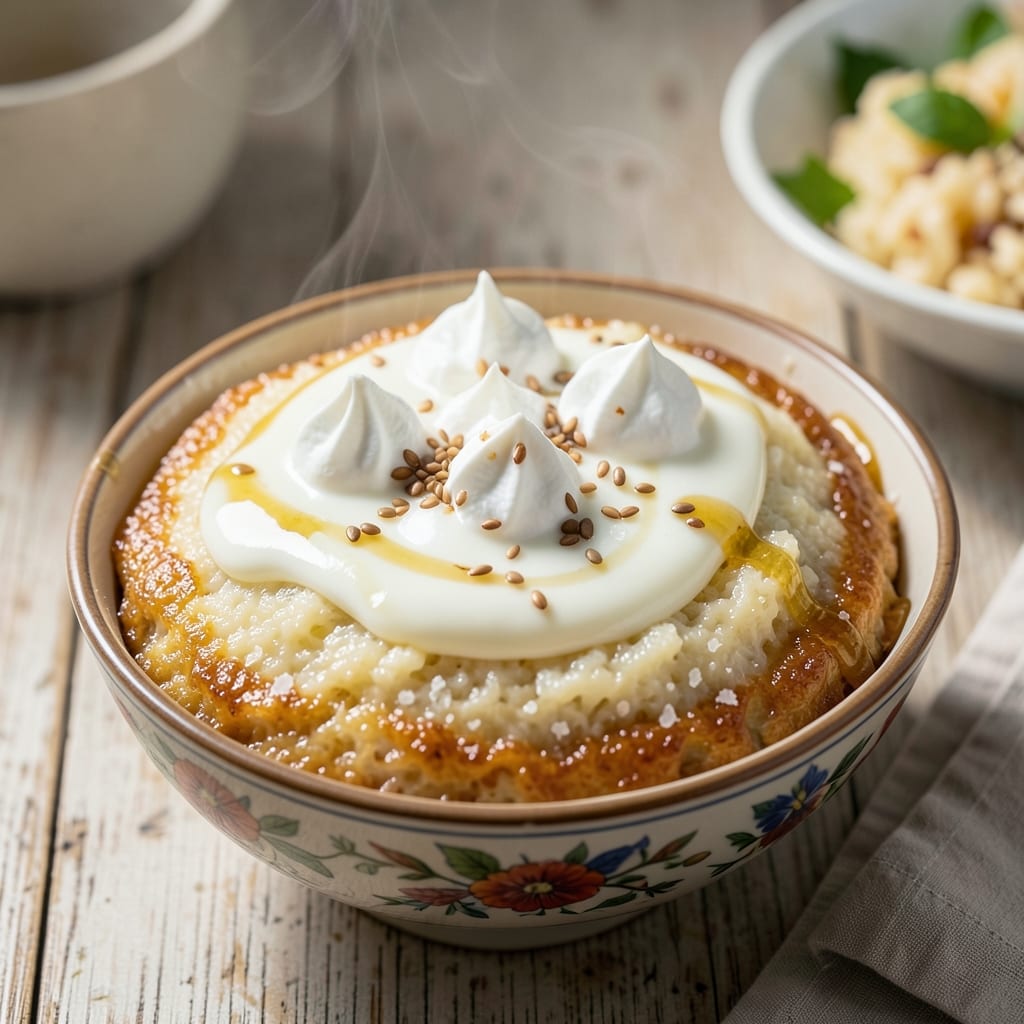
This Asian rice pudding recipe transforms simple ingredients into a creamy, fragrant dessert that tastes like a vacation in every spoonful. The secret lies in balancing coconut milk's richness with bright lime zest and warm pandan or cardamom spices—creating a texture that's silky yet perfectly set. I first made this version during a particularly busy week when I needed something comforting yet impressive, and it became an instant family favorite.
What sets this recipe apart is the toasted sesame crunch that adds depth, along with optional toppings like crushed peanuts or fresh mango. The process is straightforward: soak jasmine rice until plump, simmer with coconut milk until creamy, then finish with lime and spices. The result is a dessert that's elegant enough for gatherings but simple enough for weeknight cravings—no fancy equipment required.
This version draws inspiration from Thai khao nieo mamuang and Japanese mochigome, blending creamy coconut with fragrant spices. The pudding can be served warm with a sprinkle of toasted sesame seeds or chilled with a dollop of whipped coconut cream. It's the kind of dessert that feels luxurious without being complicated, perfect for satisfying sweet tooths or impressing guests.
Ready in about 45 minutes with minimal active time, this rice pudding delivers restaurant-quality results at home. The key is patience—letting the rice soak properly and simmering gently ensures that creamy, dreamy texture. Once mastered, you'll reach for this recipe whenever you crave something comforting yet sophisticated.
Ingredients for asian rice pudding
Simple yet luxurious ingredients transform into this fragrant Asian-inspired rice pudding.
| Ingredient | Amount | Notes |
|---|---|---|
| Jasmine Rice 🍚 | 1 cup | Uncooked, long-grain preferred |
| Full-Fat Coconut Milk 🥥 | 13 ½ oz | Canned, for richness |
| Light Coconut Milk 🥥 | 13 ½ oz | Canned, for lighter texture |
| Granulated Sugar 🍚 | ½ cup | White or light brown |
| Toasted Sesame Seeds 🥜 | 2 tbsp | Store-bought or homemade |
| Unsalted Butter 🧈 | 2 tbsp | Cold, for toasting rice |
| Fresh Lime Zest 🍋 | 1 tbsp | Finely grated, bright flavor |
| Lime Juice 🍋 | 2 tbsp | Freshly squeezed |
| Ground Cardamom 🌿 | ½ tsp | Freshly ground preferred |
| Pandan Extract 🌿 | ½ tsp | Or 1 tsp fresh pandan leaves |
| Vanilla Extract 🌸 | 1 tsp | Pure vanilla preferred |
| Salt 🧂 | ¼ tsp | Diamond Crystal preferred |
| Crushed Peanuts 🥜 | ¼ cup | Optional garnish |
| Fresh Mango 🥭 | ½ cup | Diced, optional topping |
The jasmine rice is the foundation—look for long-grain varieties at Whole Foods or Trader Joe's for the best aroma. Coconut milk matters too: Thai Kitchen brand cans deliver consistent quality, but any full-fat canned coconut milk works. Toast the sesame seeds in a dry pan until golden for maximum flavor—2-3 minutes over medium heat. Cardamom and pandan are key for that authentic Asian touch; if you can't find pandan extract, vanilla extract works in a pinch, though the flavor will differ slightly.
No cardamom? Cinnamon at half the amount provides warmth, though it lacks the floral notes. Substitute pandan with 1 tsp almond extract for a nutty undertone. For the lime, zest from 2-3 limes gives the best brightness—don't skip this step. The sugar can be swapped for maple syrup or coconut sugar, though white sugar ensures neutral sweetness. If you're serving this warm, add a pinch of salt to the coconut milk to enhance the flavors. For a dairy-free option, omit the butter entirely—though it adds a lovely richness.
Store leftover pudding in an airtight container for up to 5 days in the fridge. The texture improves overnight as the rice absorbs more liquid. For a make-ahead dessert, prepare it a day in advance and reheat gently on the stove. Garnishes like toasted sesame seeds and crushed peanuts keep best in the freezer for 1 month. Freeze the pudding in portions if you plan to reheat—just add a splash of coconut milk when warming to restore creaminess.
Why You'll Love This Recipe
- One-Pot Magic: I swear by this—just toss jasmine rice, coconut milk, and sugar into a pot, simmer until creamy, and call it a day. No fancy layers, no stress.
- Creamy-Sweet Bliss: That rich blend of full-fat and light coconut milk? Pure comfort in every spoonful, especially when topped with toasted sesame seeds for a nutty crunch.
- Weeknight & Potlucks: Make a big batch on Sunday—it reheats beautifully for breakfast or dessert, and guests will think you slaved over it. (Between us, it’s the easiest crowd-pleaser.)
- Budget-Friendly Luxury: Jasmine rice and coconut milk stretch far, and you’ll have leftovers that taste just as good cold or warm. My wallet and taste buds thank me.
Step-by-step instructions for fragrant coconut-lime rice pudding
Transform simple ingredients into a velvety, aromatic dessert with layers of toasted sesame and tropical brightness.
Toast the Jasmine Rice for Nuttiness
Heat a heavy-bottomed saucepan over medium-high heat and add the 2 tablespoons unsalted butter. Once melted and foaming subsides, add the 1 cup jasmine rice and stir constantly for 2-3 minutes until the grains turn a uniform golden color and release a toasty aroma.
This toasting step develops nutty flavors and prevents the rice from becoming mushy later. Watch carefully—the rice should look dry and slightly crisp around the edges. If it darkens too quickly, reduce the heat slightly. Once toasted, remove the pan from heat and set aside.
Combine Liquids and Infuse with Aromatics
In the same saucepan, pour in the 13.5 oz full-fat coconut milk, 13.5 oz light coconut milk, and 0.5 cup granulated sugar. Stir to dissolve the sugar completely, then add the 1 tablespoon fresh lime zest, 2 tablespoons lime juice, 0.5 teaspoon ground cardamom, 0.5 teaspoon pandan extract, 1 teaspoon vanilla extract, and 0.25 teaspoon salt. Bring the mixture to a gentle boil over medium heat, stirring occasionally to prevent scorching.
The cardamom and pandan will infuse the coconut milk with their signature floral notes, while the lime zest and juice add a bright citrus contrast. Let the mixture simmer for 5 minutes to meld the flavors, then return the toasted rice to the pan.
Simmer Until Creamy Perfection
Reduce the heat to low and cover the saucepan with a tight-fitting lid. Let the rice pudding simmer gently for 25-30 minutes, stirring occasionally to prevent sticking. The pudding is ready when the rice is tender and the mixture has thickened to a creamy consistency—it should coat the back of a spoon but still be slightly loose.
If the pudding thickens too quickly, add 1-2 tablespoons water to maintain the desired texture. The key is patience; rushing this step will result in a gummy rather than creamy finish. Once done, remove from heat and let it sit covered for 10 minutes to allow the flavors to settle.
Finish with Crunchy Garnishes
Transfer the pudding to serving bowls or a single large dish. Sprinkle evenly with the 2 tablespoons toasted sesame seeds and 0.25 cup crushed peanuts, pressing them lightly into the surface for texture. Top with the 0.5 cup fresh mango, diced into small pieces, for a burst of freshness.
Serve warm or at room temperature, allowing the contrast of cool mango and warm pudding to enhance the flavors. The sesame seeds add a satisfying crunch, while the peanuts provide a nutty depth that balances the creamy coconut. Each spoonful should deliver a harmonious blend of tropical, floral, and citrus notes.
Pro Tips For Making Asian Rice Pudding
- STIR CONSTANTLY LOW AND SLOW: After the first 10 minutes, drop the heat to a simmer and keep that spoon moving—constantly. I learned this the hard way when my first batch turned into gluey rice soup. Low heat (around 160°F/70°C) prevents scorching, and stirring every 30 seconds ensures even texture. Yes, it’s tedious, but the creamy, distinct grains are worth it.
- SOAK THE RICE FIRST: Skip the dry rice—soak jasmine rice in water for 30 minutes before cooking. This cuts cooking time by 20 minutes and guarantees fluffy, separate grains instead of mushy clumps. Drain well, but don’t rinse after soaking (you’ll wash away the starch that helps thicken the pudding).
- USE BOTH COCONUT MILKS WISELY: Light coconut milk for the base (cheaper, less fat), full-fat only for the final 5 minutes. The extra richness at the end makes the pudding silky, not greasy. Mix them halfway through—this balances texture without overpowering the rice’s natural aroma.
- TOAST SESAME SEEDS LAST: Save the sesame seeds for the final 2 minutes of cooking. Toss them in dry and let them sizzle—this gives them that nutty crunch instead of a bitter, burnt taste. Sprinkle them over the top right when serving, or they’ll sink to the bottom like tiny rocks.
Health benefits of this recipe
Digestive Comfort
This rice pudding is surprisingly gentle on digestion thanks to its easy-to-digest rice base and probiotic-friendly coconut milk. The jasmine rice provides soluble fiber that supports gut health, while the cardamom acts as a natural carminative to reduce bloating. I’ve found this combination especially helpful after heavy meals—my Nonna always swore by warm rice pudding to settle her stomach. 🌱
Energy-Boosting Carbs
The jasmine rice delivers complex carbohydrates that provide sustained energy without the crash of refined sugars. Pairing it with coconut milk adds medium-chain triglycerides (MCTs), which fuel the brain and body efficiently. This makes it a great post-workout dessert or a light breakfast option—my gym buddies love it after spin class. The pandan extract also contains small amounts of antioxidants that support cellular health.
Heart-Healthy Fats
The full-fat coconut milk in this recipe contains healthy saturated fats that support heart health when consumed in moderation. Unlike processed desserts, this version avoids trans fats entirely. The toasted sesame seeds add omega-3 fatty acids and vitamin E, both of which contribute to cardiovascular wellness. I always keep a jar of sesame seeds on hand for this reason—they’re one of the few pantry staples that deliver real nutritional benefits.
Blood Sugar Balance
While this dessert is sweet, the low glycemic index of jasmine rice and the fiber content help prevent blood sugar spikes. The lime zest adds a touch of acidity that can further slow sugar absorption. For a more balanced option, I sometimes reduce the sugar slightly (to ⅓ cup) and compensate with extra lime juice—it’s a trick I learned from Thai street food vendors. This makes it a better choice for those monitoring blood sugar levels.
Stress-Relief Flavors
The cardamom and vanilla extract in this pudding aren’t just for flavor—they contain aromatic compounds that naturally reduce stress. Cardamom, in particular, has been shown to lower cortisol levels, which is why I always include it. The warm, comforting nature of rice pudding itself triggers a calming effect—perfect for unwinding after a long day. My Boston apartment feels cozier when I have a bowl of this simmering on the stove.
Bone-Strengthening Nutrients
This recipe packs calcium (from coconut milk) and magnesium (from sesame seeds), both essential for bone health. The lime juice also provides vitamin C, which aids in collagen production for joint support. It’s a sneaky way to get these nutrients when you’re craving something sweet. I’ve started making double batches to freeze portions—it’s become my go-to dessert for family gatherings where health-conscious guests always ask for options.
Nutrition facts
Frequently asked questions
Can I use regular white rice instead of jasmine rice?
While you can substitute white rice, jasmine rice is ideal because its long grains stay distinct and absorb flavors beautifully. For a similar texture, use long-grain white rice and increase the simmering time by 5-10 minutes. Short-grain rice like sushi rice will turn mushy and gummy. If you're in a pinch, basmati rice works well too—just reduce the liquid slightly since it absorbs faster.
How do I make this dessert dairy-free?
This recipe is already mostly dairy-free! Simply omit the 2 tablespoons butter and use extra coconut milk to maintain creaminess. For a richer texture, add 1 tablespoon coconut oil to the toasted rice step. The coconut milk provides all the richness you need—just ensure you're using full-fat for the best results. The sesame seeds and peanuts will still add that satisfying crunch without any dairy.
Can I make this rice pudding ahead of time?
This dessert actually tastes better the next day as the flavors meld. Prepare it up to 3 days in advance and store in an airtight container in the refrigerator. When ready to serve, gently reheat on the stove with a splash of coconut milk to restore creaminess. For make-ahead convenience, I often make double batches and freeze portions—just thaw overnight in the fridge before serving. The texture remains perfect when reheated properly.
What if my rice pudding turns out too thick?
Don't worry—this happens more often than you'd think! If your pudding thickens too quickly, simply stir in 1-2 tablespoons water while simmering to loosen it. For a more permanent fix, you can also thin it with a splash of coconut milk. The key is patience during simmering—covering the pan and keeping heat low helps prevent over-thickening. If all else fails, serve it slightly thicker and add extra coconut cream or mango on top for a refreshing contrast.
Are there any good variations for this recipe?
This recipe is wonderfully adaptable! For a Thai-inspired twist, add 1 teaspoon pandan extract and top with toasted coconut flakes. For a Japanese-style version, reduce the lime and add ½ teaspoon matcha powder for earthy notes. You can also make it vegan by using coconut yogurt instead of butter. The possibilities are endless—try swapping spices like cinnamon for cardamom or adding fresh berries for a fruity variation. Each variation keeps that comforting, creamy texture while offering new flavor adventures!