
Main Courses
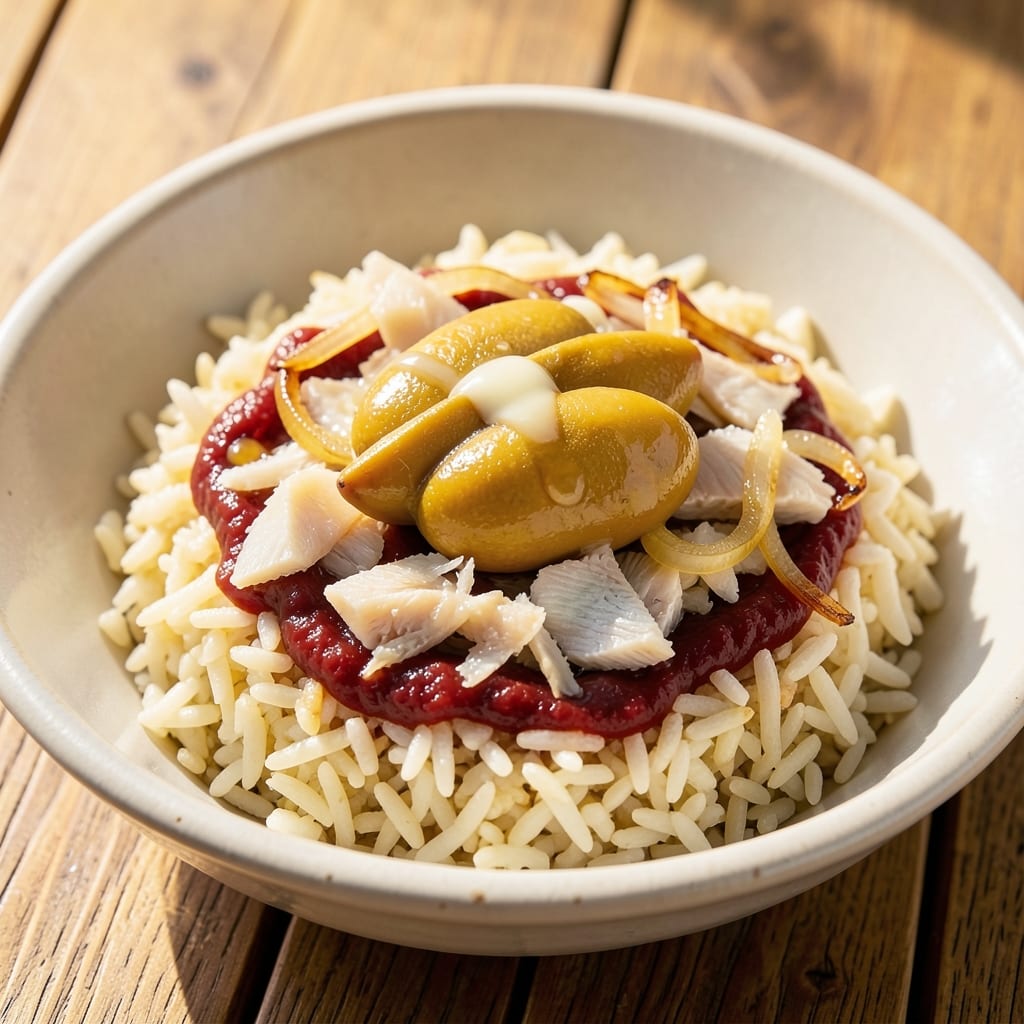
This Jamaican ackee and rice recipe delivers the heart of island breakfast culture in one flavor-packed dish. The golden, buttery rice absorbs rich tomato gravy while tender ackee—Jamaica's national fruit—adds a delicate, slightly sweet contrast that's impossible to resist. I've perfected this version to balance authenticity with home-cook simplicity, using just 15 minutes of active prep time for a meal that feels like a celebration.
The foundation is long-grain rice cooked in coconut milk, which gives it that signature Jamaican creaminess without overpowering the dish. Salted cod (saltfish) is the traditional protein, but I'll show you how to adapt this for vegan versions too. The key technique is sautéing the saltfish properly—slow and gentle—to avoid drying it out while building deep, savory flavors that infuse the entire dish.
What you'll end up with is a steaming plate of perfectly buttery rice, bright yellow from the ackee and tomato gravy, topped with flaky saltfish that practically melts in your mouth. The aroma alone—warm spices, coconut, and the unique sweetness of ackee—will have everyone at your table asking for seconds. This is comfort food at its finest, packed with cultural heritage and restaurant-quality taste.
Serve with fried dumplings or plantains for the full Jamaican experience, or keep it simple with a side salad. The leftovers reheat beautifully, making this an ideal meal-prep option for busy mornings. Let's get cooking!
Ingredients for ackee rice
Just 14 ingredients transform into Jamaica's iconic breakfast masterpiece—creamy coconut rice with tender ackee and flaky saltfish.
| Ingredient | Amount | Notes |
|---|---|---|
| Long-Grain White Rice 🍚 | 1 ½ cups | Uncooked, jasmine or basmati preferred |
| Coconut Milk 🥥 | 1 can | Full-fat, 13.5 oz can (not carton) |
| Canned Ackee 🍈 | 2 cans | 8 oz each, properly prepared (see notes) |
| Salted Cod (Saltfish) 🐟 | 8 oz | Fresh or frozen, desalted properly |
| Tomato Paste 🍅 | 2 tbsp | Smooth, no sugar added |
| Yellow Onion 🧅 | 1 whole | Medium size, finely chopped |
| Scotch Bonnet Pepper 🌶️ | 1 whole | Seeded, finely chopped (adjust for heat) |
| Garlic Cloves 🧄 | 4 cloves | Fresh, minced |
| Thyme 🌿 | 1 tbsp | Fresh, finely chopped or 1 tsp dried |
| Allspice Berries 🌶️ | ½ tsp | Ground, toasted for depth |
| Salt 🧂 | 1 ½ tsp | Kosher or sea salt, adjust to taste |
| Black Pepper 🌶️ | ½ tsp | Freshly ground |
| Butter 🧈 | 2 tbsp | Unsalted, for rice cooking |
| Olive Oil 🫒 | 1 tbsp | For sautéing saltfish |
The canned ackee is the star—look for brands like Jamaican Choice or Caribbean Flavours at specialty stores or online. Ackee must be properly prepared: drain the can, rinse the fruit, and pat completely dry to avoid soggy rice. Saltfish is non-negotiable for authenticity, but if you can't find it, firm white fish like cod or haddock works in a pinch. For the coconut milk, full-fat is essential—light versions won't give that rich Jamaican creaminess. I grab mine from Trader Joe's or Whole Foods in the Asian section. The Scotch bonnet peppers add the signature heat, but if you can't find them, habanero or Thai bird's eye will do (start with half).
No allspice berries? Ground allspice from a jar works, but toasting whole berries in a dry pan for 30 seconds before grinding takes this to the next level. Fresh thyme is ideal, but dried at one-third the amount gets you close. The tomato paste can be the squeeze-tube kind from Trader Joe's—no waste, and it keeps forever. For the saltfish, if it's still salty, soak it in milk for 30 minutes to draw out the excess. The butter matters here—use European-style if you can find it, or Plugrá for that rich, cultured flavor. Ackee can be tricky to find outside Jamaica, but Caribbean grocery stores or online retailers like Amazon usually have it.
Ackee and rice reheats beautifully—best the next day when flavors meld. Store in an airtight container for up to 3 days in the fridge, or freeze portions for up to 3 months. The saltfish stays moist when reheated gently with a splash of water. Make a double batch: this is the kind of dish that disappears fast. For meal prep, portion into containers with rice on the bottom and saltfish on top—keeps everything separate and reheats perfectly. The aroma alone will have your whole house smelling like Jamaica.
Why You'll Love This Recipe
- Here’s what sold me: ackee rice feels fancy, but it’s actually dirt cheap. Canned ackee and saltfish stretch across multiple meals, and the rice keeps everyone full without breaking the bank. Plus, the flavors are so bold you’ll forget you’re eating something simple. (Yes, even on a Tuesday night.)
- One-Pot Magic: I swear by this recipe when I’m too tired to wash pots. Just toss everything—rice, coconut milk, saltfish, even the ackee straight from the can—into one pot, add water, and let it simmer. The saltfish softens into flakes, the ackee melts into the rice, and you’re left with a creamy, fragrant bowl that feels like a hug.
- Creamy-Salty Balance: Honestly, the combo of coconut milk and saltfish is chef’s kiss. The richness of the coconut cuts through the saltiness of the cod, while the tomato paste adds that bright, tangy kick. It’s not too heavy, not too bland—just perfectly satisfying, like a flavor party in your mouth.
- Meal Prep MVP: Between us, this is my go-to for lazy Sundays or busy weeknights. Cook a big batch, and it reheats beautifully—no dry rice, no sad leftovers. Pack it for work, freeze portions, or serve it at a gathering. It’s the kind of dish that disappears fast, so make extra.
Step-by-step instructions for Jamaican ackee and rice
This traditional breakfast dish comes together quickly with rich, aromatic flavors.
Prepare the Saltfish and Aromatics
Begin by desalting the salted cod if using frozen - soak in cold water for 4-6 hours, changing water every hour. For fresh saltfish, rinse thoroughly under cold water for 10 minutes to remove excess salt. Once ready, flake the saltfish into ½-inch pieces using two forks, discarding any skin or bones.
In a medium skillet, heat the 1 tablespoon olive oil over medium heat. Add the finely chopped yellow onion and cook for 3-4 minutes until softened. Stir in the minced garlic cloves and finely chopped Scotch bonnet pepper, cooking for another 30 seconds until fragrant. Remove from heat and set aside - this aromatic base will infuse the entire dish with depth.
Cook the Rice with Coconut Milk
Rinse the 1.5 cups long-grain white rice under cold water until the water runs clear, then drain well. In a separate pot, combine the rice with 2 cups water and bring to a boil over high heat. Once boiling, reduce heat to low, stir in the 1 can coconut milk, then cover tightly with a lid.
Simmer for 15 minutes without lifting the lid. This gentle cooking method creates the signature buttery texture. After 15 minutes, uncover and stir gently to fluff the rice. If the rice appears dry, add 2-3 tablespoons water and cover again for 5 more minutes. The rice should be tender but still slightly firm - you'll finish cooking it with the ackee later.
Combine All Ingredients
Increase heat to medium-high and add the flaked saltfish to the skillet with aromatics. Cook for 3-4 minutes until the saltfish begins to crisp slightly at the edges. Stir in the 2 tablespoons tomato paste, 1 tablespoon thyme, and 0.5 teaspoon allspice berries, cooking for another 1 minute to develop the flavors.
Add the cooked rice to the skillet along with the 2 cans ackee (drained if packed in water). Stir gently to combine, then season with 1.5 teaspoons salt and 0.5 teaspoon black pepper. The ackee should be evenly distributed throughout the rice mixture. If the mixture seems dry, add 2-3 tablespoons water to create a moist but not soupy consistency.
Finish with Butter and Rest
Return the combined mixture to low heat and stir in the 2 tablespoons butter, allowing it to melt completely and coat the rice. This final step adds richness and helps distribute all the flavors evenly. Taste and adjust seasoning - Jamaican ackee rice should be flavorful but balanced, with the saltfish adding a subtle briny note.
Transfer the ackee and rice to a serving dish and let it rest for 5 minutes before serving. This resting period allows the flavors to meld completely. Serve immediately with fried dumplings or a side of steamed callaloo for a complete Jamaican breakfast experience.
Pro Tips For Making Ackee Rice
- SOAK THE RICE 30 MINUTES: Ackee rice needs fluffier rice than usual—skip the quick-rinse and soak your long-grain rice in water for 30 minutes first. I learned this the hard way after making mushy rice that clung together like glue; the soak guarantees even cooking without breaking apart.
- DEGLAZE WITH COCONUT MILK: After frying the saltfish, don’t just add water to the pan—use a splash of coconut milk to scrape up the browned bits. That caramelized flavor is where the depth comes from, and it cuts through the saltiness of the fish better than plain water ever could.
- DRAIN THE SALTED COD: Saltfish holds way more brine than you’d think—rinse it thoroughly and drain it for 10 minutes before frying. Trust me, you don’t want a salty explosion in your rice; this step makes all the difference when balancing flavors.
- COOK THE RICE IN THE SAUCE: Don’t drain the rice after cooking—fold it directly into the ackee-coconut sauce while still hot. The residual starch binds everything together, giving you that creamy, cohesive texture instead of dry grains floating in a separate sauce. (Yes, even if it looks messy at first.)
Serving suggestions for this dish
Classic Jamaican Sides
No ackee rice dish is complete without fried dumplings—those crispy, flaky bites that soak up every last drop of flavor. I like to use Jamaican-style dumpling mix from Caribbean markets, or make my own with flour, baking powder, and a pinch of thyme. Fry them in vegetable oil at 350°F until golden brown—about 3-4 minutes—and serve alongside. 🍟
For a lighter option, steamed callaloo brings vibrant green color and earthy taste to the plate. Blanch 2 cups chopped callaloo in boiling water for 2 minutes, then steam for 10 minutes with garlic, thyme, and a splash of coconut milk. The contrast with the rich ackee rice is pure Jamaican magic.
Fresh Contrasts
A simple mango-habanero salsa cuts through the richness beautifully. Dice 1 ripe mango and ½ Scotch bonnet pepper, then mix with 1 tbsp lime juice and 1 tbsp chopped cilantro. The sweetness balances the saltfish's brininess perfectly. Serve on the side or spoon over the top for a refreshing finish. 🥭
Beverage Pairings
Sip on sorrel, Jamaica's signature holiday drink, made with hibiscus tea, ginger, and cloves. For a quicker option, ginger beer from Red Stripe or Barbados Ginger Beer complements the dish's spicy notes. Avoid heavy sodas—they'll overpower the delicate ackee flavors. 🍹
Make-Ahead Serving
Leftovers taste even better the next day! Store in an airtight container in the fridge for up to 3 days. Reheat gently with a splash of water or coconut milk to restore moisture. For a restaurant-style presentation, arrange the rice in a banana leaf-lined dish—it adds an authentic touch and keeps everything warm. 🌿
Breakfast or Brunch Upgrade
Turn this into a full brunch spread by adding fried plantains—slice 2 ripe plantains, fry in oil until caramelized, and sprinkle with flaky sea salt. Pair with scrambled eggs cooked with thyme and Scotch bonnet for a protein boost. The combination is pure Jamaican comfort food at its finest. 🍌
Nutrition facts
Frequently asked questions
What makes ackee rice different from regular rice dishes?
The magic lies in the coconut milk base and ackee fruit, which gives it a creamy, slightly sweet flavor with a unique texture. Unlike plain rice, this dish includes saltfish cooked with aromatic spices like thyme and allspice, creating a rich, savory-sweet balance that's distinctly Jamaican. The ackee's buttery consistency transforms it into a meal rather than just a side!
Can I substitute saltfish with another protein?
Yes! For a non-seafood option, try firm white fish like cod or haddock (desalted properly). Vegans can use tofu or chickpeas, though the texture will differ. The key is to keep the protein flaky or tender—avoid dense meats like beef, as they won't complement the dish's delicate flavors. Adjust seasoning if needed, as plant-based proteins absorb flavors differently.
Why does my ackee rice turn out dry?
Dry rice usually means too much heat or not enough liquid. Always use full-fat coconut milk (not light) and simmer gently after adding the rice. If it seems dry, stir in 2-3 tablespoons water or coconut milk and cover for 5 more minutes. Pro tip: The rice should be tender but not mushy—it'll finish cooking with the ackee.
How do I find canned ackee if I don't live near a Caribbean market?
Check the international aisle at major grocery stores like Whole Foods or Kroger, or order online from brands like Jamaican Choice or Caribbean Flavours on Amazon. Look for cans labeled "ackee and saltfish" or "ackee only." If unavailable, some specialty Latin American stores carry it too. Fresh ackee is illegal to import, so canned is your best bet!
Is ackee rice safe to eat raw or undercooked?
Never eat ackee raw or undercooked—it contains hypoglycin A, a toxin that can be deadly. Always use fully cooked canned ackee (check labels for "ready to eat"). The canning process removes the toxin, but heating it further in your recipe ensures safety. When properly prepared, ackee is delicious and safe—just follow the cooking instructions carefully!