
Main Courses
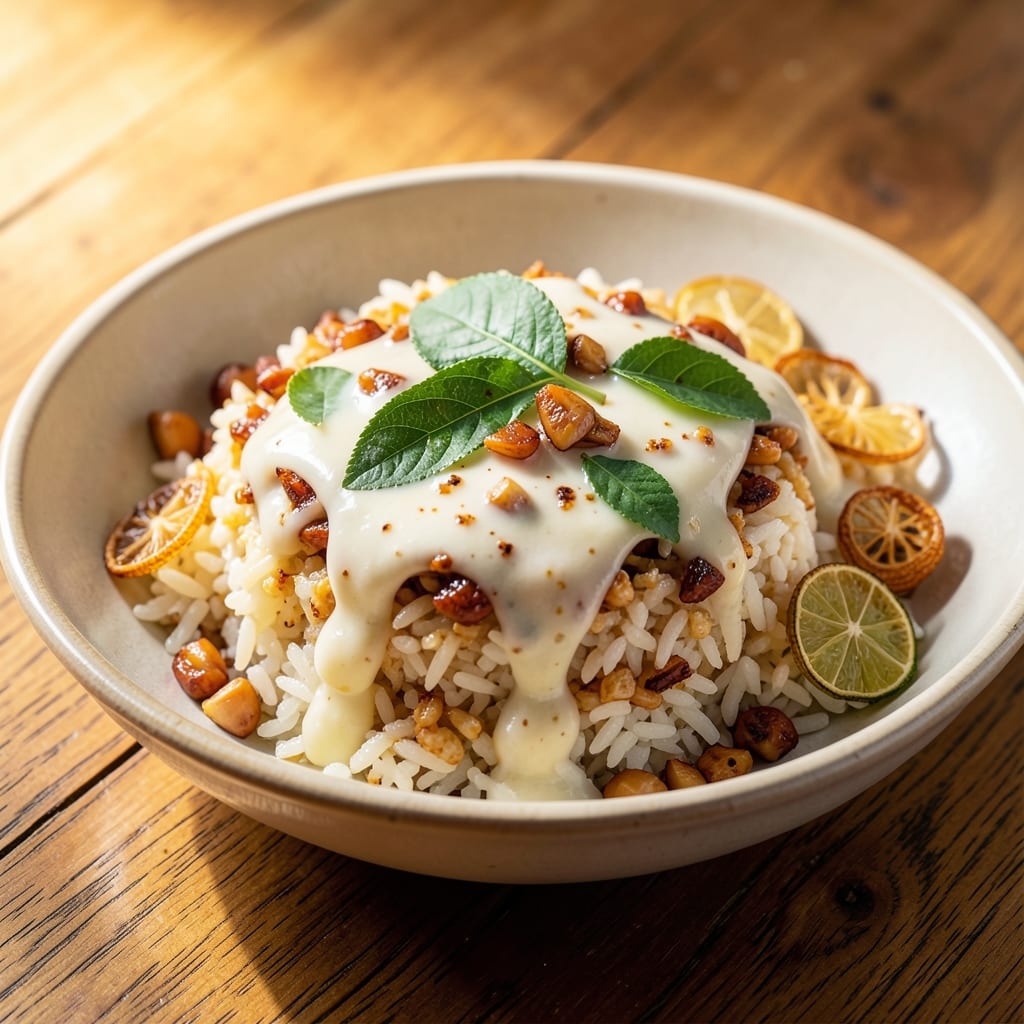
This Asian coconut rice recipe transforms simple jasmine rice into a fragrant, golden dish infused with the rich aroma of coconut milk and warm spices. The key lies in balancing sweetness and savory depth—coconut milk's creaminess pairs perfectly with garlic, ginger, and lemongrass, creating a dish that's both comforting and vibrant. I developed this version after testing multiple methods, ensuring the rice stays tender yet fluffy while absorbing every layer of flavor.
The process begins with toasting aromatic spices in coconut oil, releasing their natural oils before adding rice and broth. This method builds flavor from the ground up, avoiding the need for excessive seasoning. The coconut milk simmers gently, ensuring the rice absorbs its richness without becoming mushy. For authenticity, I incorporate a touch of palm sugar and kaffir lime leaves, which add a bright, citrusy note that cuts through the richness.
What you'll end up with is a golden, fragrant rice dish that's versatile enough to serve as a side or main course. Each grain remains distinct yet infused with coconut's velvety texture and the subtle warmth of spices. This recipe works beautifully alongside grilled fish, curries, or stir-fried vegetables, making it a staple for Asian-inspired meals. The best part? It's easier than it looks, with minimal prep and hands-off cooking.
For those looking to customize, swap jasmine rice for basmati or even short-grain varieties, and adjust the coconut milk ratio for creamier or lighter results. The dish keeps well in the fridge for up to 3 days, making it perfect for meal prep. Let's get started—your kitchen will smell like a tropical paradise in no time.
Ingredients for asian coconut rice
Jasmine rice, coconut milk, and fragrant spices—all you need for this aromatic, golden dish.
| Ingredient | Amount | Notes |
|---|---|---|
| Jasmine Rice 🍚 | 1 ½ cups | Uncooked, long-grain preferred |
| Coconut Milk 🥥 | 1 can | Full-fat, 13.5 oz can |
| Coconut Oil 🫒 | 2 tbsp | Refined for neutral flavor |
| Garlic Cloves 🧄 | 4 cloves | Minced, fresh preferred |
| Fresh Ginger 🌿 | 1 ½ tbsp | Grated, peeled root |
| Kaffir Lime Leaves 🍃 | 2 whole | Torn into strips, fresh |
| Palm Sugar 🍯 | 1 tbsp | Or sub light brown sugar |
| Vegetable Broth 💧 | 2 cups | Low-sodium preferred |
| Ground Cinnamon 🌶️ | ½ tsp | Freshly ground preferred |
| Ground Coriander 🌿 | ½ tsp | Freshly ground preferred |
| Salt 🧂 | ½ tsp | Kosher or sea salt |
| Lemongrass 🌿 | 2 cloves | Bruised, outer leaves removed |
| Black Pepper 🌶️ | ¼ tsp | Freshly ground preferred |
| Lime Juice 🍋 | 1 tbsp | Freshly squeezed |
The coconut milk is non-negotiable here—full-fat canned coconut milk gives that creamy texture, but Trader Joe's or Thai Kitchen brands are my go-tos for the best flavor. If you can't find kaffir lime leaves, substitute lime zest plus a splash of lime juice—it won't be identical, but it works. Fresh ginger and lemongrass are worth the trip to the Asian market, but the frozen sections at Costco or Whole Foods usually have pre-grated ginger that's just as good. The jasmine rice should be long-grain and uncooked—short-grain will get too sticky.
No palm sugar? Light brown sugar or coconut sugar works perfectly—just use the same amount. Running out of lemongrass? Substitute 1 tsp lemongrass paste (found in Asian markets) or even a pinch of citronella essential oil (use sparingly!). The vegetable broth can be swapped for water, but low-sodium is key—you don't want to overpower the delicate flavors. For the spices, toast the whole cinnamon stick and coriander seeds in the coconut oil first if you have them—it makes the whole dish smell like heaven.
The cooked rice keeps beautifully in an airtight container for 3-4 days in the fridge, and it actually tastes better the next day as the flavors meld. If you make extra, freeze portions for up to 3 months—just reheat with a splash of water or coconut milk to restore moisture. I always double the batch because it disappears fast—perfect for meal prep. The lime juice at the end? Add it fresh after reheating for that bright, zesty kick.
Why You'll Love This Recipe
- I’ll be real: I make this on Sundays because the second batch is even better. The rice dries out just enough to soak up sauces, and the coconut flavor deepens overnight. My kids don’t even notice when I serve it cold—proof it’s a winner no matter what.
- One-Pot Magic: I swear by this—just toss everything into one pot, simmer, and walk away. No fancy layers, no constant stirring, no stress. The jasmine rice soaks up that rich coconut milk while the garlic and ginger mingle in the oil, building flavor hands-free.
- Creamy Without Guilt: That velvety coconut milk makes it feel indulgent, but it’s secretly my budget-friendly secret weapon. The toasted coconut oil adds a nutty depth, and the ginger? It’s the little kick that keeps me coming back—like a hug in every bite.
- Lunchbox Hero: Between us, this is my go-to for meal prep. The rice stays fluffy for days, and the coconut aroma keeps lunches exciting. Pack it with grilled chicken or tofu, and suddenly you’ve got a week’s worth of effortless, restaurant-worthy meals.
Step-by-step instructions for Asian coconut rice
Here's how to make fragrant, golden coconut rice with aromatic spices and creamy texture.
Toast the Spices and Aromatics
Heat the 2 tablespoons coconut oil in a medium saucepan over medium heat. Add the 2 cloves lemongrass (bruised), 4 cloves minced garlic, and 1.5 tablespoons grated fresh ginger. Sauté for 2-3 minutes until the garlic becomes fragrant and just begins to turn golden—this builds the aromatic foundation.
Add the 2 whole kaffir lime leaves (torn into strips), 0.5 teaspoon ground cinnamon, and 0.5 teaspoon ground coriander. Stir for 30 seconds until the spices release their aroma. You'll notice the kitchen fill with a warm, citrusy scent—this is where the magic starts. Remove the pan from heat and set aside for now.
Rinse and Parboil the Jasmine Rice
Rinse the 1.5 cups jasmine rice under cold water until the water runs clear. This removes excess starch and prevents gummy rice. Drain well in a fine-mesh strainer and transfer to the same saucepan with the toasted aromatics.
Add the 2 cups vegetable broth and bring to a boil over high heat. Once boiling, immediately reduce heat to low, cover the pan with a tight-fitting lid, and let it simmer for 10 minutes. This parboiling step ensures each grain absorbs the coconut milk flavor evenly later.
Infuse with Coconut Milk and Sugar
Open the lid and stir in the 1 can coconut milk (do not shake it first—let the cream separate naturally). Add the 1 tablespoon palm sugar, 0.5 teaspoon salt, and 0.25 teaspoon black pepper. Stir gently to combine, being careful not to break up the rice grains.
Return to low heat and cook uncovered for 5-7 minutes, stirring occasionally, until the liquid reduces slightly and the rice begins to absorb the coconut milk. You'll see the rice turn a beautiful golden hue—this is when the coconut flavor really starts to develop. Remove from heat and let it sit covered for 5 minutes.
Finish with Lime Juice and Rest
After the resting period, gently fluff the rice with a fork. Stir in the 1 tablespoon lime juice until evenly distributed. The bright citrus note balances the richness of the coconut milk beautifully. Taste and adjust seasoning if needed—you might want to add a pinch more salt to complement the coconut flavor.
Transfer to a serving dish and let it rest for an additional 5 minutes before serving. The rice will continue to steam slightly, becoming even more fragrant. For best results, serve immediately while still warm—this aromatic rice pairs perfectly with grilled meats, curries, or fresh vegetables.
Pro Tips For Making Asian Coconut Rice
- Toast the Garlic: Sauté those minced garlic cloves in coconut oil until they’re golden, not just fragrant—this adds depth the recipe won’t have otherwise. I used to skip this, and the flavor was always just there, not popping in every bite.
- Rinse Rice Twice: Jasmine rice needs a good rinse—swirl it in cold water until the water runs nearly clear. This removes excess starch so your rice stays separate and doesn’t turn into a gluey mess. (Yes, even if it feels like overkill.)
- Simmer Gently After Adding Milk: Once the coconut milk hits the pot, drop the heat to a barely simmer—no boiling, no splattering. I learned this the hard way when my rice turned out curdled and sad. Low and slow keeps the texture creamy, not broken.
- Use Full-Fat Coconut Milk: Light coconut milk won’t cut it here—go for the canned full-fat version (the kind with a creamy layer on top). It’s richer, thicker, and makes the rice taste like it was made with intention, not shortcuts. (And no, the extra fat doesn’t ruin anything.)
Pro cooking tips for perfect results
Spice Toasting Secrets
Toast your spices and aromatics in coconut oil over medium heat for just 2-3 minutes—this releases their essential oils and builds depth. I always use freshly ground cinnamon and coriander (not pre-ground) for maximum aroma. The key is to remove the pan from heat as soon as you smell that warm, citrusy fragrance—overcooking burns the spices and ruins the delicate balance. 🌶️
Rice Rinsing Ritual
Rinsing jasmine rice until the water runs clear removes excess starch, which prevents gummy rice. I use a fine-mesh strainer and swish the rice gently under cold water for 30 seconds—don't skip this step! After draining, let the rice sit in the strainer for 1 minute to dry slightly before adding it to the pot. This ensures even cooking and better absorption of the coconut milk.
Coconut Milk Technique
Never shake the coconut milk can before opening—this separates the cream from the water. Instead, pour it directly from the can, letting the cream settle naturally. For extra richness, I add ½ cup of the thick cream from the top of the can to the rice after cooking. This creates a golden, velvety texture without making the rice mushy. Stir gently to avoid breaking the grains.
Low-and-Slow Simmering
After adding the coconut milk, cook the rice uncovered on low heat for 5-7 minutes, stirring occasionally. This slow reduction allows the rice to absorb the coconut flavor evenly while maintaining its texture. Watch closely—the moment the rice turns golden and the liquid reduces slightly, it's ready. Overcooking here will turn your rice into porridge. 🔥
Resting for Perfection
Let the rice rest covered for 5 minutes after cooking—this allows the steam to redistribute and the flavors to meld. I always fluff it gently with a fork before adding the lime juice, which brightens the dish and cuts through the richness. For best results, serve immediately, but if you must wait, keep it warm in a 200°F oven for up to 30 minutes.
Lime Juice Finish
Add the lime juice right before serving—this final step balances the coconut's sweetness with a tangy kick. I squeeze the lime over the rice while it's still warm to maximize flavor infusion. If you're serving this as a side, garnish with a few kaffir lime leaves or a sprinkle of toasted coconut flakes for an elegant touch. The contrast of textures and flavors makes this dish unforgettable. ✨
Nutrition facts
Frequently asked questions
Can I use basmati rice instead of jasmine?
Both jasmine and basmati work beautifully in this recipe, though jasmine has a naturally fragrant aroma that pairs perfectly with coconut milk. For basmati, use the same ratio and rinse thoroughly to remove excess starch. The grains will be slightly firmer but still absorb the coconut flavor wonderfully.
How do I make this recipe dairy-free?
This recipe is naturally dairy-free, but if you're avoiding coconut products entirely, you can substitute the coconut milk with full-fat canned coconut cream (same method) or use a 1:1 ratio of unsweetened almond milk + 1 tbsp coconut oil for a lighter version. The texture will be less rich, but the aromatic spices will still shine.
Why does my rice turn out mushy?
Mushy rice usually happens from overcooking or not rinsing the rice properly. Always rinse until the water runs clear to remove excess starch, and follow the low-and-slow simmering method—never let the rice boil vigorously after adding coconut milk. For extra insurance, reduce the broth by ¼ cup if your rice tends to absorb liquid quickly.
What's the best way to reheat leftover coconut rice?
Reheat gently in a skillet over low heat with 1-2 tbsp water or coconut milk to restore moisture. Cover and let it steam for 2-3 minutes, then fluff with a fork. For microwave reheating, sprinkle 1 tsp water over the rice, cover with a damp paper towel, and heat for 1 minute at 50% power. Avoid reheating multiple times to prevent dryness.
Can I make this in an Instant Pot?
Yes! Use the Sauté function to toast the spices, then add rice, broth, and coconut milk. Cook on High Pressure for 3 minutes, followed by a 5-minute natural release. Finish with lime juice and fluff gently. The Instant Pot version cooks faster but may need 1 extra tbsp coconut milk to prevent dryness. The flavor will still be rich and aromatic!