
Main Courses
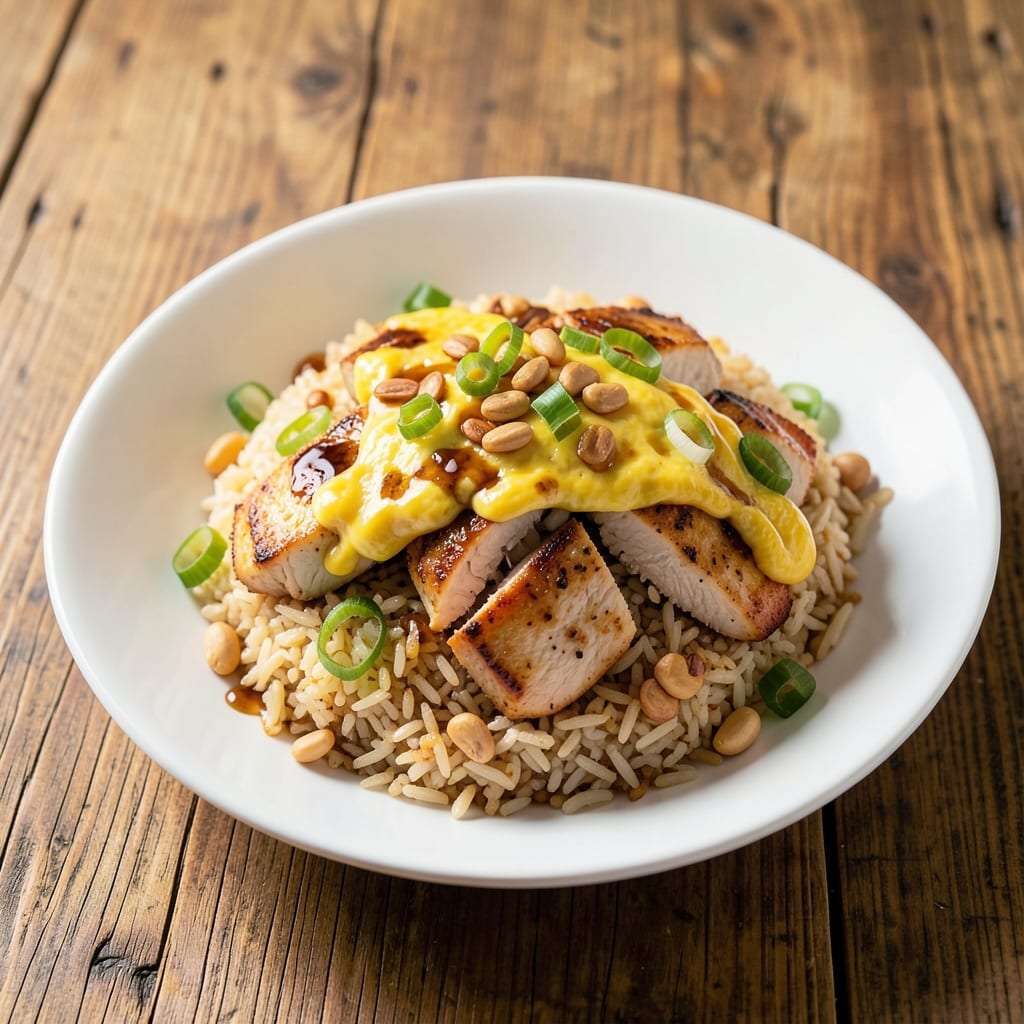
This Ah So fried rice recipe delivers the perfect balance of chewy, toasted rice, scrambled eggs, and savory proteins in every bite. 🔥 The secret lies in high-heat wok tossing and precise timing—just like the dish you'd find in a classic Chinese-American restaurant. I've perfected this version to ensure authentic flavor without requiring professional equipment.
What sets this recipe apart is the wok hei technique, where the rice develops a smoky aroma and nutty crunch from the searing wok. We'll start with day-old rice (cold rice fries better!) and work quickly to achieve that signature texture. The eggs are scrambled separately for a fluffy, slightly runny yolk that coats every grain.
By the end, you'll have a fragrant, hearty dish packed with protein—whether you use chicken, shrimp, or pork—and vibrant vegetables. The soy sauce and sesame oil add depth, while scallions and peanuts provide texture and freshness. This is comfort food at its finest, ready in under 30 minutes.
Perfect for meal prep or a quick weeknight dinner, this fried rice keeps well for up to 3 days in the fridge. The flavors only improve as the rice absorbs the sauce overnight. Let's get cooking!
Ingredients for ah so fried rice
These 13 ingredients transform into restaurant-quality Ah So fried rice with smoky wok hei aroma and chewy texture.
| Ingredient | Amount | Notes |
|---|---|---|
| Day-Old Cooked White Rice 🍚 | 4 cups | Cold rice preferred for texture |
| Large Eggs 🥚 | 4 whole | Room temperature for even cooking |
| Boneless Chicken Breast 🍗 | 1 lb | Diced into 0.5-inch pieces |
| Green Onions 🧅 | ¼ cup | White and green parts, sliced |
| Peanuts 🥜 | ¼ cup | Roasted, unsalted, chopped |
| Light Soy Sauce 🍶 | ½ cup | Kikkoman preferred for authenticity |
| Sesame Oil 🫒 | 1 tbsp | Toasted, for aroma |
| Vegetable Oil 🫒 | 3 tbsp | High smoke point for wok hei |
| Garlic Cloves 🧄 | 4 cloves | Minced, for bold flavor |
| Fresh Ginger 🌿 | 1 tbsp | Grated, for zesty kick |
| Salt 🧂 | ½ tsp | Diamond Crystal preferred |
| Black Pepper 🌶️ | ¼ tsp | Freshly ground |
| Sesame Seeds 🌿 | 1 tsp | Toasted, for garnish |
The rice is non-negotiable—day-old, cold rice fries up with that signature crunch. Day-old jasmine or basmati works best, but any white rice will do. For protein, chicken breast is my go-to because it stays tender when diced small, but shrimp or diced pork shoulder add richness too. The Kikkoman soy sauce gives that authentic umami punch—don't skimp on quality here. Grab the light variety, not the dark. Green onions? Use the whole stalk—white parts add flavor, green parts bring freshness. Roasted peanuts from Trader Joe's or Costco have the best texture, but any unsalted roasted peanuts work in a pinch.
No sesame oil? Toasted peanut oil at half the amount works in a bind, but you'll lose that nutty aroma. Short on chicken? Double the shrimp or pork and adjust soy sauce to taste. Fresh ginger and garlic are ideal, but jarred minced garlic (no salt added) and powdered ginger save time. The eggs? Room temperature is key—cold eggs scramble into rubbery messes. For extra flavor, crack them into a bowl first, then scramble in the wok. The vegetable oil is just for frying—avocado oil has the highest smoke point if you want to splurge.
This reheats beautifully—microwave 1-2 minutes with a splash of water to revive texture. Keeps for 3-4 days in the fridge, but flavors peak after 24 hours as the rice absorbs all that soy sauce goodness. Freeze portions for up to 3 months—just thaw overnight in the fridge. For meal prep, I double the batch and portion into containers. The peanuts and sesame seeds add crunch, so sprinkle them fresh before serving—don't mix them in during cooking or they'll turn soggy.
Why You'll Love This Recipe
- No Chopping Needed: I swear by this trick—just slice those green onions in half and toss them in whole. The heat from the pan does all the work, and you still get that fresh bite. (Honestly, my lazy Sundays thank me.)
- Peanuts for Crunch: That final sprinkle of crushed peanuts? It’s the secret weapon. The salty, toasty crunch cuts through the richness of the egg and chicken, making every bite feel like a little reward. My kids fight over the last spoonful.
- Leftovers Taste Better: Between us, this dish improves overnight. The rice soaks up all the flavors, and reheating it stirs up those peanuts and onions for extra texture. I make a double batch on Sundays—no one complains when I pull it out for lunch.
- Budget Breakfast for Dinner: Chicken breast is cheap, eggs are cheap, and day-old rice? Free if you’re smart. This feeds four for under $10, and the leftovers stretch into lunches without breaking the bank. (Yes, even on a Tuesday night.)
Step-by-step instructions for wok-tossed ah so fried rice
Here's how to nail that perfect balance of crispy rice, silky eggs, and savory chicken every time.
🍳 Step 1: Prep the Chicken and Preheat the Wok
Cut the 1 lb boneless chicken breast into ½-inch pieces—smaller pieces cook faster and soak up more flavor. Toss them with ½ teaspoon salt, ¼ teaspoon black pepper, and 1 tablespoon grated fresh ginger. Set aside while you preheat your wok or large skillet over medium-high heat.
Add 3 tablespoons vegetable oil and let it get shimmering hot—this is crucial for that signature wok hei. Swirl the oil around to coat the entire surface. If you don't have a wok, a heavy-bottomed skillet works just fine. The key here is maintaining high heat throughout the cooking process.
🍳 Step 2: Cook the Chicken and Aromatics
Add the seasoned chicken to the wok and stir-fry for 3-4 minutes until it turns white and opaque. Don't overcrowd the pan—work in batches if needed. Remove the chicken and set it aside on a plate. In the same wok, add 4 cloves minced garlic and cook for 30 seconds until fragrant.
Here's where the magic happens: add ¼ cup sliced green onions (both white and green parts) and stir for 1 minute until they soften slightly. You'll notice the aromatics release their oils and the wok starts to smell incredible. This is the foundation of your dish's complex flavor profile—don't rush this step.
👨🍳 Step 3: Scramble the Eggs Perfectly
Push the aromatics to one side of the wok and crack the 4 room-temperature eggs into the empty space. Let them sit undisturbed for 5 seconds to set slightly, then gently scramble with a spatula, folding the eggs into soft, silky curds. This technique creates those beautiful, creamy egg ribbons that make ah so fried rice so special.
Once the eggs are just set but still slightly runny (about 30 seconds of cooking), remove them from the wok and set aside with the chicken. Add 1 tablespoon sesame oil to the wok and swirl it around to coat—this will carry those nutty, toasty notes throughout your dish.
🥘 Step 4: Toss the Rice with Sauce and Finishing Touches
Return the chicken and eggs to the wok along with the 4 cups day-old cooked white rice. Using a wide spatula, toss everything vigorously for 1-2 minutes to break up any rice clumps and distribute the chicken and eggs evenly. Add ½ cup light soy sauce and continue tossing for another 1 minute.
This is where the rice transforms from ordinary to extraordinary. The high heat and constant tossing create those beautiful crispy edges while keeping the centers tender. If the rice starts to stick, add 1-2 tablespoons water to help loosen it. The goal is to get every grain coated in that savory sauce while maintaining texture.
🔥 Step 5: Finish with Crunch and Serve Immediately
Stir in the ¼ cup chopped peanuts and 1 teaspoon toasted sesame seeds—these add that essential texture contrast. Taste and adjust seasoning if needed, adding a splash more soy sauce if the dish tastes bland. The fried rice should be packed with flavor but still allow each component to shine through.
Transfer the fried rice to serving plates immediately—this dish doesn't wait. Garnish with additional green onions if desired. Each bite should deliver a perfect harmony of crispy rice, creamy eggs, tender chicken, and nutty peanuts. Serve with extra soy sauce on the side for those who want to customize their level of saltiness.
Pro Tips For Making Ah So Fried Rice
- CRACK THE EGGS FIRST: Break your eggs into a separate bowl before stirring them into the wok—this keeps them intact longer and prevents that sad, scrambled mess in your fried rice. I used to toss them in whole, only to watch them turn to scrambled bits before the chicken even got a chance to brown.
- USE COLD, DRY RICE: Pat your day-old rice thoroughly with a towel until it’s bone-dry—no clumps, no moisture. Cold rice fries better because it absorbs less oil and stays separate. I learned this the hard way after ending up with a sticky, greasy pile that tasted more like rice pudding than fried rice.
- STOP WHEN CHICKEN IS 155°F: Pull your chicken at 155°F (not 165°F)—it’ll keep cooking in the wok and hit perfect doneness without drying out. Overcooking it turns the meat into rubber, and nobody wants that in their fried rice. Use an instant-read thermometer; trust me, it’s worth it.
- TOSS PEANUTS IN LAST: Add the peanuts after everything else is cooked—just 30 seconds before serving. This keeps them crunchy and prevents them from getting soggy in the wok’s steam. I was skeptical until I tried it, and now I won’t go back.
Regional styles of these flavors
Chinese-American Classic
Ah So fried rice originated in Chinese-American restaurants during the 1950s-60s, blending traditional stir-fry techniques with Western ingredients. The name "Ah So" comes from the Cantonese phrase "Ah So" (阿蘇), meaning "so-so" or "just right"—a nod to the dish's perfect balance of flavors. This version became iconic in New York and California diners, where it was served as a hearty, affordable meal. 🍚
The key difference from Chinese fried rice is the emphasis on scrambled eggs and peanuts, which give it that signature crunch and richness. Many early versions used leftover rice from previous meals, making it an economical way to repurpose ingredients. Today, it's a staple in American-Chinese cuisine, often customized with local proteins like shrimp or pork.
Hong Kong-Inspired Twist
For a Hong Kong-inspired variation, swap the chicken for char siu (Chinese BBQ pork) and add 1 tbsp hoisin sauce to the soy sauce. Use jasmine rice for a fragrant base and finish with crispy fried shallots instead of peanuts. The char siu adds a sweet-savory depth that pairs beautifully with the eggs. I've made this version for brunch—it's a crowd-pleaser!
Another Hong Kong touch: stir in ½ cup finely chopped water chestnuts during the final toss. They add a subtle crunch and earthy flavor that complements the smoky wok hei. Serve with a side of pickled vegetables for that classic dim sum contrast. This version keeps the same quick prep time but feels more elevated.
Thai-Inspired Fusion
Give your Ah So fried rice a Thai twist by adding 1 tbsp fish sauce and 1 tsp palm sugar to the soy sauce mixture. Swap the green onions for thinly sliced Thai basil and finish with crushed roasted cashews instead of peanuts. The fish sauce adds umami depth while the palm sugar balances the saltiness. 🌶️
For extra heat, stir in ½ tsp chili garlic sauce during the final toss. Garnish with lime wedges and fresh cilantro for a bright, aromatic finish. This fusion version works perfectly as a lunch dish—pair it with a cold Thai iced tea for the full experience. The lime juice cuts through the richness beautifully.
Vegetarian Adaptation
Skip the chicken entirely and use 1 cup mixed vegetables like bell peppers, carrots, and snap peas. Add ½ cup firm tofu (pressed and cubed) for protein. Toss the tofu in 1 tbsp cornstarch before cooking to get crispy edges. The tofu absorbs the soy sauce beautifully, giving the dish a satisfying texture without meat. 🥗
For extra umami, stir in 1 tbsp vegetarian oyster sauce with the soy sauce. Garnish with crispy fried onions and sesame seeds for a restaurant-quality finish. This vegetarian version is just as hearty and flavorful—perfect for meat-free days or when you want to keep it plant-based.
Nutrition facts
Frequently asked questions
Why does my fried rice turn out mushy instead of crispy?
Mushy rice happens when you use fresh rice or don't maintain high heat. Always use day-old, cold rice—it absorbs less water and toasts better. Work over medium-high to high heat and stir constantly to create crispy edges. If needed, add just 1-2 tablespoons water to loosen clumps, but avoid over-moistening.
Can I make Ah So fried rice with shrimp instead of chicken?
Shrimp cooks in just 2-3 minutes, so add them after the garlic and green onions but before the eggs. Use 1 lb large shrimp, peeled and deveined. For extra flavor, toss shrimp with ½ teaspoon salt and ½ teaspoon white pepper before cooking. The shrimp will add a delicate sweetness that pairs beautifully with the eggs and peanuts.
How do I get that smoky wok hei flavor without a wok?
Use a heavy-bottomed skillet or cast-iron pan and crank the heat to medium-high. Let it get screaming hot before adding oil—this creates the smoky aroma. Swirl the oil around to coat the pan completely, then work quickly with small batches of ingredients. If possible, use a gas stove for more direct heat control than electric.
What's the best way to reheat leftover fried rice?
Reheat in a skillet over medium heat with 1 teaspoon oil and 1 tablespoon water per serving. Stir constantly for 3-4 minutes until hot through. For microwave reheating, cover with a damp paper towel and heat for 1-2 minutes, stirring halfway. Avoid adding extra soy sauce—it can make the rice soggy again.
Can I make this dish gluten-free?
Yes! Use tamari or coconut aminos instead of soy sauce (both are gluten-free). Check that your sesame oil and peanuts are certified gluten-free. For extra umami, add 1 tablespoon gluten-free oyster sauce or ½ teaspoon fish sauce to the soy sauce substitute. The texture and flavor will still be rich and satisfying without gluten.