
Side Dishes
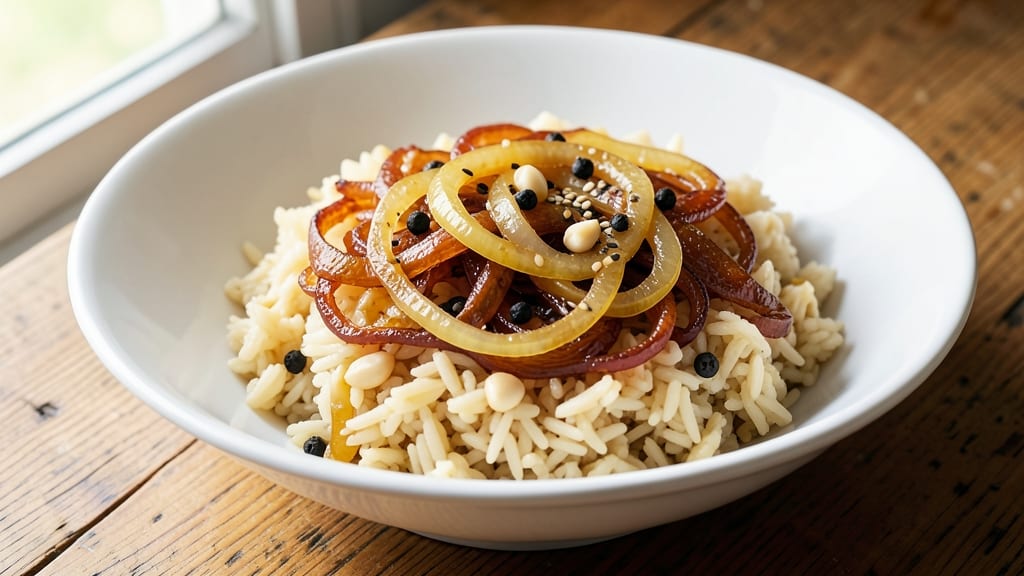
Alton Brown’s rice recipe transforms basic grains into restaurant-quality side dishes that are fluffy, perfectly seasoned, and foolproof every time. The secret lies in precise ratios, gentle cooking techniques, and a touch of acidity that prevents mushy results.
I’ve adapted his signature methods to create a version that’s both approachable for home cooks and impressive enough for dinner guests.
What sets this recipe apart is the two-step cooking process—first toasting the rice in oil to develop nutty depth, then simmering it in just the right amount of liquid. Alton’s approach eliminates guesswork, ensuring each grain remains distinct and tender.
The addition of a splash of lemon juice at the end brightens the flavor while keeping the texture light and airy.
By the time you serve this rice, you’ll have a dish that’s golden at the edges, fluffy in the center, and infused with subtle aromatics. It pairs beautifully with proteins like grilled chicken or roasted salmon, acting as a neutral yet flavorful foundation that lets the main course shine.
The best part? This method works with any white or long-grain rice, making it versatile for countless meals.
Ready to master the art of perfect rice? This recipe delivers consistent, professional results without requiring advanced skills or expensive equipment. Let’s get started with a technique that’s as reliable as it is delicious.
Ingredients for alton brown rice
Precision measurements and aromatic bases create restaurant-quality rice with minimal effort.
| Ingredient | Amount | Notes |
|---|---|---|
| Long-Grain White Rice 🍚 | 1 cup | Jasmine or basmati preferred |
| Unsalted Butter 🧈 | 2 tbsp | Full-fat for optimal flavor |
| Extra-Virgin Olive Oil 🫒 | 1 tbsp | Light, fruity variety |
| Yellow Onion 🧅 | ¼ whole | Finely diced, sweet variety |
| Garlic Cloves 🧄 | 2 cloves | Minced, fresh preferred |
| Chicken or Vegetable Broth 🍲 | 1 ½ cups | Low-sodium preferred |
| Fresh Lemon Juice 🍋 | 1 tbsp | Bright, freshly squeezed |
| Diamond Crystal Kosher Salt 🧂 | ½ tsp | Fine grain preferred |
| Freshly Ground Black Pepper 🌶️ | ¼ tsp | Cracked peppercorns preferred |
| Fresh Parsley Leaves 🌿 | ¼ cup | Chopped, for garnish |
| Bay Leaves 🍃 | 1 whole | Dried, for infusion |
The rice selection is critical—jasmine or basmati deliver the ideal balance of texture and aroma. For optimal results, source long-grain rice from specialty stores like Whole Foods or Trader Joe's, where you'll find varieties with consistent grain length. The butter and olive oil combination creates a flavorful base; European-style unsalted butter (like Plugrá) adds richness without overpowering, while a light, fruity olive oil (such as Colavita) enhances the nutty notes developed during toasting. Fresh garlic and onion should be vibrant and firm, with no signs of sprouting or discoloration—sweet yellow onions like Vidalia work best for subtle sweetness.
No fresh parsley? Dried parsley at one-third the amount suffices, though fresh adds vibrant color and brightness. Substituting broth? Homemade chicken broth delivers superior depth, but low-sodium vegetable broth works equally well for vegetarian versions. For those without a fine-mesh strainer, cheesecloth or a clean kitchen towel can strain excess liquid effectively. The bay leaves should be dried and whole, not crumbled or powdered—California or Mediterranean varieties impart the most aromatic complexity. If you're short on time, pre-minced garlic (from the refrigerated section) is acceptable, though freshly minced garlic releases more flavor during toasting.
Store cooked rice in an airtight container in the refrigerator for up to 4 days, though texture degrades after 2 days. For longer storage, freeze portions in single-serving containers for up to 3 months—reheat with a splash of water or broth to restore moisture. The lemon juice should be added just before serving to maintain brightness; bottled lemon juice (like ReaLemon) works in a pinch but lacks the same acidity punch. For restaurant-quality results at home, rinse the rice before cooking to remove excess starch, which prevents clumping and ensures each grain remains distinct.
Why You'll Love This Recipe
- I’ve got a secret: this rice is my shortcut to dinner success. No pre-cooking grains, no weird ratios—just toss everything into one pan, let it work its magic, and boom, you’ve got a side that’s actually impressive. The butter and oil caramelize just enough to give those grains a little crispy edge, while the broth keeps them tender. Honestly, it’s the kind of dish where you can prep it while you’re waiting for the pasta to boil or the chicken to roast.
- Here’s what sold me: that final squeeze of fresh lemon juice. It’s the little finish that turns good rice into dangerously addictive rice. The garlic and bay leaves infuse the broth while simmering, but the lemon? That’s the bright pop that cuts through the richness of the butter and makes every bite feel intentional. Trust me, you’ll be reaching for seconds without even realizing it.
Step-by-step instructions for alton Brown’s rice recipe
Here’s the method—simple yet precise, designed to deliver restaurant-quality rice every time.
Sauté Aromatics in Butter and Oil
In a medium saucepan, melt the 2 tbsp unsalted butter over medium heat until it foams. Add the 1 tbsp extra-virgin olive oil and swirl to combine. This high-fat base ensures the rice develops a rich, nutty flavor rather than sticking to the pan.
Add the ¼ finely diced yellow onion and 2 minced garlic cloves, stirring frequently for 3-4 minutes until the onion softens and the garlic becomes fragrant. Watch closely—garlic burns quickly, so keep the heat steady. The onions should turn translucent, and the garlic should release its aroma without browning.
Add the 1 bay leaf and stir for 30 seconds to infuse the aromatics into the fat. This step builds the flavor foundation for the entire dish. Remove the pan from heat briefly if the garlic begins to darken—you’ll see it when it’s ready.
Toast the Rice for Even Cooking
Return the pan to medium heat and add the 1 cup long-grain white rice, stirring constantly for 2 minutes. This toasting step, known as "blooming," helps prevent the rice from clumping and ensures each grain develops a subtle nuttiness. The rice will look dry and slightly glossy as it absorbs the butter and oil.
Here’s the thing—don’t skip this step. Under-toasted rice leads to uneven texture, while over-toasting can make the grains too dry. You’ll know it’s ready when the rice begins to sizzle gently and the edges turn just slightly opaque.
Add the ½ tsp diamond crystal kosher salt and ¼ tsp freshly ground black pepper now, while the rice is hot. This distributes the seasoning evenly throughout the grains as they cook. Stir one final time to combine, then pour in the 1½ cups chicken or vegetable broth.
Simmer for Perfect Texture
Bring the mixture to a gentle boil, then immediately reduce heat to low. Cover the pan tightly with a lid and simmer for 15 minutes without lifting it. This resting period allows the rice to absorb the liquid evenly and develop its signature fluffy texture.
I know it’s tempting to peek, but resist. Every time you lift the lid, you release steam, which disrupts the cooking process and can lead to uneven doneness. Set a timer—15 minutes is critical for achieving the ideal balance of tenderness and bite.
After 15 minutes, turn off the heat but leave the rice covered for an additional 10 minutes. This carryover cooking ensures the grains finish absorbing moisture and steaming fully. The rice should be tender but still hold its shape when stirred gently.
Finish with Lemon and Parsley
Remove the lid and stir in the 1 tbsp fresh lemon juice and ¼ cup chopped fresh parsley. The acidity of the lemon brightens the dish, cutting through the richness of the butter and balancing the flavors. The parsley adds a fresh, herbal note that elevates the final presentation.
Garnish with an extra sprinkle of parsley if desired, but don’t overdo it—the rice should be the star. Fluff the rice gently with a fork to separate the grains and distribute any remaining moisture. Serve immediately while the grains are still warm and tender.
This method guarantees rice that’s light, fluffy, and infused with deep, aromatic flavors—no mushy or undercooked results here. The key lies in the precise timing and the high-fat sauté, which creates a flavorful crust on each grain.
Pro Tips For Making Alton Brown Rice
- Bloom the Garlic Right: I learned this the hard way—garlic burns faster than you think. Keep the heat at medium and stir constantly for those 3-4 minutes with the onions. If it starts to darken, pull the pan off heat for 10 seconds, then go back to medium. You want golden aroma, not bitter smoke.
- Salt the Rice Early: Add that ½ tsp kosher salt right after toasting the rice, not later. The heat helps it cling to every grain, so you don’t end up with bland pockets. Trust me, your future self will notice the difference.
- Resist the Peek: I know, I know—you’ll want to check after 10 minutes. But every time you lift that lid, you’re messing with the steam equilibrium. Set a timer, walk away, and let that rice do its magic undisturbed for the full 15 minutes.
- Use Full-Fat Butter: This isn’t the time to skimp on the 2 tbsp unsalted butter. The fat coats the rice and creates that nutty crust we’re after. If you’re using a lighter butter, you’re missing out on the real flavor payoff.
Serving suggestions for this dish
Protein Pairings
This rice shines alongside grilled chicken breast because the buttery, lemon-infused grains balance the protein’s natural savoriness. I recommend seasoning the chicken with 1 tsp smoked paprika and ½ tsp garlic powder before grilling—it complements the rice’s aromatic base beautifully.
The acidity from the lemon juice also cuts through the richness of the chicken skin, creating a perfect harmony. 🍗
Seafood Combinations
For seafood lovers, pan-seared salmon makes an elegant match. Toss the cooked salmon with 1 tbsp lemon zest, 1 tbsp chopped dill, and a drizzle of honey. The rice’s subtle nuttiness pairs perfectly with the salmon’s delicate flavor, while the parsley garnish adds a fresh contrast.
I like serving it with a side of blistered cherry tomatoes for a pop of color.
Vegetarian Options
A mushroom and spinach stir-fry transforms this rice into a hearty vegetarian dish. Sauté 8 oz cremini mushrooms and 2 cups baby spinach in 1 tbsp olive oil with 1 minced garlic clove until wilted.
Toss with the rice and finish with 1 tsp soy sauce and ½ tsp sesame oil. The earthy mushrooms and vibrant greens elevate the rice’s natural flavors. ✨
Garnish Elevations
Take your rice to the next level with toasted pumpkin seeds or crumbled feta cheese. For a nutty crunch, toast ¼ cup pumpkin seeds in a dry pan over medium heat for 2-3 minutes until golden.
For a salty twist, sprinkle 2 tbsp crumbled feta over the rice just before serving. Both add texture and depth without overpowering the dish.
Presentation Tips
Serve the rice in individual ceramic bowls for a restaurant-worthy presentation. I like adding a drizzle of extra-virgin olive oil and a sprinkle of flaky sea salt like Maldon right before serving.
For extra flair, arrange the rice in a mound with a fork, then gently press down to create a smooth surface. Garnish with a single lemon twist for a pop of color and brightness. 💫
Nutrition facts
Frequently asked questions
Why does Alton Brown’s method use butter and oil instead of just oil?
The combination of 2 tbsp unsalted butter and 1 tbsp extra-virgin olive oil creates a richer flavor profile that prevents the rice from sticking. The butter adds a subtle nuttiness, while the oil enhances moisture absorption and ensures each grain develops a delicate crust. This high-fat base is key to achieving that professional, restaurant-quality texture.
What happens if I skip the "blooming" step when toasting the rice?
Skipping the 2-minute toasting step can lead to uneven cooking and clumping. The toasted rice develops a subtle nuttiness and absorbs flavors more evenly, preventing dry or mushy grains. Under-toasted rice often results in a bland texture, while over-toasting can make the grains too dry—so this step is critical for perfect results.
Can I use regular table salt instead of kosher salt?
Yes, but adjust the amount—½ tsp diamond crystal kosher salt is equivalent to about ¾ tsp table salt. Kosher salt has larger flakes and less density, so using the same measurement would over-salt your rice. Always measure by weight or use the volume conversion to avoid mistakes!
Why does the recipe call for resting the rice after cooking?
The 10-minute rest after simmering allows the rice to fully absorb moisture and steam evenly, creating that perfect fluffy texture. Lifting the lid during cooking releases steam, which disrupts the cooking process—so patience here ensures tender, separate grains without mushiness. It’s a game-changer for restaurant-quality results!