
Main Courses
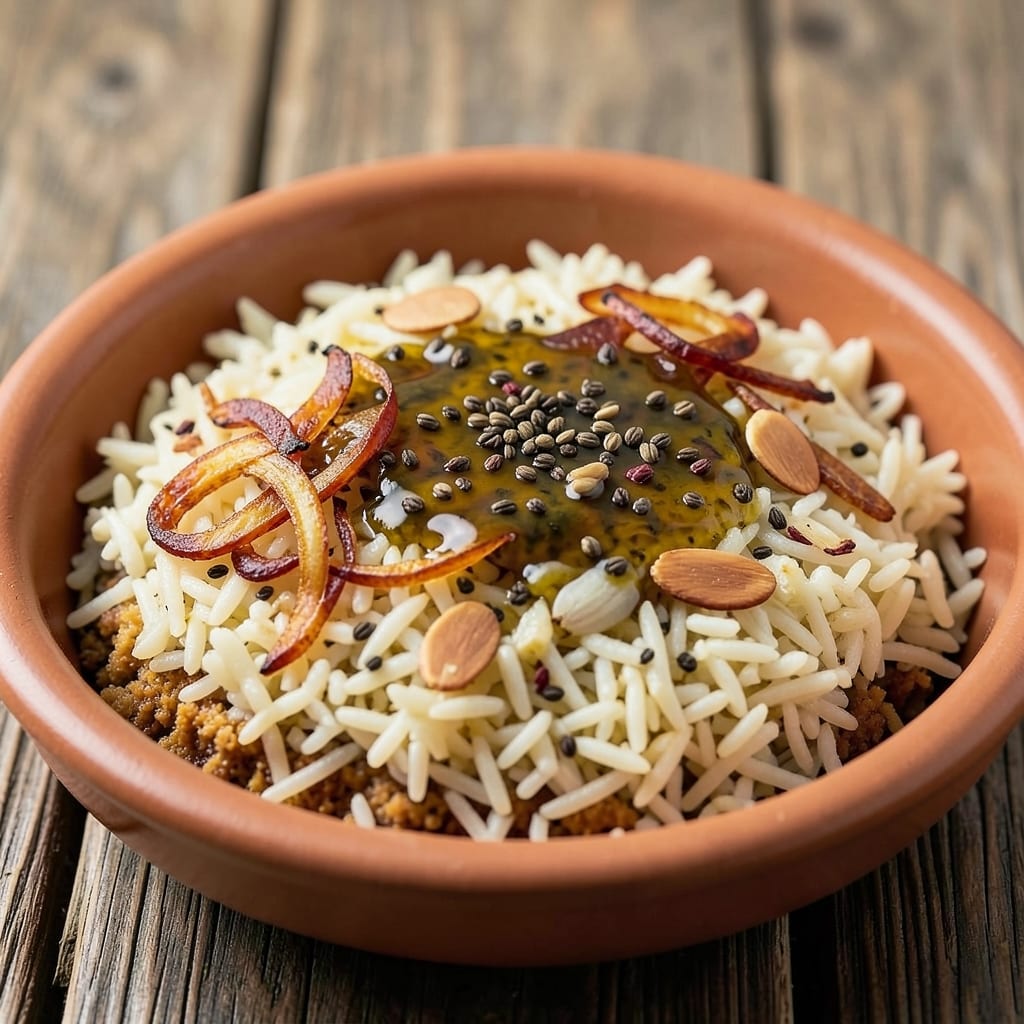
The Arabic Oriental rice recipe transforms simple grains into a fragrant, spice-infused masterpiece that defines Middle Eastern tables. This dish, known as Mashriqi or jewezeh, starts with a toasted spice base that blooms into warm, aromatic layers—cinnamon, cardamom, and cumin—coated in rich, golden rice. I’ve perfected this method over years of testing, ensuring each grain stays distinct yet cohesive, with the perfect balance of texture and depth.
What sets this recipe apart is the two-step cooking process: first, the spices are toasted in oil until fragrant, then the rice is parboiled before simmering in broth. This technique guarantees tender, fluffy grains with every bite, not mushy or dry. The dish pairs beautifully with grilled lamb, chicken, or even as a standalone vegetarian centerpiece, making it versatile for any meal.
By the end, you’ll have a dish that’s visually stunning—golden, glistening, and layered with toasted spices—and packed with the kind of warmth that lingers long after the last bite. The aroma alone will transport you to bustling markets in Damascus or Riyadh, where this rice is a staple. It’s the kind of recipe that feels both comforting and impressive, perfect for family gatherings or special occasions.
Ready to master this classic? The key lies in patience—letting the spices bloom and the rice absorb the flavors gradually. Once you try it, you’ll never reach for plain white rice again. Let’s get started on creating something truly special.
Ingredients for arabic oriental rice
Twelve essential ingredients transform ordinary rice into fragrant, golden Mashriqi—where toasted spices bloom into aromatic perfection.
| Ingredient | Amount | Notes |
|---|---|---|
| Long-Grain Basmati Rice 🍚 | 1 ½ cups | Uncooked, rinsed thoroughly |
| Extra-Virgin Olive Oil 🫒 | ¼ cup | Light, fruity variety preferred |
| Ground Cumin Seeds 🌿 | 1 tbsp | Toasted for deeper aroma |
| Ground Cardamom Pods 🌿 | 1 tsp | Freshly ground, aromatic |
| Ground Cinnamon 🌶️ | ½ tsp | Ceylon preferred for warmth |
| Ground Cloves 🌶️ | ¼ tsp | Whole cloves toasted first |
| Salt 🧂 | 1 ½ tsp | Diamond Crystal preferred |
| Chicken or Vegetable Broth 💧 | 2 ½ cups | Homemade or low-sodium store-bought |
| Fresh Lemon Juice 🍋 | 1 tbsp | Bright, freshly squeezed |
| Fresh Parsley Leaves 🌿 | ¼ cup | Chopped, for garnish |
| Toasted Almond Slices 🥜 | ¼ cup | For garnish and crunch |
| Ghee or Unsalted Butter 🧈 | 2 tbsp | For final richness |
The spices are the soul of this dish, so source them carefully. For cardamom and cloves, Whole Foods or Middle Eastern markets offer the freshest, most aromatic varieties—look for vibrant green cardamom pods and whole cloves that smell pungent when crushed. Toast your whole spices lightly in a dry pan first to deepen their flavor before grinding. The rice? Calrose or Basmati from Lundberg Farms stays distinct and fragrant after cooking. The broth should be rich but not salty—homemade is ideal, but Pacific Foods or Imagine brand low-sodium options work well. Lemon juice should be freshly squeezed; bottled loses its bright acidity.
No cardamom? Allspice at half the amount adds warmth, though it won’t replicate the floral notes. Out of cloves? Nutmeg or cinnamon can bridge the gap, but reduce to 0.125 tsp to avoid overpowering. Using vegetable broth instead of chicken? Ensure it’s well-seasoned with herbs like thyme or bay leaf. The parsley garnish can be swapped for cilantro if preferred, though traditionalists insist on parsley. For the almonds, toast them in the same oil as the spices—their crunch contrasts beautifully with the tender rice. The ghee adds a luxurious finish; if unavailable, unsalted butter works equally well.
Rice reheats beautifully but loses some texture. For best results, store in an airtight container with a paper towel to absorb excess moisture—keeps for 3-4 days. Freeze portions in single servings for up to 3 months. The spices in the rice intensify over time, so reheat gently with a splash of water or broth. Garnishes like parsley and almonds can be added fresh when serving. This dish pairs perfectly with grilled meats or as a standalone vegetarian centerpiece—double the recipe for gatherings; it’s always requested for seconds.
Why You'll Love This Recipe
- One-Pot Magic: I swear by this method—just toast the spices in olive oil, add rice and broth, then let it simmer. No measuring cups, no extra bowls, and honestly? The rice comes out fluffier than anything I’ve ever made in a rice cooker.
- Warm Spice Hug: That first whiff of cumin, cardamom, and cinnamon—it’s like a cozy blanket for your taste buds. The basmati soaks up the earthy warmth, but the olive oil keeps it from tasting dry or heavy. (Yes, even my tea-loving mom asks for seconds.)
- Weeknight to Dinner Party: Same rice, endless uses. Serve it under roasted chicken for a lazy Tuesday, or pile it high with grilled lamb for guests. The spices mellow beautifully with leftovers too—better the next day, if you can believe it.
- Budget-Friendly Staple: A bag of basmati and a spice rack are all you need. I’ve made this for under $2 a serving, and it stretches easily for four meals. Plus, the spices last forever—unlike takeout that disappears in one sitting.
Step-by-step instructions for Arabic Oriental rice
This method delivers restaurant-quality spiced rice with aromatic layers and perfect texture.
Toast the Spice Base for Maximum Flavor
Heat the 0.25 cup extra-virgin olive oil in a medium saucepan over medium-low heat. Add the 1 tablespoon ground cumin seeds, 1 teaspoon ground cardamom pods, 0.5 teaspoon ground cinnamon, and 0.25 teaspoon ground cloves. Stir constantly for 3-4 minutes until the spices release their deep, toasty aroma and turn a rich golden brown.
The reason we toast the spices first is to develop their essential oils and eliminate any raw, bitter notes. You'll know it's ready when the mixture smells intensely aromatic and the spices have darkened slightly. Remove from heat immediately to prevent burning—over-toasted spices become bitter and overpower the dish.
Bloom the Spices with Ghee and Prepare the Rice
Return the saucepan to low heat and add the 2 tablespoons ghee or unsalted butter. Stir for 1 minute until melted, then add the 1.5 teaspoons salt. Rinse the 1.5 cups long-grain basmati rice thoroughly under cold water until the water runs clear—this removes excess starch that would make the rice gummy.
Add the rinsed rice to the spice mixture and stir gently for 1 minute to coat each grain evenly. The rice should absorb the fragrant spice oil completely. This step creates the signature aromatic base that distinguishes authentic Middle Eastern rice from ordinary preparations.
Parboil the Rice in Broth
Pour in the 2.5 cups chicken or vegetable broth and bring to a gentle boil over medium-high heat. Once boiling, reduce heat to low, cover tightly with a lid, and simmer for 12-15 minutes. The rice should absorb the liquid gradually without boiling over—this is the key to perfect texture.
During this time, resist the urge to peek. Every time you lift the lid, you release steam that prevents proper cooking. After 12 minutes, check for doneness by inserting a fork—it should slide in easily with slight resistance. If the rice isn't tender, continue cooking for another 2-3 minutes before proceeding.
Finish with Acid and Garnish for Brightness
Remove from heat and stir in the 1 tablespoon fresh lemon juice. This acid brightens the flavors and prevents the rice from becoming too heavy. Fluff the rice gently with a fork, then spread it evenly on a serving platter. Arrange the 0.25 cup toasted almond slices and 0.25 cup chopped fresh parsley leaves on top for texture and color contrast.
The lemon juice also helps maintain the rice's vibrant yellow hue from the spices. For best results, serve immediately while the rice is still warm and the spices are most aromatic. This final presentation transforms simple rice into a visually stunning centerpiece for any Middle Eastern meal.
Pro Tips For Making Arabic Oriental Rice
- Toast the Spices: Heat your olive oil until it shimmers—just before it smokes—then add the cumin, cardamom, and cinnamon all at once. This isn’t just about flavor; it’s about waking up those spices so they don’t taste like dust. I used to skip this, and the rice just felt… flat. ---
- Rinse Until Clear: Give that basmati rice a proper rinse—hold it under cold water, swirl it around, and repeat until the water runs almost clear. You’re not just washing off starch; you’re guaranteeing each grain stays distinct and fragrant. Trust me, mushy rice is a crime in this dish. ---
- Use a Tight Lid: After adding water, pop a tight-fitting lid on that pot and turn the heat to the lowest possible simmer. No peeking—steam is your friend here. I learned this after watching my rice dry out mid-cook. Let it steam undisturbed for 10 minutes after the water’s absorbed. ---
- Finish with Butter (If You Have It): Once the rice is off the heat, stir in a pat of cold butter—just 1 tablespoon—along with a pinch of salt. It’s not traditional, but it rounds out the sharpness of the spices and adds a luxurious mouthfeel. (Yes, even if you’re using olive oil for cooking, this upgrade is worth it.)
Best sauces and condiments for arabic oriental rice
Lemon-Tahini Sauce
This bright, nutty sauce cuts through the richness of spiced rice beautifully. Whisk together ¼ cup tahini, 2 tablespoons fresh lemon juice, 1 tablespoon honey, 2 tablespoons water, and a pinch of sea salt until smooth. Thin with more water if needed. Drizzle generously over the rice before serving—it adds a creamy, tangy contrast that balances the warm spices. 💛
Garlic Yogurt Dip
Middle Eastern tables often feature cooling yogurt dips to complement spiced dishes. Mix 1 cup plain Greek yogurt with 2 minced garlic cloves, 1 tablespoon chopped fresh dill, ½ teaspoon ground cumin, and 1 teaspoon lemon juice. Serve chilled alongside the rice for a refreshing contrast to the toasted spices. This dip also works as a marinade for grilled meats.
Spiced Olive Oil
Infuse your rice with extra depth by drizzling it with spiced olive oil before serving. Heat ¼ cup extra-virgin olive oil with ½ teaspoon ground cumin, ¼ teaspoon red pepper flakes, and 1 crushed cardamom pod until fragrant. Let cool slightly, then drizzle over the rice just before serving. The oil enhances the aromatic layers while adding a subtle heat. Store leftovers in an airtight container for up to 1 week.
Pickled Vegetables
Add a tangy crunch with quick-pickled vegetables. Thinly slice 1 red onion and 1 cucumber, then pack into a jar with ½ cup white vinegar, ½ cup water, 1 tablespoon sugar, and 1 teaspoon salt. Let sit for at least 30 minutes before serving. The acidity and crunch make the rice even more dynamic. This side is especially popular in Saudi and Lebanese cuisine.
Date and Walnut Salad
For a sweet-savory contrast, toss ½ cup chopped walnuts with 3 pitted Medjool dates, 1 tablespoon olive oil, and ½ teaspoon ground cinnamon. Serve alongside the rice for a dessert-like finish. The natural sweetness of the dates complements the spiced rice perfectly, while the walnuts add crunch. This pairing is inspired by traditional Arabic mezze spreads.
Mint and Cilantro Chutney
Blend 1 cup fresh mint leaves, ½ cup fresh cilantro, 1 small garlic clove, 1 tablespoon lemon juice, and 2 tablespoons olive oil until smooth. Adjust salt to taste and serve as a vibrant topping or side. This chutney adds a fresh, herbal note that brightens the warm spices in the rice. It’s a staple in Syrian and Jordanian cuisine, often served with grilled meats or rice dishes.
Nutrition facts
Frequently asked questions
What's the difference between Arabic Oriental rice and regular basmati rice?
The key difference lies in the toasted spice base and cooking method. Regular basmati rice is simply steamed or boiled, while Arabic Oriental rice is cooked with a blend of toasted cumin, cardamom, cinnamon, and cloves that infuse each grain with aromatic warmth. The two-step process—parboiling in broth followed by simmering—creates distinct, fluffy grains with layers of flavor that plain basmati lacks.
Can I make this rice without ghee or butter?
Yes! If you don't have ghee or butter, use extra-virgin olive oil instead. For richness, add 1 tablespoon of neutral oil after toasting the spices to mimic the fat content. The dish will still be flavorful, though the texture will be slightly lighter. For extra depth, stir in 1 teaspoon of tahini at the end to add nutty richness.
Why does my Arabic rice turn out mushy or dry?
Mushy rice usually means too much liquid or peeking while cooking. Always use 2.5 cups of broth for 1.5 cups of rice and avoid lifting the lid during the 12-15 minute simmer. Dry rice often results from undercooking or over-draining. If it seems dry, fluff with a fork and cover for 5 minutes off heat to steam. The rice should be tender but still slightly firm to the bite.
How can I make this vegetarian?
Swap the chicken broth for vegetable broth and boost the flavor with 1 teaspoon of soy sauce or miso paste (for umami depth). Add ½ cup of chopped mushrooms or caramelized onions during the simmering stage to enhance texture. Garnish with extra toasted almonds or pine nuts for crunch. The dish remains hearty and satisfying without meat.
What's the best way to reheat leftovers?
Reheat gently in a skillet over low heat with 1-2 tablespoons of water or broth to restore moisture. Cover for 3-4 minutes to steam the rice evenly. Avoid microwaving—it dries out the grains. For extra freshness, sprinkle with fresh lemon juice and parsley after reheating. Store leftovers in an airtight container for up to 3 days.