
Main Courses
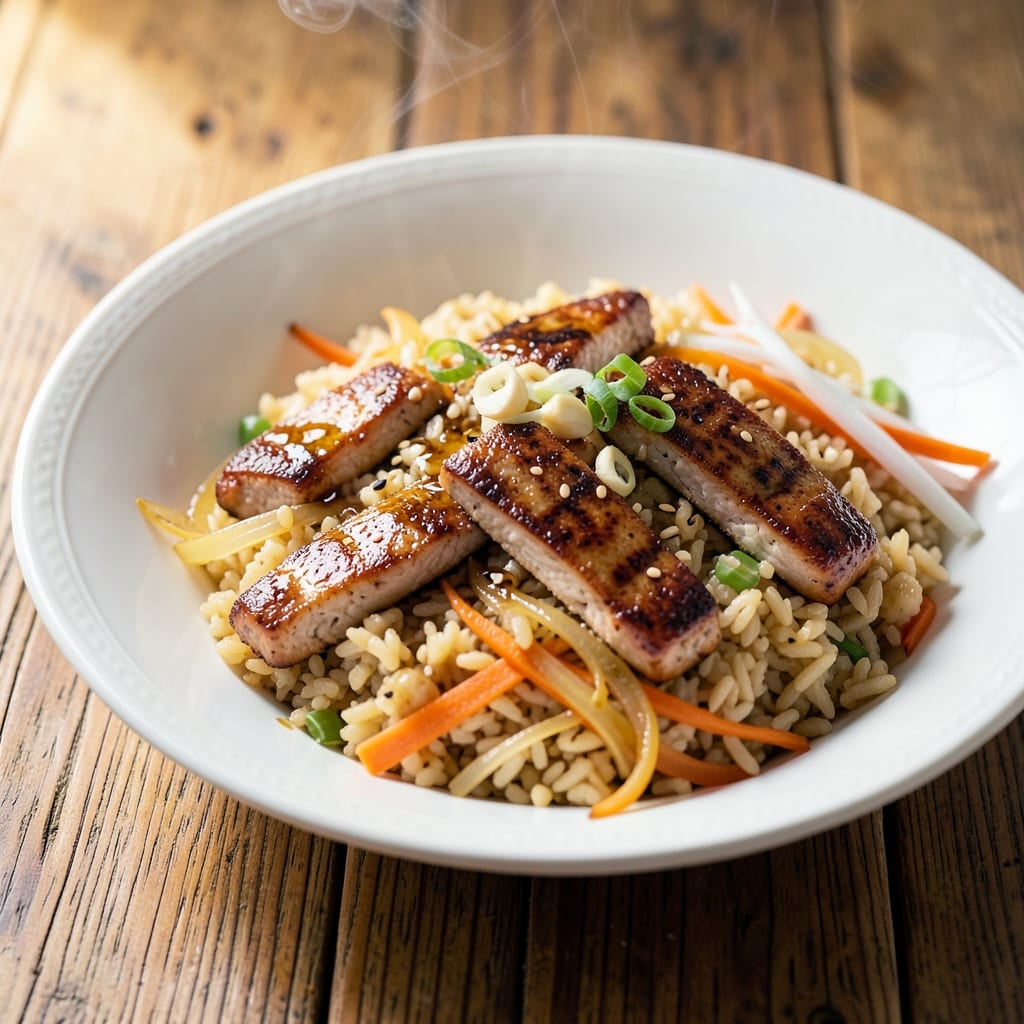
This Arborio fried rice recipe transforms leftovers into a luxurious, wok-tossed masterpiece with creamy texture and distinct chew—no takeout required. The secret lies in using day-old Arborio rice, which absorbs flavors like a sponge while maintaining its signature al dente bite. Unlike jasmine or basmati, Arborio's high starch content creates that coveted creamy crunch when stir-fried with high heat and constant motion.
What sets this recipe apart is the balance of technique and simplicity: 20 minutes from start to finish, yet packed with restaurant-quality depth. We'll start with properly cooked Arborio rice (critical for texture), then build layers of flavor through quick stir-frying with protein—think juicy chicken, shrimp, or crispy tofu—paired with aromatic vegetables and a savory sauce. The key is high heat and rapid tossing to achieve that signature wok hei (breath of the wok) without overcooking.
By the time you plate it, you'll have golden, slightly crispy edges with pockets of creamy rice that cling to every bite, all while maintaining that distinct Arborio texture. The dish is versatile enough for weeknight dinners or impressive gatherings, yet simple enough to master with basic pantry staples. Whether you prefer garlic-herb, spicy Thai, or umami-rich versions, this recipe adapts effortlessly.
The best part? It's a foolproof way to use up leftover Arborio rice—no waste, just elevated flavor. Let's get cooking with this technique that turns a simple rice dish into a standout main course.
Ingredients for arborio fried rice
Day-old Arborio rice plus 13 essential ingredients for restaurant-style fried rice in 20 minutes.
| Ingredient | Amount | Notes |
|---|---|---|
| Day-Old Arborio Rice 🍚 | 4 cups | Cooked and cooled overnight |
| Boneless Chicken Breast 🍗 | 1 ½ lb | Thinly sliced against grain |
| Yellow Onion 🧅 | 1 whole | Thinly sliced, medium size |
| Carrots 🥕 | 2 medium | Julienned into matchsticks |
| Garlic Cloves 🧄 | 5 cloves | Minced for aromatic base |
| Fresh Ginger 🌿 | 1 inch | Peeled and grated finely |
| Eggs 🥚 | 2 large | Beaten for crispy garnish |
| Soy Sauce 🍶 | ½ cup | Light or all-purpose |
| Sesame Oil 🫒 | 1 tbsp | Toasted for aroma |
| Vegetable Oil 🫒 | ¼ cup | High smoke point preferred |
| Green Onions 🧅 | ¼ cup | Thinly sliced for garnish |
| Toasted Sesame Seeds 🌾 | 1 tbsp | For finishing touch |
| Diamond Crystal Kosher Salt 🧂 | 1 tsp | For seasoning |
| Ground Black Pepper 🌶️ | ½ tsp | Freshly cracked |
The Arborio rice is non-negotiable here—its high starch content delivers that signature creamy crunch. Leftover rice is ideal (day-old works best), but if you're cooking fresh, spread it on a tray to dry out for 30 minutes. For the chicken, thinly sliced against the grain ensures even cooking. Look for boneless, skinless breast at Whole Foods or your local butcher—it stays juicier than thigh. The onions and carrots should be julienned into matchsticks for even cooking and maximum wok hei. Fresh ginger and garlic? Penzeys Spices carries premium versions, but the store-brand works fine if you're using it within a month.
No Arborio rice? Jasmine rice is the next best option, though texture won't be identical. Swap chicken for shrimp or tofu—just adjust cooking time (shrimp goes in last 2 minutes, tofu needs pre-frying). The soy sauce can be reduced by half if you prefer less saltiness, but Kikkoman light soy adds depth without overpowering. Sesame oil is aromatic but potent—use just 1 teaspoon if you're sensitive to strong flavors. For the eggs, room temperature beats cold straight from the fridge every time. Need to skip the sesame seeds? Toasted peanuts or cashews add crunch just as well.
Store leftover rice in an airtight container for 4-5 days—it actually improves as it dries. The fried rice reheats beautifully: 30 seconds in a dry skillet over medium heat, stirring constantly to restore that crispy texture. For meal prep, portion into glass containers with a tight seal—microwaves well but loses some crunch. The sauce components (soy, sesame oil) keep indefinitely in the pantry, while fresh ginger and garlic last 2 weeks in the fridge when wrapped tightly. Freeze extras in ice cube trays for single-serving convenience.
Why You'll Love This Recipe
- Here’s what sold me: that crispy-tender Arborio rice with a just-right bite, thanks to the day-old grains. The chicken stays juicy, the carrots stay slightly al dente, and the garlic? Oh, it’s toasted until it’s fragrant but not burnt—like a little flavor bomb in every bite.
- No Chopping Chaos: I swear by this recipe because it’s the only fried rice that doesn’t make me dread dicing carrots into oblivion. The onions and garlic get a quick minced job while the chicken stays in one solid piece until it’s time to shred—no tiny bits flying everywhere.
- Chef’s Kiss Texture: Here’s what sold me: that crispy-tender Arborio rice with a just-right bite, thanks to the day-old grains. The chicken stays juicy, the carrots stay slightly al dente, and the garlic? Oh, it’s toasted until it’s fragrant but not burnt—like a little flavor bomb in every bite.
- Lunchbox Hero: Between us, this is my go-to for meal prep because it reheats like a dream and actually tastes better the next day. Pack it in containers, toss in a side of steamed veggies, and you’ve got a lunch that won’t make your coworkers groan.
Step-by-step instructions for wok-tossed Arborio fried rice
Master this technique and you'll transform day-old Arborio rice into a velvety, wok-tossed masterpiece with perfect texture every time.
Prepare the Chicken and Vegetables for Even Cooking
Slice the 1.5 lb boneless chicken breast against the grain into ¼-inch thick strips. This ensures tender bites that cook through quickly in the hot wok. Pat the chicken dry with paper towels—any moisture will steam instead of sear.
Julienne the 2 medium carrots into matchsticks and thinly slice the 1 whole yellow onion. Mince the 5 cloves garlic and grate the 1 inch fresh ginger using a microplane. Keep all prepped ingredients in separate bowls until ready to use—this is proper mise en place. The ginger should be finely textured, almost paste-like, to infuse flavor without becoming bitter.
Build the Aromatic Base in High Heat
Heat a 14-inch wok or large skillet over high heat until it's smoking hot. Add ¼ cup vegetable oil and swirl to coat the surface evenly. Toss in the chicken strips and cook undisturbed for 2-3 minutes until they develop a deep golden crust. This initial sear locks in juices and builds flavor foundation.
Remove the chicken to a plate and set aside. In the same wok, add the minced garlic and grated ginger—they should sizzle immediately. If they brown too quickly, reduce heat slightly but maintain high temperature. Cook for 30 seconds until fragrant but not colored. Add the thinly sliced onions and julienned carrots, stirring constantly for 2-3 minutes until the onions soften but still retain a slight crunch.
Incorporate the Rice with Perfect Technique
Return the chicken to the wok and add the 4 cups day-old Arborio rice, breaking up any clumps with your spatula. Drizzle the ½ cup soy sauce evenly over the rice mixture. The rice should sizzle and begin to coat with the sauce immediately—this is the moment that matters. Stir-fry vigorously for 3-4 minutes until the rice absorbs the sauce but remains distinct individual grains.
Here's the thing—Arborio rice releases starch when cooled, which creates that signature creamy texture. The high heat and constant tossing distribute this starch evenly throughout the rice. If the mixture looks dry, add 1-2 tablespoons water at a time until you achieve that glossy, moist appearance without making it soggy.
Finish with Eggs and Seasoning for Texture Contrast
Push the rice mixture to one side of the wok, creating space in the center. Add 1 tablespoon vegetable oil and pour in the 2 beaten eggs. Let them sit undisturbed for 10-15 seconds until they begin to set at the edges. Then scramble quickly with a spatula, breaking them into small, soft curds. Mix everything together thoroughly.
Add the 1 tablespoon toasted sesame oil and season with the 1 teaspoon Diamond Crystal kosher salt and ½ teaspoon ground black pepper. Taste and adjust seasoning—you want the soy sauce's saltiness balanced with the natural flavors of the ingredients. The sesame oil should perfume the entire dish with its nutty aroma.
Garnish and Serve Immediately for Maximum Impact
Transfer the fried rice to serving plates and immediately garnish with the ¼ cup thinly sliced green onions and 1 tablespoon toasted sesame seeds. The contrast of fresh green onions against the warm rice and the nutty crunch of sesame seeds elevate the dish to restaurant quality.
Serve while still hot—this dish loses its perfect texture as it cools. Each bite should deliver a harmonious blend of creamy Arborio rice, tender chicken, crisp-tender vegetables, and that signature umami depth from the soy sauce. The eggs add a luxurious contrast that ties everything together.
Pro Tips For Making Arborio Fried Rice
- CHOP CARROTS SMALL: Arborio rice needs quick cooking—if your carrots are bigger than a dime, they’ll turn to mush before the rice gets crisp. I learned this the hard way when my last batch looked like a sad mushy salad. Dice them into matchsticks or even smaller; they’ll soften fast but still hold their shape.
- SALT THE CHICKEN FIRST: Season the chicken breast before cooking it, not after. I used to toss it in salt mid-fry, and it always ended up bland. A 5-minute salt rub (even just salt and pepper) lets the seasoning penetrate—no one wants dry, flavorless chicken in their fried rice.
- USE HIGH HEAT FOR CRUST: Start the rice in a smoking-hot wok or skillet—this isn’t the time for gentle cooking. The initial sear locks in flavor and gives those edges the perfect crisp. After 30 seconds, drop the heat slightly, but don’t let it cool down; that’s when the rice turns soggy.
- STIR FAST, STOP EARLY: Once the rice hits the pan, work quickly but don’t overmix—you’re not making risotto. Stir in 30-second bursts, then let it sit for 10 seconds. This lets the rice absorb the oil and caramelize slightly instead of turning into glue. I used to panic-stir and ended up with a sticky mess.
Wine and beer pairings for this recipe
Light White Wine
For Arborio fried rice, a crisp Italian Pinot Grigio or Vermentino is my go-to choice. The bright acidity and citrus notes cut through the dish's richness while complementing the soy sauce's umami. I love Santa Margherita Pinot Grigio—its clean finish doesn't overpower the dish's delicate flavors. Serve chilled to 45-50°F for the best experience. 🍷
Dry Riesling
A German or Alsatian Riesling with its signature minerality and slight sweetness adds an interesting contrast. The stone fruit notes in the wine pair beautifully with the Arborio rice's creamy texture. Look for a dry or off-dry variety like Dr. Loosen Blue Slate—it balances the dish's savory elements without being too heavy. Serve slightly cooler than white wines, at 42-48°F.
Light Lager Beer
If you prefer beer, a crisp German Pilsner or Belgian Witbier works wonderfully. The Stella Artois or Hoegaarden offer refreshing carbonation that cleanses your palate between bites. The subtle sweetness in Witbiers complements the soy sauce beautifully. For a local option, try Peroni—its smooth finish pairs perfectly with the dish's textures. Serve at 40-45°F for optimal enjoyment. 🍺
Avoid Heavy Options
Skip full-bodied red wines like Cabernet Sauvignon or heavy stouts—they'll overpower the dish's delicate flavors. Even medium-bodied wines like Merlot can be too heavy. Instead, opt for lighter options that enhance the Arborio rice's unique texture and the dish's umami profile. The key is balance: your beverage should complement, not compete, with the fried rice's complex flavors.
Nutrition facts
Frequently asked questions
Why does Arborio fried rice turn out mushy?
Arborio rice releases extra starch when cooled, which makes it creamy but can also lead to mushiness if overcooked. Always use day-old rice (never fresh) and stir-fry over high heat for only 3-4 minutes after adding it to the wok. If it looks dry, add just 1 tablespoon water at a time—never too much!
Can I make Arborio fried rice with fresh rice instead of leftovers?
Fresh Arborio rice works in a pinch, but it won't have the same creamy texture. Spread freshly cooked rice on a tray and let it dry for 30 minutes before using. For best results, always use day-old rice—the starches have time to develop that signature velvety bite.
What's the secret to getting crispy edges on Arborio fried rice?
High heat and constant tossing are key! Use a 14-inch wok or skillet and maintain high heat throughout cooking. Work in batches if needed, and keep the rice moving vigorously for 3-4 minutes after adding it to the wok. The starch in Arborio rice naturally creates crispy pockets when properly heated.
How can I make this vegetarian?
Swap the chicken for extra-firm tofu or shrimp. For tofu, press and pan-fry cubes until crispy before adding to the wok. Shrimp should be added in the last 2 minutes of cooking. Boost umami with 1 tablespoon fish sauce or ½ teaspoon MSG if needed. The Arborio rice's natural creaminess balances vegetarian proteins beautifully.
Can I prep Arborio fried rice ingredients ahead of time?
Prep all ingredients 1 day ahead—slice chicken, chop vegetables, and measure sauces. Store in airtight containers in the fridge. Cook the rice fresh and let it cool overnight. On serving day, just reheat the wok and toss everything together for 20 minutes of hands-off cooking. Perfect for meal prep!