
Soups & Stews
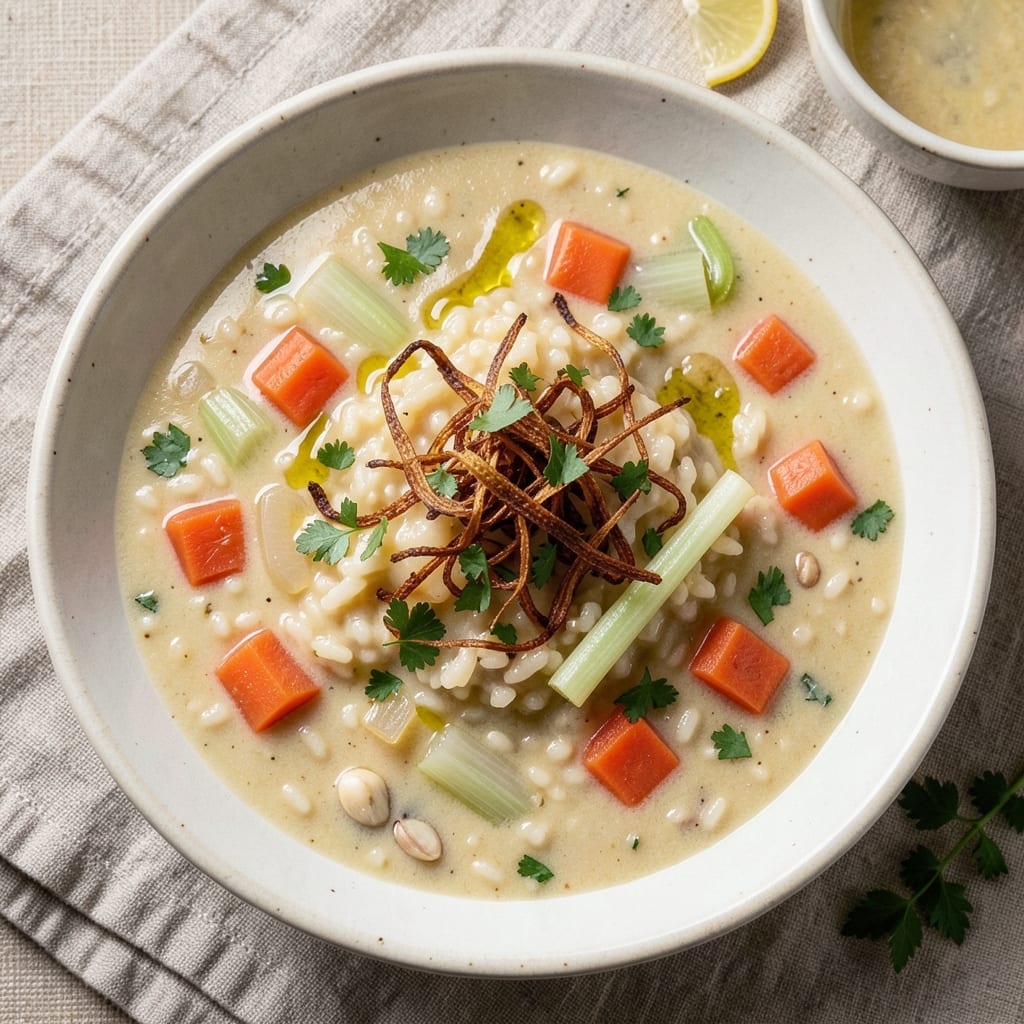
This arborio rice soup transforms humble ingredients into a velvety, risotto-inspired bowl that warms you from the inside out. The secret lies in toasting the rice first—just like in risotto—to release its natural starches, creating that signature creamy texture without heavy cream. I've perfected this one-pot version after years of testing, and it delivers restaurant-quality results in under an hour.
What makes this recipe special is its simplicity: no stirring every two minutes like traditional risotto, yet the same luxurious creaminess develops naturally as the rice absorbs the broth. The key steps—sautéing aromatics, toasting the rice, and gradually adding liquid—ensure each bite is perfectly balanced between tender rice and rich, savory broth. Perfect for chilly evenings or as a comforting starter, this soup proves that creamy textures don't require complicated techniques.
Ingredients for arborio rice soup
Transform simple pantry staples into restaurant-quality arborio rice soup with creamy texture.
| Ingredient | Amount | Notes |
|---|---|---|
| Arborio Rice 🍚 | 1 cup | Rinsed thoroughly before toasting |
| Vegetable Broth 💧 | 4 cups | Low-sodium preferred for balance |
| Yellow Onion 🧅 | 1 whole | Diced into small, even pieces |
| Garlic Cloves 🧄 | 3 cloves | Minced finely for aromatic depth |
| Carrots 🥕 | 1 cup | Diced into small, even cubes |
| Celery Stalk 🌿 | 1 whole | Diced finely for balanced flavor |
| Extra-Virgin Olive Oil 🫒 | ½ cup | High-quality for optimal flavor |
| Dry White Wine 🍷 | ½ cup | Subtle acidity recommended |
| Parmesan Cheese 🧀 | ½ cup | Freshly grated for authentic taste |
| Fresh Thyme Leaves 🌿 | ¼ cup | Or 1 tbsp dried thyme if fresh unavailable |
| Fresh Parsley Leaves 🌿 | ¼ cup | Chopped for garnish and freshness |
| Salt 🧂 | 1 ½ tsp | Diamond Crystal preferred for balance |
| Ground Black Pepper 🌶️ | ½ tsp | Freshly ground for best flavor |
The Arborio rice is non-negotiable—its high starch content creates that signature creamy texture when toasted properly. Look for Arborio or Carnaroli at specialty grocery stores like Whole Foods or Trader Joe's; regular long-grain rice won't deliver the same results. For the broth, low-sodium versions give you better control over seasoning, and Homemade Vegetable Broth from scratch elevates the dish further. The onion, celery, and carrots form your aromatic base—don't skip the celery, as it adds subtle sweetness. Fresh thyme and parsley are ideal, but dried works in a pinch at one-third the amount.
No white wine? Substitute extra broth with a splash of lemon juice for acidity. Running short on Parmesan? Pecorino Romano works beautifully, though the flavor profile differs slightly. For a dairy-free version, omit the Parmesan and add an extra tablespoon of nutritional yeast for that umami kick. The carrots and celery can be swapped for other vegetables like zucchini or bell peppers if you're out of them. Just ensure they're diced to a similar size for even cooking. If you're using pre-minced garlic, toast it briefly in the oil to deepen its flavor before adding to the onions.
This soup tastes even better the next day as the flavors meld together. Store it in an airtight container in the refrigerator for up to 5 days, or freeze portions for 3 months. For reheating, add a splash of broth or water to loosen the texture before warming. The Parmesan and parsley can be added fresh after reheating to maintain their vibrant flavors. Portion into individual containers for easy lunches—just reheat and garnish with extra herbs. The rice will thicken slightly upon reheating, so adding a bit of liquid ensures the perfect consistency.
Why You'll Love This Recipe
- One-Pot Magic: I swear by this recipe when I’m too tired to wash a million dishes. Just toss in the rice, broth, and chopped veggies—no extra pots, no stress. The onions caramelize right in the broth, and by the end, you’re left with one pot to stir and one to eat from. Honestly, it’s the kind of meal that makes me question why I ever cooked any other way.
- Caramelized Comfort: That crispy, toasty edge on the Arborio rice? It’s the secret weapon. You toast the grains in the pot first—just until they’re golden—and then let the broth work its magic. The result? A creamy, slightly nutty bite in every spoonful, with sweet carrots and deep garlic flavor cutting through. Between us, this is the kind of soup that disappears faster than my willpower on a Monday.
- Leftovers That Win: I make a double batch every Sunday because this soup only gets better the next day. The rice soaks up extra flavor, and reheating it is a breeze—just add a splash of water or broth. My kids fight over the leftovers, and my partner actually asks for seconds. (Yes, even on a Tuesday night.)
- Budget-Friendly Flex: You’re using pantry staples here—onions, carrots, garlic—and Arborio rice stretches farther than you’d think. Swap in whatever veggies are on sale (spinach, zucchini, even leftover roasted veggies work). It’s the kind of meal that keeps my grocery bill low without ever tasting cheap. Plus, it’s the only soup I can make that feels fancy enough for guests but simple enough for a lazy evening.
Step-by-step instructions for creamy Arborio rice soup
Transform simple ingredients into velvety Arborio rice soup with this refined one-pot method.
Sauté the Vegetable Base
Heat the 0.5 cup extra-virgin olive oil in a large, heavy-bottomed pot over medium heat. Add the 1 whole yellow onion, 1 cup carrots, and 1 whole celery stalk, all diced into even pieces. Cook for 8-10 minutes, stirring occasionally, until the vegetables soften and the onion becomes translucent.
Add the 3 minced garlic cloves and 0.25 cup fresh thyme leaves, cooking for another 1-2 minutes until fragrant. This foundational step builds flavor depth—don't rush it. The thyme should release its aromatic oils, filling your kitchen with a warm, earthy scent. Keep the heat at medium to prevent burning the garlic.
Toast the Arborio Rice
Increase heat to medium-high and add the 1 cup Arborio rice, stirring constantly for 2-3 minutes. The rice should begin to turn opaque and develop a slight golden hue—this is crucial for developing the soup's signature creaminess. The starch released during toasting will later thicken the broth beautifully.
Here's where precision matters: the rice should be toasted but not browned. If it starts to darken too quickly, reduce heat slightly. This step ensures your soup achieves that luxurious risotto-like texture without needing separate risotto techniques.
Deglaze with Wine and Build the Broth
Pour in the 0.5 cup dry white wine, scraping up any browned bits from the bottom of the pot with a wooden spoon. This deglazing step captures all the flavor you've built so far. Let the wine simmer for 2-3 minutes until it's nearly completely evaporated—you'll see the liquid reduce and the alcohol cook off, leaving behind concentrated flavor.
Gradually add the 4 cups vegetable broth, 1.5 teaspoons salt, and 0.5 teaspoon ground black pepper, stirring after each addition. The broth should just cover the rice. Bring to a gentle simmer, then reduce heat to low. This is where patience pays off—maintain a steady simmer for 25-30 minutes, stirring occasionally, until the rice is tender and the soup has thickened to a creamy consistency.
Finish with Parmesan and Fresh Herbs
Once the rice is tender (it should be al dente with a slight bite), remove the pot from heat. Stir in the 0.5 cup freshly grated Parmesan cheese until fully melted and incorporated. The cheese adds a rich, umami depth that balances the soup's creaminess. If the soup is too thick, thin it with a splash of warm broth.
Finally, fold in the 0.25 cup fresh parsley leaves, reserving a small portion for garnish. The parsley adds freshness and visual appeal. Let the soup rest for 5 minutes before serving—this allows flavors to meld and the texture to set slightly. The result should be a velvety, comforting soup with perfect rice texture and balanced seasoning.
Pro Tips For Making Arborio Rice Soup
- Toast the Rice First: Dump dry Arborio rice into a cold pot, then turn the heat to medium-high and let it sit for 2-3 minutes before adding broth. I learned this the hard way—skipping this step means your soup will taste raw and starchy, no matter how long you simmer. The rice needs that initial toast to release its starch properly. ---
- Dice Carrots Small: Cut carrots into ¼-inch cubes, not slices or chunks. Too big, and they’ll turn mushy while the rice stays firm; too small, and they’ll disappear into the soup. Think "rice-sized" pieces—this keeps texture balanced and prevents a gummy mess. ---
- Stir Like You Mean It: Don’t just let the soup bubble—agitate the rice with a wooden spoon every 30 seconds after adding broth. The starch needs constant movement to coat the grains evenly, or you’ll end up with a gluey bottom and dry bits. (Yes, even if you’re impatient like me.) ---
- Finish with Cold Broth: When the rice is almost done, stir in ½ cup of cold vegetable broth. This shocks the grains into absorbing just enough to plump them up perfectly without turning them mushy. I was skeptical until I tried it—now it’s non-negotiable.
Troubleshooting your arborio rice soup
Rice Too Grainy
If your rice ends up too firm and separate, you likely didn't toast it long enough or stir frequently during simmering. Next time, toast the 1 cup Arborio rice for 3-4 minutes until it's noticeably opaque, then stir every 5 minutes while simmering. The starch needs time to release into the broth. For immediate fixes, add ¼ cup warm broth and simmer 5 more minutes—this helps soften the grains. 💫
Soup Too Thin
Thin soup usually means the rice didn't release enough starch or the broth was added too quickly. Always add broth gradually—start with 3 cups instead of all 4 cups, then adjust as you go. For a quick fix, mash 2-3 rice grains against the pot's side with a spoon to release more starch. If needed, stir in 1 tablespoon cornstarch mixed with 2 tbsp cold water and simmer 2 minutes until thickened.
Burnt Onions or Garlic
Burnt aromatics ruin the soup's delicate balance. Keep heat at medium when cooking onions and garlic—never let them darken. If this happens, remove the pot from heat immediately and scrape out the burnt bits with a spoon. For extra flavor without burning, try this trick: Add the garlic 1 minute before the onions finish cooking so it infuses without browning. 🌡️
Wine Smell Lingers
The alcohol in wine needs time to cook off completely. Always simmer the wine until it's reduced by 75%—you should see the liquid shrink noticeably. If you're short on time, substitute with ½ cup extra broth plus 1 tbsp lemon juice for acidity. For a stronger wine flavor without the aftertaste, use a full-bodied white like Chardonnay instead of light varieties.
Cheese Clumps Instead of Melting
Parmesan cheese clumps when added to cold soup. Always stir it into the soup off the heat so it melts smoothly. For extra insurance, warm the cheese first by placing the grater over a bowl of warm water for 1 minute before adding. If clumps persist, blend the soup briefly with an immersion blender—just 10 seconds creates a velvety texture without losing the rice's integrity.
Vegetables Overcook
Carrots and celery turn mushy when simmered too long. Cook them only until tender-crisp (8-10 minutes in the initial sauté), then remove them with a slotted spoon before adding the rice. For a cleaner presentation, reserve ¼ cup chopped parsley to add at the end—this keeps the vegetables vibrant. If you prefer softer veggies, add them back during the final 5 minutes of simmering.
Nutrition facts
Frequently asked questions
Why does arborio rice make soup so creamy?
The high starch content in arborio rice releases when properly toasted, creating a natural thickening effect as it simmers in broth. Unlike regular rice, its outer layer contains more amylopectin, which absorbs liquid and swells beautifully. This is why we toast it first—it builds that signature risotto-style creaminess without needing heavy cream or flour!
Can I make this soup without wine?
Replace the 0.5 cup dry white wine with ½ cup extra broth plus 1 tablespoon lemon juice for acidity. For deeper flavor, use a full-bodied white wine like Chardonnay instead of light varieties. The wine's purpose is to deglaze and add brightness, so alternatives work just fine.
How do I know when the rice is done?
Arborio rice should be tender with a slight bite—like al dente pasta. After 25-30 minutes of simmering, taste a grain: it should be soft in the center but still hold its shape. If it's too firm, add ¼ cup warm broth and simmer 5 more minutes. The soup should coat the back of a spoon with a creamy consistency.
Can I add protein to this soup?
Yes! Add 1 cup diced chicken breast during the final 10 minutes of simmering, or ½ cup sliced mushrooms when sautéing the vegetables. For seafood lovers, try shrimp or scallops in the last 5 minutes to prevent overcooking. Just remove any protein before blending if you prefer a smoother texture.
Will this soup taste better the next day?
Yes! The flavors deepen as the rice absorbs more liquid and the broth melds. Store in an airtight container for up to 5 days in the fridge. When reheating, add 2-3 tablespoons warm broth to restore creaminess. The Parmesan and parsley can be added fresh after reheating for maximum brightness.