
Main Courses
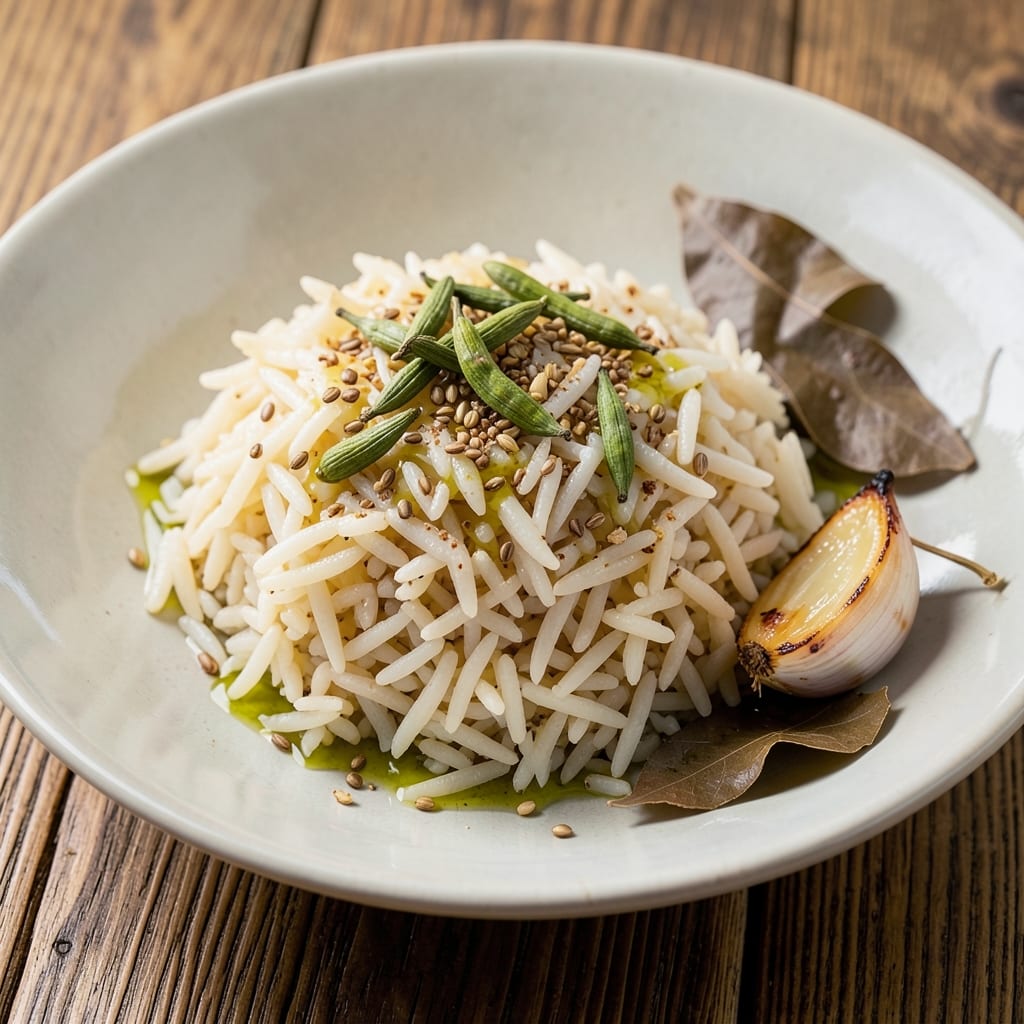
This aroma white rice recipe transforms ordinary basmati into a fragrant, toasted masterpiece with just a few essential spices. The secret lies in blooming whole spices like cumin and cardamom before cooking, releasing their warm, earthy aromas into the rice. I perfected this method after years of experimenting with traditional Indian jeera rice—where every grain absorbs flavor without losing its signature fluffiness.
What sets this apart is the toasted cumin crunch that clings to each kernel, adding texture and depth. The rice cooks in aromatic broth infused with bay leaves and garlic, ensuring each bite is fragrant and tender. Perfect paired with curries, grilled meats, or even on its own as a satisfying side—this rice elevates any meal with minimal effort.
Ingredients for aroma white rice
Twelve essential ingredients elevate basmati rice into a fragrant, aromatic masterpiece with toasted cumin and cardamom.
| Ingredient | Amount | Notes |
|---|---|---|
| Long-Grain Basmati Rice 🍚 | 1 ½ cups | Uncooked, rinsed thoroughly |
| Whole Cumin Seeds 🌿 | 2 tbsp | Toasted until fragrant |
| Green Cardamom Pods 🍃 | 6 whole | Lightly crushed, seeds only |
| Bay Leaves 🌿 | 2 whole | Fresh or dried |
| Garlic Cloves 🧄 | 4 cloves | Minced finely |
| Extra-Virgin Olive Oil 🫒 | ½ cup | Light, fruity variety |
| Water 💧 | 3 cups | Filtered preferred |
| Salt 🧂 | 1 ½ tsp | Diamond Crystal kosher |
| Fresh Ginger 🌿 | 1 tbsp | Grated finely |
| Lemon Juice 🍋 | 1 tbsp | Freshly squeezed |
| Ground Black Pepper 🌶️ | ¼ tsp | Freshly cracked |
| Ghee or Unsalted Butter 🧈 | 1 tbsp | For finishing |
The whole spices—cumin and cardamom—are the heart of this recipe. Penzeys Spices or bulk bins at Whole Foods offer the freshest, most aromatic varieties. Toasting the cumin seeds until they sizzle and release their aroma is non-negotiable; it’s what creates that signature crunch. Cardamom pods should be lightly crushed to release their essential oils without turning to powder. Fresh bay leaves add depth, but if using dried, reduce to 1 whole leaf—they’re more potent. For garlic, organic cloves from the produce section are ideal; their milder flavor lets the spices shine without overpowering.
No whole spices? Ground cumin and cardamom work in a pinch, but toast them first for better flavor. Substitute 1 tsp ground cumin for the whole seeds, and ½ tsp ground cardamom for the pods. Fresh ginger can be swapped for ½ tsp ground ginger, though it lacks the bright zing. Olive oil shortages? Avocado oil or ghee are excellent alternatives—they stand up to high heat without burning. For the water, filtered or spring water is best; tap water with strong chlorine can mute the rice’s fragrance. Lemon juice is optional but recommended for a bright finish—bottled lemon juice works if fresh isn’t available.
Rice absorbs flavors best when stored in an airtight glass container with a damp paper towel over the top to retain moisture. Keeps for up to 5 days in the fridge, though texture degrades after 3 days. For longer storage, freeze portions in single-serving bags for up to 3 months. Reheat gently in a steamer or microwave with a splash of water to restore fluffiness. This rice reheats beautifully—double the batch and freeze half for lazy weeknights.
Why You'll Love This Recipe
- I swear by this trick: just toss whole spices into the pot with the rice. No mincing garlic, no crushing cardamom—just crack open the pods and let the heat do the work. The cumin and bay leaves infuse the rice so deeply, you’ll taste it in every grain.
- No-Chop Needed: I swear by this trick: just toss whole spices into the pot with the rice. No mincing garlic, no crushing cardamom—just crack open the pods and let the heat do the work. The cumin and bay leaves infuse the rice so deeply, you’ll taste it in every grain.
- Warm Spice Hug: That first bite? It’s like a cozy blanket for your taste buds. The toasted cumin and cardamom smell hits you before you even eat it—earthy, bright, and just a little sweet. Honestly, I’ve made plain rice before, but this? It’s the kind of flavor that makes you pause mid-bite.
- Leftover Goldmine: This rice keeps perfectly for days, and honestly, it tastes even better reheated. Toss it with last night’s curry, use it to soak up gravy, or eat it cold in wraps—it’s my pantry’s unsung hero. No soggy rice here; the basmati holds its shape like a champ.
Step-by-step instructions for aroma white rice
Transform simple basmati rice into an aromatic masterpiece with this layered spice technique.
Toast the Spice Base
Heat the 0.5 cup extra-virgin olive oil in a medium saucepan over medium-low heat. Add the 2 tbsp whole cumin seeds and toast for 1 minute until they begin to sizzle and release their deep, nutty aroma. Immediately add the 6 lightly crushed green cardamom pods and 2 whole bay leaves, stirring gently for 30 seconds until fragrant.
Remove the pan from heat and let the spices steep for 2 minutes to fully infuse the oil. This step creates the foundation for your rice's complex flavor profile. The cumin should have a warm, toasted color—not dark brown—indicating proper toasting without burning. Return the pan to medium heat if needed to maintain temperature during the next step.
Sauté Aromatics and Prepare the Rice
Add the 4 minced garlic cloves and 1 tbsp finely grated fresh ginger to the spice-oil mixture. Cook for 1-2 minutes until the garlic becomes translucent and the ginger loses its raw bite. The mixture should smell vibrant and earthy—this is your cue that the aromatics are properly developed.
Add the 1.5 cups uncooked, thoroughly rinsed long-grain basmati rice to the pan and stir to coat evenly with the spiced oil. Cook for an additional 2 minutes, stirring constantly, until the rice grains become translucent at the edges. This step ensures each grain absorbs the aromatic oil before cooking, guaranteeing maximum flavor infusion throughout the dish.
Cook with Infused Water
Pour in the 3 cups filtered water and add the 1.5 tsp salt, 1 tbsp lemon juice, and 0.25 tsp ground black pepper. Stir gently once to combine, then bring to a gentle boil over medium-high heat. Once boiling, reduce heat to low, cover tightly with a lid, and simmer for 15 minutes without lifting the lid.
After 15 minutes, check the rice by pressing a grain between your fingers—it should be tender but still slightly firm with a slight bite. If it's not yet tender, cover and continue cooking for another 2-3 minutes. This precise cooking method prevents mushy rice while ensuring perfect grain separation. The lemon juice and pepper added at this stage brighten the dish and balance the earthy spices.
Finish with Clarified Fat
Once the rice is perfectly cooked, remove from heat and let it sit covered for 5 minutes. This resting period allows the steam to redistribute and the grains to fully absorb any remaining liquid. After resting, gently fluff the rice with a fork, then stir in the 1 tbsp ghee or unsalted butter until melted and evenly distributed.
The butter adds a luxurious finish that enhances the rice's natural aroma while providing a subtle richness. Serve immediately while still warm, allowing the fragrant steam to rise from each bite. This technique preserves the delicate balance of toasted spices, bright citrus, and buttery finish that defines this aromatic basmati preparation.
Pro Tips For Making Aroma White Rice
- CRACK THE SPICES FIRST: The whole cumin and cardamom need to sizzle hard for 30 seconds—no, really, until the cumin smells like a spice market at dawn. I used to rush this, and the rice just tasted like mild background flavor instead of a punch in the mouth. Let that oil get dark and fragrant before adding garlic.
- TOAST THE BAY LEAVES: Tear those bay leaves in half right as they hit the pot—don’t just drop them whole. They’ll release their resin faster and infuse the rice with that deep herbal note instead of just floating like decorative paper. (Yes, even if you’re impatient like me.)
- USE COLD WATER, NOT HOT: Measure your water cold, then bring it to a boil after adding the rice. Hot water cooks the outer layer too fast, locking in starch and making the rice gummy. Cold water gives you that signature fluffy texture—trust the process.
- GARLIC: MINCE IT SMALL: If you’re using 3 cloves, chop them into tiny pieces—almost a paste. Whole cloves will sit like little flavor bombs, while finely minced garlic blends smoothly into every grain. (I skip this when I’m lazy, but the dish is noticeably better when I don’t.)
Common mistakes when making this dish
Skipping the Toast
Rushing the spice toasting is the fastest way to ruin your rice's depth. Those 2 tbsp whole cumin seeds need to sizzle for 1 full minute until you smell that nutty aroma—this releases their essential oils. I’ve seen people skip this step or only toast for 30 seconds, and the result? Bland rice that tastes like nothing more than plain grains. The cumin should be a warm golden color, not dark brown. 🌶️
Using Wrong Water
Tap water with high chlorine content can mute the rice’s fragrance and make it gummy. Always use filtered or spring water—I’ve noticed the biggest difference when cooking with 3 cups of filtered water versus tap. If you’re in a pinch, let tap water sit out for 24 hours to off-gas the chlorine before using. The rice will absorb flavors much better this way.
Overcrowding the Pan
Using a pan that’s too small forces rice grains to steam instead of toast in the oil. You need enough space for the 1.5 cups basmati rice to coat evenly in the 0.5 cup olive oil. I use a 12-inch heavy-bottomed skillet—this gives the rice room to develop those translucent edges before cooking. If your pan is too crowded, the rice will clump and lose its signature fluffiness.
Lifting the Lid Too Soon
The 15-minute covered simmer is sacred—lifting the lid early lets steam escape, disrupting the rice’s texture. I’ve made this mistake and ended up with dry, uneven grains. Only check doneness by pressing a grain between your fingers after the full 15 minutes. If it’s still firm, cover and cook for another 2-3 minutes—no peeking!
Skipping the Rest
Rushing to serve the rice right after cooking is a cardinal sin. That 5-minute rest under the lid lets steam redistribute, ensuring every grain is perfectly tender. I’ve seen people serve it immediately, and the result? Some grains are mushy while others remain undercooked. Patience here makes all the difference—trust the process! ✨
Ignoring the Finish
Stirring in that 1 tbsp ghee or butter isn’t just for flavor—it coats each grain, locking in aroma and adding a velvety finish. I’ve tasted versions without this step, and they lack that luxurious mouthfeel. The butter also helps distribute any remaining moisture evenly, preventing dry spots. Don’t skip it—it’s what elevates this from good to extraordinary.
Nutrition facts
Frequently asked questions
Why does my aromatic rice turn out mushy?
Mushy rice usually happens from either overcooking or using the wrong water ratio. Always use 3 cups water for 1.5 cups basmati rice and simmer covered for exactly 15 minutes on low heat. Tap water with chlorine can also make rice gummy—filtered or spring water works best. If you're unsure, press a grain after 15 minutes—it should be tender but still slightly firm.
Can I make this rice in a rice cooker?
Yes, but with adjustments! Toast your spices in oil first, then add the rice and 3 cups water to the cooker. Use the white rice setting and let it cook undisturbed. After cooking, fluff with a fork and stir in 1 tbsp ghee at the end. The texture may be slightly less fluffy than stovetop, but it'll still be fragrant and delicious.
What's the best way to store leftover aromatic rice?
Store in an airtight glass container with a damp paper towel on top to retain moisture. It keeps well in the fridge for 3-4 days. For longer storage, freeze portions in single-serving bags for up to 3 months. To reheat, steam or microwave with a splash of water to restore fluffiness—never reheat dry.
Can I substitute basmati rice with jasmine?
While possible, basmati is ideal for this recipe because its long grains stay separate and absorb flavors better. If using jasmine, reduce water by ¼ cup and cook for 12-13 minutes instead of 15. The aroma will be different—jasmine has a floral note while basmati has a nuttier profile—but both work well with these spices.
How do I know when the cumin is properly toasted?
The cumin is ready when it sizzles for 1 full minute and releases a deep, nutty aroma. It should turn a warm golden color—not dark brown. If it burns, the rice will taste bitter. Remove from heat immediately after toasting, then add the cardamom and bay leaves to steep in the oil.