
Main Courses
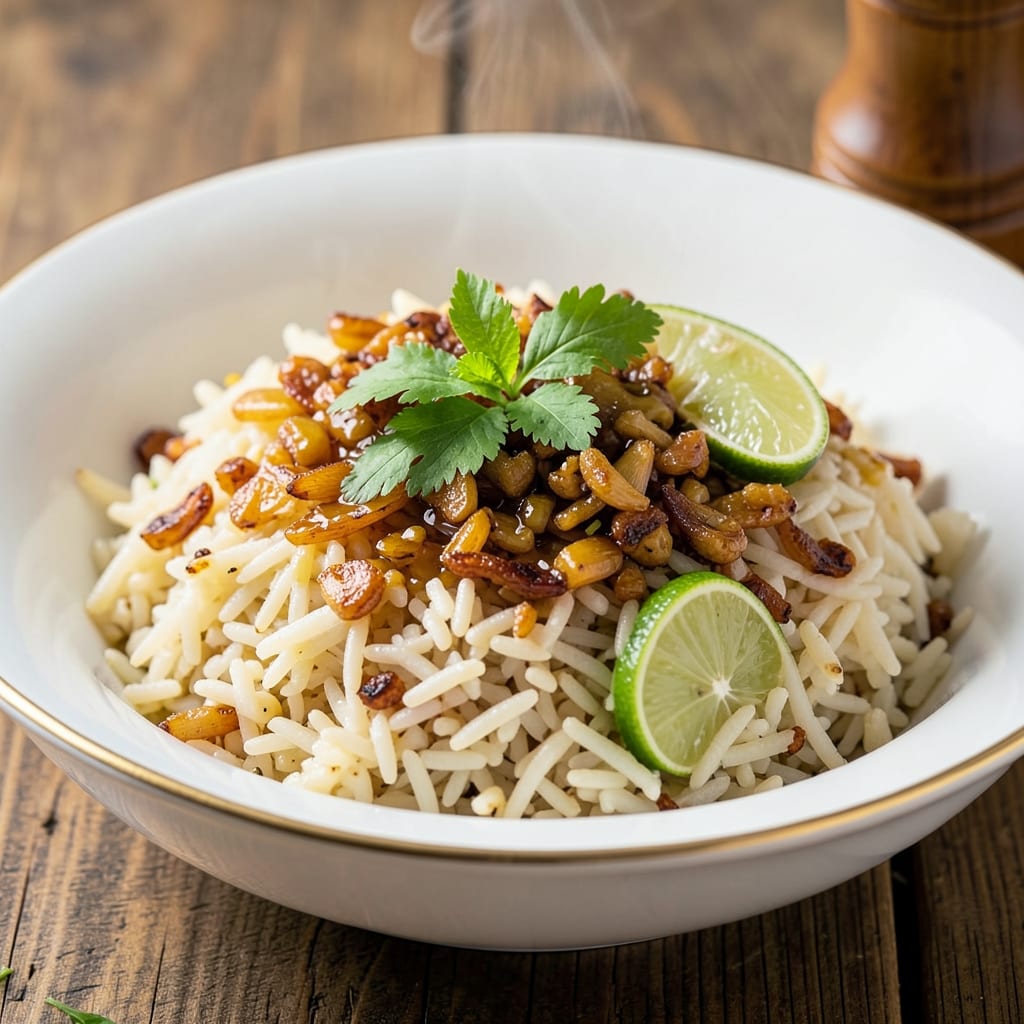
This Asian basmati rice recipe transforms simple grains into fragrant, crisp-topped perfection with coconut-lime wok-frying. The secret lies in toasting the rice until golden and crisp, then finishing with zesty lime and aromatic coconut milk for a flavor profile that elevates any meal. I developed this technique after years of experimenting with Asian rice dishes, and it never fails to impress—whether paired with curries, stir-fries, or grilled proteins.
The process begins with perfectly measured basmati rice, toasted in oil until nutty and fragrant before adding coconut milk and lime juice. This method creates a textural contrast that's both satisfying and visually appealing—crispy edges give way to tender, fragrant grains. The coconut-lime infusion adds brightness that cuts through rich dishes while keeping the rice light and fluffy.
What you'll achieve is restaurant-quality rice that's crisp on top, tender inside, and infused with tropical notes. The aroma alone will have everyone anticipating dinner, while the texture provides that satisfying crunch with every bite. This recipe delivers professional results without requiring advanced techniques—just attention to detail during the toasting phase.
Versatile enough for weeknight dinners or special occasions, this rice pairs beautifully with Thai curries, Vietnamese pho, or even as a standalone side dish. The coconut-lime flavor profile makes it especially refreshing during warm weather, while the crispy texture adds an element of excitement to any plate. Let's get cooking!
Ingredients for asian basmati rice
Premium basmati rice meets tropical aromatics for restaurant-quality grains with crispy edges and fragrant coconut-lime essence.
| Ingredient | Amount | Notes |
|---|---|---|
| Long-Grain Basmati Rice 🍚 | 1 ½ cups | Uncooked, premium quality preferred |
| Light Coconut Milk 🥥 | 1 cup | Full-fat for richer flavor |
| Fresh Lime Juice 🍋 | ¼ cup | About 2-3 limes, freshly squeezed |
| Vegetable Oil 🫒 | ¼ cup | High smoke point preferred |
| Salt 🧂 | ½ tsp | Diamond Crystal kosher salt |
| Garlic Cloves 🧄 | 2 cloves | Minced for aromatic depth |
| Fresh Cilantro 🌿 | ¼ cup | Chopped, for garnish |
| Toasted Coconut Flakes 🥥 | 2 tbsp | For finishing texture |
| Fish Sauce 🍜 | 1 tbsp | Red Boat preferred |
| Brown Sugar 🍯 | 1 tbsp | Lightly packed |
| Thai Bird's Eye Chilies 🌶️ | 1 whole | Optional, finely sliced |
| Shallots 🧅 | 2 whole | Minced, for aromatic base |
The quality of basmati rice makes all the difference here. Indian Basmati from Patna or Tilda brand are my go-tos—they hold their shape beautifully and have that signature nutty aroma. Look for grains that are long and slender, not broken or discolored. The coconut milk should be light but full-fat—none of that watered-down stuff. Thai Kitchen brand is a solid choice, or make your own by blending fresh coconut meat with water. For the lime juice, Mexican limes are more acidic and perfect for this recipe, but Persian limes work too. The fish sauce adds umami depth, so Red Boat is ideal—it's clean, flavorful, and free of additives.
No fish sauce? Soy sauce or coconut aminos work in a pinch, though the flavor will be slightly different. Short on coconut milk? Light coconut cream gives a richer texture, while half-and-half coconut milk and water works if you're watching calories. The brown sugar can be swapped for coconut sugar or white sugar, though brown adds subtle molasses notes. For the chilies, substitute with Thai basil or extra lime juice if you prefer no heat. The shallots and garlic can be swapped for green onions or extra garlic cloves—whatever you have on hand. Just ensure they're finely minced for even distribution throughout the rice.
Store uncooked rice in an airtight container in a cool, dark place for up to 6 months. Once cooked, the crisp-topped rice keeps well for 3-4 days in the refrigerator, though the texture softens slightly. For longer storage, freeze portions for up to 3 months. Reheat gently in a steamer or microwave with a damp paper towel to restore crispiness. This rice reheats beautifully, making it perfect for meal prep—just add a splash of coconut milk when reheating for extra moisture.
Why You'll Love This Recipe
- No Fuss, Always Fluffy: I swear by this method—just rinse the rice, simmer it in coconut milk, and let it steam. The grains stay separate, never mushy, and that creamy texture? It’s like a hug for my taste buds.
- Bright & Creamy Magic: The lime juice cuts through the richness of the coconut milk in the best way—zesty but balanced. Honestly, I add a splash extra just because it makes everything taste like a vacation.
- Meal Prep MVP: Double the batch and store it for days—it reheats like a dream. Toss it with grilled chicken for lunch, pair it with curry for dinner, or eat it cold in bowls. My go-to for busy weeks.
- Budget Luxury: A single can of coconut milk stretches into multiple servings, and basmati rice is cheap but feels fancy. Between us, this is my "I’m cooking gourmet" trick without the grocery bill.
Step-by-step instructions for fragrant coconut-lime wok-fried rice
Here's the method for aromatic, crisp-topped grains that balance sweet, tangy, and umami flavors perfectly.
Toast the Aromatics for Deep Flavor
Heat the 0.25 cup vegetable oil in a wok or large skillet over medium-high heat until shimmering. Add the 2 whole shallots and 2 cloves garlic cloves, stirring constantly for 2-3 minutes until the shallots turn golden and fragrant. This step develops their natural sweetness and prevents bitterness.
Next, add the 1 whole Thai bird's eye chilies (seeds removed if preferred) and 1 tablespoon brown sugar. Cook for 1 minute until the sugar melts and caramelizes slightly. The sugar will intensify the shallot flavor while adding subtle depth. Immediately add 1 tablespoon fish sauce and stir for 30 seconds—this balances the sweetness with umami richness.
Parboil the Rice for Perfect Texture
In a separate pot, combine the 1.5 cups long-grain basmati rice with 2 cups water (twice the rice volume) and bring to a boil. Once boiling, reduce heat to medium-low and simmer for 8 minutes—this partial cooking prevents mushiness while allowing the grains to absorb the coconut-lime marinade later.
Drain the rice immediately in a fine-mesh strainer and rinse under cold water for 30 seconds to stop the cooking process. The rice should be al dente but still slightly firm to the touch. Spread it on a baking sheet to cool slightly while you prepare the coconut-lime base.
Infuse the Coconut-Lime Marinade
In a small saucepan, warm the 1 cup light coconut milk over low heat until steaming. Remove from heat and stir in the 0.25 cup fresh lime juice and 0.5 teaspoon salt. Let it steep for 5 minutes—this allows the lime's acidity to brighten the coconut's richness while the salt enhances all flavors.
Return the saucepan to low heat and reduce the mixture by half (about 5 minutes) until it thickens slightly. The consistency should coat the back of a spoon but remain pourable. This reduction prevents a watery rice dish and creates a glossy finish.
Wok-Fry for Crisp-Topped Perfection
Return the cooled rice to the wok with the toasted aromatics. Drizzle the reduced coconut-lime mixture evenly over the rice and toss gently with tongs for 2 minutes until the rice absorbs the liquid. Increase heat to high and continue tossing for 3-4 minutes until the edges begin to crisp and turn golden.
Watch closely—you want the rice to develop a crispy exterior while maintaining a tender interior. If the rice sticks, add 1 tablespoon water to deglaze. The moment the rice releases easily from the wok and develops a caramelized crust, it's ready.
Finish with Garnishes and Serve
Remove from heat and immediately stir in the 0.25 cup fresh cilantro and 2 tablespoons toasted coconut flakes. The coconut flakes add a delightful textural contrast to the crispy rice. Taste and adjust seasoning with additional lime juice or salt if needed.
Transfer to a serving platter and let rest for 2 minutes before serving. The rice will continue to crisp slightly as it cools. Garnish with extra coconut flakes and serve immediately—this dish loses its ideal texture when reheated. Pair with grilled proteins or fresh herbs for a complete meal.
Pro Tips For Making Asian Basmati Rice
- TOAST THE RICE FIRST: Heat your pot until it’s smoking hot—yes, even if you’re nervous about burning it. Toss in the rice and stir for 30 seconds until it smells nutty and dry. I learned this the hard way after making mushy rice for years; the toasted flavor cuts through the coconut milk’s sweetness and keeps the grains separate.
- USE FULL-FAT COCONUT MILK: Light coconut milk works, but full-fat gives that creamy, restaurant-style texture this dish deserves. If you’re stuck with light, add 1 tablespoon of coconut cream at the end and stir—it’s a game-changer for richness without overpowering the lime. (And no, the canned stuff isn’t cheating here.)
- STIR ONCE, THEN LEAVE IT: After adding the rice and coconut milk, stir just once to distribute, then cover and walk away. Peeking or stirring more traps steam, which turns your rice into glue. I know it’s tempting—your future self will thank you for resisting.
- LIME JUICE LAST: Add the lime juice only when the rice is off the heat and resting. If you squeeze it in early, the acid will start breaking down the grains, making them soft and sticky. A quick squeeze at the end brightens the dish without wrecking the texture—trust me, it’s worth the wait.
Perfect pairings for asian basmati rice
Curry Pairings
This coconut-lime rice pairs beautifully with Thai red curries like gaeng daeng or massaman curry. The creamy coconut in the rice mirrors the curry's richness while the lime brightens the dish. For extra harmony, add Thai basil to both dishes—it ties the flavors together perfectly. 🌶️
For Indian-inspired meals, try pairing with butter chicken or palak paneer. The coconut-lime rice balances the creamy, spiced proteins beautifully. Garnish the curry with fresh cilantro to echo the rice's finishing touch.
Protein Combinations
Grilled lemongrass chicken with this rice creates a tropical flavor explosion. The citrus notes in both dishes complement each other while the coconut adds richness. Serve with bean sprouts for a fresh, crunchy contrast. 🍗
For seafood lovers, pair with garlic shrimp skewers or pan-seared scallops. The coconut-lime rice enhances the natural sweetness of seafood while adding a creamy texture. A squeeze of extra lime at the table elevates both components.
Vegetable Sides
Add stir-fried bok choy with garlic and chili for a quick vegetable side. The crisp-tender greens contrast the rice's creaminess while adding a peppery bite. Toss with toasted sesame seeds for extra texture. 🥬
For a heartier option, serve with coconut green beans. Blanched green beans tossed in coconut milk and lime juice mirror the rice's flavors while adding vibrant color. The beans' slight crunch complements the rice's crispy edges.
Soup Pairings
This rice works wonderfully with Thai coconut soup like tom yum or tom kha. The shared coconut-lime flavors create a cohesive meal. For contrast, add crispy shallots to the soup to echo the rice's aromatic base. 🍜
For a lighter option, pair with wonton soup or egg drop soup. The delicate broths let the rice's bold flavors shine while providing a comforting balance. Garnish the soup with scallions to bridge the two dishes.
Nutrition facts
Frequently asked questions
Why does this recipe use partially cooked rice?
Partially cooking the rice first (8 minutes) prevents mushiness while allowing it to absorb the coconut-lime marinade perfectly. This method creates the ideal texture—crispy edges with tender, separate grains. The short parboil also helps the rice develop that signature wok-fried crispiness without turning gummy.
Can I substitute jasmine rice for basmati?
While possible, basmati's long grains and nutty aroma are key to this recipe. Jasmine rice will be stickier and less fragrant. If substituting, use 1.25 cups (instead of 1.5 cups) and reduce the coconut milk by 2 tablespoons to compensate for its higher starch content.
What's the best way to reheat leftover rice?
Reheat gently in a steamer or microwave with a damp paper towel to restore moisture. For crispiness, pan-fry leftover portions in 1 teaspoon oil over medium-high heat for 2-3 minutes until golden. Avoid adding water—it'll make the rice soggy.
How do I make this dairy-free?
Replace the coconut milk with full-fat coconut cream (for richness) or a 1:1 coconut milk substitute like unsweetened almond milk blended with 1 tablespoon coconut oil. The texture will be slightly lighter but still delicious. For extra flavor, add 1 teaspoon coconut extract to the marinade.
Can I make this in a rice cooker?
Yes, but with adjustments. Parboil the rice in the cooker for 8 minutes, then drain and cool. For the wok-fry step, transfer to a nonstick skillet and proceed with the coconut-lime mixture. The cooker won't give you the crispy texture, but it's a great backup method for busy weeknights.