
Main Courses
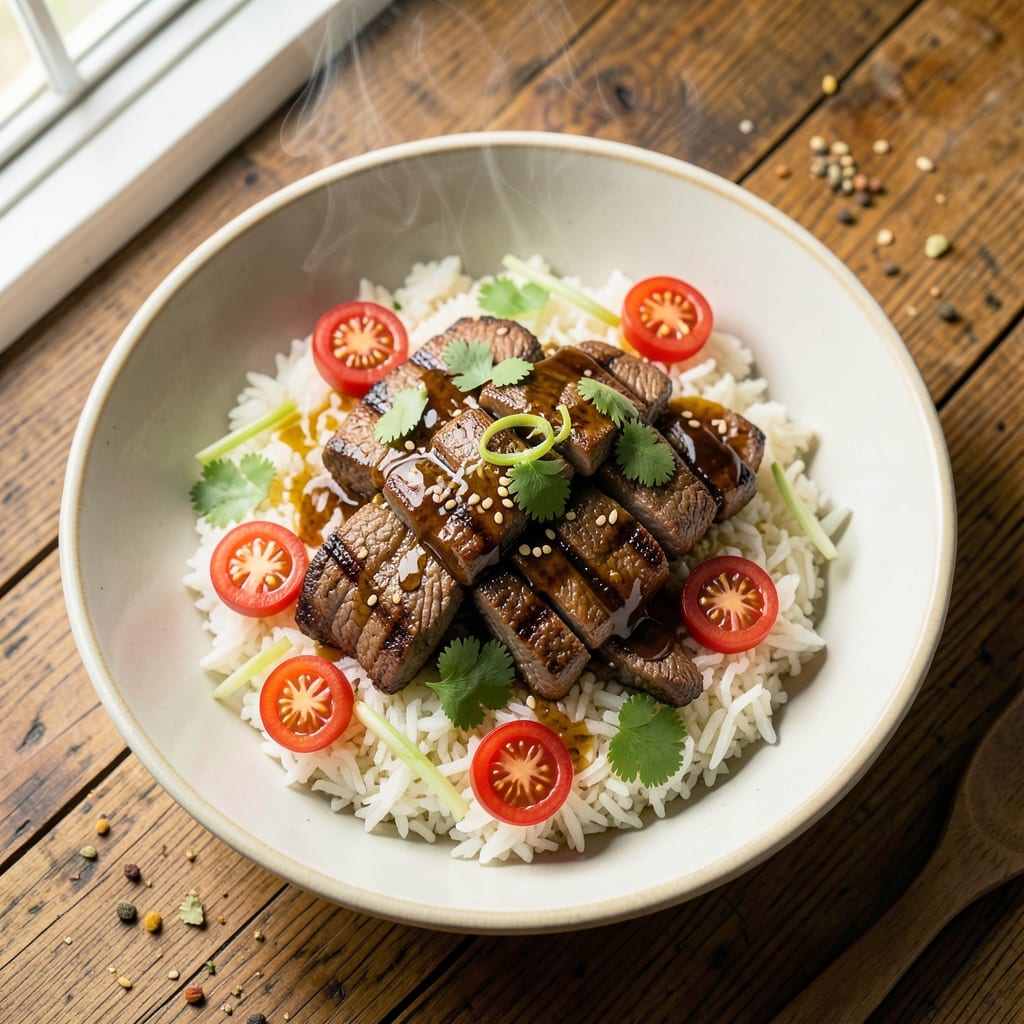
This Asian beef and rice bowl recipe delivers restaurant-quality flavors with minimal effort—wok-seared beef over fragrant jasmine rice, balanced by a savory-sweet glaze. The key lies in marinating the beef with soy, garlic, and ginger, then searing it quickly over high heat to lock in juices and create a caramelized crust. This technique transforms tough cuts into tender, flavorful strips that hold their shape perfectly over steamed rice.
What sets this dish apart is the harmony of textures and flavors: the slight chew of perfectly cooked beef, the delicate aroma of jasmine rice, and the umami depth from a homemade teriyaki-style sauce. The recipe builds on traditional Asian influences while keeping preparation straightforward—no advanced techniques required. Each component comes together in 30 minutes, making it ideal for weeknight dinners or meal prep.
By the time you assemble the bowls, you'll have a meal that's visually appealing and packed with satisfying bites—crisp edges on the beef, tender rice, and bright garnishes like sesame seeds and green onions. The sauce ties everything together with its perfect balance of sweetness and savory notes, while pickled vegetables add a tangy contrast. This is comfort food with a global twist, designed to impress without requiring hours in the kitchen.
The beauty of this recipe lies in its versatility. Swap the teriyaki for a peanut sauce or hoisin glaze, adjust spice levels to taste, and customize garnishes based on what you have on hand. Serve with miso soup or quick-pickled cucumbers for a complete meal that feels both indulgent and balanced. Let's get started on creating your perfect bowl.
Ingredients for asian beef and rice bowl
Restaurant-quality Asian beef bowls start with these carefully chosen ingredients designed for bold flavor and perfect texture.
| Ingredient | Amount | Notes |
|---|---|---|
| Flank Steak 🥩 | 1 lb | Thinly sliced against grain |
| Jasmine Rice 🍚 | 1 ½ cups | Uncooked, long-grain preferred |
| Low-Sodium Soy Sauce 🥢 | ½ cup | Kikkoman preferred for balance |
| Garlic Cloves 🧄 | 6 cloves | Minced, fresh preferred |
| Fresh Ginger 🌿 | 2 tbsp | Grated, peeled |
| Sesame Oil 🫒 | 1 tbsp | Toasted, for aroma |
| Honey 🍯 | 2 tbsp | Pure, for sauce balance |
| Neutral Oil 🫒 | 2 tbsp | Avocado or vegetable oil |
| Green Onions 🧅 | 4 whole | Thinly sliced, white and green |
| Toasted Sesame Seeds 🌾 | 2 tbsp | For garnish |
| White Rice Vinegar 🍶 | 1 tbsp | For sauce acidity |
| Diamond Crystal Kosher Salt 🧂 | 1 tsp | For seasoning rice |
| Ground Black Pepper 🌶️ | ½ tsp | Freshly cracked |
| Pickled Ginger 🍶 | ¼ cup | Thinly sliced, optional garnish |
The flank steak is non-negotiable—its lean yet tender texture becomes silky when sliced thinly against the grain. Ask your butcher to slice it if possible, or freeze it for 30 minutes before slicing yourself for cleaner cuts. For the rice, jasmine rice delivers that fragrant aroma that sets Asian bowls apart—Daybreak brand is my go-to for consistent results. The soy sauce should be low-sodium to avoid overpowering the dish; Kikkoman is widely available and strikes the perfect balance between saltiness and umami.
No fresh ginger? Substitute 1 tbsp ground ginger, but fresh is ideal for that bright, citrusy kick. The sesame oil adds depth but can be omitted if you prefer a lighter flavor—just increase the neutral oil slightly. For a quicker sauce, blend 1 tbsp soy sauce, 1 tbsp honey, and 1 tsp rice vinegar and warm it through instead of marinating the beef. The green onions should be sliced into 1/4-inch pieces for the perfect garnish—white parts add subtle sharpness while green tops provide freshness.
Marinated beef keeps 2 days in the fridge, while cooked rice reheats beautifully—just add a splash of water and microwave. Store components separately to maintain texture; the sauce can be prepped 3 days ahead and reheated gently. For meal prep, portion rice into containers first, then top with beef and sauce to prevent sogginess. The sesame seeds stay fresh for 6 months in a cool, dark place—buy them in small quantities to preserve freshness.
Why You'll Love This Recipe
- One-Pan Wonder: I swear by this when I’m too tired to scrub pots—just sear the flank steak, toss in the garlic and ginger, and let the soy sauce work its magic while the rice cooks. No chopping, no fuss, and the pan’s already clean when you’re done.
- Umami Bomb: That low-sodium soy sauce? It’s the secret weapon—deep, savory, and balanced by the bright ginger and minced garlic. The steak gets this irresistible caramelized crust, and the rice soaks up all the flavor like a sponge. Honestly, I’ve had worse takeout.
- Office Lunch Hero: Between us, this is my go-to for meal prep—double the rice, slice the steak thin, and it’s ready to grab for days. Pack it cold or reheat it, and it’s still the star of my lunchbox. (Yes, even on a Tuesday night when I’m craving something that doesn’t involve a sad desk salad.)
- Budget Power Move: Flank steak stretches further than you’d think, and a single jar of soy sauce covers multiple meals. I’ve fed four people for under $15 with this, and the leftovers? Just as good the next day—if they last that long. My wallet and my family win.
Step-by-step instructions for wok-seared beef over fragrant jasmine rice
Master the perfect balance of tender beef and aromatic rice with this precise method.
Prepare the Flank Steak for Perfect Texture
Remove the 1 lb flank steak from the refrigerator and let it sit at room temperature for 20 minutes. This ensures even cooking. Using a sharp knife, slice the steak thinly against the grain into ¼-inch thick strips—this prevents tough, chewy bites. Place the sliced steak in a bowl and season generously with 1 tsp Diamond Crystal kosher salt and 0.5 tsp freshly cracked ground black pepper. Toss gently to coat evenly.
Here's the thing—flank steak is lean and can dry out quickly. The thin slices and room temperature prep guarantee a tender, juicy result. Let the seasoned steak rest for 10 minutes before cooking to allow the salt to penetrate the meat.
Cook the Jasmine Rice to Fluffy Perfection
Rinse the 1.5 cups uncooked jasmine rice under cold water until the water runs clear, then drain well. In a medium saucepan, combine the rice with 3 cups water, 1 tsp Diamond Crystal kosher salt, and bring to a boil over high heat. Once boiling, reduce heat to low, cover tightly with a lid, and simmer for 15 minutes without lifting the lid. This steaming method preserves the rice's delicate texture.
After 15 minutes, remove from heat and let the rice sit covered for 10 minutes. The residual heat will finish cooking the rice to fluffy, individual grains. Fluff with a fork before serving—this prevents a gummy texture. If the rice isn't perfectly tender, steam for another 5 minutes covered.
Wok-Sear the Beef with Garlic and Ginger
Heat a large wok or skillet over high heat until smoking, then add 2 tbsp neutral oil. Working in batches if needed, add the seasoned steak strips and sear for 1-2 minutes per side until deep golden brown and just cooked through. Remove the beef from the wok and set aside. The high heat ensures a caramelized crust while keeping the interior tender.
In the same wok, add 2 tbsp neutral oil and swirl to coat. Add 6 cloves minced garlic and 2 tbsp grated fresh ginger, cooking for 30 seconds until fragrant. Be careful—garlic burns quickly. Add 0.5 cup low-sodium soy sauce and 1 tbsp white rice vinegar, stirring to deglaze the pan and create a glossy sauce. Let it simmer for 1 minute to meld the flavors.
Finish the Sauce and Assemble the Bowls
Return the seared beef to the wok and toss to coat in the sauce. Add 2 tbsp honey and 1 tbsp toasted sesame oil, stirring gently to combine. Cook for 1 minute until the sauce thickens slightly and the beef absorbs the flavors. Taste and adjust seasoning—add a splash of water if the sauce is too thick.
Divide the fluffy jasmine rice evenly among 4 bowls. Top each bowl with the wok-seared beef and sauce. Garnish with thinly sliced green onions and 2 tbsp toasted sesame seeds. For an extra touch, add 0.25 cup thinly sliced pickled ginger on the side. Serve immediately while the rice is warm and the beef is juicy.
Optional Garnish and Serving Suggestions
For added depth, drizzle each bowl with an extra ½ teaspoon toasted sesame oil before serving. The nutty aroma enhances the overall experience. Pair with a side of steamed bok choy or a simple cucumber salad to balance the richness of the beef and rice.
This dish is best served immediately—every bite should deliver tender beef with a caramelized crust, fragrant jasmine rice, and a perfectly balanced sauce. The pickled ginger adds a bright contrast, cutting through the richness. Leftovers can be refrigerated for 2 days, but the texture is best enjoyed fresh.
Pro Tips For Making Asian Beef And Rice Bowl
- Slice Against the Grain: Flank steak’s stubborn fibers mean dry bites if you cut with the grain. After cooking, turn the pan so the meat rests for 5 minutes, then slice perpendicular to the grain—thin, even strips that melt in your mouth. (Yes, even if it looks like you’re fighting the meat.)
- Salt the Steak First: Skip the marinade and just salt the flank steak generously (about 1.5 teaspoons per pound) 30 minutes before cooking. The salt breaks down proteins, keeping it tender when seared—no fancy marinade needed. (I learned this the hard way after over-marinating and ending up with mushy beef.)
- Use a Knife for Ginger: Peeling and mincing fresh ginger takes 2 seconds with a sharp knife. Instead of grating (which turns it into mush), slice off thin shards with the grain of the root, then chop finely. It releases flavor better and looks pro. (Your future self will thank you when you’re not scraping ginger pulp out of your bowl.)
- Cook Rice to Perfection: Jasmine rice needs exactly 1:1.5 rice-to-water ratio and a tight lid for 15 minutes off heat. If you peek, you’re ruining it—steam escapes, and the rice turns out dry. Use a timer, resist the urge to stir, and let it sit covered for 10 more minutes. (This isn’t the prettiest method, but it’s the tastiest.)
Common mistakes when making your asian beef and rice bowl
Overcooking the Beef
Flank steak is lean and cooks quickly—overcooking turns it tough and dry. I've ruined many a bowl by leaving the beef in the pan too long. Aim for 1-2 minutes per side over high heat until it reaches 135-140°F internal temperature. Use a meat thermometer to avoid guessing. Once it hits that temp, remove it immediately and let it rest for 2 minutes before serving. 🔥
Skipping the Rest
This is a big one—never skip resting the beef after slicing or after cooking. The 10-minute rest after seasoning lets salt penetrate, while the 2-minute rest after cooking redistributes juices. I've seen many home cooks rush this step and end up with dry, stringy beef. Trust me, patience pays off with juicy, flavorful bites.
Using the Wrong Rice
Jasmine rice is non-negotiable for this dish—its floral aroma and slightly sticky texture are essential. I've made the mistake of using basmati or even white rice, and the results were flat. For 1.5 cups uncooked jasmine rice, use a 1:2 rice-to-water ratio and never stir while cooking. Lifting the lid releases steam and ruins the texture. If your rice turns out gummy, next time try 15 minutes of simmering followed by 10 minutes of resting covered.
Overcrowding the Pan
Cooking too much beef at once lowers the pan's temperature, leading to steamed instead of seared beef. Work in 2 batches maximum to maintain that high heat. I've seen people try to cook the entire 1 lb at once, and the result is sad, pale strips instead of beautiful caramelized beef. A large wok or skillet is key—don't skimp on pan size.
Ignoring the Sauce Balance
The sauce should be glossy but not syrupy—too much honey makes it cloying, while too little soy sauce leaves it flat. Taste as you go! Start with 2 tbsp honey and 0.5 cup soy sauce, then adjust. I've had to rescue many bowls by adding a splash of white rice vinegar to cut sweetness or more soy sauce for depth. The sauce should coat the back of a spoon but not be thick enough to drip slowly.
Poor Garnish Timing
Adding garnishes too early can turn them soggy. Toast sesame seeds fresh in a dry pan for 30 seconds right before serving, and slice green onions just before plating. I've seen people add pickled ginger to the bowl while the beef is still hot, and it loses its crisp texture. Keep garnishes separate until the very last moment for the best presentation. ✨
Nutrition facts
Frequently asked questions
Can I substitute flank steak with another cut?
Yes! Flank steak works best because of its lean texture, but you can use sirloin or ribeye steak instead. For tougher cuts like chuck roast, marinate for 4-6 hours and cook low-and-slow until tender. Never use ground beef—it won't hold its shape or create that satisfying chew.
How do I make this recipe vegetarian?
Replace the beef with extra-firm tofu or mushrooms (shiitake or oyster work best). Press and slice tofu to mimic beef texture, then pan-fry until crispy. Use the same sauce ratio but reduce honey slightly to balance flavors. Add 1 tbsp nutritional yeast to the sauce for umami depth.
Can I make this dish ahead of time?
Cook the beef and rice separately, then store components in airtight containers for 2 days. Reheat beef gently in a skillet with 1 tsp soy sauce to revive moisture. Reheat rice with 1 tbsp water per cup in the microwave. Assemble bowls fresh to maintain texture—never reheat the entire bowl together.
What if I don't have jasmine rice?
Basmati rice is your next best option—it's less aromatic but still works well. For extra flavor, add ½ tsp cardamom to the cooking water. Avoid sticky rice (like sushi rice) unless you want a completely different texture. The key is using a 1:2 rice-to-water ratio and letting it steam undisturbed.
How can I adjust the spice level?
For more heat, add ½ tsp red pepper flakes to the sauce or sprinkle chili crisp on top. To reduce spice, serve with extra pickled ginger or cucumber slices. The teriyaki sauce is naturally mild—adjust by adding 1 tsp sriracha or ½ tsp cayenne to the sauce mixture. Always taste before serving!