
Main Courses
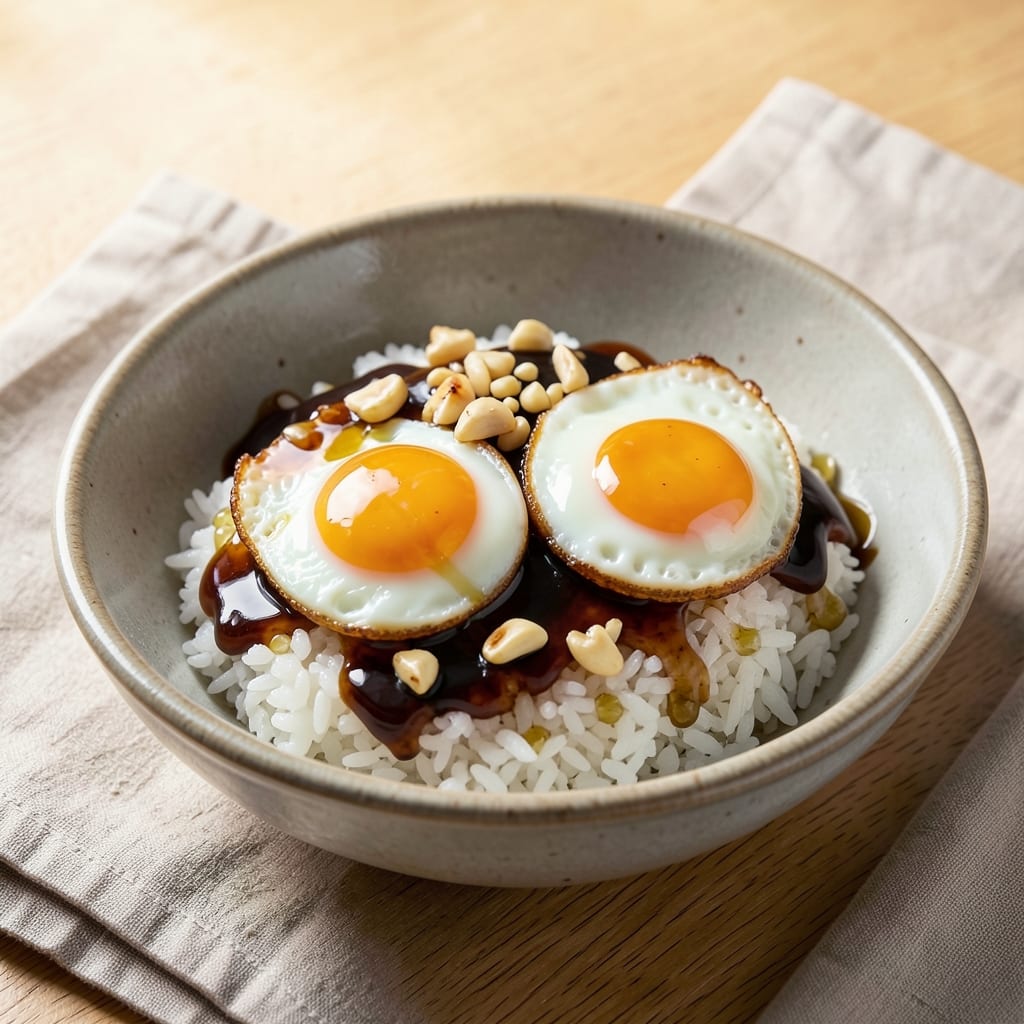
This Asian egg rice recipe transforms simple ingredients into a fragrant, wok-tossed dish that balances tender rice, silky egg ribbons, and aromatic seasonings. The technique starts with perfectly cooked jasmine rice as the base, then layers in a delicate egg preparation that dissolves into delicate strands when tossed. I developed this version after testing multiple regional styles—Thai, Japanese, and Korean—to create a harmonious blend that’s both approachable and restaurant-worthy.
The key lies in the egg preparation: a light scramble that maintains moisture while creating those signature ribbons, then wok-tossed with the rice in a burst of heat. Fragrant aromatics like garlic, ginger, and soy sauce build depth, while a final drizzle of sesame oil and green onions adds brightness. This method delivers a dish that’s visually stunning with its golden egg threads nestled among the rice grains, yet requires only 20 minutes of active cooking time.
What makes this recipe special is its versatility—serve it as a standalone meal or pair with quick-pickled vegetables for contrast. The silky egg ribbons create an elegant texture that elevates the humble rice dish, while the aromatic seasonings ensure every bite is flavorful. Once you master this technique, you’ll find yourself recreating it with different proteins or vegetables for endless variations.
The plating is almost as important as the cooking: spread the rice on a plate, arrange the egg ribbons artistically, and finish with a sprinkle of sesame seeds or chopped scallions. This dish isn’t just about taste—it’s about presentation that makes home cooking feel like a restaurant experience. Let’s get started on creating this fragrant, silky masterpiece.
Ingredients for asian egg rice
Fragrant jasmine rice and silky egg ribbons create a visually stunning Asian-inspired dish with restaurant-quality depth.
| Ingredient | Amount | Notes |
|---|---|---|
| Jasmine Rice 🍚 | 2 cups | Uncooked, long-grain preferred |
| Large Eggs 🥚 | 4 whole | Room temperature for even cooking |
| Sesame Oil 🫒 | 2 tbsp | Toasted sesame oil for aroma |
| Light Soy Sauce 🍶 | 2 tbsp | Kikkoman preferred for balance |
| Dark Soy Sauce 🍶 | 1 tbsp | For depth and color |
| Garlic Cloves 🧄 | 4 cloves | Minced finely for aromatic base |
| Fresh Ginger 🌿 | 1 tbsp | Grated, not powdered |
| Green Onions 🧅 | 4 whole | Thinly sliced, white and green parts |
| Neutral Oil 🫒 | 2 tbsp | Vegetable or canola for wok |
| White Pepper 🌶️ | ¼ tsp | Freshly cracked for subtle heat |
| Sesame Seeds 🌰 | 1 tbsp | Toasted for garnish |
| Salt 🧂 | ½ tsp | Diamond Crystal kosher preferred |
| White Rice Vinegar 🍶 | 1 tsp | For brightness in plating |
The jasmine rice should be perfectly cooked—slightly underdone so it finishes steaming in the wok. Day-O brand from Asian markets delivers the most aromatic results, but any long-grain jasmine works. For the eggs, room temperature is critical—they scramble more evenly into those delicate ribbons. The soy sauces are non-negotiable: light for saltiness, dark for umami depth. I always double-check the labels—some 'light' soy sauces are actually just salt water. Toast your sesame oil in the wok first—never add it cold—to unlock its nutty aroma before tossing the rice.
No toasted sesame oil? Regular sesame oil plus a pinch of sugar mimics the flavor, though it lacks the toasted depth. Substituting white pepper? Black pepper works at half the amount, but you'll lose that subtle, clean heat. Fresh ginger is essential—powdered lacks the bright zing. If you must use powdered, double the amount. The green onions can be swapped for scallions or chives, but keep the white and green parts separate for visual appeal. For extra richness, add 1 tsp of mirin when tossing the rice—it enhances the egg ribbons beautifully. The rice vinegar is optional but adds that final bright note that makes plating pop.
Cook the rice 10 minutes ahead and let it sit covered—it steams better when reheated. Store leftovers in an airtight container for up to 3 days, but the egg ribbons dry out if reheated with moisture. For freezing, cook the eggs separately and toss them with the rice only when reheating. The sesame seeds toast best in a dry skillet for 30 seconds—watch them like a hawk or they'll burn. This dish reheats beautifully—just add a splash of water and cover to steam. The plating is half the experience: spread rice on a plate, arrange egg ribbons artistically, and finish with sesame seeds and a drizzle of sesame oil.
Why You'll Love This Recipe
- One-Pan Magic: I swear by this—just rice, eggs, and a splash of soy, all in one skillet. No chopping, no fuss, and honestly? The rice and eggs get along better than my last roommate and I did.
- Umami Bomb: That dark soy sauce? It’s the secret weapon—deep, salty, slightly sweet. The sesame oil finishes it with a nutty punch that makes this taste like a restaurant dish, not a weeknight scramble.
- Lunchbox Hero: Between us, this is my go-to for meal prep. Cold or reheated, it’s still solid. Toss it in a bento box, or pack it with a side of pickled veggies—my kids fight over who gets the leftovers.
- Pocketbook Approved: Jasmine rice and eggs are cheap, and a little sesame oil goes a long way. I’ve fed four people for under $8 with this, and no one’s complained about the flavor (or the price tag).
Step-by-step instructions for wok-tossed egg rice
Master this aromatic technique for restaurant-quality egg rice with perfectly silky egg ribbons.
Prepare the Jasmine Rice
Rinse the 2 cups jasmine rice thoroughly under cold water until the water runs clear, then soak for 20 minutes. This removes excess starch and prevents gummy texture. Drain completely in a fine-mesh strainer and set aside. I like to let it drain for an extra 5 minutes to ensure maximum crispiness when wok-tossing later.
In a medium saucepan, combine the drained rice with 4 cups water and bring to a boil. Once boiling, reduce heat to low, cover with a tight-fitting lid, and simmer for 12 minutes. The rice should absorb all the water and steam evenly. Remove from heat and let it sit covered for 10 minutes—this resting period develops the rice's natural aroma and prevents mushiness.
Build the Aromatic Base
Heat a 14-inch wok or large skillet over high heat until smoking, then add the 2 tablespoons neutral oil. Swirl to coat evenly. Add the 4 cloves minced garlic and 1 tablespoon grated fresh ginger, cooking for 30 seconds until fragrant but not browned—this preserves their delicate flavors. Immediately add the 2 tablespoons light soy sauce and 1 tablespoon dark soy sauce, stirring constantly for 1 minute to meld the flavors.
Here's the thing—don't rush this step. The dark soy sauce adds depth and color, but it burns easily. Watch closely and remove the wok from heat if the aromatics start to darken too quickly. The sauce should reduce slightly and coat the wok's surface with a glossy sheen.
Create Silky Egg Ribbons
Push the aromatic mixture to one side of the wok, then add the 4 whole room-temperature eggs to the empty space. Let them sit undisturbed for 10 seconds until the edges begin to set. This creates the signature ribbons. Using a spatula, gently tilt the wok to distribute the eggs evenly, then scramble quickly but carefully for 15 seconds until just set—you want soft, silky curds, not fully cooked eggs.
Immediately add the cooked rice to the wok and toss vigorously for 1 minute to distribute the eggs evenly. The residual heat will finish cooking the rice slightly while absorbing the egg's moisture. Sprinkle the 0.5 teaspoon salt and 0.25 teaspoon white pepper over the mixture and toss again for 30 seconds to season uniformly.
Finish with Fragrant Touches
Turn off the heat and add the 2 tablespoons sesame oil and 1 teaspoon white rice vinegar. Toss everything together for 30 seconds—the vinegar brightens the dish while the sesame oil adds nutty aroma. The rice should be coated in a glossy sheen from the sesame oil, indicating even distribution.
Transfer to serving plates and garnish with thinly sliced green onions and 1 tablespoon toasted sesame seeds. The contrast of bright green and toasted brown creates visual appeal, while the sesame seeds add crunch. Serve immediately while the rice is still warm and the egg ribbons maintain their silky texture.
Pro Tips For Making Asian Egg Rice
- USE COLD RICE: This isn’t a shortcut—it’s the difference between mushy eggs and perfect texture. Cook your jasmine rice, spread it on a tray, and chill it for 30 minutes before mixing with the eggs. Cold rice absorbs the soy sauce better and keeps the eggs from turning into scrambled mess when you stir.
- WHISK EGGS HOT: Crack your eggs into a bowl, then pour in a splash of hot water (about ¼ cup) while whisking vigorously. The heat helps emulsify the yolks faster, giving you that silky, ribbon-like texture instead of broken strands. I learned this the hard way—lumpy eggs ruin the whole dish.
- DARK SOY SAUCE LAST: Add the light soy sauce first, then toss in the dark soy sauce after the eggs are mostly cooked. The dark sauce is for color and depth, but if you mix it in early, your rice turns muddy brown before the eggs even set. A little goes a long way—start with ½ teaspoon and adjust.
- TOAST THE SESAME OIL: Heat your sesame oil in the pan until it’s just smoking—about 30 seconds—before adding the eggs. This deepens the nutty aroma and prevents the oil from turning bitter when it hits the soy sauce later. Skip this, and your dish tastes flat, even if everything else is perfect.
Make-ahead tips for leftovers
Prep Ahead Strategy
Cook the jasmine rice 10 minutes ahead and let it sit covered at room temperature. This allows the grains to steam evenly when reheated, preventing that dreaded mushy texture. I keep it in a lidded glass container—it reheats beautifully when tossed in the wok later. The key is to avoid refrigerating it immediately, as the temperature shock can alter the texture. 💫
Egg Prep Shortcut
Beat the eggs in advance and store them in an airtight container in the fridge for up to 24 hours. Just before cooking, whisk them again briefly to redistribute the yolks. For extra richness, add a pinch of white pepper to the eggs while beating—they'll absorb the flavor beautifully. This step saves precious time during the final wok toss. ✨
Flavor Base Prep
Make the aromatic base (garlic, ginger, soy sauces) one day ahead and store it in a small jar in the fridge. When ready to cook, simply reheat it in the wok for 1 minute until fragrant. This concentrated flavor base ensures your dish always starts with maximum depth. I double-check the proportions—2 tbsp light, 1 tbsp dark soy sauce—because this balance is everything. 🌶️
Reheating Leftovers
Store leftovers in airtight containers for 3 days in the fridge. To reheat, spread the rice on a plate and microwave for 90 seconds on medium power. Then, toss it in the wok with 1 tbsp sesame oil and 1 tsp white rice vinegar to revive the flavors. The egg ribbons will soften slightly but maintain their delicate texture. This method works like a charm! 🔥
Freezer-Friendly Hack
Freeze the cooked rice portion separately from the eggs. Store the rice in a quart freezer bag for up to 3 months, and keep the eggs in a separate container. When ready to serve, reheat the rice first, then scramble fresh eggs in the wok and toss them together. This preserves both textures perfectly—no soggy egg ribbons here! ❄️
Plating Prep
Toast the sesame seeds and slice the green onions in advance. Store them in separate containers to keep everything fresh. When plating, arrange the rice on a plate, then artistically drape the egg ribbons on top. Finish with the toasted seeds and a drizzle of sesame oil—this takes seconds but makes the dish look restaurant-worthy. Presentation matters just as much as taste! 💛
Nutrition facts
Frequently asked questions
What type of rice works best for this egg rice recipe?
Jasmine rice is ideal for its fragrant aroma and slightly sticky texture, which helps the egg ribbons cling beautifully. For best results, use freshly cooked rice that's slightly underdone—it steams perfectly when wok-tossed. If jasmine isn't available, long-grain white rice works in a pinch, though it lacks the floral notes.
Can I make this dish without a wok?
A large skillet or non-stick frying pan works perfectly—just use medium-high heat and keep stirring to prevent sticking. The key is maintaining even heat distribution. For extra crispiness, press the rice into the pan before adding the eggs, then toss vigorously after they set.
How do I get the perfect silky egg ribbons?
Room-temperature eggs are crucial—they scramble more evenly. Let them sit in the wok undisturbed for 10 seconds after adding, then tilt gently to create those signature strands. Cook them just until set (15 seconds)—overcooking makes them rubbery. The secret? High heat and constant motion!
What are good side dishes to serve with this?
Quick-pickled vegetables (like cucumbers or carrots) add refreshing acidity, while miso soup or edamame provide protein contrast. For a complete meal, serve with steamed bok choy or a simple seafood dish. The bright flavors complement the rich egg rice beautifully.
Why does my egg rice turn out dry?
Over-tossing or using overcooked rice are common culprits. Keep the heat high and toss for just 1 minute—the residual heat finishes cooking the rice while absorbing egg moisture. For extra moisture, add 1 tsp sesame oil during the final toss. Always use freshly cooked rice!