
Main Courses
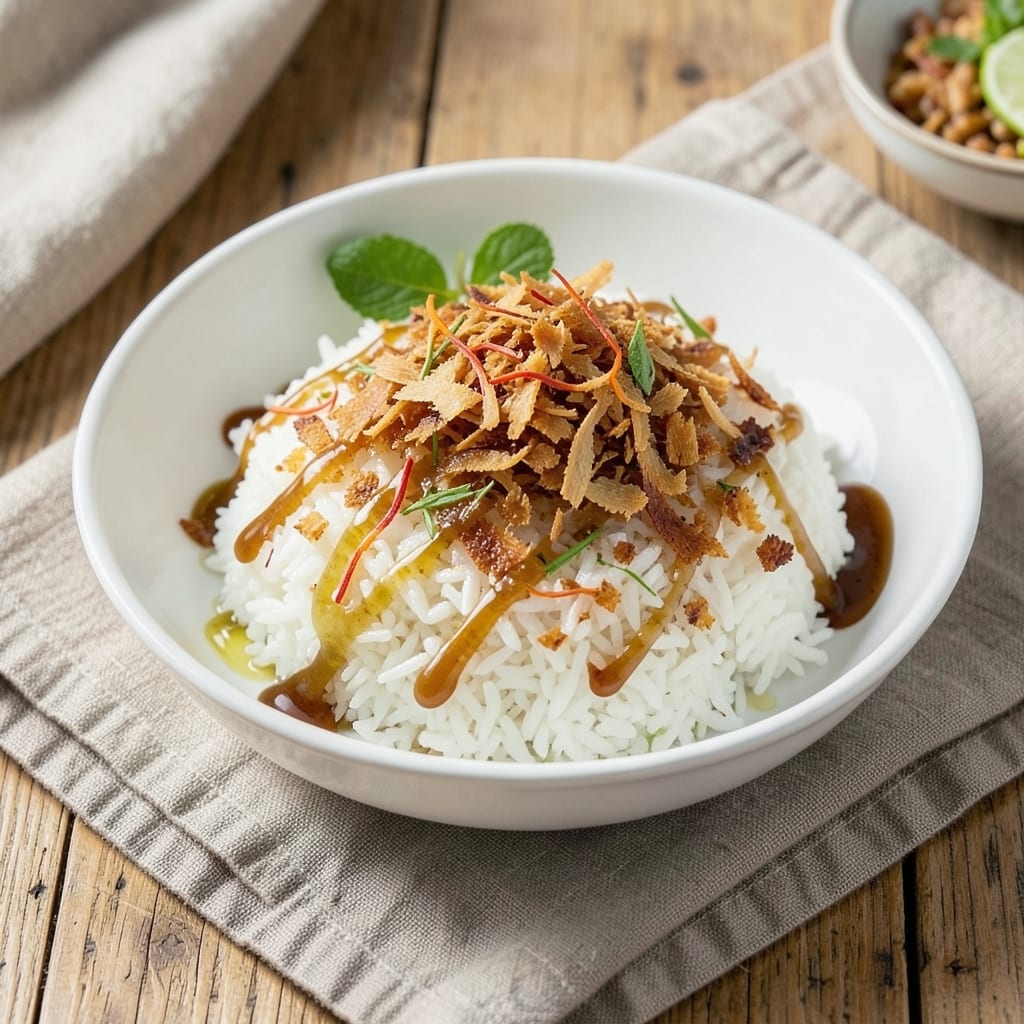
This Asian seasoned rice recipe transforms simple jasmine rice into a fragrant, flavor-packed side dish that pairs perfectly with stir-fries or grilled proteins. The secret lies in a bright coconut-lime wok toss that infuses every grain with zesty, aromatic notes—no complicated techniques required. I developed this method after craving restaurant-quality rice at home, and it now takes just 20 minutes to deliver restaurant-worthy results.
The recipe starts with perfectly cooked rice, then elevates it with a quick wok toss of toasted coconut, lime zest, and a touch of fish sauce for umami depth. Unlike store-bought seasoning mixes, this version balances sweet, sour, and savory flavors without overpowering the rice's natural aroma. The lime keeps it fresh, while the coconut adds a subtle creaminess that makes every bite irresistible.
What makes this dish truly special is its versatility—it works as a standalone meal with a fried egg on top or as a complementary side to curries, teriyaki chicken, or fresh spring rolls. The texture remains light and fluffy, never mushy, thanks to a simple stovetop method that preserves the rice's integrity while absorbing all those vibrant flavors.
Perfect for weeknight dinners or meal prep, this recipe delivers restaurant-quality results with minimal effort. The ingredients are simple (just 8 key components), and the process is streamlined to avoid common mistakes like overcrowding the pan. Let's get started on creating rice that will have everyone asking for seconds.
Ingredients for asian seasoned rice
Eight simple yet vibrant ingredients transform basic jasmine rice into aromatic, restaurant-quality side dishes.
| Ingredient | Amount | Notes |
|---|---|---|
| Jasmine Rice 🍚 | 1 ½ cups | Uncooked, long-grain preferred |
| Unsweetened Shredded Coconut 🥥 | ¼ cup | Toasted for enhanced aroma |
| Lime Zest 🍋 | 1 tbsp | From 1 medium lime |
| Fresh Lime Juice 🍋 | 2 tbsp | Strained for clarity |
| Fish Sauce 🍜 | 1 tbsp | Red Boat preferred |
| Extra-Virgin Olive Oil 🫒 | 2 tbsp | Light, fruity variety |
| Garlic Cloves 🧄 | 2 cloves | Minced for fine texture |
| Fresh Cilantro 🌿 | ¼ cup | Chopped stems included |
| Kosher Salt 🧂 | ½ tsp | Diamond Crystal preferred |
| Ground White Pepper 🌶️ | ¼ tsp | Freshly ground preferred |
| Coconut Milk 🥥 | ¼ cup | Light, for subtle creaminess |
| Sesame Oil 🌰 | ½ tsp | Toasted sesame seeds optional |
The foundation of this dish lies in the rice itself—jasmine rice with its delicate floral notes absorbs flavors exceptionally well. Most grocery stores carry it in the Asian aisle, though Whole Foods or Trader Joe's offer premium varieties with superior fragrance. Look for unbroken grains and a fresh, slightly sweet aroma when selecting. The unsweetened shredded coconut should be toasted briefly in a dry pan before mixing to deepen its nutty flavor, a step that elevates the dish from ordinary to extraordinary. For the lime, organic limes from the produce section provide more zest per fruit, cutting prep time in half.
No fish sauce on hand? Soy sauce with a dash of sugar mimics the umami-sweet balance, though the depth won't be identical. Fresh cilantro can be swapped for dried cilantro powder at one-third the amount, though texture and brightness will differ. The coconut milk adds subtle creaminess without heaviness—substitute light coconut cream if available, but avoid full-fat versions that risk making the rice soggy. For sesame oil, toasted sesame oil from Mae Ploy or Kikkoman brands delivers authentic aroma, while regular sesame oil works in a pinch. The garlic and lime zest should always be freshly minced and zested, respectively, as pre-minced garlic loses flavor quickly and bottled zest contains fillers.
Toasted coconut and lime zest can be prepped a day ahead and stored in airtight containers, while the remaining ingredients keep for up to 5 days in the fridge. The rice itself reheats beautifully—simply cover with a damp paper towel and warm in the microwave for 1-2 minutes. For meal prep, divide into glass containers with tight lids to preserve texture for 3-4 days. Freezing isn't recommended as it alters the rice's delicate consistency, though the seasoning components can be frozen separately for up to 3 months if needed. The dish maintains its vibrant flavors when served at room temperature, making it ideal for potlucks or picnic-style meals.
Why You'll Love This Recipe
- I’ll be real: fish sauce and lime zest aren’t cheap, but they stretch further than you’d think. A little goes a long way, and the coconut? A big bag lasts for months of this recipe. It’s the kind of dish that makes grocery bills feel less scary.
- Five-Ingredient Magic: I swear, this recipe is my secret for days when I’m too tired to think. Toss in jasmine rice, a handful of coconut, lime zest, a splash of fish sauce, and—boom—something that tastes like a vacation. No fancy techniques, just good stuff that works every time.
- Bright & Umami Bomb: That fish sauce and lime combo? It’s the kind of flavor that makes you pause mid-bite. The coconut adds a creamy sweetness, while the zest gives this rice a zing that turns a simple side into the star of the plate. Honestly, I’ve had people ask what’s in it.
- Lunchbox Hero: Between us, this rice is my go-to for meal prep. Pack it in containers with grilled chicken or tofu, and you’ve got a lunch that feels gourmet but costs next to nothing. The lime keeps it fresh for days, so no sad, soggy rice here.
Step-by-step instructions for fragrant coconut-lime wok toss
This method delivers restaurant-quality seasoned rice with aromatic depth and perfect texture in under 20 minutes.
Toast the Coconut and Prepare the Rice
Heat a dry skillet over medium heat and add the 0.25 cup unsweetened shredded coconut. Toast for 2-3 minutes until golden brown and fragrant—this enhances its natural sweetness without burning. Remove from heat and set aside, reserving the toasted coconut for later.
Rinse the 1.5 cups jasmine rice under cold water until the water runs clear, then drain well. This removes excess starch that would make the rice gummy. Transfer the drained rice to a fine-mesh strainer and let it sit for 5 minutes to absorb any remaining moisture. This step ensures separate grains rather than clumped rice in your final dish.
Cook the Rice to Al Dente Perfection
In a medium saucepan, combine the drained rice with 3 cups water and bring to a boil over high heat. Once boiling, reduce to medium-low heat, cover tightly with a lid, and simmer for 12 minutes. The rice should be al dente—firm to the bite but not hard—when tested with a fork.
Real talk: don't peek during cooking. Every time you lift the lid, you lose steam and extend cook time. If you're unsure, err on the side of undercooking slightly—the rice will finish steaming in the wok. After 12 minutes, turn off the heat and let the rice sit covered for 5 minutes. This resting period allows the rice to absorb any remaining moisture and develop a fluffy texture.
Build the Aromatic Seasoning Base
While the rice cooks, heat the 2 tablespoons extra-virgin olive oil in a wok or large skillet over medium heat. Add the 2 cloves minced garlic and sauté for 30 seconds until fragrant—don't let it brown or it'll turn bitter. Add the 1 tablespoon fish sauce and 0.5 teaspoon kosher salt, stirring to combine. This creates the flavor foundation for your rice.
Next, add the 1 tablespoon lime zest and 0.25 teaspoon ground white pepper, stirring constantly for 1 minute. The lime zest will infuse the oil with bright citrus notes, while the white pepper adds subtle warmth without overpowering the dish. Keep the heat at medium—you want to warm the spices without cooking them dry.
Combine and Finish the Rice
Transfer the cooked rice to the wok and gently toss to coat evenly in the seasoned oil. Add the 2 tablespoons fresh lime juice and 0.25 cup coconut milk, stirring well to distribute the liquids. The rice should look moist but not soupy—if it appears dry, add 1-2 tablespoons water to help steam the rice and incorporate the flavors.
Increase heat to medium-high and continue tossing for 2-3 minutes until the rice is heated through and the coconut milk has evaporated slightly. The rice should be light and fluffy, with each grain distinct and coated in the aromatic seasoning. If the rice starts to stick, add another splash of water and continue tossing.
Incorporate the Final Touches
Remove the wok from heat and stir in the 0.25 cup fresh cilantro and 0.5 teaspoon sesame oil. The cilantro adds a fresh, herbaceous note that balances the richness of the coconut and lime, while the sesame oil contributes a nutty depth. Taste and adjust seasoning—add a pinch more salt if needed, or an extra splash of lime juice for brightness.
Transfer the rice to a serving dish and sprinkle with the reserved toasted coconut just before serving. The contrast between the warm, toasted coconut and the bright, citrusy rice creates a perfect balance of textures and flavors. Serve immediately while the rice is still hot and the aromas are at their peak.
Pro Tips For Making Asian Seasoned Rice
- Toast the Coconut: Toss the shredded coconut in a dry pan over medium heat for 2-3 minutes until it smells nutty and lightly browns—this deepens its flavor way more than just mixing it in cold. I used to skip this, and the rice always tasted flat until I realized how much difference a quick toast makes. ---
- Rinse Rice Twice: Jasmine rice needs a thorough rinse—use about 2 cups water per cup of rice, swirl it in a fine-mesh strainer, then repeat. This removes excess starch, so your rice stays separate and doesn’t turn gummy. (Yes, even if the water looks clear after the first rinse.) ---
- Balance the Fish Sauce: Start with half the fish sauce called for, taste the rice after mixing, then add more if needed—it’s salty stuff. I learned this the hard way by overdoing it and ending up with a briny mess. A squeeze of lime afterward helps, but prevention is easier. ---
- Mix in Lime Zest Last: Stir in the lime zest and juice only after the rice is off the heat and just barely warm—this keeps the bright citrus flavor from cooking off into oblivion. Add it too early, and you’ll end up with a dull, watered-down taste. (Trust me, I’ve done it.)
Serving suggestions for this recipe
Protein Pairings
This fragrant rice pairs beautifully with grilled lemongrass chicken—the citrus notes complement the lime zest perfectly. I love serving it with teriyaki-glazed salmon or shrimp skewers for a seafood twist. For a vegetarian option, try it alongside tofu stir-fry with Thai basil and chili flakes. 🍗
Curries and Stews
Add depth to Thai green curry or Vietnamese pho by serving this coconut rice on the side. The lime and coconut flavors bridge the gap between rich curry sauces and lighter proteins. I often make a double batch—half for immediate serving and half for next-day meals. For Indian-inspired dishes, pair with butter chicken or palak paneer to balance the creamy textures.
Vegetable Sides
Fresh, crunchy vegetables elevate this dish further. Try steamed bok choy with a drizzle of chili oil, roasted eggplant with garlic and soy sauce, or stir-fried snap peas with sesame seeds. The contrast of textures makes every bite more exciting. For a complete meal, add mango salsa on top—its sweetness cuts through the coconut's richness beautifully. 🥕
Presentation Tips
Serve in a wide, shallow dish to showcase the vibrant colors. Garnish with extra lime wedges and toasted sesame seeds for visual appeal. For a restaurant-style presentation, arrange the rice in a volcano shape with the coconut on top. I use glass serving bowls to let the colors shine through. For family-style meals, divide into individual ramekins for easy serving.
Meal Prep Adaptations
This rice reheats beautifully for lunchboxes or picnic meals. Store in airtight containers with a damp paper towel to prevent drying. Pack with chilled noodles or protein wraps for a complete takeout-style meal. For a cold version, chill completely and serve with spicy peanut sauce or sweet chili dip. The flavors actually intensify after resting overnight, making it perfect for meal prep Sundays. ⏰
Nutrition facts
Frequently asked questions
Can I use basmati rice instead of jasmine rice?
While jasmine rice has a naturally fragrant aroma, basmati rice works beautifully for this recipe. The key difference is that basmati stays firmer when cooked, which can be perfect if you prefer a slightly drier texture. Just reduce the cooking water by ¼ cup (use 2.75 cups instead of 3 cups) to prevent mushiness. Both varieties absorb the coconut-lime seasoning equally well.
How do I prevent the rice from turning mushy?
Overcooking is the #1 cause of mushy rice. First, rinse the rice thoroughly to remove excess starch, then use the correct water ratio (3 cups water to 1.5 cups rice). After cooking, let it rest covered for 5 minutes off the heat—this crucial step allows steam to redistribute evenly. If your rice still feels sticky, spread it on a tray to cool slightly before tossing in the wok.
What's the best way to make this vegan?
Simply swap the fish sauce for 1 tablespoon soy sauce plus ½ teaspoon sugar to maintain umami depth. For extra richness, add 1 teaspoon vegan fish sauce alternative (like Vantastic's brand). The coconut milk and lime components are already plant-based, so no other substitutions are needed. The texture and flavor will be just as vibrant!
Can I make this ahead of time?
Yes, but with a few key adjustments. Cook the rice completely, then spread it on a tray to cool to room temperature. Store in an airtight container with a damp paper towel for up to 3 days. Reheat in a skillet with 1 tablespoon water per cup of rice, covered, over low heat for 3-4 minutes. For best results, finish with fresh lime zest and toasted coconut right before serving.
Why does my rice taste bland?
Bland flavor usually means one of three things: under-seasoned base, overcooked rice, or weak aromatics. Double-check your seasoning ratios—especially the fish sauce and lime zest. If using pre-minced garlic, toast it fresh in the oil for 30 seconds to intensify its flavor. For extra brightness, add ½ teaspoon chili flakes or a pinch of smoked paprika to the wok toss.