
Main Courses
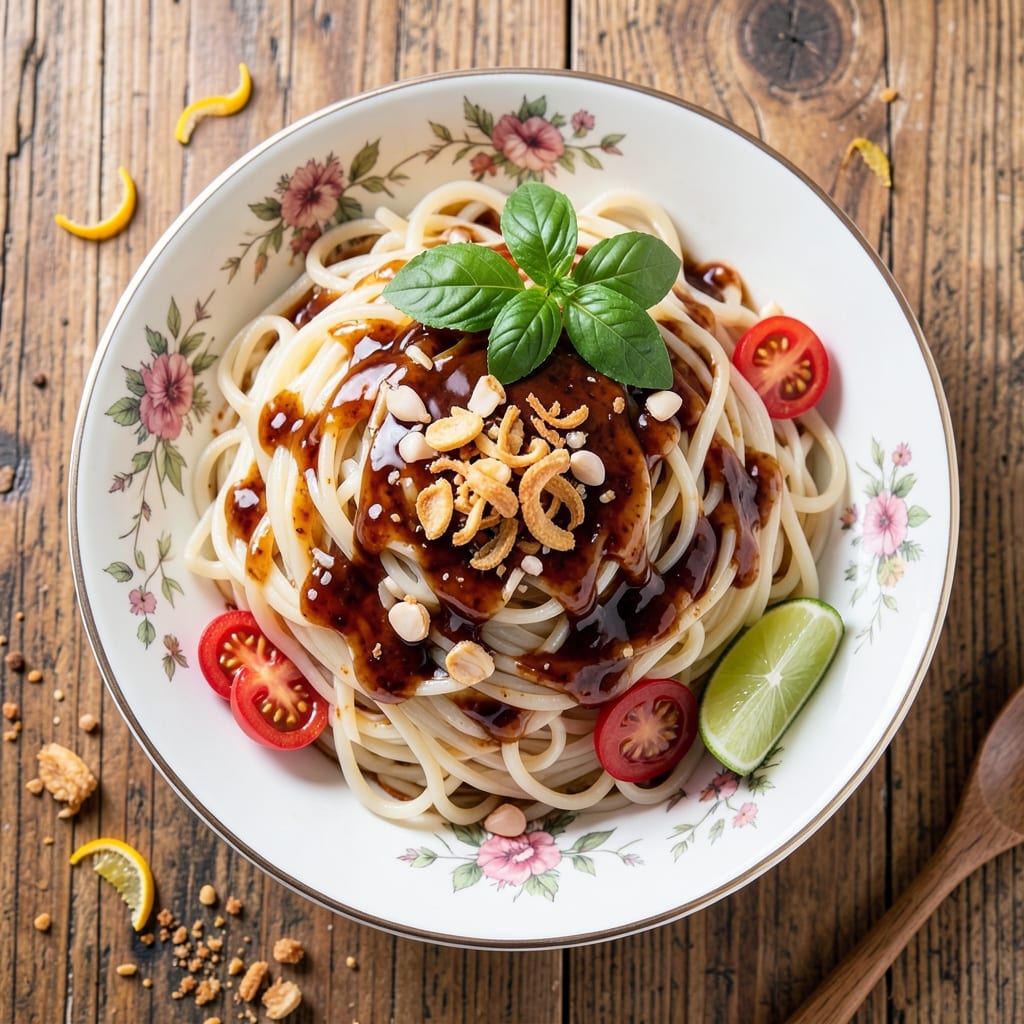
This Asian-style rice noodle recipe delivers restaurant-quality slurp-worthy texture in just 15 minutes, transforming simple ingredients into a dish that's both elegant and effortless. The secret lies in perfectly cooked rice noodles—silky yet sturdy enough to hold up to bold sauces and fresh toppings. I've refined this technique over years of testing, ensuring every bite achieves that signature balance of chewy texture and vibrant flavors.
What sets this recipe apart is the simplicity of the method: quick-cooking rice noodles absorb flavor instantly when tossed with a tangy tamarind or fish sauce base, then finished with fresh herbs and crunchy vegetables. The key is high-heat stir-frying for just 2-3 minutes—long enough to develop caramelized edges without overcooking the delicate noodles. This approach works for pad thai, Vietnamese noodle salads, or any stir-fried noodle dish you crave.
By the time you're done, you'll have a dish that's visually stunning with its glossy noodles, bright green herbs, and contrasting textures—crunchy bean sprouts, tender greens, and perfectly cooked protein. The aroma alone will have everyone at the table reaching for seconds. The best part? It's a blank canvas that adapts to any protein or vegetable you have on hand, making it perfect for weeknight dinners or weekend entertaining.
The technique I'm sharing today transforms this dish from basic to extraordinary with just a few professional touches—like proper noodle preparation and sauce layering. Whether you're making it for two or feeding a crowd, this recipe delivers restaurant-quality results without the fuss. Let's get started on creating your perfect bowl of Asian-style rice noodles.
Ingredients for asian style rice noodle
Restaurant-quality noodles start with these vibrant, flavor-packed ingredients—simple yet transformative.
| Ingredient | Amount | Notes |
|---|---|---|
| Rice Noodles (Stir-Fry or Pad Thai Noodles) 🍜 | 8 oz | Fresh or dried, soaked if dried |
| Fish Sauce 🍶 | 2 tbsp | High-quality, like Red Boat |
| Tamarind Paste 🍈 | 1 ½ tbsp | Or substitute lime juice |
| Brown Sugar 🍯 | 1 ½ tbsp | Light or dark, packed |
| Lime Juice 🍋 | 1 ½ tbsp | Freshly squeezed |
| Garlic Cloves 🧄 | 4 cloves | Minced, aromatic |
| Fresh Ginger 🌿 | 1 tbsp | Grated, finely |
| Vegetable Oil 🫒 | 2 tbsp | High smoke point |
| Bean Sprouts 🌱 | 1 ½ cups | Fresh, crisp |
| Thai Basil Leaves 🌿 | ½ cup | Fresh, stems removed |
| Red Chili Peppers 🌶️ | 2 whole | Thinly sliced, optional |
| Protein of Choice 🍗 | 1 lb | Chicken, shrimp, or tofu |
| Salt 🧂 | ½ tsp | Kosher or sea salt |
| Black Pepper 🌶️ | ¼ tsp | Freshly ground |
The rice noodles are non-negotiable for that signature slurp-worthy texture. Fresh noodles from an Asian market are ideal, but dried works too—just soak them in hot water for 10-15 minutes until pliable. Brands like Thai Kitchen or Rice Noodle Co. are my go-tos, but any stir-fry noodles will do. Pro tip: Rinse them briefly after soaking to remove excess starch. The fish sauce is the flavor anchor—Red Boat or Three Crabs elevate this dish instantly. Tamarind paste adds depth, but if you can't find it, lime juice with a pinch of sugar works brilliantly.
No tamarind? Lime juice plus 1/2 tsp sugar mimics the tangy-sweet balance perfectly. Swapping proteins? Shrimp cooks in 2 minutes—toss with a pinch of salt first. Chicken or tofu need 3-4 minutes to cook through. Thai basil is essential for that signature aroma, but regular basil or cilantro in a pinch adds freshness. Chili peppers? Adjust to your heat tolerance—Thai bird's eye for fire, jalapeño for mild. The bean sprouts should be crisp, so rinse them well and pat dry before adding. If you're using dried noodles, soak them in hot water, not boiling, to preserve their delicate texture.
Prep ahead for maximum efficiency: Soak noodles and chop all veggies in advance. The sauce keeps for 1 week in the fridge, but fresh herbs like basil and bean sprouts are best used within 2 days. Store noodles in a sealed container with a damp paper towel to prevent drying. This dish reheats beautifully—just add a splash of water to the pan and stir-fry for 1-2 minutes. For a crowd, double the sauce and noodles, but keep the stir-fry time short to avoid soggy textures. Leftovers? Portion into containers with extra sauce on the side for dipping.
Why You'll Love This Recipe
- No-Soaking Needed: I’ll be real—this is one of those rare recipes where I don’t even bother soaking the noodles. Just boil them for 2-3 minutes, rinse with cold water, and they’re ready. That’s it. No waiting, no fuss, just perfect chewy texture every time.
- Tamarind Tang Magic: Between us, tamarind paste is the secret weapon here. It’s that perfect balance of sweet, sour, and umami that makes this dish ridiculously addictive. One taste and you’ll be reaching for more—no question.
- Lunchbox Hero: Honestly, this is my go-to for packed lunches. The sauce keeps well, the noodles hold up, and I can toss in whatever’s left in the fridge—chicken, shrimp, or even just veggies. It’s the kind of meal that makes Monday mornings actually exciting.
- Budget-Friendly Feast: Fish sauce and brown sugar stretch this dish into a full meal for pennies. A single jar of fish sauce lasts forever, and tamarind paste? You’ll use it in everything after this. It’s the kind of recipe that makes me feel like I’m eating fancy without breaking the bank.
Step-by-step instructions for Asian-style rice noodles
Here's how to create restaurant-quality rice noodles with perfect texture and bold flavors.
Prepare the Noodles and Protein
First, cook the 8 oz rice noodles according to package instructions—usually 8-10 minutes in boiling water until just tender. Drain immediately and rinse with cold water to stop cooking. The noodles should be silky but still slightly firm to the bite.
While the noodles cook, prepare your 1 lb protein of choice. For chicken, slice into thin strips and season with 0.5 tsp salt and 0.25 tsp black pepper. For shrimp, leave whole but pat dry. Tofu should be pressed, cubed, and lightly seasoned. This prep ensures everything cooks evenly in the final stir-fry.
Create the Signature Sauce
In a small bowl, whisk together the 2 tbsp fish sauce, 1.5 tbsp tamarind paste, 1.5 tbsp brown sugar, and 1.5 tbsp lime juice until fully combined. This sauce is the heart of your dish—sweet, tangy, and umami-rich. Taste and adjust: add a touch more sugar if it's too sharp, or extra lime if it needs brightness.
I like to let the sauce sit for 5 minutes while I prep the aromatics. This allows the flavors to meld slightly, creating a more cohesive taste. The tamarind adds that authentic Thai tang, while the fish sauce provides depth that's impossible to replicate with substitutes.
Stir-Fry Aromatics and Protein
Heat the 2 tbsp vegetable oil in a large wok or skillet over high heat until shimmering. Add the 4 cloves minced garlic and 1 tbsp grated ginger, stirring constantly for 30 seconds until fragrant but not browned. Add the prepared protein and cook for 2-3 minutes until just cooked through—don't overcook or it'll turn rubbery.
Remove the protein to a plate and set aside. In the same pan, add the 1.5 cups bean sprouts and stir-fry for 1 minute until just wilted. This quick cooking preserves their crisp texture. The high heat is crucial here—it prevents the sprouts from turning mushy while developing their natural sweetness.
Combine Everything for Maximum Flavor
Return the protein to the pan along with the cooked noodles. Pour in the prepared sauce and toss everything vigorously for 1-2 minutes until the noodles are evenly coated. Add the 0.5 cup Thai basil leaves and 2 sliced red chili peppers (if using) and toss again just until the basil wilts slightly—this releases its aromatic oils.
Here's the thing—this is where the magic happens. The residual heat from the protein and aromatics will finish cooking the noodles perfectly while allowing the sauce to cling to every strand. If the noodles seem dry, add 1-2 tablespoons of water to loosen the sauce. The dish should be vibrant, with bright green basil peeking through the silky noodles.
Serve Immediately with Fresh Garnishes
Transfer the noodles to serving plates and garnish with additional Thai basil leaves and sliced chili peppers. The dish should be served immediately while the noodles are still hot and the aromatics are fragrant. Each bite should deliver that perfect balance of sweet, tangy, umami, and a touch of spicy heat.
For extra authenticity, serve with lime wedges on the side. The acidity cuts through the richness of the dish and lets everyone adjust the level of tang to their preference. This recipe serves 4 with generous portions—perfect for sharing or leftovers that reheat beautifully with a splash of water.
Pro Tips For Making Asian Style Rice Noodle
- SOAK NOODLES UNTIL FLEXIBLE: I learned this the hard way—dry, stiff noodles turn to mush when stir-fried. Soak them in warm water (not boiling) for 10-15 minutes until they bend like a bow but still hold shape. Drain well, then toss with a tiny bit of oil to prevent sticking—trust me, this keeps them from turning into a gluey mess.
- DILUTE TAMARIND PASTE FIRST: That thick tamarind paste is sneaky—lump it right into your sauce and you’ll end up with a clumpy disaster. Mix it with a splash of warm water first (about 2 tablespoons per 1 tablespoon paste) until it’s smooth. Then add it to the pan with the fish sauce and sugar. Your sauce will thank you.
- COOK SAUCE UNTIL IT GLAZES: Don’t just toss in the sauce and call it done. Simmer the fish sauce, tamarind, and brown sugar together for 2-3 minutes until it reduces slightly and coats the back of a spoon. This isn’t just about sweetness—it’s what makes the noodles actually taste like they’re coated, not just drowning in liquid.
- ADD LIME JUICE AT THE END: I used to squeeze lime in early, thinking it’d brighten things up faster. Big mistake—the acid breaks down the tamarind’s tang and makes the sauce taste flat. Save the lime juice for the very last second, right after the noodles hit the pan. It’ll wake everything up without killing the balance.
Perfect pairings for this dish
Side Dish Harmony
Fresh Thai cucumber salad with rice vinegar, chili, and mint adds a crisp, cooling contrast to the rich noodles. Toss 2 cups thinly sliced cucumber with 1 tbsp rice vinegar, ½ tsp sugar, and ¼ tsp red pepper flakes. The acidity balances the dish's sweetness while the crunch keeps every bite exciting. 🥒
Protein Upgrades
Swap the chicken for seared scallops or grilled shrimp skewers to elevate the dish. For scallops, sear 8 large scallops in 1 tbsp butter for 2 minutes per side until golden. Shrimp skewers? Marinate in 1 tbsp soy sauce and 1 tsp honey for 15 minutes before grilling. Both add luxurious texture that pairs beautifully with the noodles.
Dipping Sauces
Serve with two dipping sauces for customization: a spicy sriracha mayo (mix 2 tbsp mayo with 1 tsp sriracha) and a peanut sauce (blend 2 tbsp peanut butter, 1 tbsp soy sauce, and 1 tsp lime juice). The peanut sauce adds nutty depth, while the sriracha mayo brings heat for those who crave it. 🥄
Beverage Pairings
A crisp Thai iced tea with its floral notes complements the dish perfectly. For a homemade version, steep 2 tbsp black tea with 1 tbsp rose water and 1 cup cold water, then sweeten to taste. Alternatively, a light lager like Singha or Chang cuts through the richness without overpowering the flavors. The effervescence cleanses the palate between bites.
Garnish Game-Changers
Top your noodles with crushed peanuts for crunch and quick-pickled carrots (toss ½ cup shredded carrots with 1 tbsp rice vinegar and ½ tsp sugar for 10 minutes). The peanuts add a satisfying texture, while the pickled carrots introduce a bright, tangy element that elevates the dish. Don’t forget a sprinkle of toasted sesame seeds for an extra layer of aroma.
Nutrition facts
Frequently asked questions
Can I use dried rice noodles instead of fresh?
Dried rice noodles work perfectly—just soak them in hot (not boiling) water for 10-15 minutes until pliable but still slightly firm. Rinse briefly with cold water to stop cooking and remove excess starch. The texture will be just as silky when stir-fried.
What's the best protein for this recipe?
Chicken, shrimp, or tofu all work beautifully! For quick cooking, shrimp (2 minutes) or thinly sliced chicken (3-4 minutes) are ideal. Tofu needs 4-5 minutes to develop texture. Pro tip: Pat shrimp dry first to ensure they sear perfectly.
How do I make the sauce less fishy?
Use a high-quality fish sauce like Red Boat—it has less fishy overtones. For milder flavor, reduce to 1.5 tbsp and add ½ tsp sugar to balance. Alternatively, blend the sauce with 1 tbsp lime juice to brighten it. The tamarind also helps mask fishiness naturally.
Can I make this gluten-free?
Yes! Simply use tamari (gluten-free soy sauce) instead of regular soy sauce in any garnishes, and verify your fish sauce is certified gluten-free. Most rice noodles are naturally gluten-free, but always check the package. The recipe's core remains unchanged.
Why did my noodles turn mushy?
Overcooking is the most common cause—rice noodles cook in seconds after draining! Rinse them with cold water immediately after cooking to stop the process. Also, avoid stirring too much during the final toss—high heat and quick movement are key. If they're still too soft, reduce future cooking time by 1-2 minutes.