
Main Courses
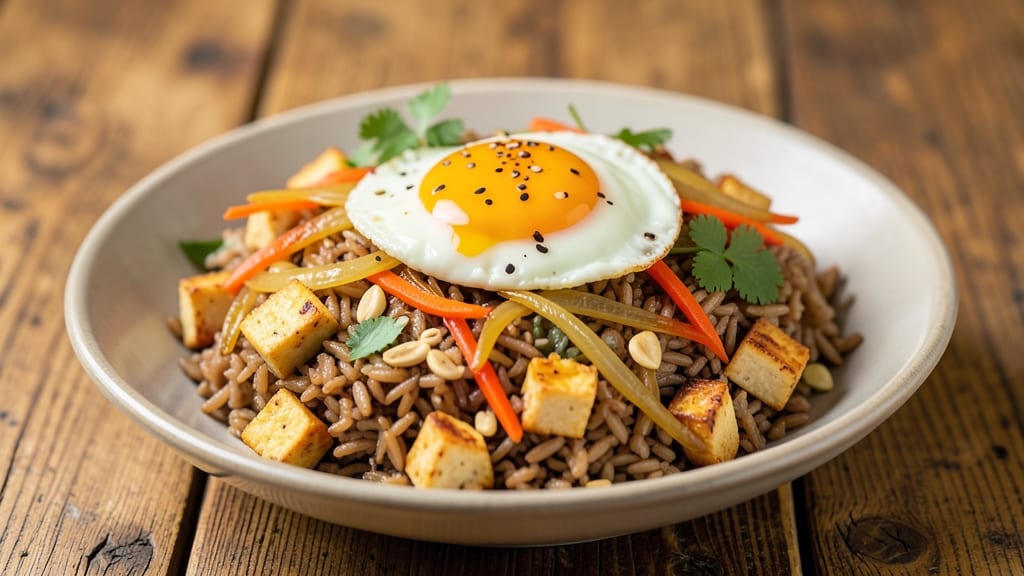
This healthy brown fried rice recipe transforms a classic comfort dish into a nutrient-packed meal without sacrificing flavor or texture. The secret lies in using whole-grain brown rice for fiber-rich crunch and lean protein—like eggs or tofu—to keep it satisfying while cutting unnecessary fats.
What sets this version apart is the perfect balance of stir-fried vegetables, aromatic seasonings, and a crispy wok finish that delivers restaurant-quality results at home.
By browning the rice first and stir-frying with minimal oil, you create a dish that's lighter yet packed with protein, fiber, and essential vitamins from fresh veggies.
The technique ensures every bite is flavorful, with a satisfying crunch from the wok hei (breath of the wok) that makes this version anything but boring. Ready in under 30 minutes, it’s the ideal weeknight dinner that feels indulgent yet supports a balanced diet.
Ingredients for brown fried rice recipe healthy
Whole-grain brown rice, lean protein, and vibrant stir-fried vegetables create this restaurant-quality healthy fried rice.
| Ingredient | Amount | Notes |
|---|---|---|
| Long-Grain Brown Rice 🌾 | 1 ½ cups | Uncooked, rinsed thoroughly |
| Large Eggs 🥚 | 4 whole | Room temperature for even cooking |
| Extra-Firm Tofu 🧇 | ½ lb | Pressed, cubed for protein option |
| Yellow Onion 🧅 | 1 whole | Thinly sliced, white and green parts |
| Carrots 🥕 | 1 ½ cups | Julienned or finely diced |
| Garlic Cloves 🧄 | 4 cloves | Minced, fresh preferred |
| Frozen Mixed Vegetables 🥦 | 1 ½ cups | Peas, corn, bell peppers blend |
| Low-Sodium Soy Sauce 🍶 | 2 tbsp | Kikkoman preferred |
| Sesame Oil 🫒 | 1 tbsp | Toasted, for aroma |
| Avocado Oil 🫒 | 1 tbsp | High smoke point for stir-frying |
| Fresh Ginger 🌿 | 1 tbsp | Grated, peeled |
| Diamond Crystal Kosher Salt 🧂 | ½ tsp | Adjust to taste |
| Ground Black Pepper 🌶️ | ¼ tsp | Freshly cracked |
| Green Onions 🧅 | 3 whole | Sliced, white and green parts |
The brown rice is the foundation—look for long-grain varieties like jasmine or basmati at Whole Foods or your local Asian market for optimal texture. Fresh ginger and garlic are non-negotiable for authentic flavor; Trader Joe's carries pre-peeled ginger slices that save time. For the tofu, press it for 20 minutes to remove excess water—this ensures proper browning. The frozen mixed vegetables add convenience without sacrificing nutrition, and organic brands like Green Giant have fewer additives.
No tofu? Substitute with scrambled eggs (use 4 extra eggs) or chicken breast (0.5 lb, diced). Swap the soy sauce for coconut aminos if gluten-free, though the flavor will differ slightly. The sesame oil is purely for aroma—use sparingly (just 1 tsp) as it burns easily. For extra crunch, add 1 tbsp crushed peanuts or toasted sesame seeds at the end. If you prefer fresh veggies, bell peppers and snap peas hold up well to stir-frying—just slice them into thin strips for even cooking.
Rice reheats beautifully—store in an airtight container for up to 5 days or freeze portions for 3 months. The tofu or egg protein keeps well separately, so assemble fresh when ready to eat. For maximum wok hei (breath of the wok), use a well-seasoned cast-iron skillet or nonstick pan. If making ahead, cook the rice and veggies separately, then combine with protein just before serving to maintain texture.
Why You'll Love This Recipe
- One-Pan Magic: I swear by this—no chopping boards, no extra pans. Just toss everything (rice, tofu, veggies) into one hot wok, and let the residual heat from the stove do the work. The tofu soaks up all the flavors while the onions caramelize right there.
- Umami Bomb: That crispy fried tofu? The slightly sweet carrots? The eggs that turn silky with just a shake of soy sauce? Honestly, it’s the kind of dish where every bite has layers—savory, chewy, a little crunch—without needing fancy ingredients.
- Lunchbox Hero: Between us, this is my go-to for meal prep. Cook a big batch on Sunday, and you’ve got lunch sorted for days. The brown rice stays firm, the veggies don’t get mushy, and even my picky kid grabs it from the fridge. (Yes, even on a Tuesday night.)
- Budget Crunch-Saver: Brown rice is cheap, tofu lasts forever, and onions/carrots are about as affordable as it gets. I make this for a family of four for under $10, and it’s still hearty enough to feel like a real meal—not sad leftovers.
Step-by-step instructions for brown fried rice with eggy protein
Here's the method for a nutritious, protein-packed fried rice that keeps all the wok-house crunch while cutting unnecessary calories.
Prepare the Brown Rice for Cooking
Rinse the 1.5 cups long-grain brown rice thoroughly under cold water until the water runs clear. This removes excess starch that can make your fried rice gummy. Transfer the rinsed rice to a pot and add 3 cups water—brown rice needs more liquid than white rice. Bring to a boil over high heat, then reduce to a simmer, cover, and cook for 40-45 minutes until tender and all liquid is absorbed.
While the rice cooks, press the 0.5 lb extra-firm tofu between paper towels or a clean kitchen towel for 15 minutes to remove excess moisture. Cut the pressed tofu into ½-inch cubes—this size ensures even cooking and proper texture. Keep the tofu covered until ready to use. The pressing step is crucial; it prevents soggy tofu that ruins your crispy fried rice texture.
Stir-Fry the Protein and Vegetables
Heat 1 tablespoon avocado oil in a large wok or skillet over medium-high heat until shimmering. Add the cubed tofu and cook for 4-5 minutes, stirring occasionally, until golden brown on all sides. Remove the tofu and set aside on a plate.
In the same pan, add 1 tablespoon sesame oil and swirl to coat. Add the thinly sliced yellow onion and minced garlic cloves, cooking for 1-2 minutes until fragrant. Add the julienned carrots and grated fresh ginger, stirring constantly for 3 minutes until the carrots begin to soften but still retain some crunch. Finally, add the frozen mixed vegetables and cook for another 2 minutes until heated through. This sequence ensures each vegetable achieves its ideal texture without overcooking.
Scramble the Eggs and Combine Ingredients
Return the cooked tofu to the pan and push it to one side. Add 1 tablespoon avocado oil to the empty space and pour in the 4 whole eggs at room temperature. Scramble the eggs gently with a spatula, folding them as they cook, until just set but still slightly moist—about 1-2 minutes. Remove the eggs and set aside with the tofu.
Add the cooked brown rice to the pan, breaking up any clumps with your spatula. Drizzle the 2 tablespoons low-sodium soy sauce over the rice and stir-fry for 2-3 minutes until the rice is heated through and slightly crispy at the edges. The rice should be hot but not mushy—this is where the texture magic happens.
Finish and Season
Return the scrambled eggs and tofu to the pan, mixing everything together thoroughly. Stir in the 0.5 teaspoon kosher salt and 0.25 teaspoon black pepper, then cook for another 1-2 minutes until the flavors meld. The dish should be hot and aromatic, with a balance of savory, slightly sweet carrot flavor, and umami from the soy sauce.
Remove the pan from heat and stir in the sliced green onions, reserving the white and green parts separately. Garnish each serving with a sprinkle of green onion tops for freshness and color. Serve immediately while the rice is still crispy and the eggs retain their creamy texture. This healthy fried rice delivers all the satisfying textures of takeout—crispy tofu, tender eggs, and chewy brown rice—without the heavy calories.
Pro Tips For Making Brown Fried Rice Recipe Healthy
- Use Cold Rice: Brown rice stays clump-free and absorbs flavors better when cold—day-old rice is ideal. If using freshly cooked, spread it on a tray and chill for 20 minutes first (yes, even if you’re impatient like me). The starches firm up, so your fried rice won’t turn into gluey mush.
- Press Tofu Hard: Extra-firm tofu still holds water unless you work it. Wrap it in a towel, place a heavy pan on top for 10 minutes, then slice thinly. This step makes all the difference—no soggy, flavorless tofu here. Skip it, and you’ll regret it later.
- Scramble Eggs Separately: Cook the eggs first in a clean, dry pan over medium heat until just set, then remove. This keeps them tender and prevents them from turning rubbery when you toss in the rest of the ingredients. Dumping them in raw? You’re asking for dry, overcooked eggs.
- Stir-Fry Onions First: Slice onions into half-moons and cook them in the wok with a splash of water for 2 minutes before adding anything else. This softens them slightly and caramelizes the edges, adding depth without burning. I learned this the hard way—raw onions just sit there, unappetizing.
Common mistakes when making this dish
Overcooking the Rice
Brown rice is delicate when stir-frying—overcooking turns it mushy and ruins the texture. I've learned the hard way that removing it from heat as soon as it's just tender (not dry) is key. Use a fork to test: grains should hold their shape but still have a slight bite.
If you're worried about undercooking, add 5 extra minutes to the boiling time, then spread the rice on a tray to cool slightly before stir-frying. This prevents steam buildup that makes rice soggy. 🌾
Skipping the Browning Step
The crispy texture comes from browning the rice in the wok before adding other ingredients. Many home cooks skip this and end up with bland, sticky rice. Heat your pan until it's smoking hot, then spread the rice in an even layer.
Stir constantly for 3-4 minutes until golden spots appear. This Maillard reaction creates depth of flavor and crunch that raw rice can't match. Pro tip: Use a 14-inch cast iron skillet for maximum surface area.
Using Too Much Oil
Healthy fried rice should glisten, not swim in oil. I've seen recipes calling for ¼ cup oil—that's way too much! Stick to 1-2 tablespoons total for the entire dish. Avocado oil has a high smoke point (520°F) and stays light.
Add it gradually in batches: first for tofu, then for eggs, then just a teaspoon for the rice. Wipe excess oil from the pan between uses to keep it clean. The goal is flavor, not grease.
Adding Wet Ingredients Late
Soy sauce and sesame oil belong in the pan with the rice during the final stir-fry, not drizzled on top at the end. Adding them too late washes away the built-up flavors and makes the dish taste flat.
Mix the sauce with 1 tablespoon water first to help distribute it evenly. For extra umami, add ½ teaspoon fish sauce (optional) to the sauce mixture. Timing is everything—wait until the rice is hot before combining all ingredients.
Underestimating Rest Time
Freshly cooked fried rice needs 5-10 minutes to rest before serving. This lets flavors meld and prevents a gummy texture. I've made this mistake when serving immediately—it's like eating wet cardboard! Cover the pan loosely with a lid or foil and let it sit.
For best results, serve within 15 minutes of cooking while the wok hei (breath of the wok) is still present. If reheating, add 1 tablespoon water to the pan to restore moisture.
Ignoring the Wok Hei
The signature smoky aroma comes from the wok's residual heat after cooking. To capture it, turn off the heat just before the final toss and let the residual heat finish cooking.
If you don't have a wok, a heavy-bottomed skillet works—just keep it on the burner until the last possible moment. For extra drama, add ½ teaspoon smoked paprika to the soy sauce mixture. This technique transforms a simple dish into something restaurant-worthy. 🔥
Nutrition facts
Frequently asked questions
Can I use white rice instead of brown for a healthier version?
While white rice cooks faster, brown rice provides extra fiber and nutrients like magnesium and B vitamins. For a compromise, try half white, half brown rice—it retains some texture while reducing cooking time by 10-15 minutes. If you must use white, opt for jasmine or basmati (lower glycemic index) and reduce portions to 1 cup uncooked per serving.
How do I make this vegetarian without tofu?
Swap tofu for extra eggs (6 total) or chickpeas (1 can, drained and roasted) for plant-based protein. For a meaty texture, use mushrooms (8 oz, sliced) or tempeh (½ lb, cubed)—both absorb flavors well. Boost umami with ½ teaspoon nutritional yeast or 1 tsp miso paste in the soy sauce mixture.
Why does my fried rice turn out mushy?
Mushy rice happens when grains are overcooked or too much liquid remains. Always use day-old, cold rice (it's drier) and spread it in a thin layer to brown properly. If using fresh rice, cook it 10% less than package instructions, then spread on a tray to cool before stir-frying. Pro tip: Use a nonstick or cast-iron pan—they distribute heat better than stainless steel.
Can I meal prep this healthy fried rice?
Yes, but store components separately to preserve texture. Cook rice and veggies ahead, then refrigerate in airtight containers for 4 days or freeze for 3 months. Reheat rice and veggies separately, then stir-fry with fresh protein (eggs/tofu) and sauce. For reheating, add 1 tbsp water to the pan to restore moisture. Avoid microwaving—it makes rice gummy.
What's the best way to add extra protein?
For lean protein, try grilled shrimp (½ lb, chopped) or chicken breast (½ lb, diced)—both cook in 5 minutes and pair well with the dish. For plant-based, add edamame (1 cup, shelled) or lentils (½ cup, cooked). Always cook protein separately first to avoid overcooking. For crispy texture, toss protein in 1 tsp cornstarch before adding to the pan.