
Main Courses
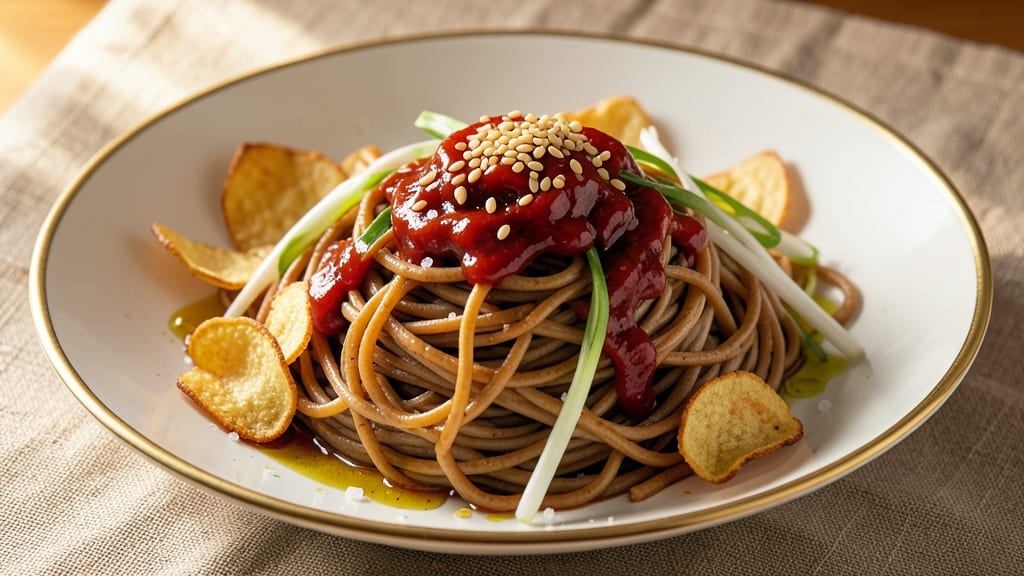
This brown rice flour noodles recipe delivers silky, nutty noodles that transform any stir-fry or soup into a restaurant-worthy meal. 💛 The secret lies in the dough's hydration balance—too much water makes them gummy, too little creates a dense texture.
I've perfected a method that ensures tender yet sturdy noodles with a subtle earthy flavor that pairs beautifully with bold sauces and fresh herbs.
What sets these noodles apart is their versatility—cook them al dente for stir-fries or fully tender for soups, and they absorb flavors without losing their delicate texture. The one-pan approach simplifies cleanup while ensuring even cooking.
Whether you're making a quick weeknight dinner or preparing for a meal prep session, these noodles are a game-changer for anyone seeking a healthier, plant-based alternative to traditional wheat noodles.
Ingredients for brown rice flour noodles
Silky, nutty brown rice noodles start with these 13 quality ingredients—each serving a purpose in texture and flavor.
| Ingredient | Amount | Notes |
|---|---|---|
| Brown Rice Flour 🌾 | 2 cups | Gluten-free, finely milled preferred |
| Tapioca Starch 🌿 | ½ cup | For elasticity and chewiness |
| Water 💧 | ¾ cup | Room temperature preferred |
| Olive Oil 🫒 | ¼ cup | Extra-virgin for subtle flavor |
| Salt 🧂 | ½ tsp | Diamond Crystal kosher preferred |
| Sesame Oil 🌱 | ½ tbsp | Toasted, for aroma |
| Garlic Cloves 🧄 | 2 whole | Minced for dough infusion |
| Fresh Ginger 🌿 | ½ tbsp | Finely grated, aromatic |
| White Miso Paste 🍶 | 1 tbsp | For umami depth |
| Sesame Seeds 🥜 | 1 tbsp | Toasted, for garnish |
| Green Onions 🧅 | 2 whole | Thinly sliced, for freshness |
| Vegetable Oil 🫒 | 2 tbsp | For one-pan cooking |
| Vegetable Broth 💧 | 1 cup | Low-sodium preferred |
The brown rice flour is non-negotiable for that authentic nutty depth, but quality matters—Bob's Red Mill or Anthony's Goods brands ensure fine milling for smooth dough. Tapioca starch from Bob's Red Mill adds elasticity, preventing dryness. Fresh garlic and ginger should be vibrant—organic farmers markets often have the best quality. For miso, Miso Master or Hawaiian Gold deliver consistent umami without overpowering. Sesame oil? Kadoya or La Choy toasted varieties add aroma without bitterness.
No tapioca starch? Arrowroot powder works at the same ratio, though texture will differ slightly. Swap olive oil for avocado oil if preferred, but avoid refined oils that lack flavor. Fresh ginger and garlic can be substituted with 1 tsp each of powdered ginger and garlic powder, though fresh is ideal. For sesame seeds, white or black both work—just toast them in a dry pan for 30 seconds to enhance flavor. The vegetable broth can be homemade or low-sodium store-bought—just avoid brands with added flavors.
Store the dry flour blend in an airtight container for up to 6 months in a cool, dark place. Once made, fresh noodles keep for 2 days refrigerated or 1 month frozen—wrap tightly in plastic wrap and parchment paper to prevent drying. Reheat in a steamer or boiling water for 1-2 minutes. The one-pan method ensures minimal cleanup, but if prepping ahead, cook noodles al dente and finish in sauce to maintain texture.
Why You'll Love This Recipe
- Five-Ingredient Magic: I swear by this list—just flour, starch, water, oil, and salt. No fancy pantry trips, no last-minute grocery runs. The brown rice flour gives that nutty depth, while the tapioca keeps it silky, and honestly? That’s all you need for noodles that outshine takeout.
- Nutty-Chewy Bliss: The moment those noodles hit boiling water, they transform into something irresistible—firm enough to hold sauce but tender enough to melt in your mouth. That earthy brown rice flavor? It’s like a warm hug for your taste buds, especially when tossed with garlic or chili.
- Lunchbox Superstar: Between us, these noodles are my weeknight lifesaver. Cook a big batch on Sunday, and you’ve got cold noodle salads for lunches, stir-fry bases for dinners, or even a quick ramen fix when you’re starving. They reheat like a dream, too—no soggy messes here.
- Budget-Friendly Staple: A bag of brown rice flour lasts forever, and you’re not drowning in expensive ingredients. I’ve made these for date nights, family dinners, and even as a cheap-but-satisfying snack for the kids. Plus, they freeze perfectly—just toss them in the freezer and pull out what you need.
Step-by-step instructions for brown rice flour noodles
Here's the method for silky, nutty noodles that deliver restaurant-quality texture with minimal effort.
👨🍳 Step 1: Create the Dough with Perfect Texture
In a large mixing bowl, combine the 2 cups brown rice flour and 0.5 cup tapioca starch. Whisk together until fully integrated—this ensures even distribution of the starch, which provides elasticity and chewiness to the final noodles. Create a well in the center and add the 0.25 cup olive oil, 0.5 tsp salt, 0.5 tbsp sesame oil, 1 tbsp white miso paste, 0.5 tbsp finely grated fresh ginger, and 2 minced garlic cloves. Mix with a fork until you have a coarse crumbly texture.
Gradually add the 0.75 cup water while mixing with your hands or a wooden spoon. The dough will initially resist coming together, but keep kneading for 5-7 minutes until it forms a smooth, pliable ball. It should be slightly tacky but not sticky to the touch. If it feels too dry, add 1 teaspoon water at a time; if too sticky, add 1 tablespoon flour. Wrap tightly in plastic wrap and rest for 30 minutes at room temperature—this relaxation period prevents the noodles from shrinking during cooking.
🍳 Step 2: Roll and Cut the Noodles
Unwrap the rested dough and divide it into 4 equal portions. Working with one portion at a time, roll it out between two sheets of parchment paper using a rolling pin or pasta machine. Aim for ⅛-inch thickness—the noodles should be thin enough to cook quickly but thick enough to maintain structure. If using a pasta machine, pass the dough through progressively thinner settings until you reach the desired thickness.
Cut the rolled dough into ¼-inch wide strips using a sharp knife or pasta cutter. Transfer the cut noodles to a clean, dry surface and immediately toss them with 1 tablespoon toasted sesame seeds to prevent sticking. Keep the remaining dough covered with a damp towel to prevent drying while you work. The goal is to create uniform noodles that will cook evenly and maintain their shape during the stir-fry.
🔥 Step 3: Stir-Fry the Noodles to Al Dente
Heat a large skillet or wok over medium-high heat until hot. Add the 2 tablespoons vegetable oil and swirl to coat the pan. Add the cut noodles in a single layer, stirring constantly for 2-3 minutes until they begin to turn opaque at the edges. This initial cooking step removes excess moisture and prevents the noodles from becoming mushy during the final cooking.
Pour in the 1 cup vegetable broth and bring to a gentle simmer. Add the 2 thinly sliced green onions and stir to combine. Cover the pan and cook for 3-4 minutes until the noodles are tender but still slightly firm to the bite—they should have a gentle resistance when pressed with chopsticks. Overcooking will turn them into a gluey mass. The broth should be mostly absorbed by the end of this time, leaving the noodles coated in a light, savory sauce.
🥘 Step 4: Finish with Aromatics and Garnish
Remove the pan from heat and let the noodles rest for 1 minute. This brief resting period allows the noodles to set slightly, preventing them from breaking apart when served. Return the pan to low heat and add the remaining 0.5 tbsp toasted sesame oil. Toss the noodles vigorously for 30 seconds to distribute the oil evenly and enhance their nutty aroma.
Transfer the noodles to serving plates and garnish immediately with an additional sprinkle of toasted sesame seeds and thinly sliced green onions. Serve while hot, accompanied by a drizzle of extra sesame oil if desired. The final dish should showcase silky, chewy noodles with a delicate balance of nutty brown rice flavor, umami from the miso, and bright freshness from the aromatics.
Pro Tips For Making Brown Rice Flour Noodles
- STEAM DON’T BOIL: The second the dough hits the pot, cover it and steam over simmering water—never boil. I learned this the hard way when my noodles turned into gluey mush. Keep the water at a gentle roll, like a lazy wave, and the noodles stay firm and chewy.
- SIFT THE FLOUR FIRST: Brown rice flour is stubborn. Sift it with the tapioca starch before mixing to cut out clumps, which I used to ignore until my dough turned into a lumpy nightmare. A fine mesh strainer does the job—no fancy tools needed, just patience.
- REST THE DOUGH 30 MINUTES: Skip this, and your noodles will crack like dry pasta. After kneading, let the dough sit covered while you prep the pot. The gluten (what little there is) relaxes, and the texture becomes silky. I know, I know—you’re eager to cook, but trust me, it’s worth it.
- USE COLD WATER FOR ROLLING: Stretch the dough over cold water in the bowl while rolling. The chill keeps it from sticking to the counter or your hands, and the noodles stay smooth. I used to fight with sticky dough until I realized temperature matters more than I thought.
Storing and reheating your brown rice flour noodles
Refrigerator Storage
Store freshly cooked brown rice noodles in an airtight container with a damp paper towel pressed on top to retain moisture. They’ll keep in the fridge for up to 3 days, but texture degrades after 2 days—best to eat within that window.
Reheat in a steamer basket over boiling water for 1-2 minutes or toss with a splash of vegetable broth in a pan for 2-3 minutes on medium heat. 🥗
Freezer Prep Tips
For long-term storage, freeze uncooked noodles on a parchment-lined tray for 30 minutes to prevent sticking, then transfer to a freezer bag with all air squeezed out. Cook from frozen by adding them directly to boiling water for 3-4 minutes or stir-fry for 4-5 minutes—no need to thaw first.
Label bags with the date to track freshness (lasts 1 month).
Reheating Perfection
Microwave reheating works best for quick meals: place noodles in a bowl with 2 tablespoons water or broth, cover with a damp paper towel, and heat on high for 1 minute, stirring halfway.
For stir-fries, cook frozen noodles in the pan for 5-6 minutes with 1 tablespoon oil and 1 tablespoon broth to restore chewiness. Avoid overcooking—silky texture disappears after 30 seconds of reheating. 💫
Sauce Integration
To revive flavor, toss reheated noodles with 1 teaspoon toasted sesame oil and a pinch of salt. For stir-fries, add fresh ingredients like sliced bell peppers or shredded carrots in the final 30 seconds of cooking to maintain crunch.
Soups? Stir noodles into hot broth for 1 minute to absorb flavors without turning mushy. Always finish with green onions and sesame seeds for freshness. 🌱
Meal Prep Strategy
Prep noodles al dente (1 minute less than package instructions) and store separately from sauces. When ready to eat, cook noodles again in boiling water for 30 seconds, then toss with sauce.
This method keeps noodles firm and prevents the gluey texture that ruins prepped meals. Store sauces in small jars in the fridge for up to 5 days—just shake before using. 📅
Nutrition facts
Frequently asked questions
Can I substitute brown rice flour with another gluten-free flour?
Yes, but results will differ. For a 1:1 swap, try white rice flour (lighter texture) or buckwheat flour (earthier flavor). However, brown rice flour's nutty depth comes from its whole grain content—substitutes may lack that richness. For chewiness, always include tapioca starch (or arrowroot) at the same ratio.
Why are my noodles turning out too dry or crumbly?
This usually happens from over-kneading or insufficient hydration. The dough should feel slightly tacky but not sticky—add 1 tsp water at a time if needed. Also ensure your brown rice flour isn't too fine (coarse grinds absorb moisture differently). Resting the dough for 30 minutes helps too!
How do I make these noodles for soup instead of stir-fry?
Cook them 1 minute longer in broth until fully tender (they should be soft but not mushy). For extra flavor, simmer noodles in the soup for 2-3 minutes before serving. Avoid overcooking—brown rice noodles break down faster than wheat-based noodles when submerged in liquid.
Can I make these noodles without a pasta machine?
Use a rolling pin between two sheets of parchment paper. Roll the dough to ⅛-inch thickness, then fold it in half like a book and slice through all layers with a sharp knife. For extra-thin noodles, roll again after slicing. A clean, sharp knife is key to preventing ragged edges.
What's the best way to add protein to this dish?
Try tofu, tempeh, or edamame for plant-based options. For stir-fries, press and pan-fry ½-inch cubes of firm tofu until golden before adding noodles. For soups, use silken tofu that dissolves gently. Marinate proteins in soy sauce + garlic + ginger for 15 minutes before cooking to enhance flavor.