
Main Courses
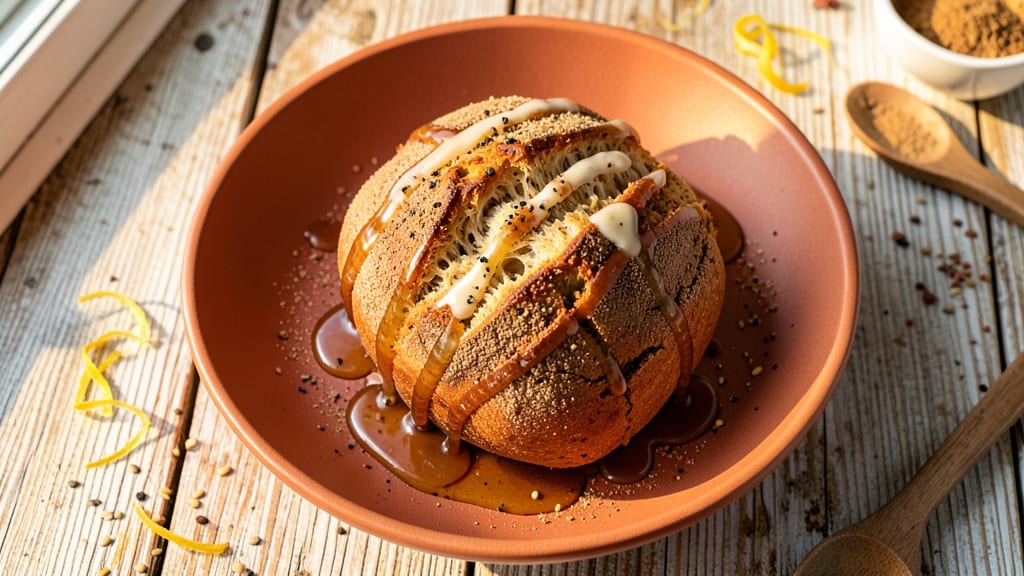
This brown rice flour sourdough recipe delivers a surprisingly tender loaf with a tangy crust and nutty depth—perfect for vegan baking. The key lies in nurturing a robust starter and balancing fermentation for optimal texture, avoiding the density common with gluten-free flours.
With patience and precise technique, you'll achieve a bread that rivals traditional sourdough in both flavor and structure.
The process begins with cultivating a lively starter using brown rice flour, which develops complex flavors over days. Once active, the dough requires careful handling to encourage gluten development despite the flour's limitations. Baking at high heat creates that coveted crust while keeping the interior moist.
For those new to sourdough, this recipe offers a forgiving yet rewarding path to homemade bread with impressive depth of character.
Ingredients for brown rice flour sourdough
Precision-milled brown rice flour and a lively starter create this vegan sourdough's signature tangy crust and nutty depth.
| Ingredient | Amount | Notes |
|---|---|---|
| Brown Rice Flour 🌾 | 4 cups | Finely milled, unbleached preferred |
| Active Sourdough Starter 🍞 | 1 cup | 100% hydration, bubbly and active |
| Filtered Water 💧 | 1 ½ cups | Room temperature, 75°F |
| White Vinegar 🍶 | 1 tbsp | For starter acidity balance |
| Non-Dairy Milk 🥛 | ½ cup | Unsweetened almond or oat milk |
| Maple Syrup 🍁 | 2 tbsp | Grade B for robust flavor |
| Psyllium Husk Powder 🌿 | 1 tbsp | For gluten development substitute |
| Salt 🧂 | 1 ½ tsp | Fine sea salt, Diamond Crystal |
| Vegan Butter 🧈 | 2 tbsp | Miyoko's or Earth Balance |
| Flaxseed Meal 🌱 | 1 tbsp | For dough elasticity |
| Active Dry Yeast 🍄 | ¼ tsp | Optional for fermentation boost |
| Cornmeal 🌽 | ¼ cup | For baking surface dusting |
The brown rice flour is the foundation—opt for Bob's Red Mill or Anthony's Goods for optimal gluten development. Unbleached varieties preserve more nutrients and yield a lighter crumb. For the starter, 100% hydration with brown rice flour creates the right acidity profile, though a small amount of white whole wheat flour (10%) can improve elasticity if needed. Miyoko's or Nuts & Seeds carry excellent vegan butter options for the dough enrichment, though homemade coconut oil butter works in a pinch. Psyllium husk is critical for mimicking gluten's structure—Now Foods brand is widely available and reliable.
No psyllium husk? Ground flaxseed at double the amount provides similar binding properties, though texture will differ slightly. Active dry yeast can be omitted entirely for a pure sourdough fermentation, but adding 0.25 tsp reduces fermentation time by 2-3 hours—ideal for busy schedules. Maple syrup substitutes effectively for honey, with Grade B offering the deepest caramel notes. The non-dairy milk should be unsweetened to avoid interfering with fermentation, though a neutral-tasting oat milk adds subtle sweetness. For the vinegar, apple cider vinegar works equally well but may impart slight fruity undertones.
Store the brown rice flour in an airtight container away from light to prevent rancidity—lasts 6-12 months at room temperature. The sourdough starter thrives in a glass jar on the counter, fed daily with equal parts flour and water. Once discarded, the flaxseed meal keeps 3 months refrigerated, while psyllium husk maintains potency for 12 months in a sealed container. The baked loaf reheats beautifully—wrap in a clean kitchen towel and warm in a 350°F oven for 10 minutes to restore freshness.
Why You'll Love This Recipe
- No-Fuss Dough: I mix it in a bowl—no kneading, no fuss—just brown rice flour, starter, and water. The vinegar keeps it light, and honestly? My hands stay clean while the flavor builds.
- Nutty Tang Twist: That brown rice flour gives it a deep, toasty warmth, while the sourdough starter adds a bright, tangy lift. The non-dairy milk rounds it out—rich but not heavy, like a hug in bread form.
- Lunchbox Legend: Slice it thick, toast it crisp, and pack it for days. It holds up better than most bread, stays fresh without drying out, and my kids actually ask for it in their lunches. (Yes, even on a Tuesday.)
- Budget Magic: Brown rice flour’s cheap, starter lasts forever, and a little vinegar goes a long way. I’ve made loaves for under $3—no compromises, just solid, flavorful bread that won’t break the bank.
Step-by-step instructions for brown rice flour sourdough
This method delivers a perfectly balanced loaf with crisp crust and tender crumb.
Prepare the Dough Base
In a large mixing bowl, combine the 4 cups brown rice flour, 1 tbsp psyllium husk powder, 1.5 tsp salt, and 0.25 tsp active dry yeast. Whisk thoroughly to eliminate any flour pockets. Create a well in the center and add the 1 cup active sourdough starter, 1.5 cups filtered water, 0.5 cup non-dairy milk, 2 tbsp maple syrup, and 1 tbsp flaxseed meal. Mix with a wooden spoon until a shaggy dough forms.
Cover the bowl with a damp kitchen towel and let rest for 15 minutes. This initial hydration period allows the psyllium husk to fully activate and begin developing gluten substitutes. The dough should become more cohesive but still slightly sticky—this is normal for brown rice flour blends. If it feels too dry, add 1 tablespoon filtered water at a time until it reaches a workable consistency.
Develop the Dough Structure
Using your hands, knead the dough gently on a lightly floured surface for 5-7 minutes. The goal here is to develop some elasticity without overworking the gluten substitutes. You'll notice the dough becomes smoother and more pliable as the psyllium husk begins to bind. If it sticks excessively, wet your hands slightly to prevent tearing.
Return the dough to the bowl, cover again, and let ferment at room temperature for 4-6 hours. You're looking for about 50% volume increase—the dough should rise noticeably and develop small bubbles on the surface. Brown rice flour ferments differently than wheat flour, so don't expect dramatic rises. The dough should feel slightly springy when poked gently with a finger.
Shape and Final Proof
Lightly dust a clean work surface with 0.25 cup cornmeal and transfer the dough. Shape it into a round boule by pulling the edges toward the center and tucking them underneath. The surface should be smooth but slightly rough—this prevents sticking during baking. Place the shaped dough seam-side up in a well-floured proofing basket or bowl.
Cover and let proof for an additional 2-3 hours until the dough has nearly doubled in size. The top should look slightly domed with visible expansion along the sides. For best results, proof in a warm environment (78-82°F). If your kitchen is cooler, place the proofing basket on top of your oven with the light on to create gentle warmth.
Prepare for Baking
Preheat your oven to 425°F with a Dutch oven inside for 45 minutes. This creates the perfect steam environment for crust development. While the oven heats, gently score the dough with a sharp razor or knife—cut about ¼-inch deep in a simple pattern (like a cross or diagonal). This prevents over-expansion and creates visual interest.
Carefully transfer the dough to the hot Dutch oven using a well-floured towel. Bake covered for 30 minutes, then remove the lid and bake uncovered for an additional 15-20 minutes until the crust is deep golden brown and the internal temperature reaches 205°F. The bread should sound hollow when tapped on the bottom. If the crust browns too quickly, tent loosely with foil to prevent burning.
Cool and Serve
Remove the bread from the Dutch oven and transfer to a wire rack to cool completely. This resting period (at least 1 hour) is crucial—it allows the internal structure to set and prevents a gummy crumb. The crust will firm up as it cools, developing that characteristic tangy depth from the sourdough fermentation.
Slice with a serrated knife for clean cuts through the dense crumb. The interior should reveal an open yet tender texture with subtle nutty undertones from the brown rice flour. Serve warm with vegan butter or your favorite plant-based spread for the ultimate flavor experience.
Pro Tips For Making Brown Rice Flour Sourdough
- WEIGH THE FLOUR: I learned this the hard way—brown rice flour is dense. Scooping it straight from the bag packs it down, and your dough will end up heavier than the recipe intends. Use a kitchen scale for accuracy, and if you’re measuring by volume, fluff the flour first with a fork, then scoop and level. Trust me, your rise will thank you.
- ACIDIFY THE MILK: White vinegar and non-dairy milk? That combo needs time to mingle. Mix them together and let them sit for at least 10 minutes before adding to the dough. I used to skip this, and my sourdough always tasted flat—like someone forgot the tang. The acidity curdles the milk slightly, which actually improves hydration and flavor.
- STOP OVER-KNEADING: Brown rice flour dough is delicate. It doesn’t need the aggressive stretching and folding of wheat-based doughs. Work it just until the starter is evenly distributed—about 5 minutes by hand or 3-4 minutes in a stand mixer. Overdo it, and you’ll activate too much gluten, making the bread dense and gummy. Less is more here.
- USE COLD WATER: This isn’t just a shortcut—it’s a game-changer. Mixing your starter with cold filtered water (around 60°F/15°C) slows fermentation just enough to give you control. I used to use room-temp water, and my dough would balloon too fast, collapsing under its own weight. Cold water buys you time without sacrificing rise.
Creative variations of this dish
Sweet & Savory Twist
Add 1 tbsp cinnamon and ½ tsp cardamom to the dough for a warm, spiced variation that pairs beautifully with vegan butter and jam. I like using Bob's Red Mill cinnamon for consistent flavor.
For extra richness, fold in ¼ cup chopped walnuts during the final knead—they add crunch and complement the nutty rice flour base. 🍂
Herb-Infused Crust
Boost the crust's complexity by mixing 1 tbsp dried rosemary or 1 tbsp fresh thyme directly into the dough. The herbs infuse the crust with aromatic depth while keeping the interior tender.
For a Mediterranean touch, add ½ tsp dried oregano alongside the salt. Fresh herbs like thyme should be finely chopped to distribute evenly.
Seed-Enhanced Nutrition
Incorporate 2 tbsp chia seeds or 2 tbsp pumpkin seeds into the dough for added texture and nutrition. These seeds provide omega-3s and a satisfying crunch.
For a visual contrast, sprinkle 1 tbsp sesame seeds on top before baking. I recommend Annie's Organic chia seeds for their consistent quality and mild flavor.
Whole Grain Blend
Replace 1 cup brown rice flour with 1 cup whole wheat flour or 1 cup buckwheat flour for a heartier texture. This blend increases fiber content while maintaining the sourdough's signature tang.
For best results, use King Arthur whole wheat flour, which has better gluten development than some store brands. Adjust hydration slightly if the dough becomes too stiff.
Spiced Maple Glaze
Brush the baked loaf with a glaze made from 2 tbsp maple syrup, ½ tsp vanilla extract, and a pinch of cayenne pepper for a sweet-spicy finish.
This glaze enhances the bread's natural tang while adding a subtle heat. Apply the glaze during the last 5 minutes of baking for a glossy, caramelized crust. 🔥
Savory Garlic Version
Infuse the dough with 2 minced garlic cloves and 1 tsp garlic powder for a savory twist. This variation pairs perfectly with vegan soups or roasted vegetables.
For extra depth, add 1 tbsp nutritional yeast—it provides a cheesy flavor without dairy. I recommend Bragg nutritional yeast for its rich umami profile.
Nutrition facts
Frequently asked questions
Can I substitute brown rice flour with other gluten-free flours?
Yes, but results will vary. For best texture, use a 1:1 blend of brown rice flour with white rice flour or buckwheat flour. Avoid almond flour—it lacks the necessary starch structure. If substituting 100% sorghum flour, reduce hydration by 1 tbsp to prevent stickiness. Always test small batches first!
Why does my brown rice flour sourdough taste bland?
Brown rice flour lacks gluten, so flavor development depends on proper fermentation. Increase fermentation time by 1-2 extra hours or boost acidity with ½ tsp extra vinegar in the starter. For depth, add 1 tbsp nutritional yeast to the dough—it adds umami without dairy. Toasting the flour lightly before mixing also enhances nutty notes.
How do I fix a dense, gummy sourdough loaf?
Density usually means underproofed dough or insufficient gluten development. Next time, proof until the dough nearly doubles (2-3 hours) and incorporate 1 extra tbsp psyllium husk for structure. For gummy texture, ensure the Dutch oven is hot before adding dough and bake 5°F higher for 10 extra minutes. Cooling on a rack for 2+ hours also helps set the crumb.
Can I make this recipe without a Dutch oven?
Use a heavy oven-safe skillet or line a baking sheet with parchment paper and place a metal bowl filled with boiling water on the lower rack to create steam. Score the dough deeply and bake at 400°F for 40-45 minutes, covering loosely with foil halfway through. The crust won't be as crisp, but the interior will still be tender.
How long does the sourdough starter last?
A brown rice flour starter stays active for 1-2 weeks in the fridge if fed weekly (discard half before adding 1 cup flour + 1 cup water). For long-term storage, freeze portions in ice cube trays—thaw and revive by feeding daily for 3 days. If it smells vinegary or fails to bubble, start fresh with ½ cup flour + ½ cup water and wait 5-7 days for activity.