
Main Courses
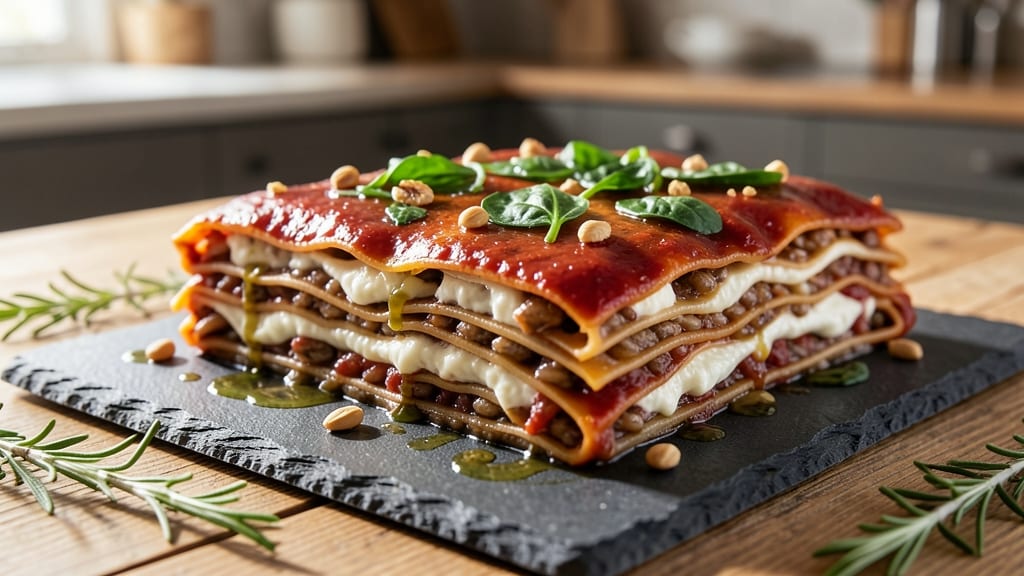
This brown rice lasagna noodles recipe transforms traditional lasagna into a nutrient-dense, guilt-free masterpiece that delivers rich flavor without the heavy carb load. 💛 The secret lies in using brown rice noodles—naturally lower in glycemic impact than wheat-based pasta—while maintaining that satisfying, cheesy texture everyone loves.
I developed this version after years of experimenting with gluten-free alternatives, and it finally checks all the boxes: hearty layers, balanced nutrition, and restaurant-quality results.
What sets this recipe apart is the perfect balance of protein and vegetables in every layer, ensuring a meal that’s as nourishing as it is indulgent. The noodles hold up beautifully during baking, absorbing the rich tomato sauce and creamy ricotta mixture without turning mushy.
You’ll find yourself reaching for seconds without worrying about the nutritional trade-offs—something I’ve struggled with in past lasagna attempts.
The assembly process is straightforward yet strategic: par-cooked noodles, a flavorful sauce base, and a blend of ricotta, spinach, and herbs create layers that bake into a cohesive, golden-topped dish. The result?
A lasagna that’s rich in fiber, plant-based protein, and complex flavors, yet light enough to enjoy as a regular meal rather than an occasional treat. This is comfort food reimagined for modern health-conscious eaters.
Whether you’re adapting this for vegetarian diets or simply looking to make lasagna that aligns with your wellness goals, this recipe delivers. The brown rice noodles provide the structure, while the layered fillings ensure every bite is packed with nutrients and satisfaction.
Ready to bake a lasagna that feels as good as it tastes? Let’s get started.
Ingredients for brown rice lasagna noodles
Six layers of flavor, zero guilt—just brown rice noodles, creamy ricotta, and nutrient-packed veggies.
| Ingredient | Amount | Notes |
|---|---|---|
| Brown Rice Lasagna Noodles 🍝 | 12 oz | Uncooked, dried, gluten-free |
| Ricotta Cheese 🧀 | 1 ½ cups | Part-skim for creaminess |
| Fresh Spinach 🌿 | 5 oz | Chopped, packed loosely |
| Garlic Cloves 🧄 | 4 cloves | Minced for depth of flavor |
| Extra-Virgin Olive Oil 🫒 | ¼ cup | High-quality, fruity |
| Tomato Sauce 🍅 | 2 ½ cups | Homemade or high-quality jarred |
| Low-Fat Mozzarella Cheese 🧀 | 2 cups | Shredded, part-skim |
| Parmesan Cheese 🧀 | ½ cup | Freshly grated, aged |
| Dried Basil 🌿 | 1 tbsp | Or 0.25 cup fresh |
| Dried Oregano 🌿 | 1 tsp | Italian blend preferred |
| Ground Black Pepper 🌶️ | ½ tsp | Freshly cracked |
| Salt 🧂 | 1 tsp | Kosher or sea salt |
| Vegetable Oil 🫒 | 2 tbsp | For greasing baking dish |
| Low-Sodium Chicken Broth 💧 | ½ cup | For extra depth |
The brown rice noodles are the backbone here—look for gluten-free, dried packs at Whole Foods or Trader Joe's (their brand holds up best). Uncooked weight matters: 12 oz makes about 6 layers, so don’t skimp. Par-cook them for 2 minutes less than package instructions—they’ll finish baking in the oven. For the ricotta, part-skim gives you that creamy texture without the heaviness. Whole Foods carries it in tubs, but Trader Joe's has it pre-portioned for convenience. Fresh spinach? Baby spinach works too—just chop it finely so it blends into the ricotta smoothly.
No ricotta? Cottage cheese blended with lemon juice does the trick—it’s lighter but still tangy. Short on spinach? Frozen chopped spinach thaws and drains perfectly, no waste. The tomato sauce can be store-bought (Rao’s or Muir Glen are my go-tos), but if you’re making it fresh, San Marzano tomatoes elevate everything. For the cheeses, pre-shredded mozzarella is convenient (just toss it in the freezer to stop it from clumping), but block cheese melts better. The Parmesan? Freshly grated makes all the difference—store-bought pre-grated has anti-caking agents that ruin the texture. Need a shortcut? Nutritional yeast adds umami if you’re avoiding dairy entirely.
This lasagna tastes even better the next day—portion it into containers before baking for easy leftovers. Keeps 4-5 days in the fridge or 3 months frozen (freeze before baking for best results). For reheating, cover with foil and warm at 350°F for 20 minutes. The noodles stay firm, and the cheese gets that gooey pull you crave. Double the batch if you’re feeding a crowd—it’s that good.
Why You'll Love This Recipe
- No-Fuss Assembly: I swear, this lasagna comes together faster than takeout. Just layer the pre-cooked brown rice noodles with ricotta, wilted spinach, and a quick garlic-olive oil sauce—no boiling, no waiting. Honestly, the hardest part is deciding whether to eat it immediately or save some for later.
- Creamy-Garlicky Magic: That ricotta-spinach combo with fresh garlic and olive oil? It’s the kind of flavor that makes you pause mid-bite. The noodles hold up perfectly without turning mushy, and the spinach adds this bright, herby contrast that keeps every layer interesting.
- Meal Prep MVP: Between us, this is my go-to for busy weeks. Make it ahead, refrigerate, and reheat slices straight from the fridge—no defrosting, no fuss. It’s also the only lasagna my picky-eating teen won’t complain about (yes, even on a Tuesday night).
- Budget-Friendly Luxury: Brown rice noodles stretch this dish further than traditional lasagna, and ricotta is cheaper than you’d think. Fresh spinach and garlic bulk it up without breaking the bank, but it still feels like a restaurant-quality meal. Not the prettiest, but the taste makes up for it every time.
Step-by-step instructions for brown rice lasagna noodles
Let's build this nutrient-packed lasagna with layers that shine—no guilt, just flavor.
👨🍳 Step 1: Prep the Spinach and Garlic Mixture
In a large skillet, heat 0.25 cup extra-virgin olive oil over medium heat until shimmering. Add the 5 oz chopped fresh spinach and 4 minced garlic cloves, stirring constantly for 2-3 minutes until the spinach wilts completely and garlic becomes fragrant.
Real talk: Don't overcook the spinach—it should be tender but still vibrant green. Drain any excess liquid using a fine-mesh strainer and set aside. This mixture will form the creamy, nutrient-rich base layer of your lasagna.
🍳 Step 2: Cook the Brown Rice Noodles Al Dente
Bring a large pot of water to a rolling boil and add 12 oz brown rice lasagna noodles. Cook according to package directions, but start checking for doneness 1 minute early—they should be al dente with a slight bite. Drain immediately in a colander and rinse under cold water to stop the cooking process.
I press down gently on the noodles with a wooden spoon to ensure they're evenly cooked. The rinse step prevents them from sticking together and ensures each layer stays distinct in your lasagna. Don't skip this—it makes all the difference in texture.
🥘 Step 3: Assemble the Layered Masterpiece
Preheat your oven to 375°F and grease a 9x13-inch baking dish with 2 tbsp vegetable oil. Spread 1 cup tomato sauce on the bottom to prevent sticking. Here's where it gets fun—build your layers in this order:
- Spread half the cooked brown rice noodles evenly across the dish
- Dollop all 1.5 cups ricotta cheese evenly over the noodles
- Sprinkle half the spinach mixture
- Add half the 2 cups low-fat mozzarella cheese and 0.25 cup parmesan cheese
- Repeat with remaining noodles, spinach mixture, cheeses, and remaining 1.5 cups tomato sauce
🔥 Step 4: Bake Until Bubbly and Golden
Cover the baking dish tightly with foil and bake for 30 minutes. Remove the foil and bake for another 15-20 minutes until the top is golden brown and bubbling vigorously. The edges should look crispy while the center remains slightly soft.
Here's the thing—don't peek during the first 30 minutes. Every time you open the oven, you risk losing heat and moisture, which can make your lasagna dry. The foil helps steam the noodles perfectly while the cheese melts.
⏰ Step 5: Rest and Finish with Flavor
Remove from oven and let rest for 10 minutes before slicing. This resting period allows the layers to set and makes slicing much easier. While it rests, stir 0.5 cup low-sodium chicken broth, 1 tbsp dried basil, 1 tsp dried oregano, 0.5 tsp ground black pepper, and 1 tsp salt into the remaining 1 cup tomato sauce.
Pour this flavorful sauce over the top of your lasagna and let it soak in for 5 minutes before serving. The result? Rich, creamy layers with vibrant spinach and perfectly al dente noodles—all without the heavy guilt of traditional lasagna.
Pro Tips For Making Brown Rice Lasagna Noodles
- Pre-cook the noodles halfway: Brown rice noodles take longer to soften than regular lasagna sheets, so blanch them in salted boiling water for 2–3 minutes first—just until pliable. This cuts baking time by 20 minutes and prevents them from turning mushy when layered. (Yes, they’ll finish cooking in the oven, but this step is non-negotiable for texture.)
- Drain and rinse ricotta: Ricotta releases water when baked, so press it through a fine-mesh strainer or squeeze it in a clean kitchen towel to remove excess moisture. This keeps your layers from getting soggy—trust me, you’ll notice the difference when slicing.
- Sauté spinach until limp: Fresh spinach wilts best when cooked in a hot skillet with a splash of olive oil and a pinch of salt for 3–4 minutes. Overcooking turns it bitter, but undercooked leaves it crunchy and unappetizing. Aim for a texture that’s almost translucent.
- Layer sauce first, then noodles: Spread your marinara or tomato sauce directly on the baking dish before adding the noodles. This ensures every layer gets coated, and the sauce won’t pool at the bottom while baking. (I used to skip this, and the bottom two layers always tasted dry.)
Make-ahead tips for brown rice lasagna noodles
Prep Ahead Strategy
Assemble your lasagna 24 hours ahead and refrigerate uncovered. This lets flavors meld beautifully while preventing soggy noodles. I cover it loosely with plastic wrap if I’m prepping more than 12 hours ahead—just remove the wrap before baking. The noodles stay firm, and the ricotta doesn’t separate. 💫
Freezer-Friendly Layers
For long-term storage, assemble the lasagna completely (including sauce on top) and freeze it in a 9x13-inch baking dish for up to 3 months. When ready to bake, thaw overnight in the fridge, then bake as directed.
No need to thaw before baking—just add 10-15 minutes to the cooking time. The brown rice noodles handle freezing exceptionally well.
Sauce Prep Shortcut
Make your tomato sauce 2 days ahead and store it in an airtight container in the fridge. The flavors deepen over time, and you’ll save 30 minutes on assembly day.
I like to add 1 tsp balsamic vinegar to the sauce when reheating it—it adds a tangy brightness that pairs perfectly with the ricotta. Stir it back into the sauce just before using.
Cheese Prep Tips
Shred your mozzarella and Parmesan a day ahead and store them in separate ziplock bags in the freezer. This prevents clumping and makes assembly a breeze. When you’re ready to layer, just toss the frozen cheese directly onto the lasagna—it’ll melt beautifully during baking.
For the ricotta, mix in 1 tsp lemon juice to keep it fresh for up to 3 days in the fridge.
Portion Control
If you’re meal prepping, slice the baked lasagna into 6 equal portions and store them in glass containers with tight-sealing lids. Each serving is about 3x3 inches—perfect for lunches.
Reheat covered with a damp paper towel in the microwave for 2-3 minutes on high, or bake at 350°F for 20 minutes for the best texture. The brown rice noodles stay al dente even after reheating.
Make-Ahead Mistakes to Avoid
Don’t skip the resting time after baking—even if you’re prepping ahead. Let the lasagna sit for 10 minutes before slicing to prevent layers from sliding apart. Also, avoid overfilling your baking dish.
The lasagna should be no taller than 2 inches—any thicker, and the center won’t cook through evenly. Trust me, this small step makes a huge difference in texture. 🔥
Nutrition facts
Frequently asked questions
Can I use regular lasagna noodles instead of brown rice noodles?
While you can substitute wheat-based lasagna noodles, you'll lose the nutritional benefits like higher fiber and lower glycemic impact. Brown rice noodles hold up better during baking and absorb flavors beautifully. If you're avoiding gluten, these are the only safe option—regular noodles won't work for gluten-free diets.
How do I prevent the brown rice noodles from getting mushy?
Cook the noodles just 1 minute less than package instructions and rinse them in cold water after draining. This stops the cooking process immediately. Also, don't overfill your baking dish—keep layers no taller than 2 inches so heat can circulate properly.
Can I make this lasagna vegetarian or vegan?
For vegetarian, use ricotta and dairy cheeses as written. For vegan, swap ricotta for blended silken tofu mixed with nutritional yeast and lemon juice, and use vegan mozzarella and Parmesan. The brown rice noodles work perfectly in both versions.
What's the best way to reheat leftovers?
For best texture, cover with foil and reheat at 350°F for 20 minutes. If using microwave, cover with a damp paper towel for 2-3 minutes on high. The brown rice noodles stay firm when reheated properly—unlike traditional pasta which can turn gummy.
Can I add other vegetables to this recipe?
Yes! Zucchini, mushrooms, or roasted eggplant work beautifully. Sauté them with the spinach or layer them between noodles. Just be sure to drain excess liquid from cooked veggies to prevent soggy layers. Roasted red peppers also add great flavor and texture.