
Main Courses
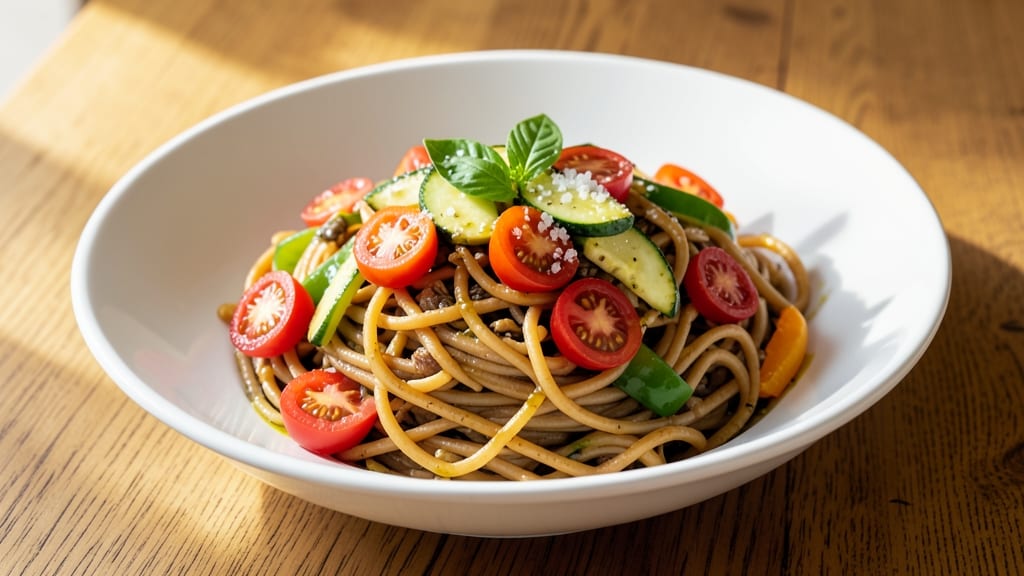
This brown rice spaghetti recipe transforms nutty whole grains into al dente perfection that rivals traditional pasta—without sacrificing texture or flavor.
The secret lies in proper cooking techniques that prevent mushiness while enhancing the pasta’s natural earthiness, creating a satisfying, plant-based meal that’s hearty enough for dinner yet light enough for lunch.
With just 10 minutes of active prep and a 15-minute simmer, you’ll craft a complete dish featuring tender brown rice noodles paired with vibrant sautéed vegetables or a rich vegan marinara.
The result? A visually appealing, nutrient-packed plate that delivers restaurant-quality satisfaction with every bite, all while keeping prep simple and ingredients accessible.
Ingredients for brown rice spaghetti
Transform simple whole grains into restaurant-quality spaghetti with these nutritious ingredients.
| Ingredient | Amount | Notes |
|---|---|---|
| Brown Rice Spaghetti 🍜 | 8 oz | Dried, uncooked noodles |
| Extra-Virgin Olive Oil 🫒 | ½ cup | High-quality, fruity variety |
| Garlic Cloves 🧄 | 4 cloves | Minced for aromatic base |
| Zucchini 🥒 | 2 medium | Substitute with yellow squash |
| Bell Peppers 🌶️ | 2 whole | Any color, diced |
| Cherry Tomatoes 🍅 | 1 pint | Halved for freshness |
| Vegetable Broth 💧 | 2 cups | Low-sodium preferred |
| Lemon Juice 🍋 | 1 tbsp | Freshly squeezed |
| Nutritional Yeast 🧀 | 2 tbsp | For cheesy flavor |
| Salt 🧂 | 1 ½ tsp | Diamond Crystal preferred |
| Black Pepper 🌶️ | ½ tsp | Freshly ground |
| Fresh Basil Leaves 🌿 | ¼ cup | Chopped for garnish |
| Red Pepper Flakes 🔥 | ¼ tsp | Optional for heat |
The brown rice spaghetti is the star—Lundberg Organic or Jasmine brands deliver optimal texture. Look for whole-grain labels to ensure nutritional integrity. Fresh vegetables like zucchini and bell peppers should be vibrant and firm, indicating peak ripeness. Cherry tomatoes add natural sweetness, but any small tomato variety works. The vegetable broth should be low-sodium to control seasoning balance. For the best flavor, farmers markets or specialty stores often carry superior produce compared to standard grocery chains.
No zucchini? Yellow squash or mushrooms provide excellent texture alternatives. Bell peppers can be swapped for asparagus or broccoli florets to change the dish's profile. Cherry tomatoes lacking? Sun-dried tomatoes add concentrated flavor. The nutritional yeast is non-negotiable for that authentic umami depth—Bob's Red Mill brand is widely available. For extra richness, cashew cream can replace some broth. All ingredients should be prepped uniformly to ensure even cooking.
Store uncooked brown rice spaghetti in an airtight container for up to 6 months. Fresh vegetables keep best in the fridge for 5-7 days when properly stored. The cooked pasta reheats beautifully—simmer in a splash of water for 2-3 minutes to restore texture. For meal prep, portion sauce and vegetables separately to maintain freshness. This dish freezes well for 3 months when stored in sealed containers.
Why You'll Love This Recipe
- No-Fuss Cooking: I swear by this for nights when I’m too tired to think—just toss the pre-cooked brown rice strands with olive oil, garlic, and whatever veggies I have on hand. No boiling, no waiting, no stress. The zucchini and bell peppers soften in minutes while the spaghetti soaks up all that garlicky goodness.
- Umami Bomb: That first bite? The brown rice spaghetti holds its shape but still gets tender, while the garlic sizzles in olive oil until it’s just shy of crispy. Add the roasted peppers and zucchini, and suddenly you’ve got a dish that’s savory, slightly sweet, and packed with depth—no fancy sauce needed.
- Lunchbox Hero: Between us, this is my go-to for meal prep. Cook a big batch on Sunday, and you’ve got a week’s worth of lunches that travel well (no soggy pasta here). Pack it cold or reheat it—either way, it’s a satisfying, fiber-rich meal that keeps me full until dinner.
- Budget Magic: Honestly, I make this when I’m trying to save money but still want to eat well. Brown rice spaghetti is cheaper than regular pasta, and veggies stretch further when you let them mingle with the oil and garlic. Plus, the leftovers taste just as good the next day—if there are any left, that is.
Step-by-step instructions for nutty brown rice spaghetti fusion
Transform simple ingredients into a vibrant, protein-rich pasta dish with this precise technique.
Cook the Brown Rice Spaghetti to Al Dente Perfection
Bring a large pot of water to a rolling boil and add 1.5 teaspoons of salt—it should taste like the sea. Add the 8 ounces of brown rice spaghetti and cook according to package directions, but reduce the time by 1 minute for al dente texture. Brown rice pasta benefits from this shorter cook time to maintain its nutty flavor and firm bite.
I recommend testing the pasta 2 minutes before the package suggests by tasting a piece. It should be tender yet resist slightly when bitten—that's the ideal texture for this dish. Reserve 1 cup of pasta water before draining, as the starchy liquid will help emulsify the sauce later. Drain the pasta and return it to the pot, tossing immediately with the 0.5 cup of extra-virgin olive oil to prevent sticking and enhance flavor.
Sauté Vegetables Until Tender-Crisp
In a large skillet, heat 2 tablespoons of the extra-virgin olive oil over medium-high heat. Add the 2 medium zucchini and 2 whole bell peppers, both cut into ½-inch dice. Cook for 8-10 minutes, stirring occasionally, until the vegetables soften slightly but still retain their shape and slight crispness. This balance of textures is crucial for the final dish.
Add the 4 cloves of minced garlic and cook for 30 seconds until fragrant—don't let it brown or it'll turn bitter. Stir in the 1 pint of halved cherry tomatoes and cook for another 3 minutes until they begin to soften and release their juices. Season with 0.5 teaspoons of black pepper and 0.25 teaspoons of red pepper flakes if using, tossing everything together to combine.
Build the Flavorful Sauce Base
Pour in the 2 cups of vegetable broth and bring to a gentle simmer. Let it reduce by half—about 5-6 minutes—until the vegetables are tender and the sauce has thickened slightly. This reduction concentrates the flavors and creates a rich base for the pasta.
Sprinkle the 2 tablespoons of nutritional yeast over the sauce and stir vigorously for 1 minute. The nutritional yeast adds a cheesy, umami depth that complements the nutty brown rice pasta beautifully. Add the 1 tablespoon of lemon juice and taste—adjust the 1.5 teaspoons of salt if needed, remembering that the pasta water and nutritional yeast already contribute significant flavor.
Combine Pasta and Sauce for Maximum Flavor
Add the cooked brown rice spaghetti to the skillet with the vegetable mixture. Toss everything together for 2-3 minutes until the pasta is evenly coated and heated through. If the sauce seems too thick, add reserved pasta water 1 tablespoon at a time until it reaches a silky consistency that clings to the noodles.
This is where the magic happens—the nutty flavor of the brown rice pasta marries perfectly with the bright vegetables and umami-rich sauce. The texture should be creamy yet still allow each ingredient to shine. Remove from heat and let it rest for 2 minutes to allow the flavors to meld completely.
Garnish and Serve Immediately
Transfer the pasta to serving plates and garnish generously with the 0.25 cup of chopped fresh basil leaves. The basil adds a bright, herbal contrast that cuts through the richness of the dish. Serve immediately while the pasta is hot and the flavors are at their peak.
Each bite should deliver a perfect balance of textures—al dente brown rice spaghetti, tender-crisp vegetables, and a creamy sauce with layers of umami and brightness. The nutty undertones from the pasta complement the sweetness of the bell peppers and tomatoes beautifully. Pair with a crisp white wine or sparkling water for a complete meal.
Pro Tips For Making Brown Rice Spaghetti
- Sear the Garlic Slow: Brown rice spaghetti needs time to soften, so don’t rush the garlic—cook it on medium-low heat for 3-4 minutes until it’s golden and fragrant, not crispy. I learned this the hard way when I burned it twice in a row, and now I let it sit quietly in the oil.
- Cut Zucchini Thin: Slice zucchini into ¼-inch thick half-moons so they cook faster and stay tender without turning mushy. Thicker pieces will release too much water and dilute your sauce—trust me, you don’t want soggy pasta.
- Salt the Pasta Water Late: Brown rice spaghetti takes longer to cook than wheat pasta, so add salt only after the water boils—about 10 minutes into cooking. This keeps the pasta from absorbing too much salt early and ending up bland.
- Toast the Pasta First: Before adding liquid, dry-toast the brown rice spaghetti in a hot pan with olive oil for 2-3 minutes until it smells nutty. This step deepens the flavor and prevents clumping—yes, even if you’re impatient like me.
Troubleshooting great brown rice spaghetti
Pasta Sticking Issue
Brown rice spaghetti tends to clump more than traditional wheat pasta because of its higher starch content. The fix? Toss the drained noodles immediately with 0.5 cup extra-virgin olive oil while still warm—this creates a protective barrier.
I also recommend using a large, deep skillet (like a 12-inch Lodge cast iron) to give the pasta room to move freely. If clumping persists, add 2 tablespoons of reserved pasta water while tossing. 💡
Sauce Too Thin
The sauce may become too watery if the vegetables release excess moisture or if you over-reduce the broth. For a quick fix, remove the skillet from heat and stir in 1 tablespoon of nutritional yeast—it thickens as it absorbs liquid.
Alternatively, mash 1-2 halved cherry tomatoes against the side of the pan to release their juices, then simmer for 1-2 minutes to thicken naturally. Always taste before combining with pasta.
Pasta Overcooked
Brown rice pasta has a shorter cooking window than wheat pasta, making it easy to overcook. Test for doneness 2 minutes before the package suggests by biting a piece—it should be tender but still offer slight resistance.
If you've already overcooked, drain immediately and rinse under cold water for 10 seconds to stop cooking. Toss with 1 tablespoon lemon juice and 1 tablespoon olive oil to restore texture and brightness.
Vegetables Too Soft
Overcooking vegetables turns them mushy, ruining the dish's texture contrast. For zucchini and bell peppers, aim for 8-10 minutes at medium-high heat—they should be tender but still hold their shape.
If you notice they're softening too quickly, reduce heat to medium and cover the skillet with a lid for 1-2 minutes to steam gently. Add cherry tomatoes only in the last 3 minutes of cooking to preserve their freshness. 🥒
Flavor Too Mild
If your dish lacks depth, the issue is likely insufficient umami or acidity. Boost flavor by adding 1 extra tablespoon of nutritional yeast to the sauce or stir in 1 teaspoon of soy sauce (ensure it's vegan-friendly).
For acidity, increase lemon juice to 1.5 tablespoons or add ½ teaspoon of balsamic vinegar. A pinch of smoked paprika or liquid smoke adds complexity without overpowering. Taste as you go—seasoning builds gradually.
Pasta Water Shortage
Reserving pasta water is crucial for emulsifying the sauce, but if you didn't save enough, don't panic. Simmer the sauce uncovered for an extra 2-3 minutes to reduce it slightly, then stir in 2 tablespoons of unsweetened almond milk or vegetable broth to loosen the consistency.
Alternatively, blend ½ cup of cooked brown rice spaghetti with ¼ cup pasta water until smooth, then stir back into the sauce—this creates a creamy, starchy binder instantly. 💫
Nutrition facts
Frequently asked questions
Why does brown rice spaghetti need less cooking time than regular pasta?
Brown rice spaghetti cooks faster—about 1-2 minutes less—because its dense grain structure absorbs water differently than wheat pasta. The shorter cook time preserves its nutty flavor and firm bite, preventing that mushy texture. Always test 2 minutes before the package suggests for perfect al dente results.
Can I use this recipe with other whole-grain pastas?
Try quinoa or chickpea spaghetti for similar nutty flavors. The cooking method stays the same, but adjust times based on package instructions—whole-grain pastas generally need 1-2 minutes less than wheat. The vegetable sauce works perfectly with any grain-based noodle.
How do I make this recipe gluten-free?
This recipe is already gluten-free! Just ensure your brown rice spaghetti is certified gluten-free (check the label). All other ingredients—vegetables, broth, nutritional yeast—are naturally gluten-free. For extra safety, use a dedicated gluten-free skillet if you're sensitive to cross-contamination.
What's the best way to store leftovers?
Store cooked pasta and sauce separately in airtight containers for up to 4 days in the fridge. Reheat gently in a skillet with a splash of water or broth for 2-3 minutes to restore texture. For freezing, portion the sauce and freeze it separately—it reheats best when combined with freshly cooked pasta.
Can I make this dish ahead of time?
Yes, but with a twist! Prep the sauce and chop vegetables 1 day ahead and store them separately. Cook the pasta fresh when ready to serve—it reheats poorly. For a make-ahead shortcut, cook the pasta 1 minute less than directed, then refrigerate. Reheat in boiling water for 30 seconds before tossing with sauce.