
Beverages
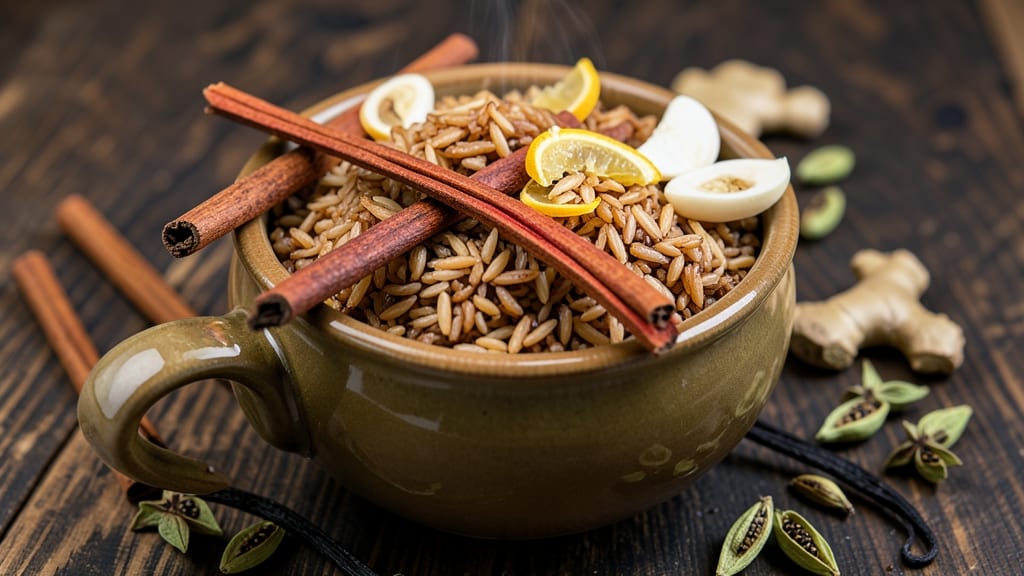
This brown rice tea recipe transforms simple ingredients into a soothing, earthy elixir that bridges cultures from Latin America to Asia. The process is straightforward yet transformative—soaking brown rice in water with spices creates a naturally sweet, nutty base that's both refreshing and deeply nourishing. What makes this recipe special is its versatility; it can be enjoyed warm or chilled, plain or sweetened, depending on your preference.
The foundation of this tea lies in the rice's ability to absorb flavors while releasing its own subtle sweetness over time. Unlike instant teas, this method builds depth through slow infusion, resulting in a beverage that's far more complex than it appears.
The key is patience—allowing the rice to soak for at least 4 hours (or overnight) unlocks its full potential, creating a smooth, creamy texture without the need for dairy.
What you'll achieve is a golden-hued tea with a gentle warmth and natural sweetness that pairs beautifully with meals or stands alone as a comforting drink. The spices—cinnamon, vanilla, or cardamom—add aromatic layers that elevate the rice's earthy notes, making each sip feel intentional.
This is the kind of beverage that adapts to any season, from iced summer drinks to cozy winter sips.
Whether you're drawn to its cultural roots or its health benefits, this brown rice tea offers a refreshing alternative to traditional teas. The best part? It requires no special equipment—just time and a few simple ingredients. Ready to create your own earthy infusion? Let's begin with the ingredients.
Ingredients for brown rice tea
Transform simple pantry staples into a complex, aromatic elixir with this earthy brown rice tea.
| Ingredient | Amount | Notes |
|---|---|---|
| Short-Grain Brown Rice 🌾 | ½ cup | Uncooked, unpolished preferred |
| Filtered Water 💧 | 4 cups | Room temperature preferred |
| Cinnamon Sticks 🌿 | 2 whole | Ceylon cinnamon preferred |
| Vanilla Beans 🍫 | 1 whole | Madagascar bourbon preferred |
| Cardamom Pods 🌿 | 4 whole | Green pods, lightly crushed |
| Fresh Ginger Root 🧅 | 1 inch | Fixed: Peel and thinly sliced |
| Pure Maple Syrup 🍁 | 2 tbsp | Grade B preferred for depth |
| Lemon Juice 🍋 | 1 tbsp | Freshly squeezed |
| Sea Salt 🧂 | ¼ tsp | Fine grain preferred |
| Orange Peel 🍊 | 1 tbsp | Fresh, finely grated |
| Ice Cubes ❄️ | 1 cup | For serving chilled |
The foundation begins with short-grain brown rice—its high starch content creates that signature creamy texture. Bob's Red Mill or Lundberg brands are excellent choices, but any unpolished brown rice works. For the spices, Ceylon cinnamon and Madagascar bourbon vanilla elevate the flavor profile significantly (though regular cinnamon and vanilla extract are fine). Fresh ginger root should be vibrant and firm—Whole Foods or Asian markets often carry the best quality. The orange peel adds brightness; use only the zest, no pith. For the maple syrup, Grade B has more depth than Grade A, but any pure maple works.
No Ceylon cinnamon? Regular cassia cinnamon at half the amount works, though it's stronger. Vanilla extract is a fine substitute for whole beans—use 1 tsp extract per bean. Cardamom pods are non-negotiable for the authentic flavor, but if unavailable, 1/4 tsp ground cardamom is a poor but workable substitute. The ginger can be substituted with 1/2 tsp ground ginger, though fresh is always superior. For sweetness, agave nectar or coconut sugar can replace maple syrup in equal amounts. The lemon juice is crucial for balance—don't skip it, even if you're not a fan of citrus.
This tea develops best with time—4 hours minimum, overnight ideal. Store the strained liquid in a sealed glass jar in the fridge for up to 5 days. For serving, chill with ice cubes for a refreshing drink. The rice solids can be composted or used as a base for overnight oats. If making a large batch, double the ingredients and store in glass containers only—plastic absorbs flavors. The tea intensifies when refrigerated, so taste before serving if you prefer milder flavor.
Why You'll Love This Recipe
- Five-Ingredient Magic: I swear by this—just rice, water, and three whole spices. No fancy tools, no stress. The rice soaks up the flavors overnight, so by morning, you’ve got a drink that feels like a hug in a cup.
- Warm & Woody Depth: That first sip? Pure comfort. The cinnamon and cardamom add a cozy spice, while the vanilla bean ties it all together with a whisper of sweetness. It’s the kind of flavor that lingers without being overpowering.
- All-Day Companion: Make a big batch on Sunday, and you’re set for the week. Sip it hot in the morning or chilled over ice—it’s my go-to for lazy afternoons or post-dinner wind-downs. Honestly, I’ve even offered it to skeptical friends, and they’re hooked.
- Budget-Friendly Luxury: Short-grain brown rice is cheap, and these spices last forever. A single vanilla bean and a handful of pods stretch across months, making this one of my most economical treats. It’s fancy enough for guests but won’t break the bank.
Step-by-step instructions for earthy spice-infused brown rice tea
This method transforms simple ingredients into a complex, aromatic tea with layers of warmth and brightness.
Toast the Spices and Rice for Depth of Flavor
In a dry, heavy-bottomed saucepan, combine the 0.5 cup short-grain brown rice, 2 whole cinnamon sticks, 4 whole cardamom pods, and 1 inch fresh ginger root. Toast over medium-low heat for 3-4 minutes, stirring constantly, until the rice turns a deeper golden color and releases a fragrant aroma. This step develops the nutty, earthy notes that will define your tea.
Listen for the moment when the spices begin to pop and crackle—this is your cue to stop. Over-toasting will burn the delicate cardamom and cinnamon. Immediately add the 4 cups filtered water and bring to a gentle boil. Reduce heat to maintain a simmer and cook uncovered for 15 minutes, allowing the spices to infuse fully into the liquid.
Infuse with Vanilla and Citrus for Complexity
While the rice simmers, split the 1 whole vanilla bean lengthwise and scrape out the seeds with the back of a knife. Add both the seeds and the empty pod to the saucepan. Stir in the 1 tbsp finely grated orange peel and 0.25 tsp sea salt, letting the mixture steep for 5 minutes off the heat. This creates a harmonious balance between sweet, citrusy, and floral notes.
The vanilla and orange peel should visibly soften slightly, releasing their oils into the liquid. If you notice the orange peel floating too much, gently press it down with a wooden spoon to maximize flavor extraction. This step is where the tea transforms from simple to sophisticated.
Sweeten and Finish with Gingered Brightness
Return the saucepan to low heat and stir in the 2 tbsp pure maple syrup and 1 tbsp lemon juice. Simmer gently for 2-3 minutes until the syrup fully dissolves and the liquid becomes translucent. The lemon juice will brighten the flavors while the maple syrup adds a subtle caramel depth.
Taste the mixture and adjust the balance—add a pinch more salt if needed, or a splash more lemon juice for acidity. The tea should be sweet enough to satisfy but still allow the spices to shine. Remove from heat and let steep for 5 minutes covered, allowing all flavors to meld completely.
Strain and Serve Over Ice
Strain the tea through a fine-mesh sieve into a pitcher, pressing gently on the solids to extract every last drop of flavor. Discard the rice and spices—they've done their job. Taste the strained liquid and make any final adjustments, such as adding a touch more maple syrup if desired.
Pour the tea over 1 cup ice cubes in glasses, filling each to the brim. The ice will chill the tea quickly while preventing excessive dilution. Serve immediately with a cinnamon stick garnish for both visual appeal and an aromatic reminder of the tea's origins. The result is a tea that's simultaneously comforting and refreshing.
Pro Tips For Making Brown Rice Tea
- TOAST THE RICE FIRST: I learned this the hard way—skipping the quick toast in a dry pan means your tea will taste flat and mealy. Heat the short-grain brown rice over medium-low for 3-4 minutes, stirring constantly, until it smells nutty and smells like toasted rice. This step unlocks deeper flavor and prevents the tea from tasting like raw rice.
- CRUSH THE WHOLE SPICES: Cardamom pods and cinnamon sticks won’t infuse properly if left whole. Lightly crush the cardamom pods with the side of a knife (don’t pulverize) and snap the cinnamon sticks into 2-3 pieces. The vanilla bean should be split lengthwise—scrape the seeds if you’re feeling fancy. More surface area means more flavor in your tea.
- STEEP AT LOW HEAT: After simmering, resist the urge to boil vigorously. Once the rice is tender (about 45-60 minutes), switch to the lowest heat setting and let it steep uncovered for 10-15 minutes. This lets the aromatics mingle without turning the tea bitter—high heat here ruins the delicate balance of flavors.
- USE DOUBLE THE WATER: I was skeptical until I tried it—this isn’t a rice porridge, so don’t skimp on liquid. Start with 4 cups of filtered water per 1 cup of rice, then add another 1-2 cups after the initial simmer. The tea should be loose and drinkable, not thick like congee. Adjust to taste, but don’t let it reduce too much.
Best sauces and condiments for these flavors
Citrus-Infused Syrups
Brighten your brown rice tea with homemade citrus syrups—they add a refreshing twist while balancing the earthy rice notes. Simmer 1 cup water, 1 cup sugar, and ½ cup freshly squeezed lemon or orange juice until the sugar dissolves, then strain.
Add 1 tbsp of this syrup to your finished tea for a tangy lift. For extra depth, infuse the syrup with a 1-inch cinnamon stick while heating. 🍊
Spiced Honey Drizzle
Elevate your tea with a warm spiced honey drizzle that complements the rice’s nuttiness. Mix 2 tbsp raw honey with ½ tsp ground cinnamon and a pinch of sea salt.
Drizzle over the tea just before serving—this adds a luxurious sweetness without overpowering the spices. For a smoky touch, add ¼ tsp smoked paprika to the honey mixture. ✨
Ginger-Lime Salt Rim
Transform your serving glass into a flavor experience with a ginger-lime salt rim. Mix 1 tbsp sea salt with 1 tbsp finely grated lime zest and ½ tsp grated fresh ginger. Rub the mixture around the rim of your glass, then dip in lime juice to set.
Pour the chilled tea over ice, and the rim’s zesty kick will enhance every sip. This works especially well with the ginger in your tea. 🧅
Coconut Milk Creamer
For a creamy, dairy-free twist, stir 1 tbsp coconut milk into your tea just before serving. The subtle coconut flavor harmonizes with the rice’s earthiness, while the creaminess adds a comforting texture.
Use full-fat coconut milk for richness or light coconut milk for a lighter touch. This is perfect for those who enjoy a latte-like experience without dairy. 🥥
Fermented Rice Tea Blend
Take your tea to the next level by fermenting it slightly for a probiotic-rich twist. After straining, let the tea sit at room temperature for 12-24 hours, then refrigerate.
The fermentation adds a tangy depth and a slight effervescence. This method is inspired by traditional Thai jungli rice tea, where fermentation enhances the rice’s natural sweetness. 💫
Nutrition facts
Frequently asked questions
Can I use white rice instead of brown rice for this tea?
White rice will work, but the flavor and texture will differ significantly. Brown rice's bran layers create a naturally nutty, earthy depth that's essential for this tea's character. White rice lacks this complexity and may produce a thinner, less satisfying result. For the best experience, stick with unpolished brown rice.
How long should I steep the spices with the rice?
The spices should infuse during the 15-minute simmer after adding water. After removing from heat, let the mixture steep covered for an additional 5 minutes before straining. This total infusion time ensures maximum flavor extraction from all ingredients. Over-steeping can make the tea bitter, so timing is key.
Can I make this tea without vanilla beans?
Yes! Use 1 teaspoon vanilla extract as a substitute, but the flavor will be less complex. For better results, combine ½ teaspoon vanilla extract with 1 teaspoon vanilla sugar (vanilla beans steeped in sugar). The whole bean provides deeper, more nuanced flavors that extract during the simmering process.
Is this tea naturally caffeine-free?
Yes, this brown rice tea is completely caffeine-free since it doesn't use traditional tea leaves. The earthy flavor comes entirely from the rice and spices. It makes an excellent alternative to black or green tea, especially for those sensitive to caffeine or looking for a soothing evening beverage.
How can I make this tea less sweet?
Reduce the maple syrup to 1 tablespoon and taste before serving. For additional sweetness control, use ½ teaspoon honey instead of syrup. Remember that the rice itself develops natural sweetness during infusion, so you may need even less sweetener than you expect. Adjust gradually to avoid oversweetening.