
Desserts
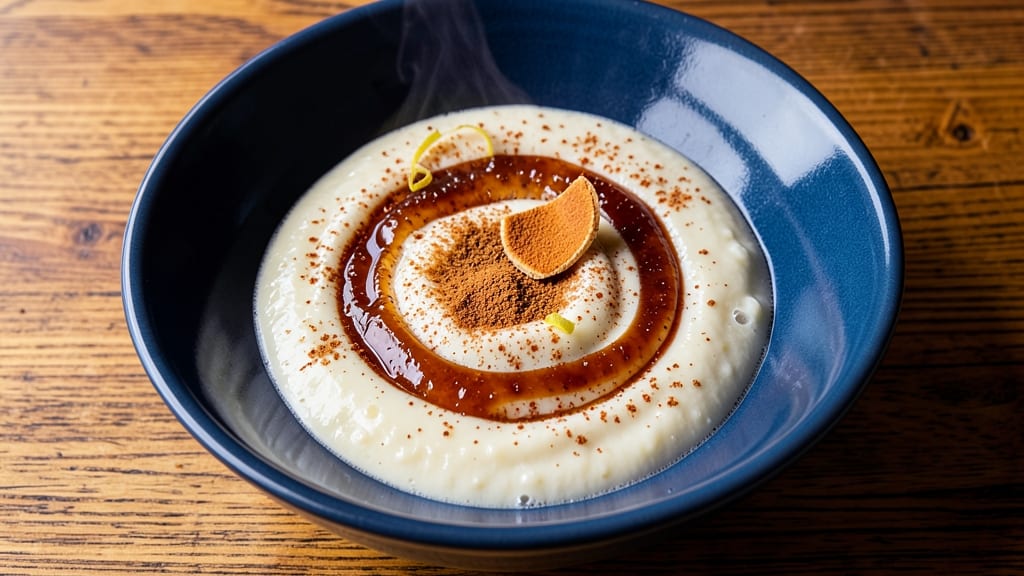
This brown sugar rice pudding delivers warm, caramelized sweetness with a velvety texture that feels like dessert. The key is simmering long-grain rice in milk and brown sugar until tender, then finishing with a touch of cinnamon for depth.
I've perfected this recipe to balance creamy richness with a subtle crunch from toasted coconut—no one will guess it's made with basic pantry staples.
The result is a comforting, golden pudding with deep molasses notes from the brown sugar, perfectly balanced by the toasted coconut's nutty crunch. Ready in about 45 minutes on the stovetop or 20 minutes in an Instant Pot, it's ideal for weeknight treats or holiday gatherings.
Serve warm with a drizzle of caramel or whipped cream for extra indulgence.
Ingredients for brown sugar rice pudding
Nine essential ingredients transform simple rice into velvety caramelized dessert perfection.
| Ingredient | Amount | Notes |
|---|---|---|
| Long-Grain White Rice 🍚 | 1 cup | Uncooked, rinsed thoroughly |
| Light Brown Sugar 🍯 | ¾ cup | Packed, dark molasses flavor |
| Whole Milk 🥛 | 4 cups | 2% or whole preferred |
| Unsalted Butter 🧈 | ½ cup | Cold, cubed for even melting |
| Vanilla Extract 🌿 | 1 tbsp | Pure, high-quality preferred |
| Ground Cinnamon 🍃 | 1 ½ tsp | Freshly ground for warmth |
| Salt 🧂 | ½ tsp | Fine sea salt preferred |
| Unsweetened Shredded Coconut 🥥 | ½ cup | Toasted until golden |
| Large Egg Yolks 🥚 | 3 whole | Room temperature for smooth texture |
| Heavy Cream 🥛 | ½ cup | Cold, for final richness |
| Granulated Sugar 🍚 | 2 tbsp | For finishing caramel |
The brown sugar is the heart of this recipe—look for dark molasses-style for that deep, caramelized flavor. Whole Foods or Trader Joe's carry excellent options, but any grocery store's light brown sugar works. The rice should be long-grain and uncooked, not instant—it needs time to absorb the milk and develop that tender texture. For the coconut, unsweetened is a must—sweetened will throw off the balance. Toast it in a dry pan for 3-4 minutes until golden; that nutty aroma is what makes this dish special. Egg yolks should be room temperature for the smoothest texture, so take them out of the fridge 15 minutes before using.
No brown sugar? Light muscovado sugar works beautifully as a substitute—just reduce by 10% due to its higher moisture content. Whole milk can be swapped for 2% or even evaporated milk, though the texture will be slightly firmer. If you're avoiding dairy, full-fat coconut milk delivers a similar richness. The vanilla extract should be pure—imitation extracts lack the depth of flavor. For the cinnamon, Ceylon cinnamon has a more delicate flavor, while regular cassia adds warmth. If you're making this ahead, the toasted coconut can be prepared in advance and stored in an airtight container for up to 2 weeks—just toast again before serving.
This pudding reheats beautifully—simmer gently on the stove with a splash of milk to restore creaminess. Stored in an airtight container in the fridge, it keeps for 5 days, though the texture becomes slightly grainier after 3 days. For longer storage, freeze portions in single servings; thaw overnight in the fridge and reheat gently. The toasted coconut can be sprinkled on top just before serving to maintain its crunch, or mixed in during the final stages if you prefer a more integrated texture. For an extra touch of indulgence, drizzle with caramel sauce or serve with whipped cream on the side.
Why You'll Love This Recipe
- Foolproof Stovetop: I swear by this method—just rice, milk, and sugar simmering together until thick and creamy. No fancy equipment, no constant stirring (okay, maybe a little stirring), and it’s done before your coffee’s even cold.
- Caramel-Kissed Magic: That brown sugar? It’s the star—deep, buttery sweetness that sticks to every grain like a warm hug. The vanilla ties it all together, making each bite taste like a dessert you’d pay for at a café.
- Weeknight or Weekend: Make a big batch on Sunday, and you’ve got breakfast, snack, or dessert covered all week. My kids ask for it after school, and I reheat portions in mugs—no fuss, just pure satisfaction.
- Budget Comfort: Whole milk and rice stretch into something luxurious without breaking the bank. Honestly, it’s my go-to when I want to feel spoiled but don’t want to spend a fortune. Leftovers? Even better the next day.
Step-by-step instructions for brown sugar rice pudding
Here's how to craft this velvety dessert with deep caramel notes and toasted coconut crunch.
Toast the Coconut for Maximum Flavor
In a dry skillet over medium heat, toast the 0.5 cup unsweetened shredded coconut for 3-4 minutes until it turns a rich golden brown and releases a nutty aroma. Stir constantly with a wooden spoon to prevent burning—you want it fragrant but not charred. Transfer immediately to a small bowl and set aside. This step develops the coconut's natural oils and sweetness, creating that irresistible crunch.
The toasted coconut will keep its texture better than raw coconut, and the aroma will infuse throughout your pudding. If you prefer extra crunch, you can lightly toast it again just before serving. Keep the skillet handy—you'll use it next for the rice cooking process.
Cook the Rice in Milk Until Tender
In the same skillet (no need to clean it—the toasted coconut aroma lingers beautifully), melt the 0.5 cup unsalted butter over medium heat until it foams. Add the 1 cup long-grain white rice and stir to coat in the butter for 1 minute. Pour in the 4 cups whole milk, 0.75 cup light brown sugar, 1.5 tsp ground cinnamon, and 0.5 tsp salt, stirring until the sugar dissolves completely.
Bring to a gentle boil, then reduce heat to low and cover partially. Simmer for 20-25 minutes until the rice is tender and all the liquid has been absorbed. You'll know it's ready when the mixture thickens noticeably and the rice grains are translucent at the edges. Stir occasionally to prevent sticking—this is where patience pays off for that perfect creamy texture.
Temper the Egg Yolks for Silky Smoothness
While the rice mixture cooks, prepare the egg yolks to prevent scrambling. In a separate bowl, whisk together the 3 whole large egg yolks and 0.5 cup heavy cream until smooth and slightly thickened. Remove the rice mixture from heat and let it cool slightly for 2-3 minutes—it should be warm to the touch but not hot.
Slowly pour about 1 cup of the hot rice mixture into the egg yolk mixture while whisking constantly. This tempering process gradually raises the eggs' temperature, preventing them from curdling. Once fully incorporated, pour the egg mixture back into the rice pot and stir vigorously for 2-3 minutes until the mixture thickens and coats the back of a spoon. This creates that signature creamy custard texture that sets this pudding apart.
Finish with Caramelized Sweetness
Return the pudding to low heat and cook for an additional 5-7 minutes, stirring constantly, until it reaches a thick, pudding-like consistency. Remove from heat and stir in the 2 tbsp granulated sugar and 1 tbsp vanilla extract. The sugar will help create a subtle caramel flavor as the pudding cools.
Let the pudding cool to room temperature, stirring occasionally to prevent a skin from forming. The texture will continue to thicken as it cools. Once cooled, fold in the toasted coconut, reserving some for garnish if desired. The contrast between the creamy pudding and toasted coconut creates the perfect textural experience in every bite.
Chill and Serve for Perfect Texture
Transfer the pudding to serving dishes and refrigerate for at least 4 hours or overnight. This chilling time allows the flavors to fully meld and the texture to set properly. When ready to serve, garnish with additional toasted coconut and a sprinkle of ground cinnamon if desired.
The pudding should be thick but still spoonable, with a velvety texture that melts in your mouth. Each bite should deliver layers of caramelized brown sugar sweetness, warm cinnamon notes, and that satisfying coconut crunch. Serve with a dollop of whipped cream or a drizzle of caramel sauce for extra indulgence.
Pro Tips For Making Brown Sugar Rice Pudding
- TOAST THE RICE FIRST: Heat your dry rice in a dry pan over medium-low for 3-4 minutes until it smells nutty and lightly golden. This step deepens the flavor and prevents that raw, starchy taste—trust me, it’s worth the extra minute.
- WHISK THE BROWN SUGAR: Don’t just dump the brown sugar in—whisk it into the warm milk first. The moisture breaks up the molasses clumps, so it dissolves evenly and sweetens every bite instead of settling at the bottom like a gritty surprise.
- LOW AND SLOW WINS: Simmer this pudding at a gentle bubble, not a rolling boil. I used to rush it, and the rice turned mushy or the milk split. Keep it at 180°F (93°C)—just enough to see tiny, lazy bubbles—and let it thicken naturally.
- SAVE TIME WITH COLD MILK: Start with cold milk instead of hot—it cooks faster and reduces the risk of curdling. Add the butter and sugar first, bring to a boil, then lower the heat. Your stove will thank you for not overheating it.
Troubleshooting this recipe
Grainy Texture Fix
If your pudding turns out grainy, it’s likely because the rice didn’t cook long enough or the liquid wasn’t absorbed properly. Next time, simmer the rice mixture for an extra 5 minutes uncovered at the end to drive off any remaining moisture.
For a smoother texture, whisk in 1-2 tablespoons of heavy cream while the pudding is still warm—this helps break down any starch clumps. 🌟
Curds or Scrambled Eggs
Eggs curdling is usually from adding them to hot liquid too quickly. Always temper the yolks by mixing in 1 cup of warm (not boiling) rice mixture while whisking constantly.
If you notice curds forming, immediately whisk in 1 tablespoon of cold heavy cream to smooth things out. For extra insurance, strain the pudding through a fine-mesh sieve before chilling.
Too Thin or Watery
A runny pudding often means the rice didn’t cook long enough or the ratio of milk to rice was off. For future batches, reduce the milk by ½ cup and simmer uncovered for 5-7 minutes longer.
If it’s still too thin after chilling, warm it gently on the stove with 1 tablespoon cornstarch mixed into 2 tablespoons cold milk—stir until thickened. This trick works like magic for instant thickening!
Burnt or Overcooked
Low and slow is key—never let the pudding boil vigorously after adding the eggs. If you see browned bits at the bottom, stir them into the pudding (they’ll add depth!) or scrape them out if you prefer a cleaner look.
For future attempts, keep the heat at low and stir frequently to prevent sticking. A nonstick skillet helps, but a well-seasoned cast iron works too.
Lacking Sweetness
Brown sugar can lose intensity if overcooked. If your pudding tastes bland, try adding 1 extra tablespoon of brown sugar during the final stir. For a caramelized boost, sprinkle 1 teaspoon granulated sugar on top before serving and torch it lightly with a kitchen blowtorch for a restaurant-worthy finish.
A pinch of cinnamon or a splash of vanilla extract can also elevate the flavor.
Coconut Not Crunchy
Toasted coconut loses its crunch if stored too long or mixed in too early. Always toast it fresh before serving—just 2-3 minutes in a dry pan until golden. For extra crunch, store the toasted coconut in an airtight container in the freezer.
When ready to use, let it sit at room temperature for 10 minutes before sprinkling on top to restore its texture. 🥥
Nutrition facts
Frequently asked questions
Can I use instant rice for this recipe?
Instant rice will change the texture dramatically—it cooks too quickly and can make the pudding gritty. Stick with long-grain white rice for that creamy, velvety consistency. If you're short on time, try using Arborio rice (like for risotto) which cooks slightly faster but still delivers a luxurious texture.
What's the best way to reheat leftover rice pudding?
Gently reheat on the stovetop over low heat with a splash of milk or cream to restore creaminess. Stir constantly to prevent sticking—never microwave directly as it can make the texture rubbery. For best results, warm for 2-3 minutes until just heated through, then let it sit for 1 minute before serving.
Can I make this recipe without eggs?
Yes! For a vegan version, replace the egg yolks with ½ cup aquafaba (chickpea brine) whipped with 1 tbsp cornstarch. Simmer the rice mixture longer until very thick, then stir in the aquafaba mixture and cook for 3-4 minutes until set. The texture will be slightly firmer but still delicious with extra coconut topping.
How do I know when the rice is perfectly cooked?
The rice is done when it's tender but still holds its shape slightly—think al dente. The mixture should thicken noticeably and coat the back of a spoon when stirred. For extra assurance, press a grain between your fingers: it should be soft but not mushy. If you're unsure, cook for 2-3 minutes longer before adding the eggs.
What's the difference between light and dark brown sugar?
Light brown sugar has 3.5% molasses and is lighter in color, while dark brown sugar contains 6.5% molasses, giving it a deeper flavor. For this recipe, light brown sugar works perfectly, but dark brown sugar will add more caramel intensity. Use the same amount—just expect a richer, more pronounced sweetness with the darker variety.