
Main Courses
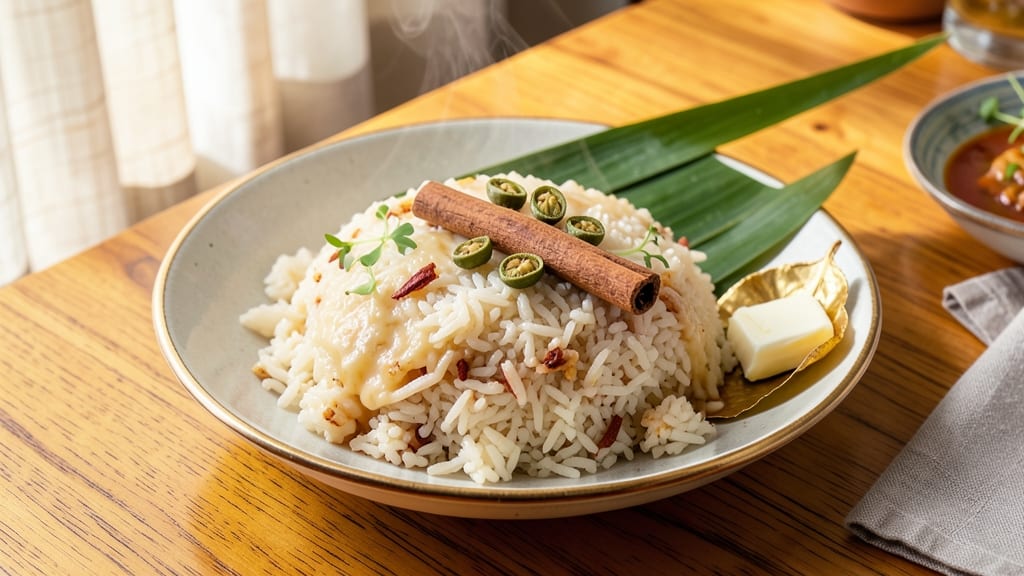
This Burmese coconut rice recipe transforms simple jasmine rice into a fragrant, creamy masterpiece that steals every meal. 🌟 The secret lies in slow-cooked coconut milk infused with cardamom, cinnamon, and pandan leaf—layering warm, floral notes that elevate humble rice into something extraordinary.
I first discovered this dish during a trip to Myanmar, where it served as both a centerpiece and a comforting staple.
The magic happens through a two-step process: first, the rice simmers in rich coconut milk until tender and fragrant, then crispy toasted coconut is sprinkled on top for texture and depth.
This method preserves the rice's natural aroma while infusing it with coconut's velvety sweetness and spice. The result is a dish that's equally at home alongside curries or grilled meats.
What makes this recipe special is its balance—creamy yet not heavy, fragrant without overpowering. The coconut milk creates a delicate sauce that clings to each grain, while the toasted coconut adds a satisfying crunch. It's the kind of dish that transforms ordinary meals into memorable experiences.
Perfect for special occasions or weeknight dinners, this Burmese coconut rice delivers restaurant-quality results with simple ingredients. Let's create this fragrant centerpiece that will have everyone asking for seconds.
Ingredients for burmese coconut rice
Jasmine rice, coconut milk, and aromatic spices create this fragrant Burmese centerpiece.
| Ingredient | Amount | Notes |
|---|---|---|
| Jasmine Rice 🍚 | 1 ½ cups | Uncooked, long-grain preferred |
| Full-Fat Coconut Milk 🥥 | 13 ½ oz | High-quality, no additives |
| Green Cardamom Pods 🌿 | 6 whole | Lightly crushed, seeds only |
| Cinnamon Sticks 🌿 | 1 whole | Ceylon preferred, about 2 inches |
| Pandan Leaf 🌿 | 1 whole | Fresh, tied in cheesecloth |
| Unsalted Butter 🧈 | 2 tbsp | Cold, cubed for toasting |
| Toasted Coconut Flakes 🥥 | ¼ cup | Unsweetened, lightly toasted |
| Salt 🧂 | ½ tsp | Diamond Crystal preferred |
| White Peppercorns 🌶️ | ¼ tsp | Lightly crushed |
| Fresh Lime Zest 🍋 | 1 tsp | Fine, from organic lime |
| Water 💧 | 2 ½ cups | Filtered preferred |
| Light Coconut Milk 🥥 | ½ cup | For final texture adjustment |
The coconut milk is non-negotiable here—Thai Kitchen brand or Goya cans deliver the richest flavor. Look for cans with no additives, as these can alter the delicate balance. Asian markets often carry premium brands like Aroy-D or Chaokoh, which elevate the dish further. Cardamom and cinnamon should be fresh; if using pods, lightly toast them first to deepen their aroma. Pandan leaf, though harder to find, is essential for that signature floral note—some Asian grocery stores sell it dried, which works in a pinch.
No cardamom pods? Ground cardamom at one-third the amount suffices, though texture differs. Substituting cinnamon sticks with powdered cinnamon (1/4 tsp) works, but the sticks infuse better. For pandan, vanilla extract (1/4 tsp) or a few drops of pandan extract mimics the flavor. Light coconut milk can be omitted if unavailable, but it adds that signature creaminess. Toasting the coconut flakes in a dry pan until golden (about 3 minutes) enhances their nutty depth—don't skip this step.
Rice keeps best in an airtight container for 3-4 days—the coconut milk prevents drying. For longer storage, freeze portions in single servings; reheat gently with a splash of water. The toasted coconut loses crispness after 2 days, so toast fresh before serving. This dish reheats beautifully, making it perfect for meal prep—just add a sprinkle of warm coconut milk to restore creaminess.
Why You'll Love This Recipe
- No-Chop Necessary: I swear by this—just toast the spices, pour in the coconut milk, and let the rice do its thing. The pandan leaf does all the work of infusing that fragrant aroma without me lifting a finger past stirring once.
- Fragrant Magic: That first whiff of cardamom and cinnamon simmering in the coconut milk? It’s like a warm hug for your kitchen. The rice ends up tender with just a hint of floral sweetness—no heavy seasoning needed, just pure, creamy satisfaction.
- Weeknight & Weekend Ally: Between us, this is my lazy Sunday brunch staple and my "I have no energy" weeknight side. Serve it with curry for a full meal, or pile it onto a plate with grilled fish for a fancy-feeling dinner that took less time than ordering takeout.
- Leftovers That Don’t Suffer: Honestly, I make a big batch because the flavor deepens overnight. Reheat it gently, and the coconut milk gets even richer—like a second chance at restaurant-quality rice. (Yes, even on a Tuesday night.)
Step-by-step instructions for Burmese coconut rice
Master this aromatic Burmese technique for jasmine rice infused with coconut and exotic spices.
👨🍳 Step 1: Toast the Spices and Prepare the Infusion
In a dry skillet over medium heat, lightly toast the 6 whole green cardamom pods and 1 whole cinnamon stick for 1-2 minutes until fragrant but not burning. This releases their essential oils, which will infuse the rice with complex, warming notes. Remove immediately and set aside.
In a small saucepan, combine the 13.5 oz full-fat coconut milk with the 1 whole pandan leaf tied in cheesecloth, 1 tsp fresh lime zest, 0.5 tsp salt, and 0.25 tsp white peppercorns. Bring to a gentle simmer over medium-low heat for 5 minutes, then remove from heat and let steep for 10 minutes. The pandan will impart its signature floral aroma while the lime zest brightens the coconut's richness.
🍳 Step 2: Parboil the Jasmine Rice
Rinse the 1.5 cups jasmine rice in a fine-mesh strainer under cold water until the water runs clear. This removes excess starch and prevents gummy rice. In a medium saucepan, combine the rinsed rice with the 2.5 cups water and bring to a boil over high heat. Once boiling vigorously, reduce heat to medium-low and simmer uncovered for 8 minutes.
During this time, the rice will absorb some water but won't be fully cooked. This partial cooking prevents breaking during the coconut milk infusion. You'll know it's ready when the rice is translucent at the edges but still slightly firm in the center. Drain any remaining water and return the rice to the pot.
🥘 Step 3: Infuse with Coconut and Spices
Add the strained coconut milk infusion (discard the cheesecloth) to the parboiled rice along with the toasted spices. Stir gently to combine, then cover the pot with a tight-fitting lid. Transfer to a 350°F oven and steam for 20 minutes. The oven's gentle heat allows the rice to finish cooking while absorbing the coconut milk's creaminess.
I like to check the rice at the 15-minute mark—if it's not quite tender, add 2 tablespoons water and continue cooking. The rice should be tender with a slight bite, not mushy. The coconut milk will transform the rice into a fragrant, creamy textured dish that's distinctly Burmese.
⏰ Step 4: Finish with Butter and Topping
Remove the rice from the oven and let it rest covered for 5 minutes. Stir in the 2 tbsp unsalted butter and the 0.5 cup light coconut milk for a silky finish. The butter adds richness while the light coconut milk adjusts the texture to a perfect balance between firm and creamy.
For the topping, toast the 0.25 cup toasted coconut flakes in a dry skillet over low heat for 2-3 minutes until golden and fragrant. Spoon the rice onto serving plates, garnish with the toasted coconut flakes, and serve immediately. The contrast between the creamy rice and crispy coconut topping is what makes this dish truly special.
Pro Tips For Making Burmese Coconut Rice
- TOAST THE SPICES FIRST: Crack open those cardamom pods and lightly toast them with the cinnamon sticks in a dry pan for 30 seconds before adding liquid. I learned this the hard way—skipping it means your rice will smell aromatic but taste flat, like you forgot the soul of the dish. The toasted spices release oils that actually infuse into the coconut milk, not just float on top.
- USE FULL-FAT COCONUT MILK ONLY: No shortcuts here—watered-down or light coconut milk won’t cut it. The fat is what carries the flavor and keeps the rice creamy, not soggy. If you’re in a pinch, split the difference: use half full-fat and half coconut cream for extra richness, but don’t skimp on the total volume.
- STEAM THE PANDAN LEAF: Tear the pandan leaf into rough strips and tie it in a cheesecloth bundle before adding it to the pot. This keeps the rice from turning green-speckled (yes, it happens) while still letting the fragrance seep in. Pro move: Gently press the bundle against the rice grains as they cook—it releases more aroma than just floating it.
- COOK THE RICE LOW AND SLOW: After the initial boil, drop the heat to the lowest setting your pot will handle—think simmer, not bubble. I used to rush it, and the rice either dried out or turned mushy. The coconut milk needs time to absorb evenly, and a gentle heat prevents the spices from burning while the rice steeps in flavor. Cover tightly and walk away for 20 minutes.
Regional styles of this dish
Yangon's Street Food Style
In Myanmar's capital, this rice is often served in small, steaming bowls at street-side vendors alongside crispy fried fish or spicy shan tofu. The Yangon version uses less coconut milk (10 oz instead of 13.5 oz) to keep the rice lighter, allowing the natural jasmine aroma to shine through.
Vendors there toast the coconut flakes with a pinch of turmeric for a golden hue, which adds a subtle earthy note that complements the spicy dishes it accompanies. 🌆
Mandalay's Royal Touch
This northern region's version elevates the dish with gold leaf flakes sprinkled on top—a nod to its royal origins. The Mandalay style includes a pinch of saffron (⅛ tsp) infused in the coconut milk for a luxurious golden color, though it's pricey.
Locals here often serve it with slow-cooked beef curry, where the coconut rice's creaminess balances the rich, spiced meat. The rice is slightly firmer than Yangon's version, holding its shape better for scooping up curry.
Southern Mon State Variations
In the Mon region, you'll find a sweeter take using palm sugar syrup (2 tbsp) swirled into the coconut milk before infusion. This creates a delicate caramelized note that pairs beautifully with grilled river fish.
The Mon version also incorporates shallots (2 tbsp minced) lightly fried in coconut oil before adding the rice, adding a savory depth. The toasted coconut topping here is often mixed with crushed peanuts (2 tbsp) for extra crunch. 🥜
Modern Fusion Adaptations
Today's Burmese chefs are putting creative spins on this classic. In Yangon's upscale restaurants, you'll see versions with charred lemongrass (1 stalk) infused in the coconut milk for a citrusy aroma. Some modern takes replace toasted coconut with crispy fried shallots for a savory crunch.
For a fusion twist, try adding 1 tbsp lime juice and ½ tsp chili flakes to the finished rice—this balances the coconut's sweetness with a bright, spicy kick that's gaining popularity among younger diners.
Rural Village Preparations
In rural areas, this rice is often made with homemade coconut milk from freshly grated coconuts, which has a more intense flavor. Villagers typically use less water (2 cups instead of 2.5 cups) during the parboiling stage to create a slightly stickier texture that's perfect for scooping up hearty stews.
The spices here are often toasted in coconut oil instead of butter, adding a subtle nutty aroma. The toasted coconut topping is sometimes mixed with crushed rice crackers for added texture, creating a satisfying crunch that's uniquely rural.
Vegetarian Adaptations
For those avoiding animal products, replace the butter with vegan coconut oil (2 tbsp) and use light coconut milk for the final texture adjustment. The vegetarian version still delivers incredible flavor—just omit the butter entirely if you're strict about plant-based ingredients.
Some cooks add 1 tsp toasted sesame seeds to the toasted coconut topping for extra depth. This adaptation maintains all the aromatic qualities while being completely plant-based, making it perfect for vegan and vegetarian diets. 🌱
Nutrition facts
Frequently asked questions
Can I make this Burmese coconut rice without pandan leaf?
Yes, you can substitute pandan leaf with ¼ teaspoon vanilla extract or a few drops of pandan extract if you can't find fresh pandan. The floral aroma is key, but these alternatives will still give you that signature Burmese fragrance. If you omit it entirely, the dish will still be delicious but may lack the traditional depth of flavor.
How do I adjust this recipe for a rice cooker?
Use the same 1.5 cups jasmine rice and 2.5 cups water for the parboiling step, but cook it in the rice cooker on high heat until the water is absorbed. After draining, transfer the rice to a pot and follow the coconut milk infusion steps as written. The rice cooker won't replace the oven's gentle steaming, but it works in a pinch! The texture may be slightly less creamy, but still fragrant and delicious.
Why does my Burmese coconut rice turn out too mushy?
Overcooking is the most common cause. The rice should be tender with a slight bite—never mushy. To fix this, reduce the final steaming time to 15 minutes and check frequently. Also, ensure you're using the correct rice-to-water ratio during parboiling. If it's still too soft, spread it on a tray to cool and dry slightly before serving.
Can I make this ahead of time for a gathering?
This dish reheats beautifully. Store in an airtight container in the refrigerator for up to 3-4 days. To serve, gently reheat with a splash of warm water or coconut milk to restore creaminess. For the toasted coconut topping, toast fresh before serving to maintain crispness—it loses its crunch after 2 days.
What are the best proteins to serve with this rice?
This fragrant rice pairs wonderfully with Burmese classics like grilled fish, slow-cooked beef curry, or crispy fried chicken. For a vegetarian option, try shan tofu or mushroom stir-fry. The creamy coconut notes balance rich, spicy, or savory proteins perfectly—just avoid overly sweet dishes that might compete with the coconut's natural sweetness.