
Main Courses
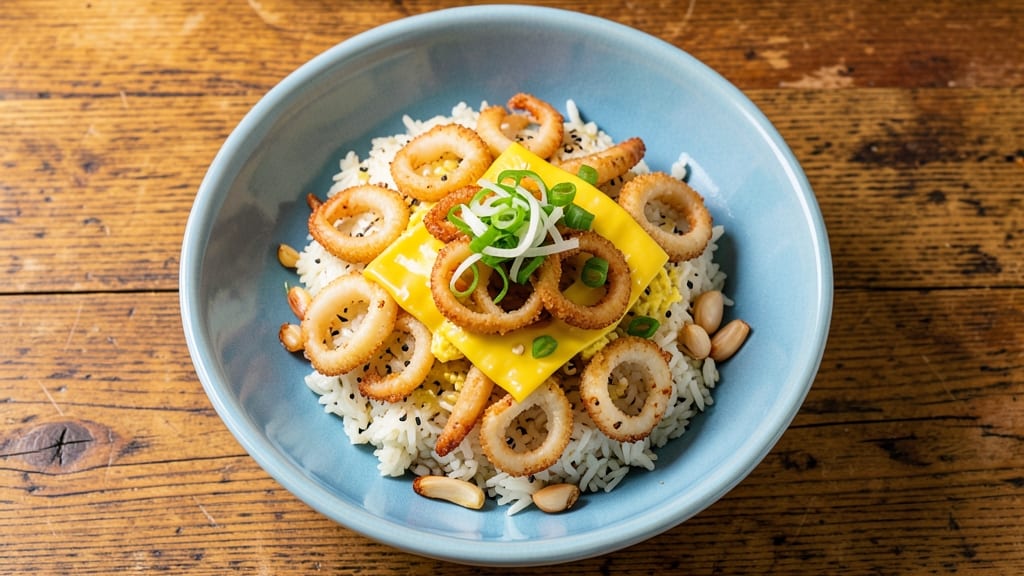
This calamari fried rice recipe delivers the perfect balance of crispy squid bites and fragrant jasmine rice in every bite. The secret lies in properly prepping the calamari—tenderizing it just enough to maintain texture while achieving that coveted golden-brown crust.
I developed this dish after years of experimenting with seafood stir-fries, and the difference between good and exceptional fried rice often comes down to these two key components: perfectly cooked rice and expertly handled seafood.
The result is a dish where each forkful offers a symphony of textures—crispy calamari that melts in your mouth, tender jasmine rice with its signature floral aroma, and a light, savory sauce that ties everything together.
This isn't just another seafood stir-fry; it's a restaurant-quality meal that transforms simple ingredients into something extraordinary. The technique is straightforward once you understand the critical steps, and the payoff is worth every minute of prep.
Ingredients for calamari fried rice
Perfectly tender squid and fragrant jasmine rice transform simple pantry staples into restaurant-quality fried rice.
| Ingredient | Amount | Notes |
|---|---|---|
| Fresh Calamari (Squid) 🦑 | 1 lb | Cleaned, tentacles attached, sliced into rings |
| Jasmine Rice 🍚 | 2 cups | Uncooked, long-grain preferred |
| Large Eggs 🥚 | 3 whole | Fresh, beaten for stir-fry |
| Green Onions 🧅 | ½ cup | White and green parts, thinly sliced |
| Garlic Cloves 🧄 | 6 cloves | Minced, freshly crushed preferred |
| Vegetable Oil 🫒 | ½ cup | High smoke point, like avocado or peanut |
| Soy Sauce 🍶 | ⅓ cup | Low-sodium preferred for balance |
| Sesame Oil 🌱 | 1 tbsp | Toasted, for aroma |
| Cornstarch 🌾 | 2 tbsp | For calamari batter |
| White Pepper 🌶️ | ½ tsp | Freshly ground for subtle heat |
| Salt 🧂 | 1 tsp | Diamond Crystal preferred |
| Black Pepper 🌶️ | ¼ tsp | Freshly cracked for depth |
| Lemon Wedges 🍋 | 2 whole | For serving, freshly squeezed |
| Fresh Cilantro 🌿 | ¼ cup | Chopped, for garnish |
The calamari is non-negotiable—freshness matters most. Look for squid with translucent, glossy skin and a briny aroma. Whole Foods or high-end seafood markets carry the best, but don't overlook frozen options if labeled 'previously frozen'—just thaw overnight in the fridge. The tentacles are the most tender part, so keep them attached for texture contrast. For the rice, jasmine's floral notes elevate everything, but basmati works in a pinch. Cook it slightly underdone (just al dente) so it absorbs flavors during stir-fry. The eggs should be cold from the fridge—room temperature makes them greasy.
No fresh calamari? Frozen works if properly thawed, but avoid pre-marinated varieties. The cornstarch batter is essential for that crispy crust—arrowroot can substitute at 1:1 ratio. For the soy sauce, Kikkoman or Pearl River Bridge brands add depth, but any high-quality soy works. Sesame oil should be toasted—regular sesame oil lacks flavor. The garlic and green onions can be prepped ahead (store in airtight containers in the fridge for 3 days), but the cornstarch mixture should go straight to the squid. For extra richness, add 1 tbsp of butter to the stir-fry at the end.
Cooked rice reheats beautifully—microwave with a splash of water to restore moisture. The calamari batter keeps for 1 hour before frying, but work in batches for best texture. Store leftovers in airtight containers for 2 days—the rice absorbs flavors over time, making it even more aromatic. For meal prep, portion into single-serving containers with lemon wedges on the side to prevent sogginess. The dish freezes poorly due to texture changes, so enjoy within 48 hours of cooking.
Why You'll Love This Recipe
- One-Pan Magic: I swear by this recipe because it’s actually one pan—no chopping boards, no extra dishes. Toss in pre-cooked jasmine rice, sliced squid, and eggs, then stir-fry until the garlic hits that golden crunch. The squid’s tender bite and the rice’s fluffiness just work together without fuss.
- Umami Bomb: Between us, the squid and garlic combo is next-level. That first bite of crispy calamari against the soft rice? It’s like a flavor explosion in your mouth. Honestly, I’ve tried fancy seafood dishes, but this one’s the only one that hits every time.
- Lunchbox Hero: This isn’t just dinner—it’s my go-to for packed lunches. The eggs add protein, the squid keeps it interesting, and it reheats like a dream. My kids groan when I pack it, but they’re the first to finish it by noon.
- Budget Seafood Win: Fresh squid might sound pricey, but a single batch feeds four for under $15. Use day-old rice to cut costs further, and you’ve got a restaurant-quality meal without the sticker shock. Plus, leftovers? They’re even better the second day.
Step-by-step instructions for crispy calamari fried rice
Master the perfect balance of crispy squid and aromatic rice with this precise technique.
Prepare the Calamari for Crispy Perfection
Start by slicing the 1 lb fresh calamari into ½-inch rings, keeping the tentacles attached for presentation. In a medium bowl, whisk together the 3 whole large eggs, 2 tablespoons cornstarch, 1 teaspoon salt, ½ teaspoon white pepper, and ¼ teaspoon black pepper until fully combined. This creates the light, crispy batter that will encase the squid.
Gently add the calamari rings to the egg mixture, tossing to coat evenly. Let them sit for 5 minutes while you prepare the rice. The cornstarch is crucial here—it creates that satisfying crunch while keeping the interior tender. Don't skip the resting time; this ensures maximum adhesion of the batter to the squid.
Create the Crispy Calamari Bites
Heat ¼ cup of the ½ cup vegetable oil in a large skillet over medium-high heat until it shimmers at 350°F. Working in batches to avoid overcrowding, carefully add the calamari to the hot oil. Cook for 2-3 minutes per batch until golden brown and crispy, turning once with tongs. Transfer to a paper towel-lined plate to drain excess oil.
Here's the key: the oil must be at the right temperature. If it's too cool, the calamari will absorb oil and become greasy instead of crispy. If it's too hot, the exterior will burn before the interior cooks. You'll know it's perfect when the edges are golden brown and the squid releases easily from the oil.
Cook the Jasmine Rice to Al Dente Perfection
While the calamari cooks, rinse the 2 cups jasmine rice under cold water until the water runs clear. This removes excess starch that would make the rice gummy. In a medium saucepan, combine the rice with 2 cups water and ⅓ cup soy sauce. Bring to a boil, then reduce heat to low, cover, and simmer for 15 minutes.
After 15 minutes, turn off the heat and let the rice steam, covered, for another 10 minutes. This resting period allows the rice to absorb all the liquid and develop its characteristic fluffy texture. Don't peek or lift the lid during this time—steam is what transforms good rice into great rice.
Build the Fragrant Fried Rice Base
In a wok or large skillet, heat the remaining ¼ cup vegetable oil over medium-high heat. Add the 6 cloves minced garlic and stir for 30 seconds until fragrant. Add the ½ cup sliced green onions and stir for another 30 seconds until softened. Push the aromatics to one side of the pan and add the cooked rice, breaking up any clumps with a spatula.
Stir-fry the rice for 3-4 minutes until it's heated through and slightly crispy at the edges. This is where the magic happens—the rice should be hot but not mushy, with just a hint of texture from the garlic and onions. If it seems dry, add 1 tablespoon water and stir to combine. The rice should be moist but not wet.
Combine and Finish with Aromatics
Add the crispy calamari to the rice mixture and toss gently to combine. Drizzle with 1 tablespoon sesame oil and toss again to coat evenly. The sesame oil adds depth of flavor and helps bind everything together. Taste and adjust seasoning with additional soy sauce if needed—you want the rice to be savory but not salty.
Remove from heat and let sit for 2 minutes. Garnish with the ¼ cup chopped fresh cilantro and serve immediately with the 2 lemon wedges. The acidity of the lemon brightens the dish, cutting through the richness of the fried rice and calamari. Each bite should deliver perfect crispiness from the squid, fragrant aromatics from the rice, and a balance of savory and bright flavors.
Pro Tips For Making Calamari Fried Rice
- CLEAN THE SQUID WELL: Rinse the calamari under cold water twice—once to remove sand, once to remove the first rinse water. I learned this the hard way when my rice tasted like ocean water. Pat dry with paper towels thoroughly, or your fried rice will steam instead of sear.
- FRY SQUID IN BATCHES: Don’t toss all the calamari in at once—work in 2-3 batches for 2-3 minutes per batch. Crowding drops the oil temp, and soggy squid is a crime. Use a slotted spoon to transfer them to a paper towel-lined plate and let them drain before adding to the rice.
- USE DAY-OLD RICE: Cold, slightly dry jasmine rice fries up so much better than fresh. If you’re making this the same day, spread the cooked rice on a tray and refrigerate for 30 minutes first. Fresh rice turns mushy—this guarantees texture.
- SALT THE EGG WATER: Add 1 teaspoon of salt to the egg-water before poaching the eggs. It keeps the whites firm and the yolks bright, and you won’t need to season the rice later. Trust me, your fried rice will taste more cohesive—no bland pockets.
Storing and reheating this calamari fried rice
Refrigerator Storage
Store your calamari fried rice in an airtight container for up to 2 days in the refrigerator. I recommend using glass Pyrex containers with snap-on lids to maintain freshness. The key is to let the dish cool completely before sealing—this prevents condensation that can make the rice soggy.
For best results, portion into single-serving containers with lemon wedges on the side to preserve their freshness and brightness. 🍋
Freezer Considerations
Unfortunately, this dish doesn't freeze well due to the calamari's texture—it becomes rubbery and loses its crispiness. If you must freeze, separate the components: store the fried rice and calamari in separate airtight containers for up to 1 month.
Thaw overnight in the fridge before reheating, but expect some quality compromise with the calamari's crunch. The rice will retain its flavor better than the seafood.
Reheating Methods
For the best texture, reheat your fried rice in a skillet over medium-low heat with 1 tablespoon of vegetable oil and 1 tablespoon of water. Stir constantly for 3-4 minutes until heated through. This method restores some of the crispiness lost during storage.
For the calamari, reheat separately in a toaster oven at 375°F for 2-3 minutes to revive its crunch before mixing back with the rice. 🔥
Microwave Shortcut
When short on time, use the microwave with caution. Cover the dish with a damp paper towel and heat on 50% power for 1-2 minutes, stirring halfway. Add 1 teaspoon of water if the rice appears dry.
This method works best for the rice component only—I wouldn't recommend microwaving the calamari as it will lose its crispiness entirely. Always taste and adjust seasoning after reheating.
Meal Prep Tips
Prepare components ahead for efficiency: cook the rice and calamari separately, then assemble just before serving. Store the battered calamari (uncooked) in the fridge for up to 1 hour before frying—this keeps the batter crispy.
For the rice, cook it al dente and store in the fridge for up to 2 days. When ready to serve, simply reheat and add the freshly fried calamari to maintain optimal texture. This approach saves time without sacrificing quality. ✨
Garnish Refresh
Always add fresh garnishes after reheating to brighten the dish. Sprinkle with chopped cilantro and serve with lemon wedges on the side. The acidity from the lemon cuts through any reheating-induced richness.
For extra flair, add a drizzle of toasted sesame oil just before serving—this restores some of the aromatic depth lost during storage. The presentation makes all the difference when serving leftovers! 💛
Nutrition facts
Frequently asked questions
Can I use frozen calamari instead of fresh?
Yes, but with a few key adjustments. Thaw frozen calamari overnight in the fridge before using. Pat it very dry with paper towels to remove excess moisture, which helps the batter adhere better. The texture will be slightly different—fresh calamari is more tender—but properly thawed frozen squid can still deliver great results. Just avoid pre-marinated varieties as they can alter the flavor balance.
What's the best way to make the rice extra crispy?
For maximum crispiness, cook the rice slightly underdone (about 1 minute less than package instructions), then spread it on a baking sheet to cool completely. This removes excess moisture. When stir-frying, use a wok or nonstick skillet and keep the heat at medium-high. For extra crunch, add 1 teaspoon of sesame oil to the rice before serving. The high heat and proper rice texture are what create that satisfying bite.
How do I prevent the calamari from sticking together?
Work in small batches when frying—never overcrowd the pan. Use enough oil to coat the bottom ¼-inch deep, and maintain the oil temperature at 350°F. After frying, transfer the calamari to a wire rack or paper towel-lined plate in a single layer. This allows air circulation and prevents sticking. For extra insurance, lightly dust the cooked calamari with ½ teaspoon cornstarch before mixing with the rice.
Can I make this vegetarian?
Replace the calamari with 1 cup of firm tofu or ½ lb of shrimp (for seafood lovers). For tofu, press and cube it, then coat in the same egg-cornstarch batter. Shrimp should be patted dry and tossed in the batter without resting. The cooking time will differ—shrimp cooks in 1-2 minutes per side, while tofu needs 3-4 minutes per side. Adjust the soy sauce to taste after cooking.
Why did my calamari turn rubbery instead of crispy?
This usually happens from one of three issues: oil temperature too low (below 325°F), overcrowding the pan, or not drying the calamari properly before battering. For crispy results, ensure your oil is smoking slightly, work in single-layer batches, and pat the squid completely dry. Also, don't skip the 5-minute resting time in the batter—this helps the coating adhere better. If it still happens, try using arrowroot powder instead of cornstarch for the batter.