
Main Courses
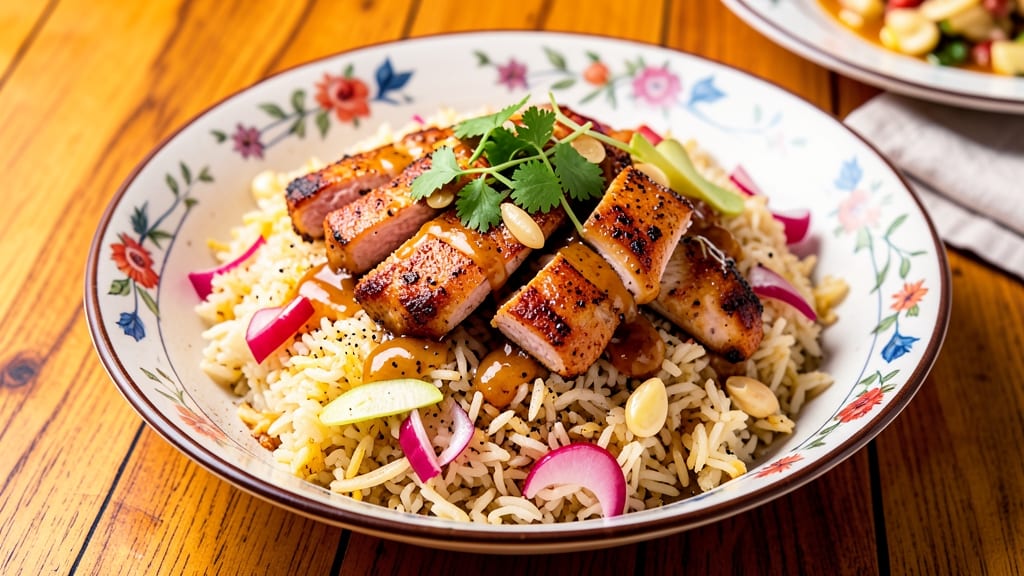
This chicken fried rice recipe Kerala transforms simple ingredients into a fragrant, spiced masterpiece that balances heat, tang, and richness. My grandmother's handwritten notes revealed the secret: short-grain rice cooked just until tender, then fried with chicken in a tomato gravy that simmers until thick and fragrant.
The key lies in the tempering—mustard seeds sizzling in coconut oil—creating an aroma that instantly transports you to Kerala's back alleys.
This dish isn't just fried rice; it's a complete meal where every element plays a role. The chicken first gets marinated in yogurt and spices before being seared to golden perfection, while the rice absorbs flavors from onions, garlic, ginger, and a blend of South Indian spices.
What makes it special is the tamarind or coconut milk added at the end, cutting through the richness with just the right amount of tang.
By the time you serve this dish, you'll have perfectly balanced flavors—savory chicken, fragrant rice, and a gravy that's neither too sweet nor too sour. The texture is what truly sets it apart: crisp edges on the rice, tender chicken pieces, and a sauce that clings to every bite.
It's the kind of meal that feels like a hug from your favorite aunt's kitchen.
Pair it with a simple Kerala curry or a cooling raita to complete the experience. The beauty of this recipe is its adaptability—make it spicier for heat lovers or milder for families. Here's how to bring this Kerala classic to your table with confidence and authenticity.
Ingredients for chicken fried rice recipe kerala
Fragrant jasmine rice meets tender chicken in this Kerala-inspired dish—simple ingredients with big flavor.
| Ingredient | Amount | Notes |
|---|---|---|
| Jasmine Rice 🍚 | 1 ½ cups | Uncooked, short-grain preferred |
| Boneless Chicken Thighs 🍗 | 1 ½ lb | Cut into bite-sized pieces |
| Plain Yogurt 🥛 | ½ cup | For chicken marinade |
| Red Onions 🧅 | 1 whole | Thinly sliced, white part only |
| Garlic Cloves 🧄 | 6 cloves | Minced for marinade and rice |
| Fresh Ginger 🌿 | 1 inch | Grated finely |
| Coconut Oil 🫒 | ½ cup | For tempering and frying |
| Mustard Seeds 🌶️ | 1 tbsp | For tempering aroma |
| Green Chilies 🌶️ | 3 whole | Slit lengthwise, adjust for heat |
| Medium Tomatoes 🍅 | 3 whole | Chopped for gravy base |
| Tamarind Paste 🍈 | 1 tbsp | For tangy balance |
| Turmeric Powder 🌿 | ½ tsp | For chicken marinade |
| Garam Masala 🌶️ | 1 tsp | For rice and gravy |
| Salt 🧂 | 1 ½ tsp | Adjust to taste |
| Fresh Coriander Leaves 🌿 | ¼ cup | Chopped for garnish |
The chicken is where this dish starts. Thighs hold up better than breasts—they stay juicy through the marinade and frying. Grab plain yogurt from Whole Foods or the Indian grocery—the thicker, less sweet kind works best. For the rice, jasmine over basmati—it absorbs flavors like a dream. The mustard seeds? Yellow or brown—they pop with that signature aroma when tempered in coconut oil. If you can't find tamarind paste, substitute lime juice, but it won't be quite the same tang.
No coconut oil? Vegetable oil works in a pinch, but the flavor won't be as rich. Skip the green chilies? Red chili powder at half the heat level gets you close. The tomatoes should be ripe but firm—Roma or vine-ripened hold up better than beefsteak. For the garam masala, store-bought blends work, but if you're feeling fancy, mix your own with cinnamon, cardamom, and cloves. The coriander leaves? Buy fresh from the market—the ones in plastic bags at the grocery store lose their punch fast.
This dish tastes even better the next day. Store leftovers in the fridge for 3-4 days or freeze for 2 months. I like to reheat portions in a skillet with a splash of water to keep the rice from drying out. The chicken marinade can be prepped a day ahead—just keep it cold until ready to cook. For extra authenticity, serve with a side of Kerala-style raita or a simple cucumber salad.
Why You'll Love This Recipe
- One-Pan Magic: I swear by this—no chopping boards, no extra pots. Just toss the rice, onions, and chicken into one pan, stir-fry until golden, and boom. The yogurt marinade keeps everything juicy while the garlic sizzles into crispy perfection. My daughter still thinks I’m a "real chef" after seeing this.
- Garlic-Yogurt Bomb: That plain yogurt marinade? It’s the secret weapon. The chicken stays tender but packs a punch, and the garlic—oh, the garlic—caramelizes into little flavor bombs that make every bite taste like a hug. Honestly, I’ve tried other fried rice recipes, but this one always wins.
- Lunchbox Hero: Between us, this is my go-to for packed lunches. The jasmine rice stays fluffy even after reheating, and the onions add that sharp crunch that makes it feel fresh. I’ll pack it in containers for the whole family—my husband’s even started asking for seconds at work.
- Budget-Friendly Feast: Chicken thighs are cheaper than breasts, and a big batch of rice stretches for days. Leftovers taste just as good cold or reheated, and the onions add bulk without breaking the bank. I’ll make a double portion on Sundays, and it’s gone by Wednesday. My wallet thanks me.
Step-by-step instructions for Kerala chicken fried rice
Let's bring this fragrant Kerala dish to life with perfectly marinated chicken and aromatic tomato gravy.
Marinate the Chicken for Maximum Flavor
In a bowl, combine the 1.5 lb boneless chicken thighs cut into bite-sized pieces with the 0.5 cup plain yogurt, 0.5 tsp turmeric powder, and 1 tsp salt. Mix well until every piece is evenly coated. Let it marinate for at least 30 minutes in the refrigerator - this ensures tender, flavorful chicken. I like to press the marinade into the chicken pieces gently with my fingers to guarantee even distribution.
While the chicken marinates, prepare the aromatic base. In a small bowl, mix 6 cloves minced garlic, 1 inch finely grated ginger, and 3 whole slit green chilies (adjust for spice preference). This trio forms the aromatic backbone of the dish, so don't skip the grating - fresh ginger releases its essential oils when grated, creating that signature Kerala flavor.
Cook the Jasmine Rice to Perfection
Rinse the 1.5 cups jasmine rice thoroughly under cold water until the water runs clear. This removes excess starch that would make the rice mushy. Cook the rice in a rice cooker or pot with 2.5 cups water (or according to package instructions) until fully tender and the water is absorbed. The rice should be slightly undercooked at this stage - it will finish cooking in the hot wok.
While the rice cooks, heat 2 tablespoons coconut oil in a large wok over medium-high heat. Add the marinated chicken pieces and cook for 6-8 minutes, stirring occasionally, until the chicken is no longer pink in the center and has developed a light golden crust. Remove the chicken and set aside - it will finish cooking in the gravy later.
Prepare the Signature Tomato Gravy
In the same wok, add 1 tablespoon mustard seeds and let them splutter for 30 seconds until they begin to pop - this creates the characteristic aroma. Add 1 whole thinly sliced red onion (white part only) and sauté for 2 minutes until golden brown. This step develops deep, caramelized flavors that form the base of the gravy.
Add 3 whole chopped medium tomatoes and cook until they soften and turn into a thick paste, about 5-7 minutes. Stir in the 1 tablespoon tamarind paste and cook for another 2 minutes to develop the tangy flavor. The tamarind adds that distinctive Kerala tang that balances the richness of the dish.
Combine and Finish with Garam Masala
Return the cooked chicken to the wok and add the 1 inch grated ginger, 6 cloves minced garlic, and 3 whole slit green chilies. Stir everything together and cook for 3-4 minutes until the raw garlic and ginger aroma disappears, indicating they're properly cooked. This step ensures all the flavors meld together beautifully.
Add the cooked jasmine rice and gently fold everything together. Sprinkle 1 tsp garam masala and mix well to distribute the warm spices evenly. Cook for another 2-3 minutes on medium heat, allowing the rice to absorb the flavors while maintaining its texture. The rice should be hot but still slightly separate - this is key for proper fried rice texture.
Garnish and Serve Immediately
Transfer the chicken fried rice to serving plates and garnish with 0.25 cup chopped fresh coriander leaves. The bright green color contrasts beautifully with the golden rice and chicken, adding both visual appeal and freshness. Serve immediately while hot - this dish tastes best fresh from the wok when all the flavors are at their peak.
For an authentic Kerala experience, serve with a side of appam or dosai to soak up the delicious gravy. The combination of textures - tender chicken, fragrant rice, and rich tomato gravy - makes this dish truly special. Each bite should deliver a perfect balance of spices, tang, and aroma that defines Kerala cuisine.
Pro Tips For Making Chicken Fried Rice Recipe Kerala
- USE COLD RICE: The trick to fluffy fried rice is using day-old, cold jasmine rice—no exceptions. Hot rice turns mushy when fried, and this recipe relies on that satisfying bite. Spread freshly cooked rice on a tray and refrigerate for at least 2 hours (or overnight if you’re planning ahead). I used to skip this and ended up with a sad, gluey pile—now my rice stays separate and absorbs flavors like a champ.
- MARINATE CHICKEN IN YOGURT: Toss your boneless chicken thighs in plain yogurt for at least 30 minutes before cooking—this keeps them juicy and adds that signature Kerala tang. No need to overcomplicate it: just coat the chicken, let it sit, and pat it dry before frying. I was skeptical until I tried it; the yogurt tenderizes the meat and balances the heat from the onions and garlic.
- SAUTÉ ONIONS LOW AND SLOW: Red onions are the soul of this dish, but rushing them ruins everything. Cook them on medium-low heat for 8-10 minutes until deep golden and caramelized—no need to rush. High heat burns them before they soften, and you’ll end up with a bitter bite. Patience here makes a real difference; trust me, your nose will thank you when that sweet, jammy aroma fills the kitchen.
- CHOP GARLIC SMALL AND FAST: Finely mince your garlic cloves (almost paste-like) and add them to the pan after the onions have softened but before the chicken goes in. This prevents burning and lets the garlic bloom without overpowering the dish. I used to add whole cloves and wondered why my rice tasted harsh—now it’s perfectly integrated, not cloying. A sharp knife and quick strokes work best.
Flavor customization for this recipe
Spice Level Control
Kerala-style fried rice balances heat with tang, but you can adjust the spice to your preference. For mild heat, reduce green chilies to 1-2 and add ½ tsp red chili powder instead.
If you love fiery flavors, keep 3-4 green chilies and add ½ tsp cayenne pepper to the gravy. I’ve found that roasting the chilies in coconut oil for 30 seconds before adding intensifies their flavor without overwhelming the dish. 🌶️
Tangy Variations
The tamarind paste gives this dish its signature tang, but you can swap it for other acidic elements. For a citrus twist, replace tamarind with 1 tbsp lime juice (though it won’t be as complex).
For a sweeter tang, add ½ cup coconut milk at the end and simmer for 2 minutes—this works surprisingly well with the spicy notes. My grandmother used raw mango pulp sometimes, but tamarind remains the classic choice.
Protein Swaps
While chicken is traditional, this dish adapts beautifully to other proteins. For vegetarian versions, swap in 1 lb paneer cubes or tofu (press and pan-fry first). For seafood lovers, use 1 lb shrimp or scallops—just reduce cooking time to 3-4 minutes to avoid overcooking.
I’ve even made a mushroom version with 8 oz cremini mushrooms sautéed until golden before adding to the rice. The key is ensuring your protein is fully cooked before combining with the rice.
Rice Texture Tricks
The secret to perfect fried rice texture lies in the rice’s initial cook. For extra-crispy edges, spread the cooked rice on a tray and let it cool slightly before frying—this prevents mushiness.
If your rice turns out too dry, add 1-2 tbsp hot water while frying to steam it slightly. For sticky, authentic texture, use short-grain rice like ponni or jeerakasala (common in Kerala). I’ve found that undercooking the rice by 10% ensures it absorbs flavors without turning gluey.
Gravy Depth Boosters
To deepen the tomato gravy’s flavor, try these pro tips: Roast the tomatoes in a dry pan for 5 minutes before chopping to concentrate their sweetness. Add ½ tsp asafoetida (hing) when tempering the mustard seeds—it adds an umami depth that’s hard to replicate.
For a nutty richness, stir in 1 tbsp ground peanut powder at the end. These small tweaks elevate the dish from good to restaurant-quality without complicating the process. ✨
Regional Twists
Kerala’s coastal influence means this dish can incorporate seafood or coconut in creative ways. For a Malabar-style twist, add ½ cup shredded coconut to the gravy and simmer for 3 minutes—it pairs beautifully with the tamarind.
In Northern Kerala, some versions include raw banana (peeled and sliced) for a subtle sweetness. For a spicier coastal version, add ½ tsp grated nutmeg to the garam masala. Each variation keeps the dish’s soul intact while offering a new flavor adventure. 🗺️
Nutrition facts
Frequently asked questions
What makes Kerala-style fried rice different from regular fried rice?
Kerala-style fried rice stands out with its tangy tomato gravy, mustard seed tempering, and aromatic blend of ginger, garlic, and green chilies. Unlike standard fried rice, this version uses jasmine rice cooked just until tender, then finished in a rich, spiced tomato sauce with a touch of tamarind or coconut milk for that signature South Indian balance. The chicken is marinated in yogurt and spices for extra depth!
Can I use basmati rice instead of jasmine?
You can try, but jasmine rice is ideal because it stays slightly sticky and absorbs flavors better. If you must use basmati, look for short-grain varieties (like Calrose) and cook it until just tender—don't overcook it, or it'll turn mushy when fried. For the most authentic texture, ponni or jeerakasala rice (common in Kerala) works perfectly!
How do I prevent the rice from turning mushy?
Mushy rice happens when it's overcooked or too wet. First, rinse the rice thoroughly to remove excess starch. Cook it until 80% done (with a slight bite), then spread it on a tray to cool slightly before frying. When combining with the chicken, use medium-high heat and stir constantly for 2-3 minutes max—this keeps the edges crispy while warming through.
What can I serve with this dish for a full Kerala meal?
Pair it with appam or dosai (Kerala-style rice pancakes) to soak up the gravy, or serve with a cooling raita (like cucumber-yogurt or beetroot) to balance the heat. For a complete meal, add a simple Kerala curry (like thoran or pumpkin curry) or a mango lassi for a sweet finish. The contrast of textures and temperatures makes every bite more satisfying!
Can I make this dish ahead of time?
Yes! The marinade can prep 1 day ahead, and the cooked rice can sit overnight in the fridge. Reheat gently in a skillet with a splash of water to restore moisture. For the best results, fry the rice fresh when ready to serve—this keeps the texture crisp. If storing leftovers, keep them for 3-4 days in the fridge or 2 months in the freezer. Reheat portions separately to avoid sogginess!