
Main Courses
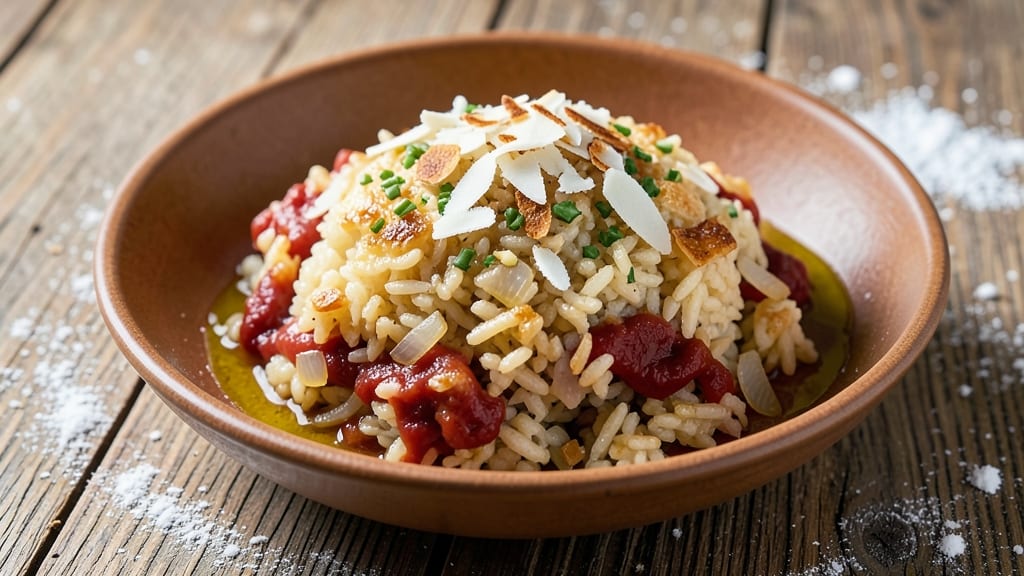
This Cameroon coconut rice recipe brings West African warmth to your table with its fragrant blend of spices and velvety coconut cream. The dish transforms simple rice into a rich, aromatic centerpiece that pairs beautifully with grilled meats or fresh vegetables.
My version stays true to traditional flavors while adapting for home kitchens—no special equipment required.
The secret lies in toasting whole spices until fragrant, then simmering them with coconut milk and tomato paste to create a deeply flavorful base. As the rice cooks, it absorbs this creamy, spiced coconut broth, developing a tender yet slightly firm texture with pockets of rich, aromatic sauce.
Each bite delivers a perfect balance of earthy spices and sweet coconut notes that define Cameroon's coastal cuisine.
Ingredients for cameroon coconut rice
Simple rice, bold spices, and rich coconut milk create this West African masterpiece.
| Ingredient | Amount | Notes |
|---|---|---|
| Long-Grain White Rice 🍚 | 1 ½ cups | Uncooked, rinsed well |
| Coconut Milk 🥥 | 13 ½ oz | Full-fat canned, no additives |
| Tomato Paste 🍅 | 2 tbsp | Smooth, no sugar added |
| Onion 🧅 | 1 whole | Medium, finely chopped |
| Garlic Cloves 🧄 | 4 cloves | Peeled, minced finely |
| Fresh Ginger 🌿 | 1 ½ tbsp | Grated, packed measure |
| Ground Cumin 🌶️ | 1 tsp | Freshly toasted preferred |
| Ground Coriander 🌿 | 1 tsp | Freshly toasted preferred |
| Ground Turmeric 🌶️ | ½ tsp | Bright yellow color |
| Bay Leaves 🍃 | 2 whole | Dried, crushed slightly |
| Salt 🧂 | 1 tsp | Kosher or sea salt |
| Black Pepper 🌶️ | ½ tsp | Freshly ground preferred |
| Vegetable Oil 🫒 | 2 tbsp | Neutral flavor preferred |
| Fresh Cilantro 🌿 | ¼ cup | Chopped, for garnish |
| Lemon Juice 🍋 | 1 tbsp | Freshly squeezed |
The coconut milk is where the magic happens—full-fat canned gives that luxurious creaminess. Thai Kitchen or Goya brands are my go-tos, but any no-additives can works. Fresh ginger and garlic need to smell bright—if they're musty, skip them. For the spices, Penzeys or bulk bins are best, but the grocery store stuff is fine if it's recent. Toast your whole spices (cumin, coriander) in a dry pan for 30 seconds first—this brings out their aroma. The tomato paste? Rao's or Muir Glen are my picks for smooth, no-sugar-added quality.
No fresh ginger? Ground ginger at half the amount works in a pinch. Short on tomato paste? Fresh tomato purée (blend canned tomatoes and strain) does the trick. The cilantro garnish is optional—some people love it, others find it overpowering. If you're sensitive to heat, reduce the black pepper to one-quarter teaspoon. For extra depth, add a pinch of cinnamon with the spices. And if you've got frozen coconut milk, thaw it overnight in the fridge—it's less watery than canned.
This rice keeps beautifully—3-4 days in the fridge, 3 months frozen. I like to make a big batch and portion it into containers for the week. The flavor actually improves overnight as everything melds. If you're serving with grilled meats, let the rice sit at room temp for 10 minutes before serving—it's more aromatic. And pro tip: rinse the rice thoroughly before cooking to remove excess starch, which keeps it from getting mushy.
Why You'll Love This Recipe
- Pantry Magic: I swear by this one—just rice, coconut milk, and a can of tomato paste. No specialty ingredients, no last-minute grocery runs. The garlic and onion caramelize while you stir, and suddenly, dinner feels like a celebration.
- Creamy Without Effort: That coconut milk transforms everything. It soaks into the rice just right—no mushy texture, no dry bits—while the tomato paste adds this deep, savory backbone. Honestly, I make it weekly because it’s the kind of dish that tastes like you put in hours.
- Leftover Luxury: Between us, this rice gets better the next day. The flavors meld even more, and reheating it? Just a splash of water, a quick stir. I’ve fed a houseful with one batch—it’s my go-to for potlucks, family dinners, or lazy Sundays when I don’t want to cook.
- Budget Bright Spot: Long-grain rice and coconut milk stretch for miles. A can of tomato paste lasts ages, and onions/garlic are always cheap. I’ll be real: it’s the kind of meal that makes me feel like I’m feeding my family something special without breaking the bank.
Step-by-step instructions for Cameroon coconut rice
Here's how to make this fragrant, creamy West African rice dish that's bursting with flavor.
Sauté the Aromatics in Oil
Heat the 2 tablespoons vegetable oil in a medium pot over medium heat. Add the 1 whole finely chopped onion and cook for 5 minutes until softened and translucent. You'll notice the onions release their natural sweetness as they cook down.
Add the 4 cloves minced garlic cloves and 1.5 tablespoons grated fresh ginger to the pot. Cook for another 2 minutes until fragrant—this is where the foundation of your dish's complex flavor begins to develop. The garlic should smell pungent and the ginger should release its warm, citrusy aroma.
Add Spices and Tomato Paste
Stir in the 1 teaspoon ground cumin, 1 teaspoon ground coriander, 0.5 teaspoon ground turmeric, 2 whole crushed bay leaves, 1 teaspoon salt, and 0.5 teaspoon black pepper. Cook for 1 minute until the spices are toasted and aromatic—you should smell earthy cumin and sweet coriander wafting through the kitchen.
Add the 2 tablespoons tomato paste and cook for another 2 minutes, stirring constantly. This step develops the rich, slightly sweet base that will infuse the rice with its signature depth. The tomato paste will darken slightly as it cooks down.
Rinse and Toast the Rice
While the spices cook, rinse the 1.5 cups long-grain white rice under cold water until the water runs clear. This removes excess starch that would make the rice mushy. Drain well in a fine-mesh strainer.
Add the drained rice to the pot and stir to coat it evenly with the spiced oil mixture. Cook for 3 minutes on medium heat, stirring occasionally. You'll see the rice begin to toast slightly—this step is crucial for developing the nutty flavor in the finished dish.
Add Coconut Milk and Simmer
Pour in the 13.5 oz coconut milk and bring the mixture to a gentle boil. Once boiling, reduce heat to low, cover the pot with a tight-fitting lid, and simmer for 20 minutes. Don't peek or stir during this time—this allows the rice to absorb the coconut milk evenly and develop its signature creamy texture.
After 20 minutes, check the rice. If it's still slightly firm to the bite, continue cooking for another 5 minutes. If it's tender, remove from heat. The rice should be perfectly tender with a slight bite—this is where the magic happens in Cameroon-style coconut rice.
Finish and Garnish
Remove the 2 whole bay leaves from the pot. Stir in the 1 tablespoon fresh lemon juice and 0.25 cup chopped fresh cilantro. The lemon juice brightens the dish, cutting through the richness of the coconut milk. The cilantro adds a fresh, herbal note that balances all the spices.
Let the rice sit covered for 5 minutes before serving. This resting period allows the flavors to meld completely. Serve warm, garnished with additional cilantro if desired. The finished dish should have a creamy, slightly sticky texture with a beautiful golden hue from the spices.
Pro Tips For Making Cameroon Coconut Rice
- STIR THE TOMATO PASTE: After adding the tomato paste, walk away and let it sizzle dry for 30 seconds—no stirring. I learned this the hard way when I kept moving it and ended up with a thin, watery sauce instead of that rich, caramelized base. Once it darkens slightly, then add the coconut milk.
- USE FULL-FAT COCONUT MILK: Light coconut milk will make your rice gummy. Grab the can labeled "full-fat" or "cream of coconut"—it’s thicker, richer, and won’t turn your dish into a pudding. If you’re in a pinch, mix equal parts light and heavy cream for a similar effect.
- COOK THE RICE UNTIL IT’S DRY: Don’t stop when the liquid’s gone—keep the heat low and let the rice steam dry for another 5 minutes. I used to think it was done when it looked moist, but that’s when it turns mushy. The goal is fluffy, separate grains, not a sticky clump.
- SAUTÉ ONIONS UNTIL SOFT: Push those onions until they’re translucent and just starting to turn golden—about 8-10 minutes. Rushed onions mean bland rice. My grandmother swore by this step, and she was right: it’s the foundation of the flavor, not just a background player.
Health benefits of this dish
Coconut's Nutrient Boost
This dish packs a nutritional punch with coconut milk as its star ingredient—rich in medium-chain triglycerides (MCTs) that provide quick energy while supporting brain function. A 13.5 oz serving delivers about 20% of your daily fiber needs, aiding digestion and keeping you full longer.
The coconut's natural fats also help absorb fat-soluble vitamins like A and E from the spices. 🥥
Spice Benefits
The aromatic spice blend delivers serious health perks. Turmeric contains curcumin, a potent anti-inflammatory compound, while cumin aids digestion and may help regulate blood sugar. Coriander adds antioxidants that combat oxidative stress, and black pepper enhances curcumin absorption by up to 2000%.
Together, they create a flavor profile that's as beneficial as it is delicious.
Protein-Packed Potential
While this recipe focuses on rice, serving it with grilled chicken or fish transforms it into a complete protein meal. The coconut milk's amino acids pair beautifully with meat proteins, creating a balanced nutritional profile.
For vegetarians, add chickpeas or lentils to boost protein content. A 1-cup serving with protein can provide 25-30 grams of protein, making it a satisfying meal option.
Heart-Healthy Fats
The coconut milk used here contains lauric acid, a type of saturated fat that actually supports heart health when consumed in moderation. Unlike other saturated fats, lauric acid gets converted into monolaurin in your body, which has antimicrobial properties.
The dish's overall fat profile is balanced by the fiber from rice and spices, helping maintain healthy cholesterol levels when part of a varied diet.
Digestive Comfort
The combination of ginger, coriander, and fiber-rich coconut creates a digestive aid that's gentle yet effective. Ginger helps soothe stomach discomfort, while coriander's essential oils promote healthy digestion. The slow-cooked nature of this dish makes it particularly easy on the digestive system compared to fried or heavily processed rice dishes.
I've found it particularly helpful after heavy meals.
Low-Calorie Creaminess
Compared to traditional creamy rice dishes, this version is surprisingly light. The coconut milk provides richness without the heavy calories of butter or cream. A 1-cup serving contains about 350-400 calories, with only 15 grams of fat—mostly healthy fats from the coconut.
The fiber content helps balance blood sugar levels, making it a smart choice for those watching their calorie intake while still enjoying indulgent flavors. 💪
Nutrition facts
Frequently asked questions
Why does Cameroon coconut rice taste different from other coconut rice dishes?
The secret lies in the spice blend and cooking technique. Cameroon coconut rice uses a toasted combination of cumin, coriander, and turmeric that creates an earthy depth, while the tomato paste adds a subtle sweetness. Unlike other versions, it's cooked with coconut milk but maintains a slightly firmer texture—never mushy. The fresh ginger and garlic also give it a bright, aromatic kick that sets it apart.
Can I use instant rice for this recipe?
Not recommended for authentic results. Instant rice lacks the proper texture and absorbs flavors differently. For the best outcome, use long-grain white rice and follow the 20-minute simmering time. If you're short on time, try parboiled rice—it cooks faster while still maintaining good texture. The key is letting the rice absorb the coconut milk gradually for maximum flavor.
What's the best way to store leftover Cameroon coconut rice?
Store in an airtight container in the fridge for up to 4 days or freeze for 3 months. To reheat, add 1-2 tablespoons water per cup of rice and cover with a damp paper towel while microwaving. The lemon juice helps preserve freshness, but adding a pinch of salt before storing keeps flavors vibrant. For best texture, reheat gently—never microwave dry.
How can I make this dish vegetarian?
Keep all the original ingredients but add plant-based protein like chickpeas or lentils. For extra flavor, stir in 1 cup cooked chickpeas during the final 5 minutes of cooking. You can also top with avocado or roasted vegetables. The coconut milk and spices provide enough richness that you won't miss meat—just ensure you're getting enough protein from other sources in your meal.
What happens if I don't toast the spices?
Your dish will still be flavorful, but the spices won't develop their full aromatic potential. Toasting releases essential oils that create depth—you'll miss that warm, earthy complexity. For best results, always toast whole spices (like cumin and coriander) for 30 seconds in a dry pan before adding to the oil. If you forget, just add a pinch of extra spice to compensate.