
Main Courses
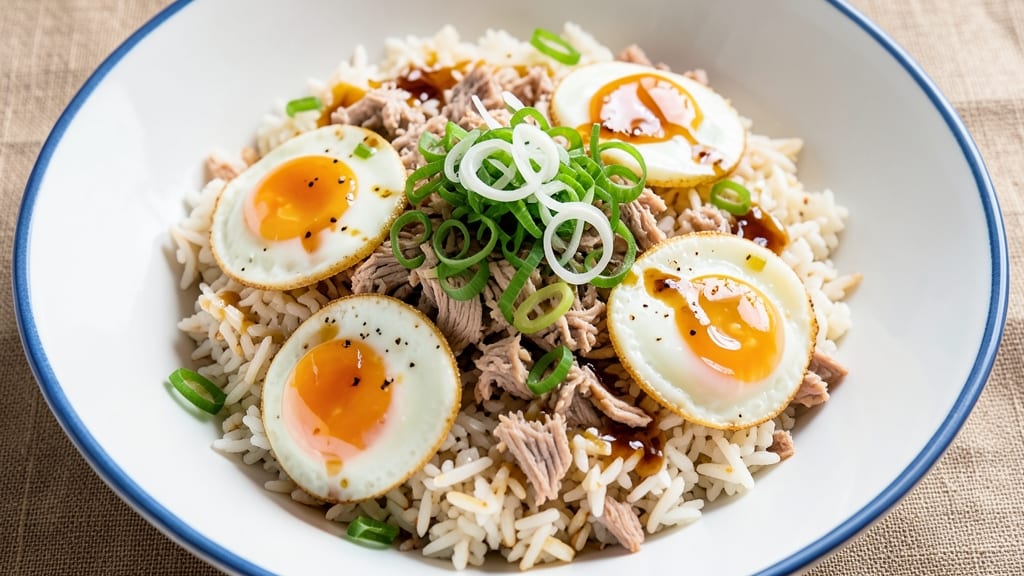
This canned tuna fried rice recipe transforms pantry staples into a savory, umami-packed meal in 20 minutes—perfect for quick weeknight dinners. The secret lies in high-heat stir-frying, where crispy edges meet tender rice and flaky tuna, all balanced with soy sauce and sesame oil for depth.
No fancy ingredients, just bold flavors that deliver restaurant-quality results at home.
What sets this dish apart is its versatility—adapt it with frozen peas, carrots, or scrambled eggs, and it’s ready in one pan. The technique ensures every bite has that satisfying crunch from the tuna and toasted rice, while a sprinkle of green onions adds freshness.
Whether you're feeding a family or meal prepping, this recipe delivers foolproof, flavorful results without the fuss.
Ingredients for canned tuna fried rice
Pantry staples meet restaurant-style technique for a quick, umami-rich dish.
| Ingredient | Amount | Notes |
|---|---|---|
| Day-Old Cooked White Rice 🍚 | 3 cups | Cold or room temperature preferred |
| Canned Tuna in Water 🐟 | 2 cans | Drained, flaked with fork |
| Large Eggs 🥚 | 2 whole | Scrambled or fried, chopped |
| Green Onions 🧅 | ¼ cup | Thinly sliced, white and green parts |
| Sesame Oil 🫒 | 1 tbsp | Toasted sesame oil preferred |
| Light Soy Sauce 🍶 | 2 tbsp | Low-sodium preferred |
| Vegetable Oil 🫒 | 2 tbsp | High smoke point for frying |
| Garlic Cloves 🧄 | 3 cloves | Minced, fresh preferred |
| Frozen Peas 🥦 | ½ cup | Thawed, optional for texture |
| Toasted Sesame Seeds 🌾 | 1 tsp | For garnish, optional |
| Salt 🧂 | ½ tsp | Adjust to taste |
| Black Pepper 🌶️ | ¼ tsp | Freshly ground |
| White Pepper 🌶️ | ¼ tsp | For subtle depth |
| Sesame Seeds 🌾 | 1 tsp | For garnish |
The foundation of this dish is day-old rice—fresh rice turns mushy when stir-fried. I always keep a batch in the fridge for quick meals. For the tuna, high-quality brands like StarKist or Wild Planet (in water, not oil) ensure better texture and flavor. The eggs should be fresh, as they scramble faster and hold their shape better. Green onions add brightness, so use the whites and greens—don’t skip the white part for extra flavor. If you’re short on time, frozen peas are a great add-in, but don’t overcook them.
No sesame oil? Toasted vegetable oil or a splash of peanut oil works in a pinch, though the aroma is unmatched. Swap light soy sauce for dark soy sauce (use half the amount) for a deeper color, but it’s saltier. The garlic can be jarred minced if fresh isn’t available, but fresh is always better. For extra protein, scrambled eggs are ideal, but tofu or shredded chicken (if pescatarian isn’t strict) can substitute. The white pepper is key—it adds depth without overpowering the dish’s delicate balance.
This dish reheats beautifully—microwave for 1-2 minutes or stir-fry again for crispiness. Store leftovers in an airtight container for up to 3 days in the fridge. For meal prep, divide into single-serving containers to keep portions fresh. The sesame seeds should be toasted in a dry pan for 30 seconds before adding to maximize their nutty flavor. Freeze extras for up to 2 months, though texture may soften slightly.
Why You'll Love This Recipe
- Pantry Powerhouse: I swear by this when my fridge is bare—just tuna, rice, and eggs. No fancy shopping required, and it still tastes like I slaved over it.
- Umami Bomb: That sesame oil hit? It turns simple rice into something ridiculously flavorful. The tuna’s briny kick pairs perfectly with the crispy egg edges—every bite’s a little flavor explosion.
- Lunchbox Hero: Pack this cold or reheated—it’s my go-to for work lunches. The green onions add freshness, and the texture holds up even after hours. (Yes, even on a Tuesday night.)
- Zero-Waste Winner: Uses up leftover rice, drains the tuna can completely, and stretches ingredients without sacrificing taste. Honestly, it’s the kind of meal that makes me feel like a budget-savvy genius.
Step-by-step instructions for canned tuna fried rice
Here's how to transform simple pantry staples into restaurant-quality fried rice.
Prepare the Base Ingredients
Break open the 2 cans of canned tuna in water and drain them completely, then flake the tuna with a fork into a medium bowl. Add the 3 cups of day-old cooked white rice, breaking up any clumps with your hands. This ensures even cooking and prevents mushy rice.
In a separate small bowl, whisk together the 2 whole large eggs until the yolks and whites are fully combined. Season the eggs with the 0.5 teaspoon salt, 0.25 teaspoon black pepper, and 0.25 teaspoon white pepper. The white pepper adds subtle depth without altering the dish's color.
Cook the Aromatics and Eggs
Heat 2 tablespoons of vegetable oil in a large skillet or wok over medium-high heat until shimmering. Add the 3 cloves of minced garlic and stir constantly for 30 seconds until fragrant—this prevents burning while developing flavor. Immediately add the thawed 0.5 cup frozen peas and cook for 2 minutes until heated through.
Push the garlic and peas to one side of the pan, then pour in the seasoned eggs. Scramble gently with a spatula until just set but still slightly moist—this texture ensures they'll blend seamlessly with the rice. Remove the eggs from the pan and set aside temporarily.
Stir-Fry the Rice Mixture
Increase the heat to high and add the remaining 1 tablespoon sesame oil to the same pan. Add the tuna and rice mixture, spreading it evenly across the surface. Let it cook undisturbed for 1 minute to develop a light crust on the bottom.
Using a spatula, cut through the rice mixture and stir vigorously for 3-4 minutes until the rice is heated through and begins to release its starch. The rice should be crisp-tender with slight resistance when pressed—a sign it's cooked perfectly. Add the 2 tablespoons light soy sauce and continue stirring for another 30 seconds.
Combine and Finish
Return the scrambled eggs to the pan and gently fold them into the rice mixture. Add the 0.25 cup thinly sliced green onions, reserving a small portion for garnish. Cook for an additional 1-2 minutes until everything is well combined and heated through.
Taste and adjust seasoning if needed—this is your chance to balance the dish. The fried rice should have a savory umami flavor with a subtle sweetness from the soy sauce. Remove from heat and transfer to a serving dish.
Garnish and Serve
Sprinkle the dish evenly with 1 teaspoon toasted sesame seeds and the reserved green onions. For final presentation, add a sprinkle of 1 teaspoon sesame seeds on top. Serve immediately while still hot, with additional soy sauce on the side if desired.
The rice should be crisp around the edges with a slightly sticky texture, and each bite should deliver a perfect balance of flaky tuna, tender peas, and savory eggs. The aroma of toasted sesame oil will fill your kitchen, signaling a dish that's both simple and satisfying.
Pro Tips For Making Canned Tuna Fried Rice
- Drain & Pat the Tuna Dry: Canned tuna in water is already wet, but the water clings like glue. Drain it well, then press it between paper towels for 30 seconds—this keeps your fried rice from turning soggy. I learned this the hard way when my first batch ended up mushy instead of crisp.
- Scramble Eggs First: Push the eggs to one side of the pan and cook them low and slow until just set (about 2 minutes). Then break them up with a spatula before adding rice—this way, they don’t turn rubbery when you stir everything together. Sounds weird, but it works: the eggs stay creamy, not scrambled-to-death.
- Break Up Rice Clumps: Day-old rice always sticks. Before adding it to the pan, use a fork to separate any clumps—this prevents gummy pockets in your final dish. I skip this when I’m lazy, but the difference in texture is noticeable.
- Finish with Sesame Oil: Toss in the sesame oil at the very end, just before serving. A few drops (about ½ teaspoon) add aroma without overpowering the dish. Drizzle it directly over the rice while stirring—this distributes the flavor evenly instead of pooling it in one spot.
Wine and beer pairings for this canned tuna fried rice
Crisp White Wine
For this dish, I always reach for a dry Riesling or Sauvignon Blanc—their bright acidity cuts through the richness of the fried rice while complementing the umami from the tuna and soy sauce.
A German Riesling (like Dr. Loosen Blue Slate) offers citrusy notes that mirror the green onions, while a New Zealand Sauvignon Blanc (like Oyster Bay) brings herbal freshness. Serve slightly chilled to enhance the wine’s crispness against the warm dish. 🍷
Light Lager Pairing
A Japanese lager like Asahi Super Dry or Sapporo is my go-to beer match—its clean, crisp profile doesn’t overpower the dish but enhances the sesame and garlic flavors.
For a craft option, try a Belgian Witbier (like Hoegaarden) with its coriander and citrus notes, which pairs beautifully with the dish’s umami depth. Avoid heavy IPAs or malty stouts, as they’ll clash with the delicate balance. 🍺
Sake for Authentic Touch
If you’re feeling adventurous, serve chilled junmai sake (like Gekkeikan) alongside your fried rice. The subtle sweetness and umami of the sake mirror the dish’s flavors, creating a harmonious pairing.
For a non-alcoholic option, sparkling yuzu soda (like San Pellegrino Yuzu) adds a refreshing citrus contrast that cleanses the palate between bites. 🍶
Sweet Sparkling Option
For a fun twist, try Prosecco or Cava—their effervescence and slight sweetness balance the savory-salty fried rice. The bubbles also help reset your palate, making each bite taste fresh.
If you prefer something sweeter, a dry sparkling rosé (like La Vieille Ferme) adds a floral note that pairs surprisingly well with the dish’s umami richness. ✨
Umami-Boosting Soy Sauce Cocktail
No wine? No problem! Mix 1 part light soy sauce, 1 part mirin, and 2 parts sparkling water for a quick, umami-packed mocktail. Serve over ice with a lemon twist for a refreshing sipper that mirrors the dish’s flavors.
This is my secret weapon for when I’m out of alcohol but still want to elevate the meal. 💡
Nutrition facts
Frequently asked questions
Why does the recipe call for day-old rice?
Freshly cooked rice is too moist and will turn mushy when stir-fried. Day-old rice has firmer grains that develop a slight crust when cooked, giving your fried rice that perfect crisp-tender texture. Plus, it absorbs flavors better!
Can I use canned tuna in oil instead of water?
While it's possible, tuna in oil is richer and can make the fried rice greasier. Drain it thoroughly and pat dry with a paper towel to remove excess oil. For best results, stick with tuna in water—it keeps the dish light and flaky.
How do I make this dish spicier?
Add ½ teaspoon of red pepper flakes or 1 teaspoon of sriracha when combining the rice and tuna. For heat lovers, mix in 1 tablespoon of gochujang (Korean chili paste) with the soy sauce. Start small—you can always add more!
What's the best way to reheat leftovers?
Spread leftovers in a single layer on a baking sheet and bake at 350°F for 5-7 minutes to restore crispiness. Or stir-fry in a dry pan over medium-high heat for 2-3 minutes with a splash of water to steam. Microwaving works but risks soggy rice.
Can I make this dish ahead of time?
Yes! Cook the rice mixture completely, let it cool, then store in an airtight container for up to 3 days. Reheat as directed above. For meal prep, divide into portions and freeze for up to 2 months—thaw overnight in the fridge before reheating.