
Main Courses
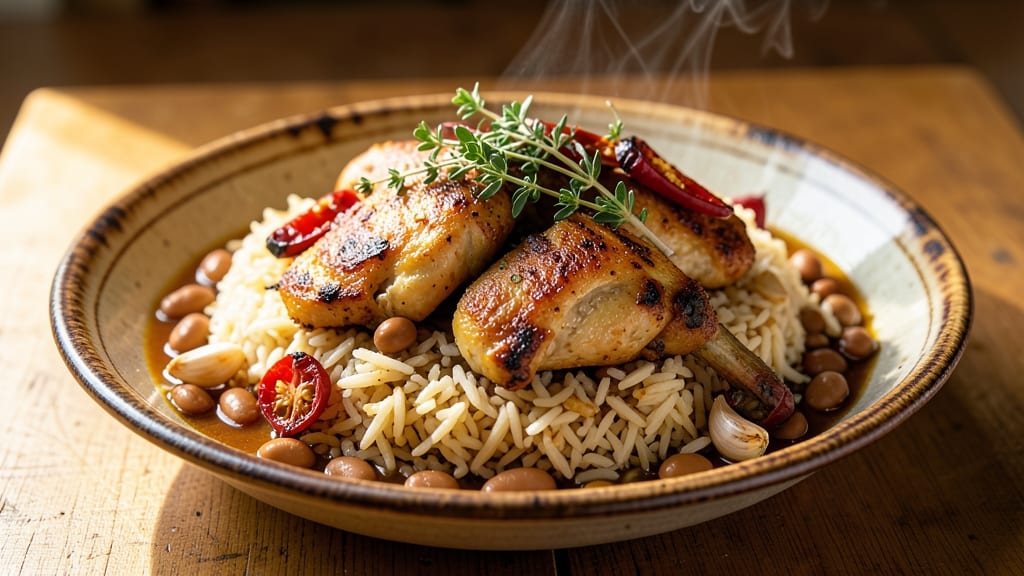
This one-pot Caribbean pelau rice recipe brings the bold flavors of the Caribbean to your table in a single dish, blending tender rice, hearty beans, and protein into a fragrant, spice-infused meal.
The secret lies in slow-cooked spices like thyme, garlic, and Scotch bonnet peppers that infuse every bite with authentic island character. Perfect for family dinners or gatherings, this dish transforms simple ingredients into a restaurant-worthy experience without the fuss.
The magic happens in the one-pot method, where rice, beans, and protein (like chicken or pork) simmer together, absorbing the rich, savory broth until everything is perfectly tender.
Whether you follow a Jamaican, Trinidadian, or Guyanese style, the result is a dish that’s as comforting as it is flavorful—ideal for feeding a crowd or meal prepping for the week. Let’s get cooking!
Ingredients for caribbean pelau rice
Sixteen ingredients for one-pot Caribbean harmony—where rice, protein, and spices blend into restaurant-worthy flavor.
| Ingredient | Amount | Notes |
|---|---|---|
| Long-Grain White Rice 🍚 | 2 cups | Uncooked, rinsed thoroughly |
| Chicken Thighs 🍗 | 1 ½ lb | Bone-in, skin-on preferred |
| Pinto Beans 🌱 | 1 ½ cups | Dried, soaked overnight |
| Scotch Bonnet Peppers 🌶️ | 2 whole | Seeds removed for less heat |
| Garlic Cloves 🧄 | 6 cloves | Minced for maximum flavor |
| Fresh Thyme 🌿 | ½ cup | Stems removed, chopped finely |
| Onion 🧅 | 1 whole | Yellow or red, diced |
| Tomato Paste 🍅 | ½ cup | High-quality, no added salt |
| Chicken Broth 💧 | 3 cups | Low-sodium preferred |
| Coconut Milk 🥥 | 13 ½ oz | Full-fat canned preferred |
| Olive Oil 🫒 | ¼ cup | Extra-virgin for richness |
| Salt 🧂 | 1 ½ tsp | Adjust to taste |
| Black Peppercorns 🌶️ | ½ tsp | Freshly ground |
| Bay Leaves 🌿 | 2 whole | Dried, removed before serving |
| Allspice Berries 🌶️ | ½ tsp | Ground for authentic flavor |
The Scotch bonnet peppers and allspice are non-negotiable for authentic flavor. Caribbean markets or specialty stores carry the best Scotch bonnet—look for vibrant red ones with no soft spots. If you can't find fresh allspice berries, ground allspice works in a pinch, though grinding your own from whole berries delivers deeper flavor. The chicken thighs should have visible fat marbling for moisture during cooking. Trader Joe's and Whole Foods often carry pre-soaked beans, but dried is ideal for maximum texture. For the coconut milk, full-fat canned brands like Thai Kitchen ensure rich, creamy results without watering down the dish.
No Scotch bonnet? Habanero or jalapeño at half the amount adds heat, though the smoky depth is lost. Fresh thyme unavailable? Dried thyme at one-third the quantity suffices. The tomato paste can be substituted with 1 cup of crushed tomatoes, though it may dilute the sauce slightly. For a vegetarian version, replace chicken with extra-firm tofu or chickpeas. The rice should be long-grain and uncooked—jasmine or basmati works, but traditional white rice absorbs the flavors best. If your chicken broth is high-sodium, reduce the added salt by half.
This dish tastes even better the next day as flavors meld. Store leftovers in an airtight container for up to 5 days in the fridge. For freezing, portion into single-serving containers and reheat with a splash of water or broth. The rice will dry out if overcooked, so add broth gradually during simmering. Double the recipe for crowd feeding—it reheats beautifully for meal prep. The beans can be pre-cooked and refrigerated for 3 days before adding to the pot.
Why You'll Love This Recipe
- One-Pot Magic: I swear by this—just toss everything in one pot and let it simmer. No chopping mountains of veggies, no fussing with multiple pans. The rice, chicken, beans, and peppers all cook together, so you’re basically hands-off after the initial stir.
- Scotch Bonnet Heat: Between us, that pepper changes everything. It’s not just spice—it’s this bright, fruity kick that lingers without overpowering. (Pro tip: Toast the garlic first—crispy edges make all the difference.)
- Lunchbox Hero: This is my go-to for meal prep. The flavors actually improve the next day, and it reheats like a dream. Pack it cold for work or save it for leftovers—either way, it’s a crowd-pleaser that doesn’t skimp on taste.
- Budget-Friendly Feast: Chicken thighs and dried beans stretch this dish far, and long-grain rice is a pantry staple. Honestly, it’s the kind of meal that makes me feel like I’m feeding a whole family without breaking the bank. Plus, the leftovers? Even better.
Step-by-step instructions for Caribbean pelau rice
Master this one-pot technique for perfectly balanced flavors and tender textures every time.
Sauté Aromatics and Build the Flavor Base
Heat the 0.25 cup olive oil in a heavy-bottomed pot over medium heat. Add the 1 whole diced onion and cook for 5-6 minutes until softened and translucent. Here's the thing—you want the onion to caramelize slightly at the edges for deeper flavor without burning.
Add the 6 cloves minced garlic and 0.5 cup finely chopped fresh thyme, cooking for 1 minute until fragrant. Stir in the 0.5 cup tomato paste and cook for 2 minutes to deepen its color. This step forms the flavor foundation that will infuse every grain of rice and bite of chicken.
Brown the Chicken and Add Beans
Increase heat to medium-high and carefully add the 1.5 lb chicken thighs, skin-side down. Cook for 5-6 minutes until the skin is golden brown and crispy. Flip the thighs and cook another 3-4 minutes until the internal temperature reaches 160°F. Remove chicken and set aside temporarily.
In the same pot, add the 1.5 cups soaked pinto beans (drained) and 0.5 tsp ground allspice berries. Stir for 1 minute to toast the beans lightly, which enhances their nutty flavor. Add the 2 whole seeded Scotch bonnet peppers (chopped) and cook for 2 minutes to soften slightly while preserving their heat.
Layer and Simmer the Pelau
Return the chicken thighs to the pot. Add the 2 cups long-grain white rice, spreading it evenly around the chicken and beans. Pour in the 3 cups chicken broth and 13.5 oz coconut milk, then add the 1.5 tsp salt, 0.5 tsp freshly ground black peppercorns, and 2 whole bay leaves.
Bring to a gentle boil, then immediately reduce heat to low. Cover tightly with a lid and simmer for 45 minutes. The key here is patience—the rice needs time to absorb all the flavors and become tender. Don't peek or stir during this time, as it disrupts the even cooking process and can make the rice mushy.
Rest and Fluff for Perfect Texture
After 45 minutes, turn off the heat but leave the pot covered. Let it rest for 15 minutes—this resting period allows the rice to finish steaming and the juices to redistribute throughout the dish. The chicken will continue cooking slightly during this time, reaching a perfect internal temperature of 165°F.
Remove the bay leaves before serving. Using a fork, gently fluff the rice in the pot, being careful not to break up the chicken thighs. The final dish should have tender rice grains, fall-off-the-bone chicken, and creamy coconut-infused beans. The Scotch bonnet peppers will add just a hint of heat that balances the rich coconut and savory chicken.
Pro Tips For Making Caribbean Pelau Rice
- SEAR THIGHS UNTIL CRISP: Don’t rush the chicken—get those thighs golden-brown and slightly charred on all sides before you even think about adding liquid. I used to skip this, and the dish always tasted underwhelming. Two tablespoons of oil in a heavy pot, medium-high heat, and let them sit 5-6 minutes per side. That crust is what carries the flavor through the whole dish.
- SOAK BEANS HALF THE DAY: Pinto beans straight from the can? Skip it. Rinse and soak them overnight instead—at least 8 hours. My grandmother swore by this, and she was right: the texture becomes tender without turning mushy, and the rice absorbs the bean broth better. Drain well before adding them to the pot.
- STIR THE RICE AT HALF COOK: Once the rice has absorbed half the liquid and you’re down to the final simmer, grab that wooden spoon and give it a good stir. This breaks up any potential clumping and ensures even cooking. I learned this the hard way—skipping it left me with a pot of uneven, gummy rice.
- USE THE PEPPER JUICE: Don’t toss out that Scotch bonnet juice after seeding—strain it and add it to the pot with the other aromatics. The liquid packs heat and depth that dried flakes can’t match. (Yes, even if you’re impatient like me.) Just a splash—about 1 tablespoon—makes a real difference in the final flavor.
Serving suggestions for this recipe
Fresh Garnishes
Brighten your pelau rice with fresh garnishes that cut through the richness. I love adding chopped cilantro or green onions right before serving—just 2 tbsp each adds vibrant color and a fresh, herbal note.
For extra flair, sprinkle toasted coconut flakes (about 1 tbsp) for a sweet, nutty crunch that complements the coconut milk. 🌿
Side Dish Pairings
A crisp, tangy side balances the creamy pelau perfectly. I often serve it with coleslaw made with a vinegar-based dressing (like apple cider vinegar and a touch of hot sauce) to cut through the richness.
Another winner is fried plantains—sweet, caramelized, and slightly crispy. For a lighter option, a simple mango avocado salad with lime adds refreshing brightness.
Beverage Pairings
Cool, citrusy drinks work best to refresh your palate between bites. A guava nectar or pineapple juice is traditional and pairs beautifully with the dish's spicy-sweet profile.
For something stronger, a rum punch (mix 2 oz dark rum, 1 oz lime juice, and 4 oz ginger beer) adds a festive touch. Iced hibiscus tea, or agua de Jamaica, is another great choice for a caffeine-free option. 🍹
Presentation Tips
Serve pelau rice in a large, shallow bowl or directly from the pot for a rustic, communal feel. Use a wooden spoon or ladle to scoop portions onto plates, keeping the chicken and beans visible for an inviting presentation.
For extra flair, drizzle a little hot honey or scotch bonnet-infused oil over the top right before serving. This adds a glossy finish and a subtle heat kick that ties everything together.
Meal Prep Serving
If you're prepping pelau for later, store it in an airtight container and reheat gently on the stovetop with 2-3 tbsp water or broth to restore moisture. When serving, I like to transfer portions to individual bowls and top with a fried egg for a protein boost.
A sprinkle of crushed red pepper or fresh lime wedges on the side lets everyone adjust the heat and acidity to their taste. 💫
Nutrition facts
Frequently asked questions
What makes Caribbean pelau rice different from other rice dishes?
This dish blends rice, beans, and protein (like chicken) in one pot, infused with Caribbean spices such as Scotch bonnet peppers, allspice, and thyme. The coconut milk adds creaminess, while the slow simmer creates a flavorful broth that coats every bite. Unlike paella or risotto, pelau relies on a harmonious mix of textures and bold spices.
Can I substitute chicken with another protein?
For a seafood version, use firm white fish like snapper or cod (cook for 8-10 minutes instead of chicken). Pork shoulder works too—just increase cooking time to 60 minutes for tender results. For vegetarian, swap in chickpeas or tofu, but reduce liquid slightly to avoid mushiness.
Why does my pelau rice turn out dry or mushy?
Dry rice usually means too much heat or not enough liquid. Use low heat and add 2 tbsp broth at a time if the pot seems dry. Mushy rice happens from stirring too much or peeking at it—keep the lid on and resist the urge! The 15-minute rest after cooking helps redistribute moisture for perfect texture.
How do I adjust the heat level in pelau?
Scotch bonnet peppers are key for authentic heat. For milder flavor, remove seeds and membranes, or use half the amount. If you love spice, add 1 extra pepper or a dash of hot sauce at the end. For a smoky twist, toast the Scotch bonnet peppers in a dry pan for 30 seconds before chopping.
Can I make pelau in a slow cooker or Instant Pot?
Yes! For a slow cooker, follow the same steps but cook on low for 4-5 hours or high for 2-3 hours. In an Instant Pot, sauté aromatics, then add everything except rice. Cook on high pressure for 10 minutes, then add rice and cook 5 minutes more. Let pressure release naturally for 10 minutes before opening.