
Side Dishes
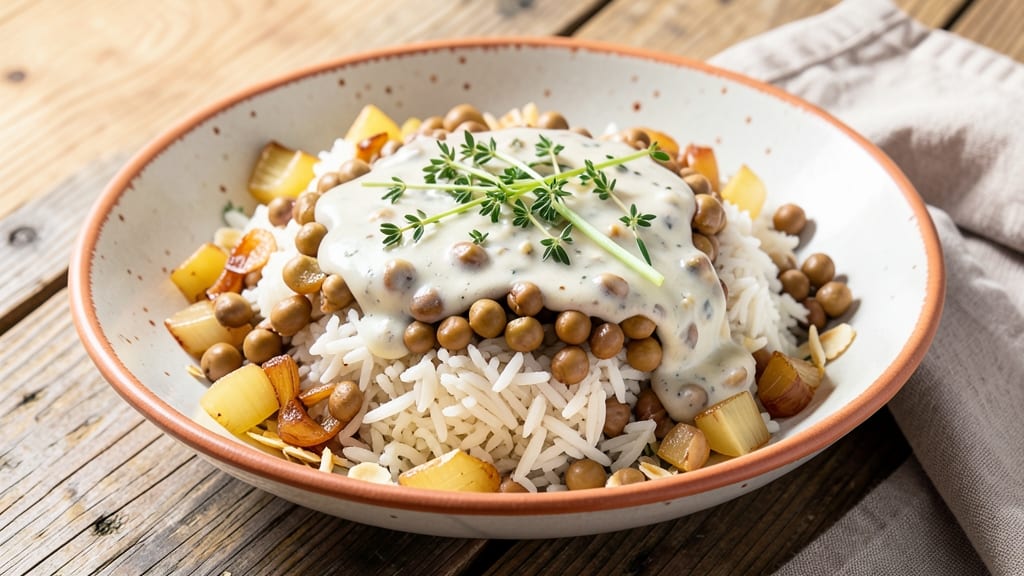
This Jamaican-style one-pot pigeon peas and rice delivers the hearty, aromatic flavors of the Caribbean with minimal effort. The secret lies in slow-cooked pigeon peas—tender yet firm—simmered with thyme, garlic, and scallions until their flavors meld into the rice.
What starts as a simple pot of grains transforms into a fragrant, one-dish meal that’s as comforting as it is impressive.
The dish balances earthy pigeon peas with coconut milk’s creaminess, creating a texture that’s fluffy yet substantial. Serve it alongside fried plantains or callaloo for an authentic Jamaican feast, or enjoy it as-is for a satisfying, protein-rich meal. The one-pot method ensures easy cleanup while delivering restaurant-quality results at home.
Ingredients for caribbean pigeon peas and rice
Jamaican flavors come together in this fragrant one-pot dish with earthy pigeon peas and aromatic rice.
| Ingredient | Amount | Notes |
|---|---|---|
| Dried Pigeon Peas 🌾 | 1 ½ cups | Soaked overnight for best texture |
| Long-Grain White Rice 🍚 | 1 cup | Uncooked, jasmine preferred |
| Coconut Milk 🥥 | 1 can (13.5 oz) | Full-fat for creaminess |
| Fresh Thyme 🌿 | ¼ cup | Stems removed, loosely packed |
| Garlic Cloves 🧄 | 4 cloves | Minced for aromatic base |
| Scallions 🧅 | ½ cup | White and green parts, chopped |
| Yellow Onion 🧅 | 1 whole | Medium size, diced |
| Tomato Paste 🍅 | 2 tbsp | Smooth texture preferred |
| Vegetable Oil 🫒 | 2 tbsp | Light olive or canola |
| Salt 🧂 | 1 ½ tsp | Diamond Crystal preferred |
| Ground Black Pepper 🌶️ | ½ tsp | Freshly ground for flavor |
| Bay Leaves 🌿 | 2 whole | Removed before serving |
| Allspice Berries 🌶️ | 4 whole | Crushed lightly for aroma |
| Fresh Ginger 🌿 | 1 tbsp | Grated, fresh preferred |
| Water 💧 | 2 ½ cups | Filtered for best flavor |
The pigeon peas are the heart of this dish—look for dried varieties at Caribbean markets or specialty stores like Whole Foods. If you can't find them, great northern beans work as a substitute, though texture will differ slightly. Fresh thyme and allspice are non-negotiable for authentic flavor; Penzeys Spices carries excellent quality if you can't find them locally. The coconut milk should be full-fat for the creamiest texture, and Thai Kitchen brand is widely available in most grocery stores. For the ginger, freshly grated is ideal, but powdered works in a pinch at half the amount.
No allspice berries? Ground allspice at one-third the amount will work, though the flavor won't be identical. Substituting canned coconut milk? Use full-fat and shake the can well before measuring. The tomato paste can be omitted entirely if you prefer a less tomato-forward dish, but it adds depth that complements the coconut beautifully. For the rice, jasmine rice is traditional, but basmati or long-grain white rice will work just fine. The pigeon peas must be soaked overnight—this step is essential for tender, flavorful peas that hold their shape.
This dish tastes even better the next day as the flavors meld together. Store leftovers in an airtight container in the refrigerator for up to 5 days. For longer storage, freeze portions for up to 3 months. The rice will dry out if reheated with additional liquid, so sprinkle a few drops of water and cover tightly before microwaving. Serve with fried plantains or steamed greens for a complete Jamaican meal.
Why You'll Love This Recipe
- One-Pot Magic: I swear by this recipe because it’s basically hands-off after the initial chop. Toss everything—rice, peas, coconut milk, thyme—into a pot with garlic and water, then let it simmer. No stirring every five minutes, no watching the rice like a hawk. The coconut milk does all the work, turning those dried peas into something so tender it’s practically falling apart.
- Thyme & Spice Bomb: That first whiff of garlic and thyme hitting the pot? Instant mood booster. The coconut milk adds this rich, velvety depth, while the dried peas soak up all the flavor like a sponge. It’s not just "good"—it’s that kind of dish where you pause mid-bite because you’re savoring how the garlic’s sharpness plays off the peas’ earthy sweetness.
- Leftovers I Actually Crave: Between us, this is the only rice dish I’ll make extra of. It tastes just as good reheated the next day—maybe even better, because the flavors meld overnight. Pack it for lunches, freeze portions for lazy nights, or bring it to a potluck. No one will guess it’s from last Sunday’s dinner.
- Budget-Friendly Luxury: Honestly, this recipe feels fancy without breaking the bank. Dried pigeon peas are cheaper than canned, and coconut milk stretches far enough to make it feel indulgent. Plus, you’re using whole spices and fresh herbs—no powdered shortcuts. It’s the kind of meal that makes you feel like you’re treating yourself, even when you’re just feeding the family.
Step-by-step instructions for Jamaican-style pigeon peas and rice
This one-pot method delivers authentic Caribbean flavors with minimal cleanup and maximum depth.
Prepare the Base with Aromatics and Tomato Paste
Heat the 2 tablespoons vegetable oil in a heavy-bottomed pot over medium heat. Add the diced yellow onion and cook for 5 minutes until softened and translucent. This foundational step builds flavor—don't rush it.
Add the 4 cloves minced garlic cloves, 1 tablespoon grated fresh ginger, and 0.5 cup chopped scallions, cooking for 2 minutes until fragrant. Stir in the 2 tablespoons tomato paste and cook for another 2 minutes until it darkens slightly. This creates the rich, savory base that carries the dish.
Build Flavor with Spices and Coconut Milk
Add the 1.5 cups soaked dried pigeon peas, 1 cup long-grain white rice, 1.5 teaspoons salt, 0.5 teaspoon ground black pepper, 2 whole bay leaves, and 4 whole allspice berries (lightly crushed). Stir to coat everything evenly with the tomato paste mixture.
Pour in the 2.5 cups water and bring to a boil. Once boiling, reduce heat to low, then stir in the 1 can (13.5 oz) coconut milk. The mixture should simmer gently—this is crucial for even cooking. Partially cover the pot and let it cook for 20 minutes without stirring.
Incorporate Thyme and Simmer to Perfection
After 20 minutes, gently stir in the 0.25 cup fresh thyme (stems removed). The thyme should be distributed evenly throughout the mixture. Return to a gentle simmer and cook uncovered for another 30 minutes. You'll know it's ready when the liquid has mostly absorbed and the rice is tender.
Here's the thing—don't lift the lid during cooking. Every time you peek, you release steam and potentially dry out the rice. The dish should have a rich, coconut-infused aroma with visible liquid reduction. If it looks dry before the time is up, add 2 tablespoons water and continue cooking.
Rest and Serve with Authentic Presentation
Once the rice is fully cooked and tender (about 50 minutes total cooking time), remove from heat. Let it rest for 5 minutes covered. This resting period allows the flavors to meld and the rice to absorb any remaining liquid.
Before serving, remove and discard the bay leaves and allspice berries. Fluff the rice gently with a fork and adjust seasoning if needed. Serve immediately with a sprinkle of fresh thyme on top for presentation. The finished dish should have a creamy texture from the coconut milk, with distinct flavors of thyme, allspice, and ginger.
Pro Tips For Making Caribbean Pigeon Peas And Rice
- Soak the Peas Overnight: I learned this the hard way—rushing the soak means tough, mealy peas. Toss them in cold water for at least 12 hours (yes, even if you’re impatient like me), then drain and rinse before cooking. The extra time guarantees they’ll stay tender and soak up all that coconut milk flavor.
- Toast the Garlic Low: After burning three batches, I finally figured out: garlic needs patience. Sauté those cloves in coconut oil over medium-low heat until golden, not brown. High heat turns them bitter—this dish doesn’t need that. Stir often, and don’t walk away.
- Layer the Rice First: My grandmother swore by this, and she was right: spread the rice evenly in the pot before adding liquid. No clumps, no uneven cooking. Use your hand to press it down gently—this keeps every grain separate and fluffy, even with coconut milk’s richness.
- Simmer, Don’t Boil: Sounds weird, but it works: keep the peas and rice at a gentle simmer, not a rolling boil. Too much heat turns the coconut milk grainy and the rice mushy. A slow, steady bubble—about 15 minutes after boiling—is all you need. Trust the process.
Essential equipment for caribbean pigeon peas and rice
Heavy-Bottomed Pot
Your 6-quart Dutch oven or heavy-bottomed stockpot is non-negotiable for even heat distribution. I swear by my All-Clad Stainless Steel Dutch Oven—it handles the medium heat without hot spots that can burn the tomato paste or scorch the coconut milk.
If you don’t have one, a Calphalon enameled cast iron works just as well. Avoid thin aluminum pots; they’ll cause uneven cooking and potentially mushy rice. 🔥
Wooden Spoon
A long-handled wooden spoon is essential for stirring the thick coconut milk and tomato paste mixture without scratching your pot. I prefer olive wood for its durability and neutral flavor.
Avoid metal spoons—they can react with acidic ingredients like tomato paste or coconut milk over time. Keep it handy for scraping up any stuck-on bits during the 20-minute simmer phase.
Fine-Mesh Strainer
For rinsing your soaked pigeon peas, a fine-mesh strainer removes excess starch that could make the peas gummy. I use a stainless steel mesh strainer from OXO—it’s sturdy and won’t bend when rinsing a full batch.
If you’re using dried pigeon peas from a package, this step is critical to prevent a mushy texture. Pro tip: Rinse them under cool water to preserve their shape.
Measuring Cups and Spoons
Precision matters with coconut milk, tomato paste, and spices. Invest in stainless steel measuring cups (like We Are the Mighty) for accurate liquid measurements. For spices, use a small scoop or teaspoon—over-measuring allspice berries or ground black pepper can overpower the dish.
I keep my Penzeys Spice jars within arm’s reach while cooking for quick adjustments.
Timer and Thermometer
Set a kitchen timer for the 50-minute cooking window—this ensures you don’t overcook the rice or undercook the peas. A meat thermometer (like ThermoWorks Thermapen) isn’t required, but it’s handy for checking the internal temperature of the peas if you’re unsure.
The rice should reach 212°F at the core, signaling it’s fully cooked. Trust me, this small tool prevents guesswork and ruined batches. ⏱️
Serving Spoon and Garnish Tray
For plating, a slotted serving spoon lets you remove the bay leaves and allspice berries before serving. I garnish with fresh thyme sprigs from a small ceramic tray—it keeps the herbs organized and within reach.
If you’re serving with fried plantains or callaloo, pre-plate them on a wooden board for an authentic Jamaican spread. A tongs set also helps for easy serving without breaking up the rice.
Nutrition facts
Frequently asked questions
Can I make this recipe without soaking the pigeon peas overnight?
You can try quick-soaking for 2 hours in hot water, but overnight soaking (8+ hours) guarantees the best texture. The peas will be more tender and absorb flavors better. If short on time, use canned pigeon peas (drained and rinsed) as a shortcut—just reduce the cooking time by 15 minutes.
What's the difference between Jamaican and Trinidadian pigeon peas and rice?
The main difference lies in the peas: Jamaican versions use dried pigeon peas (soaked and cooked), while Trinidadian recipes often feature fresh pigeon peas (smaller and sweeter). Trinidadian versions may also include chad-doubles (a type of flatbread) or more coconut milk. The rice base remains similar, but Jamaican-style leans on thyme and allspice.
How do I prevent the rice from getting mushy?
Use a heavy-bottomed pot and maintain low heat after boiling. Never stir after the initial 20 minutes—lifting the lid releases steam that can make the rice gummy. If it looks dry before 50 minutes, add 2 tbsp water instead of stirring. Also, rinse soaked peas thoroughly to remove excess starch.
Can I add meat to this recipe?
Traditional additions include ham hocks, saltfish, or chicken thighs. Brown 1 cup diced meat with the onions, then proceed with the recipe. For saltfish, simmer it separately for 10 minutes before adding to the pot. Remove meat before serving if preferred.
Why does my dish smell amazing but taste bland?
This usually happens from under-seasoning or overcooking. Double-check your salt (use 1.5 tsp Diamond Crystal) and allspice. Taste the peas and rice before serving—if bland, add a pinch of salt or a splash of coconut milk to restore creaminess. Fresh thyme and ginger are non-negotiable for authentic flavor.