
Main Courses
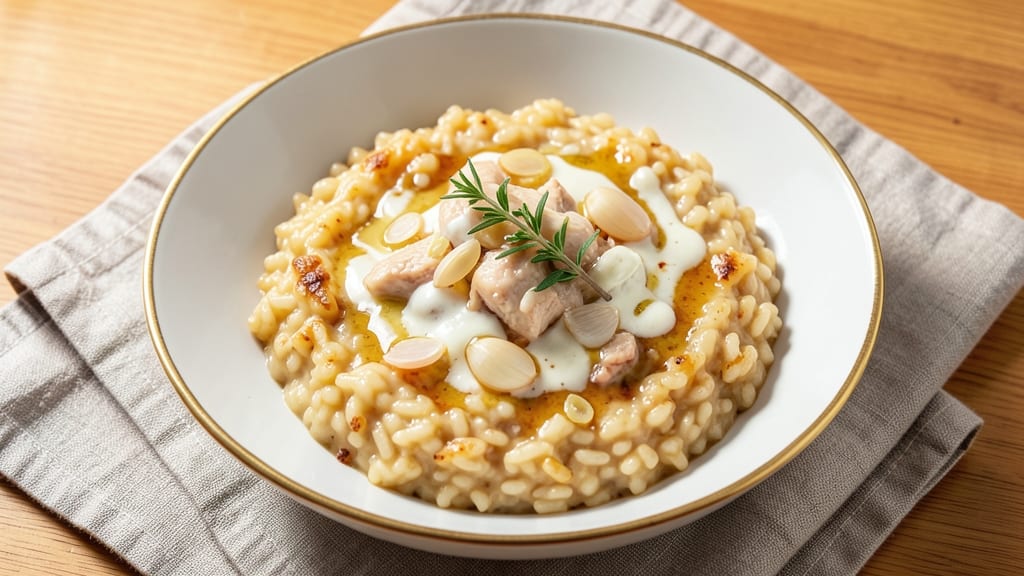
This Carnaroli rice risotto recipe delivers restaurant-quality creaminess with perfectly toasted grains and a velvety finish in just 30 minutes. The secret lies in slow simmering and constant stirring—technique matters more than ingredients here.
I've refined this method over years, ensuring every bite is rich, tender, and deeply satisfying without requiring hours in the kitchen.
The key to success is balancing liquid gradually while maintaining the all'onda technique—those signature waves of sauce that define authentic risotto. With just 5 simple ingredients and a few essential techniques, you'll achieve a dish that's luxurious yet approachable. Ready to master this Italian classic?
Ingredients for carnaroli rice risotto
Five core ingredients and precise technique transform simple grains into restaurant-quality risotto.
| Ingredient | Amount | Notes |
|---|---|---|
| Carnaroli Rice 🍚 | 1 ½ cups | Unrinsed for optimal starch retention |
| Dry White Wine 🍷 | 1 cup | Bold, dry variety like Pinot Grigio |
| Chicken Stock 🍲 | 4 cups | Homemade or high-quality store-bought |
| Unsalted Butter 🧈 | ½ cup | Cold, cut into small cubes |
| Shallots 🧅 | 2 whole | Finely minced, about 2 tbsp |
| Garlic Cloves 🧄 | 4 cloves | Peeled and minced |
| Parmesan Cheese 🧀 | ¾ cup | Freshly grated, fine grade |
| Extra-Virgin Olive Oil 🫒 | 2 tbsp | High-quality, fruity variety |
| Sea Salt 🧂 | 1 tsp | Kosher or Diamond Crystal |
| Freshly Ground Black Pepper 🌶️ | ½ tsp | Coarsely ground |
| Fresh Thyme Leaves 🌿 | ¼ cup | About 10 sprigs finely chopped |
Carnaroli rice is non-negotiable for this dish—its high starch content and creamy texture make it ideal. Barilla or De Cecco brands are widely available at specialty Italian markets or well-stocked grocery stores like Whole Foods. Look for packages labeled specifically for risotto, as these varieties have been cultivated for optimal cooking properties. The rice should be plump and uniform in size, with no broken grains. If you can't find Carnaroli, Arborio rice is a suitable substitute, though the texture will be slightly firmer. Store your rice in an airtight container in a cool, dark place for up to 12 months—just make sure it's completely dry before sealing.
For the wine, any bold, dry white works—Pinot Grigio, Sauvignon Blanc, or even a crisp Chardonnay. Avoid oaked whites or anything overly fruity. Trader Joe's carries excellent affordable options, or check the wine section at Costco for bulk purchases. The chicken stock is where flavor builds; Pacific Foods or Imagine brands are reliable if making homemade isn't feasible. Fresh thyme is ideal, but dried thyme at one-third the amount works in a pinch. The shallots should be finely minced—almost paste-like consistency—for even distribution. If you're short on time, a food processor handles this quickly, but a sharp knife works just as well with practice.
This risotto tastes even better the next day—allow the flavors to meld completely. Store leftovers in an airtight container in the fridge for up to 4 days, covered with a thin layer of stock to prevent drying. For longer storage, freeze portions for up to 3 months. The Parmesan should be freshly grated before serving to maintain its sharp, nutty flavor. If you're making this ahead, prepare the rice and store it separately from the butter and cheese, then finish with the final stir and toppings just before serving. The key to reheating is adding a splash of warm stock and gently stirring until creamy.
Why You'll Love This Recipe
- No Stock Panic: I’ll never buy pre-made stock again. Simmering my own from scratch for this risotto is easier than ordering takeout—and the flavor? Chef’s kiss. Just keep a pot on low heat while you toast the shallots in butter; it’s foolproof.
- Creamy Without Guilt: That velvety finish comes from butter and wine, not heavy cream. The Carnaroli rice soaks up the stock like a sponge, giving you rich texture without the dairy overload. (Yes, even my lactose-intolerant cousin asks for seconds.)
- Weeknight to Dinner Party: Same recipe, different vibes. Toss in mushrooms for a cozy Tuesday, or add a splash of truffle oil for fanciness when company’s over. The wine deglazes the pan while you chop—minimal effort, maximum wow factor.
- Leftovers That Don’t Suck: Most risotto turns to glue, but this one reheats like a dream. Stir in a splash of stock and butter, and it’s just as luscious as day one. Pack it for lunch or freeze portions—no sad, dry grains here.
Step-by-step instructions for Carnaroli rice risotto
Mastering this technique transforms simple ingredients into velvety perfection every time.
Toast the Rice for Nutty Depth
Heat the 2 tablespoons extra-virgin olive oil in a heavy-bottomed skillet or Dutch oven over medium-high heat. Add the 1.5 cups carnaroli rice and stir constantly for 2-3 minutes until the grains become translucent at the edges and you detect a toasty aroma. This step develops the rice's natural starches and creates that signature nutty flavor.
Don't walk away during this process—you're building the foundation for your risotto. The rice should look slightly glossy and begin to release its starches. If it starts to brown too quickly, reduce the heat slightly. I like to press the rice gently against the pan with a wooden spoon to ensure even toasting. This ensures each grain develops that perfect toasted character before the liquid is added.
Develop the Aromatic Base
Add the 2 whole shallots and 4 cloves garlic cloves to the toasted rice, stirring for 1-2 minutes until the shallots soften and become translucent. The garlic should just begin to sizzle but not brown—this prevents bitterness. Add the 0.5 cup unsalted butter, cut into small cubes, and stir until it melts completely into the rice.
Here's where the magic begins: sprinkle the rice with 0.25 cup fresh thyme leaves and 0.5 teaspoon freshly ground black pepper. Stir for another 30 seconds to distribute the flavors evenly. The thyme will release its aromatic oils, adding complexity to your risotto. This is also when I add 0.5 teaspoon sea salt—just enough to enhance the flavors without overpowering them at this stage.
Deglaze with Wine for Flavor Foundation
Pour in the 1 cup dry white wine and stir vigorously, scraping up any browned bits from the bottom of the pan. Allow the wine to simmer for 2-3 minutes until completely evaporated—you should see the liquid reduce to nothing. This deglazing step captures all the fond (those flavorful browned bits) and incorporates them into your risotto base.
Watch carefully as the wine reduces. You'll notice the rice begins to absorb the liquid and the edges become slightly glossy. This is your signal that the wine has fully integrated and the rice is ready for the stock. The wine's acidity also helps prevent the risotto from becoming too heavy later in the cooking process.
Cook the Risotto to Al Dente Perfection
Begin adding the 4 cups chicken stock ½ cup at a time, stirring frequently after each addition. The rice should absorb each portion before adding the next—this gradual process creates that signature creamy texture. Each addition should take about 5-7 minutes to absorb completely.
Maintain a gentle simmer throughout this process. You'll know you're on track when the rice begins to look creamy but still has a slight bite in the center when you taste it. This is called "al dente" and is crucial for perfect risotto. I like to use a wooden spoon to gently stir the rice, lifting it from the bottom of the pan to ensure even cooking and prevent sticking.
Finish with Butter and Cheese for Luxurious Texture
When the rice is al dente and has absorbed most of the stock (about 20-25 minutes total cooking time), remove the pan from heat. Stir in the remaining 0.25 cup unsalted butter and 0.75 cup parmesan cheese until fully melted and incorporated. The risotto should now have a luxurious, velvety consistency with a beautiful sheen.
Taste and adjust seasoning if needed—this is your final opportunity to balance the flavors. The risotto should be creamy but not soupy, with each grain distinct yet coated in a silky sauce. If it's too thick, stir in a splash of warm stock. If it's too thin, you can let it sit off heat for a minute to thicken slightly. Serve immediately while still hot, garnished with additional parmesan and fresh thyme if desired.
Pro Tips For Making Carnaroli Rice Risotto
- STIR CONSTANTLY (NO, REALLY): The second the rice hits the pan, grab that wooden spoon and don’t let up—even for a second. I used to think 10 seconds between stirs was fine, but Carnaroli rice turns to mush faster than you’d believe. Keep the motion steady and the heat medium-high; the goal is to toast the grains evenly without burning the shallots.
- USE COLD STOCK: Start with ice-cold chicken stock in your pot or pitcher—yes, even if you’re impatient. Hot stock raises the pan’s temperature too fast, and suddenly you’re fighting a greasy, uneven mess. Pour in just enough to cover the rice, then keep the rest cold until you’re ready to add it. Your risotto will absorb the liquid smoothly, not in desperate gulps.
- SALT THE STOCK: If you’re using homemade or store-bought stock that’s not already salted, skip the extra salt in the risotto. Over-salting at the end is a rookie move—you’ll end up with a dish that tastes like a science experiment gone wrong. Aim for 1 teaspoon of salt per liter of stock, and taste it before you pour. Trust me, your final dish will thank you.
- TOAST THE RICE FIRST: Don’t rush the initial toasting step—let the Carnaroli rice sit in the butter and shallots until it’s opaque and slightly sticky to the touch (about 2-3 minutes). I learned this the hard way after making risotto that tasted undercooked no matter how long I simmered it. Patience here means a creamy, properly textured finish.
Best sauces and condiments for this carnaroli rice risotto
Classic Wine Reduction
Start with a simple white wine reduction by simmering 1 cup dry white wine (like Pinot Grigio) with 2 tablespoons unsalted butter until reduced by half. This creates a glossy, flavorful sauce that enhances the risotto's richness.
For extra depth, add 1 teaspoon fresh thyme leaves and ½ teaspoon sea salt while reducing. 🍷
Brown Butter Sauce
For a nutty, caramelized finish, melt ¼ cup unsalted butter in a saucepan over medium heat until it turns golden brown and smells toasty. Immediately whisk in 2 tablespoons heavy cream to stop browning, then drizzle over your risotto tablespoon by tablespoon. This adds incredible depth and a luxurious sheen.
Lemon Beurre Blanc
This bright, tangy sauce balances the richness perfectly. Melt ¼ cup cold butter in a saucepan, then whisk in 2 tablespoons fresh lemon juice and 1 tablespoon lemon zest.
Add 2 tablespoons warm chicken stock and simmer until slightly thickened. Finish with ½ teaspoon salt and drizzle over your risotto for a refreshing contrast.
Mushroom Sauce
Sauté 1 cup finely chopped mushrooms (cremini or shiitake) with 1 tablespoon olive oil until golden. Deglaze with 2 tablespoons white wine, then add 2 tablespoons chicken stock and simmer until thickened. Stir in 1 tablespoon fresh parsley and spoon over your risotto for an earthy, umami boost.
Truffle Oil Drizzle
For a gourmet touch, finish your risotto with 1 teaspoon high-quality truffle oil (like Artisan Truffle Co.). Drizzle just before serving—this adds an intense, aromatic depth that elevates every bite.
Pair with freshly cracked black pepper for contrast. The oil should be used sparingly; a little goes a long way. 💫
Garlic Aioli
Blend ¼ cup mayonnaise with 1 roasted garlic clove, 1 teaspoon lemon juice, and ½ teaspoon salt until smooth. Spread a thin layer on top of your risotto or serve on the side for dipping. The creamy, garlicky contrast adds a fun, interactive element to your dish.
Nutrition facts
Frequently asked questions
Why does Carnaroli rice work better than Arborio for risotto?
Carnaroli rice has a higher starch content and larger grains that absorb liquid more evenly while maintaining their shape. This creates the signature creamy yet distinct texture. Arborio works too, but Carnaroli develops that luxurious mouthfeel faster and with less risk of mushiness. The extra starch also helps create the signature all'onda waves when stirring.
Can I make this risotto in a slow cooker or Instant Pot?
While possible, it's not ideal. Risotto requires constant stirring to develop its texture and flavor. In a slow cooker, use low heat and stir every 5 minutes for 20 minutes total. For Instant Pot, sauté the rice first, then cook on high pressure for 6 minutes, release pressure, and stir in butter/cheese. The texture won't be identical, but it's a good backup for busy days.
What's the best way to fix risotto that's too thick or too thin?
For too thick risotto, stir in 1-2 tablespoons warm stock and let it sit off heat for 1-2 minutes to absorb. For too thin risotto, remove from heat and let it rest for 3-5 minutes—the starches will thicken naturally. Never add flour or cornstarch; it ruins the authentic texture. The key is balancing liquid additions from the start.
How do I store and reheat leftovers properly?
Store in an airtight container in the fridge for up to 4 days, covered with a thin layer of stock. To reheat, add 1-2 tablespoons stock per cup of risotto and warm gently on low heat, stirring constantly. For best texture, finish with fresh butter and cheese after reheating. Never microwave—it creates a gummy texture. The risotto actually tastes better the next day as flavors meld!
What are common mistakes beginners make with risotto?
Three big mistakes: walking away during toasting (burns the rice), adding all stock at once (creates mushy texture), and skipping the wine deglaze (loses flavor depth). Also, don't rinse the rice—it removes the starch needed for creaminess. And remember: risotto should always be al dente—it continues cooking off heat.