
Side Dishes
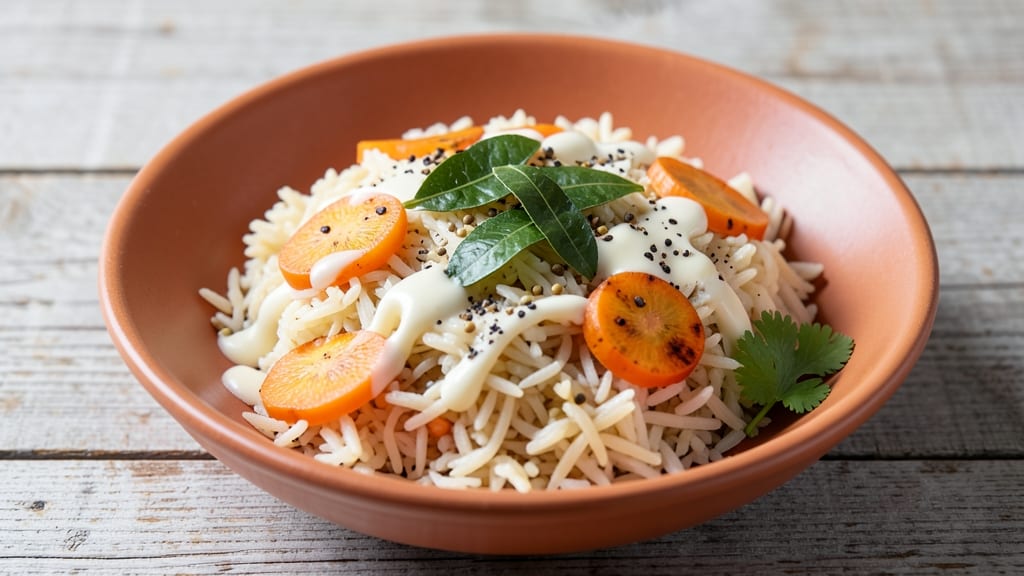
This South Indian carrot rice recipe transforms humble ingredients into a fragrant, golden dish that pairs perfectly with dosas and sambar. 🌟 The secret lies in the mustard seed tempering—those sizzling seeds release nutty aromas that infuse every grain, while turmeric and curry leaves create the signature South Indian warmth.
My grandmother used to say, "The magic happens in the tempering," and she was right. The dish begins with perfectly cooked basmati rice, lightly seasoned with salt and turmeric, then gently mixed with tender carrots that absorb the rich, spiced coconut milk.
What makes this version special is the balance—carrots stay slightly crisp, not mushy, while the rice develops that signature South Indian creaminess without being heavy. The mustard seeds, curry leaves, and a touch of asafoetida create layers of flavor that build with each bite.
By the time you're done, you'll have a dish that's creamy yet light, with vibrant orange carrots and golden rice grains coated in aromatic spices.
This isn't just side dish—it's the kind of meal that makes you want to savor every spoonful, especially when paired with spicy coconut chutney or a crisp dosa. The flavors develop as it rests, so making it ahead is always a good idea.
Traditionally served at festive occasions, this carrot rice brings the warmth of South Indian cuisine to your table. The technique is simple but precise—no room for rushing the tempering or overcooking the carrots. Once mastered, it becomes a staple that transforms ordinary meals into something special.
Ingredients for carrot rice recipe south indian
These simple yet aromatic ingredients transform ordinary rice into South Indian magic.
| Ingredient | Amount | Notes |
|---|---|---|
| Long-Grain Basmati Rice 🍚 | 1 ½ cups | Uncooked, rinsed thoroughly |
| Medium Carrots 🥕 | 1 ½ lbs | Peeled, cut into even pieces |
| Coconut Milk 🥥 | 1 can | Full-fat, unsweetened (13.5 oz) |
| Mustard Seeds 🌱 | 1 tbsp | Whole, yellow variety |
| Curry Leaves 🌿 | ¼ cup | Fresh, packed |
| Asafoetida Powder 🧂 | ¼ tsp | For authentic aroma |
| Turmeric Powder 🌶️ | ½ tsp | Freshly ground preferred |
| Ghee 🧈 | 2 tbsp | Clarified butter, unsalted |
| Salt 🧂 | 1 tsp | Adjust to taste |
| Green Chilies 🌶️ | 2 whole | Slit lengthwise, optional |
| Fresh Cilantro 🌿 | ¼ cup | Chopped, for garnish |
| Lemon Juice 🍋 | 1 tbsp | Freshly squeezed |
The mustard seeds and curry leaves are non-negotiable for that signature South Indian aroma. Look for yellow mustard seeds at Indian grocery stores—they're cheaper and more flavorful than the white ones. Fresh curry leaves (not dried) make all the difference. Whole Foods or local Indian markets usually have them, and they should smell vibrant, not stale. Asafoetida is the secret ingredient—it adds depth without overpowering. Penzeys or Spicewalla carry good quality, but any reputable spice shop will have it. The carrots should be medium-sized and vibrant orange—no woody cores. Rinse the rice 2-3 times to remove excess starch for fluffier grains.
No fresh curry leaves? Dried works at half the amount, but it won't have the same aroma. Out of asafoetida? Garlic powder at 1/4 tsp gives a similar savory depth. The green chilies are optional—skip them if you prefer milder flavor. For the coconut milk, full-fat is essential—light versions won't give that creamy texture. If you can't find basmati, jasmine rice is a decent substitute, though the texture will differ slightly. The ghee can be swapped for butter (though it won't be as authentic), and if you're vegan, coconut oil works perfectly. Always taste before adding salt—coconut milk can vary in saltiness.
Rice and carrots keep best in airtight containers in the fridge for 3-4 days. The flavors actually improve overnight, so making it ahead is ideal. For longer storage, freeze portions for up to 3 months—just thaw in the fridge before reheating. The tempering (mustard seeds and spices) should be made fresh each time—it's the heart of the flavor. If you're serving with dosas, double the batch. This dish reheats beautifully—just add a splash of water or coconut milk to restore creaminess.
Why You'll Love This Recipe
- That’s the secret: tender basmati rice with carrots that stay just firm enough to bite into, all wrapped in coconut milk’s velvety hug. The curry leaves add this bright, herbal punch—like a little sunshine in every bite. Honestly, it’s the kind of dish that makes you pause mid-fork.
- One-Pot Magic: I swear by this—no separate pots, no extra bowls. Just rice, carrots, coconut milk, and a splash of water. The mustard seeds pop in the same pan where everything else cooks, and by the time the curry leaves perfume the air, you’re done. Twenty minutes, tops.
- Creamy-Crisp Contrast: That’s the secret: tender basmati rice with carrots that stay just firm enough to bite into, all wrapped in coconut milk’s velvety hug. The curry leaves add this bright, herbal punch—like a little sunshine in every bite. Honestly, it’s the kind of dish that makes you pause mid-fork.
- Lunchbox Hero: Pack it cold for work or school—it holds up better than you’d think. My kids actually eat the veggies in this (no small feat), and it’s the only thing I make when I’m hosting because it’s hearty enough for a crowd but still feels special. Bonus: the coconut milk keeps it from getting dry.
Step-by-step instructions for South Indian carrot rice
Here's how to transform simple ingredients into fragrant, creamy carrot rice with that signature South Indian touch.
🍳 Step 1: Sauté Aromatics in Ghee for Maximum Flavor
Heat the 2 tbsp ghee in a heavy-bottomed pot over medium heat until it shimmers but doesn't smoke. Add the 1 tbsp mustard seeds and let them pop gently for about 30 seconds. This is where the magic begins—those tiny seeds should dance and sizzle before turning golden.
Next, add the 0.25 cup curry leaves and 2 whole green chilies (slit lengthwise). Stir for 20-30 seconds until the curry leaves darken slightly and release their aromatic oils. Here's the thing—don't rush this step. The flavors develop fully when you give them time to bloom. Add the 0.25 tsp asafoetida powder and 0.5 tsp turmeric powder, stirring for another 10 seconds until the spices are fragrant and the oil turns a vibrant yellow.
👨🍳 Step 2: Cook Carrots Until Tender and Golden
Add the 1.5 lbs medium carrots (previously peeled and cut into even pieces) to the pot. Stir well to coat them in the spiced ghee. Increase heat to medium-high and cook for 5-7 minutes, stirring occasionally. You're looking for the carrots to soften slightly at the edges while still maintaining their shape—this ensures they'll absorb all that creamy goodness later.
Real talk: if you see the carrots browning too quickly, reduce heat to medium and cover the pot for 2 minutes to steam them gently. The goal is tender carrots with just a hint of caramelization—not mushy or burnt. After cooking, remove the carrots with a slotted spoon and set them aside temporarily.
🍳 Step 3: Toast the Rice Until Fragrant
In the same pot (with all that delicious carrot-infused oil), add the 1.5 cups long-grain basmati rice. Stir for 1-2 minutes until the rice grains become translucent at the edges and release their starch. This step is crucial—it prevents the rice from becoming mushy later. You'll know it's ready when the rice smells nutty and the grains look slightly glossy.
Here's where it gets fun—pour in the 1 can coconut milk and 1 tsp salt, then add the cooked carrots back to the pot. Stir everything together gently, making sure the rice is evenly coated. The coconut milk should start to bubble gently around the edges—this is your signal that everything's coming together perfectly.
⏰ Step 4: Simmer Until Perfectly Cooked
Bring the mixture to a gentle boil, then reduce heat to low and cover the pot with a tight-fitting lid. Let it cook for 15-18 minutes without disturbing it. The steam will work its magic, infusing the rice with all those carrot and spice flavors while keeping it perfectly tender.
After 15 minutes, check the rice by lifting the lid slightly and pressing down on the top layer with a spoon. If the rice is still slightly firm in the center (with a tiny bit of liquid remaining), cover again and cook for another 2-3 minutes. The rice should be cooked through but still have a slight bite—this prevents that mushy texture so many people hate about rice dishes.
🥘 Step 5: Finish with Fresh Herbs and Zesty Brightness
Once the rice is perfectly cooked, remove it from heat and let it sit covered for 5 minutes. This resting period allows the flavors to meld completely. Stir in the 0.25 cup chopped fresh cilantro and 1 tbsp lemon juice, mixing gently to distribute those bright, fresh notes throughout.
For the final touch, fluff the rice gently with a fork, breaking up any clumps while preserving the creamy texture. Serve immediately while still warm—this dish tastes best straight from the pot, with those fragrant spices and tender carrots shining through. The creamy coconut milk base should coat every grain, making each bite rich and satisfying without being heavy.
Pro Tips For Making Carrot Rice Recipe South Indian
- PARBOIL CARROTS FIRST: I learned this the hard way—chopping raw carrots into tiny dice and tossing them into the pot with rice just makes them turn to mush. Instead, parboil them for 3-4 minutes until slightly tender but still holding shape. Drain well before adding to the rice; this keeps them crisp and vibrant, not sad and limp.
- USE FULL-FAT COCONUT MILK: Skip the light version—this isn’t a diet dish. Full-fat coconut milk (the canned kind, not cartons) adds richness and prevents the rice from drying out. If you’re using a 14-ounce can, reduce it by half first (just simmer uncovered for 5 minutes) to avoid a watery mess. Trust me, the difference is noticeable.
- TOAST MUSTARD SEEDS LOW: Crank the heat to medium-low when tempering mustard seeds—high heat burns them before they pop, and you end up with bitter, acrid flavor. Let them sizzle gently for 30 seconds until they just start to dance, then add curry leaves. This step sets the foundation; rush it, and the whole dish tastes off.
- COOK RICE IN TWO STAGES: Don’t dump everything in at once. First, toast the rice in oil (about 2 minutes until it smells nutty), then add the coconut milk and water (1:1.5 ratio for basmati). Let it boil hard for 5 minutes, then reduce to a simmer, cover, and walk away. This two-step method prevents gummy rice and ensures even cooking—no more half-raw grains or mushy bits.
Common mistakes when making your carrot rice recipe south indian
Overcooking the Rice
This is the most common mistake I see when making carrot rice—letting the rice turn mushy. The key is timing: once the rice reaches 15-18 minutes of simmering, it needs to be checked immediately. I always press a grain between my fingers—if it's completely soft with no resistance, it's overdone.
The rice should have a slight bite in the center when done. If you notice the rice is too soft, the dish will lose its signature texture and become gluey. 🥗
Skipping the Tempering
The mustard seed tempering is non-negotiable for authentic flavor. I've seen people skip it or rush through it, and the result is flat, boring rice. Those popping mustard seeds and sizzling curry leaves release aromatic compounds that infuse every grain.
Don't just toss in the spices—let them bloom for 30-60 seconds until they're fragrant. The asafoetida and turmeric need time to develop their flavors too. Trust me, this step makes all the difference.
Uneven Carrot Cooking
Carrots that are either undercooked (too crunchy) or overcooked (mushy) ruin the dish's balance. The goal is tender carrots with just a hint of softness at the edges. I always cut them into even-sized pieces so they cook uniformly.
If you see some pieces browning while others stay hard, reduce heat to medium and cover for 2 minutes to steam them gently. Overcooked carrots release excess moisture, making the rice soggy.
Using Wrong Rice Variety
Basmati rice is essential for this recipe—it has the right starch content and grain shape to absorb flavors without turning mushy. I've tried jasmine rice, and while it works, the texture is different. The grains should separate nicely when cooked, not clump together.
If you must substitute, use long-grain white rice, but don't expect the same authentic texture. The rice should be rinsed thoroughly to remove excess starch, which prevents clumping.
Adding Coconut Milk Too Early
Many people add the coconut milk at the beginning, but this dilutes the spice flavors and weakens the tempering. I always add it after toasting the rice—this ensures the spices have time to develop their full aroma.
The coconut milk should be added just before simmering so it can infuse the rice with its creamy goodness. Adding it too early makes the dish watery and less flavorful.
Not Resting the Rice
This final step is crucial but often skipped. After cooking, let the rice rest covered for 5 minutes—this allows the flavors to meld and the steam to redistribute. I've seen people serve it immediately, and while it's edible, it lacks that perfect balance of textures and flavors.
The resting period also helps the rice firm up slightly, preventing that mushy texture. Patience here makes all the difference in the final result. 💫
Nutrition facts
Frequently asked questions
Why does South Indian carrot rice taste different from regular carrot rice?
The magic lies in the mustard seed tempering and asafoetida—these create that signature South Indian aroma that's missing in Western versions. The combination of curry leaves, turmeric, and coconut milk gives it a creamy yet fragrant profile that's lighter than coconut rice but richer than plain carrot rice.
Can I make this with short-grain rice instead of basmati?
While basmati is ideal for its texture, you can use jasmine rice as a substitute. Short-grain rice will absorb more moisture and become slightly stickier, but it won't be mushy if you follow the 15-18 minute simmer time precisely. For best results, rinse the rice thoroughly to remove excess starch.
How do I know when the carrots are perfectly cooked?
The carrots should be tender with just a slight bite in the center—think al dente. They should hold their shape but yield slightly when pressed with a fork. Overcooked carrots release excess moisture, making the rice soggy. For even cooking, cut them into even-sized pieces (about 1-inch chunks).
Can I make this recipe vegan?
Yes! Simply replace the ghee with coconut oil and use vegan coconut milk. The dish will still be creamy and flavorful, though the texture may be slightly lighter. The mustard seed tempering and spices remain the same, so the authentic South Indian flavor profile stays intact.
What's the best way to reheat leftovers?
Add 1-2 tablespoons of water or coconut milk to the rice and heat on low heat for 3-5 minutes, stirring gently. Covering with a damp paper towel while reheating helps restore moisture. Avoid microwaving—it makes the rice dry and loses the creamy texture. Leftovers keep well in the fridge for 3-4 days.