
Side Dishes
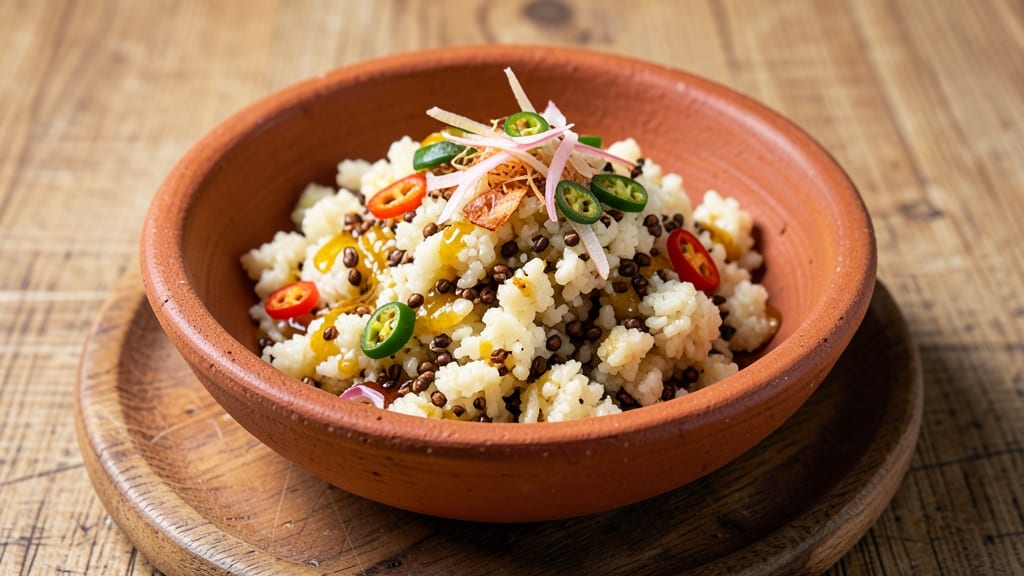
This Tamil-style cauliflower rice recipe transforms humble vegetables into a flavorful, textured side dish with traditional South Indian spices. The key lies in the tempering—mustard seeds, curry leaves, and turmeric sizzle in hot oil, releasing aromatic compounds that infuse the cauliflower with layers of warmth and depth.
I developed this recipe after realizing how well it complements dosas and idlis, offering a lighter alternative to rice while keeping the essence of Tamil cuisine intact.
The result is a dish that's crisp-tender, fragrant, and packed with the familiar flavors of home—no heavy cream or cheese needed. The mustard seeds add a satisfying crunch, while the turmeric and green chilies bring just the right balance of heat and earthiness.
Whether you're serving it alongside your favorite South Indian meal or enjoying it as a standalone vegetarian dish, this recipe delivers restaurant-quality taste with minimal effort.
Ingredients for cauliflower rice recipe in tamil
Tamil-style cauliflower rice needs just these 13 ingredients for bold, aromatic flavor.
| Ingredient | Amount | Notes |
|---|---|---|
| Fresh Cauliflower 🥬 | 1 lb | Riced or grated finely |
| Mustard Seeds 🌶️ | 1 tbsp | Whole, for tempering |
| Curry Leaves 🌿 | ¼ cup | Fresh, lightly crushed |
| Turmeric Powder 🧂 | ½ tsp | Freshly ground preferred |
| Green Chilies 🌶️ | 2 whole | Slit lengthwise, seeds removed |
| Ginger 🧄 | 1 tbsp | Freshly grated, finely |
| Asafoetida (Hing) 🌿 | ⅛ tsp | Pinch for aroma |
| Coconut Oil 🫒 | ¼ cup | For authentic flavor |
| Salt 🧂 | ¾ tsp | Adjust to taste |
| Lemon Juice 🍋 | 1 tbsp | Freshly squeezed |
| Fresh Coriander Leaves 🌿 | ¼ cup | Chopped for garnish |
| Cumin Seeds 🌶️ | ½ tsp | Toasted lightly |
| Onion 🧅 | ½ whole | Finely chopped, optional |
The mustard seeds and curry leaves are non-negotiable—they create that signature South Indian crunch and aroma. Grab whole mustard seeds from the bulk section at Whole Foods or your local Indian grocery; they should be yellowish and plump. Fresh curry leaves are a game-changer, though dried leaves work in a pinch. For ginger, organic ginger roots from Trader Joe's give the best flavor—just grate the skin and all. The coconut oil adds that authentic richness you won't get with vegetable oil, and it's worth the extra few bucks for the flavor boost.
No curry leaves? Dried curry powder at half the amount works, but it won't have the same complexity. Skip the onion if you prefer a lighter dish, but it adds sweetness that balances the heat. For extra crunch, add 1 tbsp roasted peanuts at the end. The green chilies can be swapped for red chilies if you prefer milder heat, but fresh is always better. If you can't find asafoetida, garlic powder at one-quarter tsp mimics its umami punch. And trust me on the tempering—don't skip letting those mustard seeds pop in the oil.
This keeps for 3 days in the fridge, but it's best fresh. The cauliflower rice reheats beautifully—just add a splash of water to prevent drying out. For meal prep, store the tempering spices separately and mix them in when reheating. Freezes for 2 months if you want to make a big batch. I always double the recipe because it disappears fast—great for dosa pairings or as a standalone dish with yogurt.
Why You'll Love This Recipe
- No Chopping Nightmare: I swear by this recipe when I’m too tired to dice onions—just pulse the cauliflower in a food processor, and boom, instant rice. The mustard seeds sizzle in the pan while you’re still rinsing the curry leaves, so it’s basically hands-off after that.
- Taste Like Home: That first crackle of mustard seeds in hot oil, the earthy punch of curry leaves, and the slow simmer of turmeric—it’s the kind of flavor that makes you pause mid-bite. Honestly, my husband still asks for seconds even though he claims to hate cauliflower.
- Weeknight Superhero: This dish doubles as a side for dosa or a filling for wraps, and it reheats like a dream. I’ll make a big batch on Sundays, and by Friday, it’s still crispy enough to fool my kids into thinking it’s fresh.
- Pocket-Friendly Magic: A single cauliflower head stretches across three meals for my family of four, and the spices cost next to nothing. Between us, I’ve saved enough on rice to splurge on a decent bottle of coconut milk for the next curry.
Step-by-step instructions for Tamil-style stir-fried cauliflower rice
Here's how to transform simple cauliflower into a fragrant, crunchy Tamil-style stir-fry with that signature mustard seed pop.
Prepare the Cauliflower and Base Spices
Start by rinsing the 1 lb fresh cauliflower thoroughly and patting it completely dry. Using a food processor or your hands, break it into rice-sized pieces—aim for ¼-inch to ½-inch clusters that resemble actual rice grains. Spread them on a clean kitchen towel and let them air-dry for 5 minutes while you prepare the spices. This drying step prevents a soggy texture later.
In a small bowl, combine the 0.5 tsp turmeric powder, 0.75 tsp salt, and 0.125 tsp asafoetida (hing). Mix them together until the hing dissolves completely—its aroma will infuse the entire dish. Set this mixture aside for later. Also, finely grate the 1 tbsp ginger and chop the 0.5 whole onion (if using) into a fine dice—small pieces ensure even distribution of flavor throughout the dish.
Temper the Coconut Oil with Whole Spices
Heat 0.25 cup coconut oil in a large, heavy-bottomed skillet over medium heat. Once the oil shimmers but isn't smoking, add the 0.5 tsp cumin seeds and 1 tbsp mustard seeds. Watch closely—they should sizzle and pop within 20-30 seconds. This is the moment that matters: the mustard seeds will turn golden and release their signature crunch.
Immediately add the 2 whole green chilies (slit lengthwise) and 0.25 cup curry leaves. Stir for 30 seconds until the curry leaves darken slightly and the chilies release their aroma. Remove the pan from heat for 10 seconds to prevent burning—this quick cooling step preserves the vibrant green color of the curry leaves. Return the pan to medium heat and add the finely chopped onion and ginger. Sauté for 2-3 minutes until the onion softens and turns translucent.
Cook the Cauliflower Until Tender-Crisp
Add the prepared cauliflower rice to the skillet in a single layer. Sprinkle the turmeric-hing-salt mixture evenly over the top and toss gently to coat. Cook for 8-10 minutes over medium heat, stirring occasionally. You're aiming for tender but still slightly crisp cauliflower—it should hold its shape when pierced with a fork but feel soft to the touch.
If the cauliflower starts to brown too quickly, reduce the heat to medium-low and cover the skillet with a tight-fitting lid for 2-3 minutes to steam. The goal is even cooking without burning. Real talk: don't walk away during this step. The cauliflower cooks fast and can go from perfect to overdone in seconds.
Finish with Lemon and Fresh Herbs
Once the cauliflower is tender-crisp, remove the skillet from heat and stir in the 1 tbsp lemon juice. The acidity brightens all the flavors and cuts through the richness of the coconut oil. Let the mixture sit off heat for 1 minute to allow the lemon to fully integrate.
Finally, fold in the 0.25 cup fresh coriander leaves, reserving a few sprigs for garnish. Taste and adjust the seasoning—add a pinch more salt if needed or a dash of lemon juice for extra tang. The dish should be boldly flavored with a perfect balance of heat, tang, and earthiness. Serve immediately while the mustard seeds still have that satisfying crunch.
Pro Tips For Making Cauliflower Rice Recipe In Tamil
- Chop Cauliflower Small: Use a sharp knife and cut the florets into ½-inch pieces—no bigger, or they’ll turn mushy before the spices caramelize. I learned this the hard way after serving a plate where half the cauliflower was still crunchy while the rest was a sad, soggy pile.
- Bloom Spices on Medium: Skip the high-heat rush—mustard seeds and curry leaves need medium heat to pop without burning. After 30 seconds, add turmeric and green chilies; this keeps the mustard from tasting bitter and lets the flavors meld properly.
- Salt the Cauliflower First: Toss the chopped cauliflower with ¼ teaspoon salt before cooking—it draws out moisture so the rice doesn’t steam into a gluey mess. (Yes, even if you’re using fresh cauliflower, which is already moist.)
- Stir-Fry in Batches: Crowd the pan, and the cauliflower will release too much water at once. Cook in 2 portions over medium-high heat, stirring constantly—this gives the spices time to stick and the rice a proper sear, not a sad, limp texture.
Troubleshooting great cauliflower rice recipe in tamil
Mustard Seeds Not Popping
If your mustard seeds refuse to pop, your oil isn't hot enough. Heat the coconut oil until it shimmers but doesn't smoke—about 300-325°F. I've found that using a heavy-bottomed pan (like a cast iron) helps maintain even heat.
If they still don't pop, reduce the batch size or use a smaller pan for better heat distribution. 🌡️
Overcooked Cauliflower
Cauliflower rice turns mushy when overcooked. Keep the heat at medium and stir frequently—aim for 8-10 minutes max. If it browns too quickly, reduce heat to medium-low and cover with a lid for 2-3 minutes to steam.
The key is tender-crisp texture, not fully soft. I've ruined a batch by walking away for just 2 minutes!
Curry Leaves Burning
Curry leaves burn fast when overheated. Remove the pan from heat for 10 seconds after adding them to prevent scorching. This quick pause lets them darken without burning.
If they do burn, start fresh—burnt leaves add bitterness. For extra flavor, add ½ tsp dried curry powder as a backup, but fresh is always better. 🌿
Too Dry or Soggy
For dry texture, ensure your cauliflower is completely dry before cooking. For soggy results, you likely added too much liquid. The lemon juice should be the only liquid—skip adding water or broth.
If needed, add 1 tsp coconut oil at the end for extra richness. I've found that air-drying the cauliflower for 5 minutes makes all the difference.
Uneven Cooking
Uneven cooking happens when the pan isn't hot enough or the cauliflower isn't spread evenly. Use a large skillet (at least 10-inch) and cook in a single layer.
If your pan is too small, cook in batches. I recommend a non-stick pan for easier tossing and even cooking. Stir every 2 minutes to prevent sticking.
Lacking Flavor
If your dish tastes bland, your tempering spices need more time. Let the mustard seeds pop for 30-45 seconds and the curry leaves darken slightly. Add a pinch of asafoetida (hing) for depth, or finish with ½ tsp garam masala.
Taste as you go—adjust salt or lemon juice to balance flavors. Honestly, this step makes or breaks the dish!
Nutrition facts
Frequently asked questions about Tamil-style cauliflower rice
Can I use pre-riced cauliflower from the store?
Yes, but fresh cauliflower rice gives better texture. If using store-bought, pat it completely dry first—excess moisture makes it soggy. For extra crunch, toss with 1 tsp cornstarch before cooking. Freshly processed cauliflower holds its shape better and absorbs flavors more evenly.
How do I adjust the spice level for kids?
Remove the seeds from green chilies or reduce them to just 1 whole chili. Skip the asafoetida if you're worried about strong flavors, and use ½ tsp mild curry powder instead of fresh leaves. The coconut oil and lemon juice will still provide that delicious Tamil taste without the heat.
What's the best way to store leftovers?
Store in an airtight container in the fridge for up to 3 days. Reheat gently in a skillet with 1 tsp coconut oil over medium heat for 3-4 minutes, stirring constantly. For extra freshness, add a splash of water or lemon juice when reheating. It reheats best when slightly undercooked initially.
Can I make this oil-free?
Yes! Replace coconut oil with 1 tbsp water or vegetable broth and cook the spices in a dry pan for 30 seconds until fragrant. Use a non-stick pan to prevent sticking. The texture will be slightly softer but still flavorful. For extra richness, add 1 tbsp unsweetened coconut milk at the end.
What are the best sides to serve with this?
Pair it with Tamil-style dosas, idli, or paratha for a complete meal. For protein, add spiced chickpeas or paneer cubes. Serve with coconut chutney or yogurt with roasted cumin to balance the flavors. It's also perfect as a standalone dish with a side of mango pickle for contrast.