
Main Courses
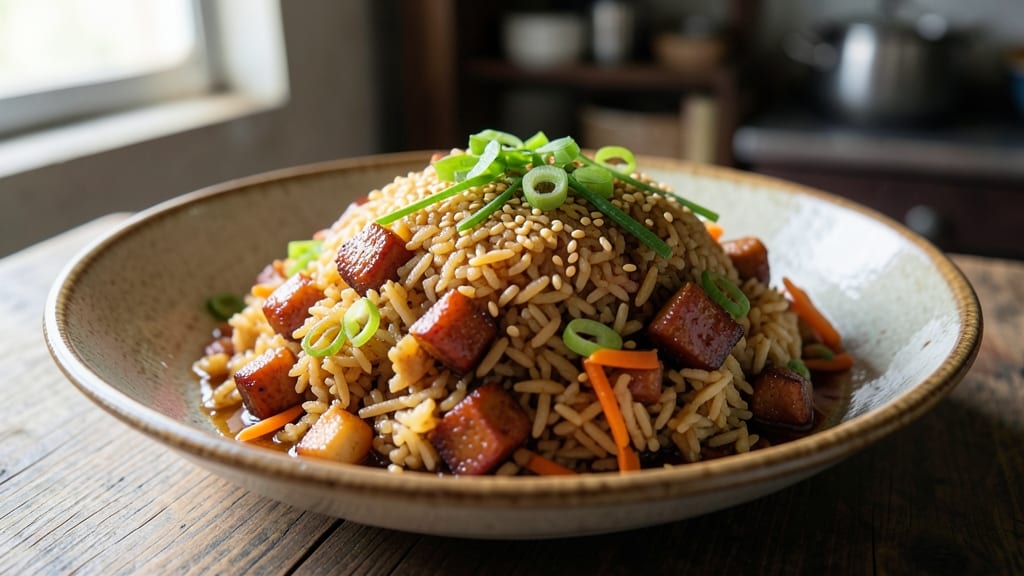
This char siu pork fried rice recipe delivers the perfect balance of sweet, smoky, and savory flavors in a crispy, aromatic wok dish you can master in just 20 minutes.
The secret starts with homemade char siu pork—tender, caramelized, and infused with five-spice and honey—then transforms into a fragrant fried rice where every bite crackles with texture and depth.
What sets this recipe apart is the technique: high-heat stir-frying for that signature wok crunch, perfectly cooked jasmine rice with char siu bits, scrambled eggs, and crisp veggies all coming together in one pan.
The result is a restaurant-quality dish that’s bold enough for date night but simple enough for weeknights—no fancy equipment needed, just a skillet and a little patience for the marinating process.
Ingredients for char siu pork fried rice
Sweet, smoky char siu meets crisp wok technique with these 15 essential ingredients for restaurant-quality fried rice.
| Ingredient | Amount | Notes |
|---|---|---|
| Char Siu Pork 🥩 | 1 ½ cups | Homemade or store-bought, diced into 1/2-inch pieces |
| Jasmine Rice 🍚 | 2 cups | Uncooked, day-old preferred for texture |
| Large Eggs 🥚 | 4 whole | Fresh, beaten for silky scramble |
| Yellow Onion 🧅 | 1 whole | Thinly sliced, white and light green parts |
| Carrot 🥕 | 1 whole | Julienned into matchsticks |
| Garlic Cloves 🧄 | 4 cloves | Minced, freshly peeled |
| Fresh Ginger 🌿 | 1 tbsp | Finely grated, peel removed |
| Vegetable Oil 🫒 | ½ cup | High smoke point, neutral flavor |
| Soy Sauce 🍶 | 2 tbsp | Light or all-purpose variety |
| Oyster Sauce 🍶 | 1 ½ tbsp | High-quality, deep umami flavor |
| Sesame Oil 🫒 | 1 tsp | Toasted, for aroma finish |
| White Pepper 🌶️ | ½ tsp | Freshly ground for subtle heat |
| Green Onions 🧅 | 3 whole | Thinly sliced, white and green parts |
| Sesame Seeds 🌾 | 1 tsp | Toasted, for garnish |
| Five-Spice Powder 🌶️ | ½ tsp | For char siu flavor depth |
The char siu pork is the star—homemade delivers the best flavor, but pre-made from Asian markets works in a pinch. Look for pieces with visible caramelization and five-spice notes. If making your own, marinate overnight for maximum tenderness. Jasmine rice is non-negotiable here; its floral aroma complements the pork perfectly. Day-old rice is ideal as it's drier and absorbs flavors better, but freshly cooked rice works if spread thin to dry. For the fresh ingredients, Trader Joe's or H Mart carry excellent pre-peeled ginger and julienned carrots to save prep time.
No fresh ginger? Powdered ginger at half the amount works, though it lacks the bright zing. Substitute oyster sauce with hoisin plus a splash of soy sauce if unavailable, though the umami depth will differ. The five-spice powder is crucial—if you can't find it, blend equal parts cinnamon, star anise, cloves, fennel, and Szechuan peppercorns. For the eggs, room temperature ensures silky scrambling. The green onions should be crisp, so add them last to maintain texture. If you're short on time, frozen peas can replace fresh carrots without sacrificing color.
Store leftover fried rice in an airtight container for up to 3 days in the fridge, though it's best enjoyed fresh. The char siu pork reheats beautifully—simply warm in a skillet with a splash of water to revive its crisp edges. For longer storage, freeze portions for up to 3 months. The sesame oil and five-spice powder should be kept in a cool, dark place to preserve their aromatic qualities. To reheat, use a non-stick pan with a touch of oil over medium heat, stirring constantly to maintain that wok-hei texture that makes this dish truly special.
Why You'll Love This Recipe
- Pantry to Plate Fast: I swear, this comes together in 25 minutes—no fancy moves. Toss in pre-cooked char siu (store-bought or homemade), stir-fry the veggies while you scramble the eggs, then fold in the rice. That’s it. Even my "I can’t boil water" friend nailed it.
- Sweet-Savory Magic: The char siu’s sticky, caramelized glaze cuts through the rice’s slight dryness, while the onions and carrots add fresh crunch. Honestly, that first bite—where the pork’s smoky sweetness hits your tongue? It’s the kind of flavor that makes you pause mid-bite.
- Lunchbox Hero: Between us, this is my secret weapon for work lunches. Pack it in a container, and it reheats beautifully—no soggy rice, no sad veggies. (Yes, even on a Tuesday night.) Plus, swap in peas or corn if you’re feeling fancy, but the basics? Always a win.
- Budget-Friendly Feast: Char siu pork might sound fancy, but a few slices stretch far—think two meals for one. Add a fried egg on top, and suddenly you’ve got a filling, protein-packed dinner that won’t break the bank. Leftovers? Even better. They taste just as good reheated.
Step-by-step instructions for char siu pork fried rice
Master this wok technique for perfectly balanced fried rice with tender char siu pork and aromatic spices.
Prepare the Char Siu Pork and Vegetables
Cut the 1.5 cups char siu pork into ½-inch pieces if not already pre-diced. Thinly slice the 1 whole yellow onion into half-moons and julienne the 1 whole carrot into matchsticks. Mince the 4 cloves garlic and finely grate the 1 tbsp fresh ginger. Set all prepared ingredients aside in separate bowls for quick assembly.
The key here is uniformity—evenly sized pork pieces and vegetables ensure everything cooks at the same rate. I like to prep all ingredients before turning on the heat to maintain that restaurant-style efficiency. Keep the julienned carrot and sliced onion separate until the final stir-fry stage to prevent premature softening.
Create the Egg and Seasoning Base
In a large bowl, beat the 4 whole large eggs until just combined (no need for stiff peaks). Set aside. In a separate small bowl, combine the 2 tbsp soy sauce, 1.5 tbsp oyster sauce, 0.5 tsp white pepper, and 0.5 tsp five-spice powder. Mix thoroughly to create a cohesive seasoning paste.
This seasoning blend is the flavor foundation of your fried rice. The five-spice powder adds depth that complements the sweet char siu pork perfectly. I always mix the wet and dry seasonings first to ensure even distribution throughout the dish. Keep this mixture at room temperature for best results.
High-Heat Stir-Fry the Aromatics
Heat a 14-inch wok or large skillet over high heat until smoking. Add 0.5 cup vegetable oil and swirl to coat the pan evenly. Add the minced garlic and grated ginger, stirring constantly for 30 seconds until fragrant but not browned. Immediately add the char siu pork pieces and stir-fry for 1-2 minutes until heated through.
Watch the heat carefully—you want the oil to shimmer but not smoke excessively. The garlic and ginger should sizzle immediately upon contact. This quick cooking step develops the aromatic base without letting the pork dry out. Remove the pork mixture to a plate and set aside temporarily.
Scramble the Eggs and Combine Ingredients
Return the wok to high heat and add the beaten eggs. Scramble vigorously with a spatula for 20-30 seconds until just set but still slightly moist. Push the eggs to one side of the wok and add the 2 cups jasmine rice (preferably day-old) to the empty side. Stir-fry the rice for 1 minute to toast the grains.
The eggs should form soft, silky curds rather than firm clumps. Using day-old rice is crucial—it absorbs the flavors better and prevents a mushy texture. The quick toasting of the rice develops its natural nuttiness before adding the remaining ingredients.
Finish with Vegetables and Garnishes
Return the char siu pork mixture to the wok along with the sliced onions and julienned carrots. Pour the seasoning mixture over everything and stir-fry for 2-3 minutes until the vegetables are tender-crisp. Drizzle with 1 tsp sesame oil and toss to combine. Divide among plates and garnish with thinly sliced 3 whole green onions and toasted 1 tsp sesame seeds.
The final stir-fry should take exactly 2-3 minutes—long enough for the vegetables to soften but still maintain their bite. The sesame oil adds a delicate aroma that ties all the flavors together. Serve immediately while the rice is hot and the aromatics are still vibrant.
Pro Tips For Making Char Siu Pork Fried Rice
- CHOP CHAR SIU SMALL: Cut your char siu into ½-inch cubes—no bigger. I used to leave it in thick slices, and it’d either stay rubbery or burn before the edges softened. Small pieces cook faster and soak up the rice’s flavors better. (Yes, it’s tedious, but trust me.)
- STIR-FRY ONIONS FIRST: Sauté the onions until they’re translucent and just starting to brown—about 3 minutes—before adding anything else. This builds a sweeter base that carries through the dish. I learned this the hard way when my fried rice tasted flat because I rushed this step.
- USE COLD RICE: Spread your cooked jasmine rice on a tray and let it cool completely before frying. Cold rice releases moisture more evenly, preventing a soggy mess. I skip this sometimes, and the rice always ends up gummy. (Your future self will thank you.)
- SCRAMBLE EGGS SEPARATELY: Fry the eggs in a clean, dry pan until just set—soft yolks only—then set aside. Mixing them in with the rice later keeps them from breaking into streaks. I was skeptical until I tried it; now it’s non-negotiable for texture.
Common mistakes when making this dish
Overcooking the Rice
Fried rice is all about texture—overcooking turns it mushy and gluey. I’ve ruined countless batches by leaving the rice in the wok too long after adding the seasoning. Once the vegetables are tender-crisp (2-3 minutes max), remove the pan from heat immediately.
The residual heat will continue cooking the rice slightly, but it won’t overcook like direct high-heat exposure. 💡
Skipping the Day-Old Rice
Freshly cooked rice is too moist and releases excess starch, making your fried rice gummy. If you’re short on time, spread freshly cooked rice on a tray and refrigerate for 30 minutes to dry it out.
Pro tip: Use cold rice straight from the fridge—it cooks faster and absorbs flavors better than reheated rice. The texture difference is night and day!
Low Heat Stir-Frying
Char siu fried rice needs high heat to develop that signature wok-hei (breath of the wok) aroma. If you’re using a skillet instead of a wok, crank the heat to medium-high and use a thin layer of oil to mimic wok conditions.
Low heat steams the ingredients instead of searing, resulting in bland, soggy rice. I’ve learned this the hard way—my first attempt at this recipe was a disaster until I invested in a carbon steel wok!
Uneven Cooking
Overcrowding the pan is a surefire way to steam instead of stir-fry. Keep your wok or skillet at no more than ⅔ capacity when adding ingredients. If you’re cooking for more than 4 people, work in batches—first the eggs and rice, then the pork and veggies.
This ensures everything gets that perfect crisp-tender texture. Trust me, your taste buds will thank you for the patience! 🔥
Ignoring the Egg Technique
The eggs are the glue that binds your fried rice, but they’re easy to mess up. Overcooking them turns them rubbery, while undercooking leaves them runny. Scramble them for exactly 20-30 seconds until just set—soft curds, not firm clumps.
Push them to one side of the pan while toasting the rice to prevent sticking. This step makes all the difference in achieving that silky, restaurant-quality texture.
Weak Seasoning Balance
Char siu pork is already sweet and smoky, so the seasoning needs to complement—not overpower—its flavor. The key is the soy-oyster sauce ratio. Too much soy sauce makes the dish salty, while too little oyster sauce robs it of umami depth.
Start with the 2 tbsp soy + 1.5 tbsp oyster sauce ratio, then adjust to taste. A pinch of white pepper adds subtle heat without overpowering the sweetness. Taste as you go!
Nutrition facts
Frequently asked questions
Can I use store-bought char siu pork instead of making it from scratch?
Store-bought char siu works perfectly—just look for pieces with visible caramelization and five-spice notes. For best results, slice it into ½-inch pieces before adding to the fried rice to ensure even cooking. If the pre-made version is too sweet, reduce the honey or soy sauce slightly in the final seasoning.
Why does my fried rice turn out mushy?
Mushy texture usually means overcooking or using fresh rice. Day-old rice is ideal, but if you're short on time, spread freshly cooked rice on a tray and refrigerate for 30 minutes to dry it out. Also, remove the pan from heat immediately after adding vegetables—the residual heat will finish cooking without overcooking.
What's the secret to getting that wok-hei (smoky aroma) flavor?
High heat is key! Use a 14-inch wok or large skillet on high heat until smoking, then work quickly. A carbon steel wok retains heat best, but a stainless steel skillet works too. Keep the pan at no more than ⅔ capacity to prevent steaming—this creates the signature crisp-tender texture and aromatic breath of the wok.
Can I make this recipe without eggs?
Yes, but the texture will differ. Eggs add protein and bind the rice together. For a vegan version, replace them with ½ cup silken tofu (crumbled) or ¼ cup finely chopped mushrooms. If omitting eggs, increase the soy sauce by ½ tbsp to compensate for the lost umami. The dish will still be delicious but slightly less cohesive.
How do I reheat leftover char siu fried rice?
Reheat in a non-stick pan over medium heat with a splash of water to revive the crisp edges. Stir constantly for 2-3 minutes until hot through. For best results, reheat only what you plan to eat immediately—the texture won't be as perfect as fresh. If microwaving, use 30-second intervals on low power, stirring between each to prevent drying.