
Sauces & Condiments
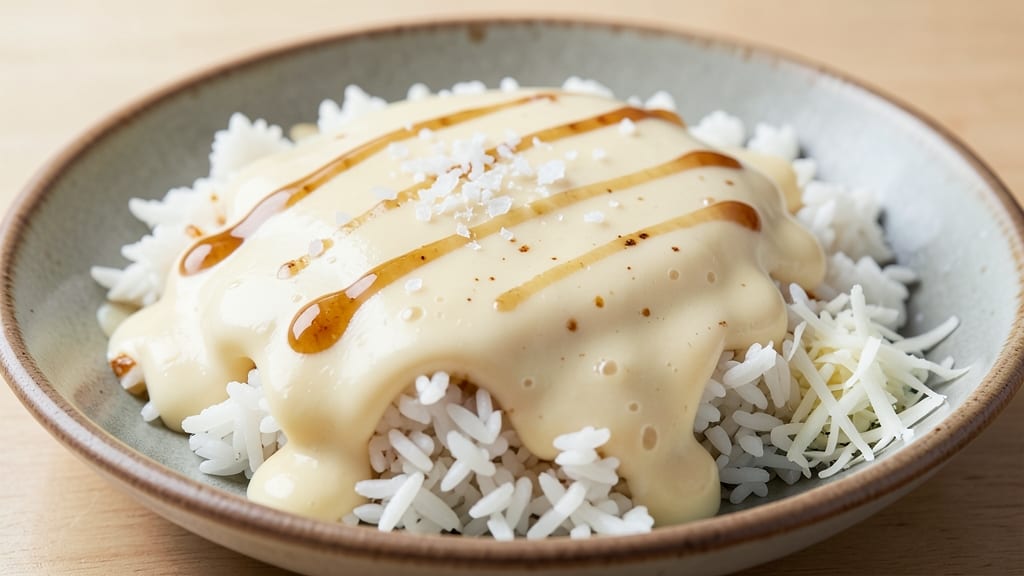
This cheese sauce for rice recipe transforms ordinary grains into a rich, velvety masterpiece that clings to every bite. 💛 The secret lies in a smooth, creamy texture achieved through precise technique—no lumps, just a luxurious melt that elevates rice from side dish to star.
Whether you're topping casseroles, coating pilaf, or drizzling over tacos, this sauce delivers restaurant-quality depth with minimal effort.
Using sharp cheddar and a perfect milk-to-cheese ratio, this recipe ensures a sauce that's neither too thick nor too thin—ideal for coating rice without turning it soggy.
A touch of butter adds richness, while a splash of cream or sour cream at the end guarantees that signature silky, cling-worthy consistency. The result? A sauce so versatile it works as a standalone topping or the perfect binder for mixed grains.
Ingredients for cheese sauce for rice
Ten ingredients transform rice into a restaurant-quality masterpiece with velvety cling.
| Ingredient | Amount | Notes |
|---|---|---|
| Sharp White Cheddar Cheese 🧀 | 1 ½ cups | Freshly grated from block for best flavor |
| Unsalted Butter 🧈 | ½ cup | Cold, cubed for even melting |
| Whole Milk 🥛 | 1 ½ cups | Room temperature for smooth sauce |
| Heavy Cream 🥛 | ¼ cup | Full-fat for velvety texture |
| All-Purpose Flour 🌾 | 2 tbsp | Diamond Crystal preferred for lightness |
| Granulated Sugar 🍚 | 1 tsp | Balances sharpness of cheese |
| Ground Black Pepper 🌶️ | ½ tsp | Freshly cracked for aroma |
| Garlic Powder 🧄 | ½ tsp | Enhances depth of flavor |
| Dried Mustard Powder 🌿 | ¼ tsp | Adds subtle tanginess |
| Salt 🧂 | ½ tsp | Diamond Crystal kosher salt |
The cheese is non-negotiable—sharp white cheddar delivers that signature tang without overpowering. Grab a block from the deli counter (pre-grated gets clumpy) and grate it yourself. For the butter, unsalted is essential—it prevents salt buildup. Milk should be whole, not skim, for proper emulsification. Trader Joe's carries excellent sharp cheddar blocks, and their organic whole milk works perfectly. If you're using aged cheddar, reduce the milk slightly to compensate for moisture loss during storage.
No sharp cheddar? Pepper jack or smoked Gouda work in a pinch, though flavor will differ. Substituting heavy cream with half-and-half lightens the sauce but reduces richness. For a dairy-free option, unsweetened almond milk plus 1 tbsp cornstarch mimics the body (though texture won't be identical). The flour acts as a thickener—Diamond Crystal measures lighter than other brands, so don't overdo it. If you're gluten-sensitive, cornstarch at half the amount works beautifully. Always whisk the flour into the melted butter first to prevent lumps—this is the secret to that silky texture.
Store any leftovers in an airtight container with parchment paper pressed against the surface to prevent a skin from forming. Keeps 4-5 days in the fridge, though texture may separate slightly. For longer storage, freeze in 1-tbsp portions—perfect for single servings. Reheat gently over low heat, adding a splash of milk to restore creaminess. This sauce reheats beautifully, making it ideal for meal prep. If it thickens too much, simply stir in additional milk until desired consistency is reached.
Why You'll Love This Recipe
- Five-Ingredient Magic: I swear, this sauce comes together with just a handful of pantry staples—no fancy gadgets, no last-minute grocery runs. Melt butter, whisk in flour, then stir in milk and cream until velvety smooth. The sharp cheddar melts into something rich and tangy without overpowering, and honestly? It’s the kind of recipe where you’ll forget you’re even cooking.
- Creamy Luxury: That first bite of rice coated in this sauce? Pure satisfaction. The heavy cream gives it a velvety mouthfeel, while the cheddar adds a bright, melty punch that cuts through the richness. I’ll be real: it tastes like a restaurant dish, but I’m the one who made it on a Tuesday night.
- Game for Any Meal: This sauce isn’t just for dinner—it’s my go-to for lazy breakfasts (yes, cheese on rice for brunch), a quick lunch when I’m swamped, or even as a dippable side for veggies. Freeze leftovers in portions, and you’ve got instant comfort food for weeks. My college-age son still texts me asking for the recipe.
- Budget-Friendly Indulgence: Sharp cheddar and butter might sound fancy, but this sauce stretches further than you’d think. A block of cheese and a stick of butter go a long way, and the milk and cream add richness without breaking the bank. Plus, it’s the kind of recipe where you’ll make just enough for two servings—then immediately wish you’d doubled it. (Trust me, I’ve learned that lesson.)
Step-by-step instructions for cheese sauce for rice
Here's how to create a perfectly velvety sauce that clings to every grain of rice.
🍳 Step 1: Melt Butter and Whisk in Flour
In a medium saucepan, melt the 0.5 cup unsalted butter over medium-low heat until it's completely liquid and just beginning to foam. Here's the thing—don't rush this step. You want the butter to melt evenly without browning, which would add bitterness to your sauce.
Once the butter is fully melted, reduce the heat to low and whisk in the 2 tbsp all-purpose flour. Stir constantly for 1-2 minutes until the mixture forms a smooth, pale roux. You're looking for a texture that's thick enough to coat the back of a spoon but still pourable. This creates the foundation for your sauce's thickening power.
👨🍳 Step 2: Gradually Add Milk and Cream
Slowly pour in the 1.5 cups whole milk and 0.25 cup heavy cream while whisking vigorously. I like to add about ¼ cup at a time, waiting for each addition to be fully incorporated before adding more. This gradual approach prevents lumps from forming and ensures a silky texture.
Continue whisking over medium-low heat for 3-4 minutes until the mixture begins to thicken and coats the whisk. You'll notice the sauce transform from thin to creamy—this is when the flour's starch fully activates. Keep the heat gentle; too much heat will cause the sauce to curdle or develop a floury taste.
🔥 Step 3: Incorporate Cheese and Seasonings
Remove the saucepan from heat and immediately add the 1.5 cups freshly grated sharp white cheddar cheese. Stir constantly until the cheese is completely melted and the sauce is smooth. Here's where it gets critical: if you see any unmelted cheese clumps, strain the sauce through a fine-mesh sieve to achieve that restaurant-quality velvety finish.
Return the sauce to low heat and whisk in the 1 tsp granulated sugar, 0.5 tsp garlic powder, 0.25 tsp dried mustard powder, 0.5 tsp ground black pepper, and 0.5 tsp salt. The sugar balances the sharpness of the cheese while the mustard powder adds a subtle tang that elevates the flavor profile. Taste and adjust seasoning if needed—this is your chance to fine-tune the perfect flavor balance.
⏰ Step 4: Simmer Until Perfect Consistency
Return the sauce to low heat and let it simmer gently for 3-5 minutes, stirring occasionally. You're aiming for a sauce that's thick enough to coat the back of a spoon but still flows smoothly. If it thickens too much, whisk in 1-2 tablespoons of hot water to reach your desired consistency—this is especially important for coating rice without making it soggy.
The sauce should now be glossy and velvety with a perfect cling. Real talk: this is the moment that matters. If you let it sit too long, it'll separate, so keep an eye on it. Once you've achieved the ideal texture, remove from heat immediately. The sauce will continue to thicken slightly as it cools, so don't overdo it at this stage.
Pro Tips For Making Cheese Sauce For Rice
- Whisk Like You Mean It: The moment you melt the butter, stop stirring and whisk aggressively for 30 seconds—this incorporates air and prevents clumping. I used to half-ass this step and ended up with a lumpy, sad sauce every time. Your arms will thank you later.
- Grate Cheese Fresh: Skip the pre-shredded cheese—it’s coated with anti-caking agents that make the sauce grainy. Use a box grater and shred the sharp white cheddar yourself, then toss it with a tablespoon of flour to keep it dry until it hits the pot. Trust me, the texture difference is night and day.
- Simmer Low and Slow: Once the roux is formed and the milk is added, drop the heat to medium-low and let it bubble gently. I learned this the hard way—rushing it causes the sauce to break or seize. Give it 10-12 minutes to thicken properly, stirring occasionally. Patience here = creamy perfection.
- Finish with Cream: Stir in the heavy cream off the heat—adding it too early can cause the sauce to curdle. Let it sit for 2 minutes after removing the pot from the stove, then stir again. This step makes the sauce richer without risking separation. (Yes, even if you’re impatient like me.)
Troubleshooting perfect results
Lumpy Cheese Fix
If your sauce develops lumps, don't panic—this is the most common issue, and I've got you covered. Immediately remove the pan from heat and whisk vigorously while adding 1-2 tablespoons of cold milk at a time.
For stubborn clumps, strain the sauce through a fine-mesh sieve into a clean saucepan. If you're short on time, use an immersion blender directly in the pan for 10-15 seconds—this works surprisingly well. 💡
Sauce Too Thick?
Over-thickened sauce happens when you simmer too long or use too much flour. The quick fix is to whisk in 1-2 tablespoons of hot milk or water until you reach that perfect coating consistency. For rice applications, aim for a sauce that's thick enough to cling but still flows smoothly.
If you've already added too much flour initially, reduce the milk by ¼ cup next time—this keeps the ratio balanced.
Grainy Texture?
Graininess usually means your cheese didn't melt completely or you used pre-shredded cheese. Freshly grated sharp white cheddar is non-negotiable here—pre-shredded contains anti-caking agents that prevent smooth melting.
If you're in a pinch, microwave the cheese for 10-15 seconds before adding it to the sauce. For extra silkiness, strain through a cheesecloth-lined sieve after melting.
Separating Sauce
Sauce separation occurs when you let it sit too long off the heat or add cheese too quickly. The solution is to return the sauce to low heat and whisk in 1 tablespoon of cold butter or 1 tablespoon of heavy cream until fully re-emulsified.
For prevention, keep the heat at low and stir constantly when adding cheese. This technique maintains that velvety texture you're aiming for.
Weak Flavor Profile
If your sauce tastes bland, it's likely due to under-seasoning or using mild cheese. Boost flavor by adding ½ teaspoon of lemon juice or ½ teaspoon of white wine to brighten the cheese.
For extra depth, stir in 1 tablespoon of nutritional yeast—it adds a cheesy, umami kick without dairy. Always taste as you go and adjust seasonings gradually. 🌶️
Curds Forming?
Curds develop when the sauce gets too hot or you add cheese too quickly. To fix this, immediately whisk in 1 tablespoon of cold heavy cream and reduce heat to the lowest setting.
For prevention, melt the cheese off the heat and stir constantly until fully incorporated. If curds persist, strain the sauce through a fine-mesh sieve to remove any lumps before serving.
Nutrition facts
Frequently asked questions
Can I make this cheese sauce without butter?
Yes, but the texture will be less rich. Replace the 0.5 cup butter with 0.5 cup olive oil or 0.4 cup dairy-free butter substitute (like Earth Balance). For best results, use a mix of 0.25 cup butter and 0.25 cup heavy cream to maintain creaminess while reducing dairy slightly. The sauce will still cling to rice but may have a slightly lighter body.
What's the best way to use this sauce with rice?
For perfect coating, mix the warm sauce with 1.5 cups cooked rice (like basmati or jasmine) in a bowl until fully combined. For rice bowls, drizzle the sauce over the top and sprinkle with toasted breadcrumbs or crumbled bacon. It also works beautifully as a topping for baked rice casseroles or mixed with chicken and veggies for a creamy one-pot meal.
Why did my sauce turn out grainy?
Graininess usually means the cheese didn't melt completely or you used pre-shredded cheese (which contains anti-caking agents). Always use freshly grated sharp cheddar and melt it off the heat while stirring constantly. For extra silkiness, strain the finished sauce through a fine-mesh sieve before serving. If you're in a rush, microwave the cheese for 10 seconds before adding it to the sauce.
Can I make this sauce ahead of time?
Store leftovers in an airtight container with parchment paper pressed against the surface to prevent skin formation. It keeps for 4-5 days in the fridge, though texture may thicken slightly. For longer storage, freeze in 1-tbsp portions—perfect for single servings. To reheat, warm over low heat and whisk in 1 tbsp milk if it separates.
What cheese alternatives work best?
For a tangier flavor, try pepper jack or smoked Gouda (reduce milk by ¼ cup since aged cheeses are drier). For a milder version, use Colby or Monterey Jack. Dairy-free? Mix 1 cup cashew cream with ½ cup nutritional yeast and 1 tbsp lemon juice for a creamy base—though texture will differ slightly. Always adjust seasonings to taste after substituting.