
Main Courses
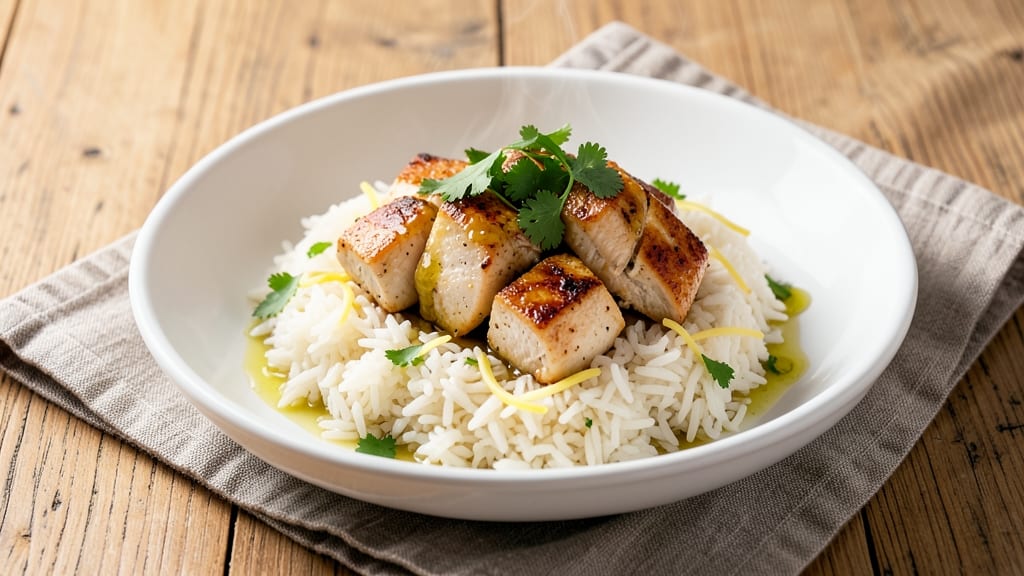
This chicken and rice recipe for acid reflux is designed specifically for gentle digestion, eliminating common reflux triggers while delivering comforting, flavorful results.
After years of experimenting with reflux-friendly meals, I've perfected a method that combines tender chicken, fluffy rice, and mild seasonings in a single pot—no harsh ingredients, no digestive distress.
The secret lies in simple swaps like ginger for spice and olive oil for butter, creating a dish that's both soothing and satisfying.
What makes this recipe work is its low-acid approach: no tomatoes, onions, garlic, or heavy fats that can aggravate reflux. Instead, we rely on naturally mild ingredients like chicken breast, basmati rice, and fresh herbs that add flavor without irritation.
The dish cooks in 30 minutes, releasing aromatic steam that transforms your kitchen into a comforting haven while keeping prep simple and stress-free.
The result is a harmonious blend of tender, juicy chicken and perfectly cooked rice, infused with subtle herbs and a touch of ginger for gentle warmth. Each bite is easy to digest yet packed with protein and fiber to keep you satisfied.
This isn't just another bland "safe" meal—it's a restaurant-quality dish that happens to be kind to your stomach, proving that comfort food and reflux-friendly cooking can coexist beautifully.
Serve with steamed green beans or a simple side salad for a complete meal that won't weigh you down. The beauty of this recipe is its versatility—it works as a weeknight dinner, meal prep staple, or even a comforting lunch when reflux symptoms flare up.
Let's create a dish that nourishes without compromising flavor.
Ingredients for chicken and rice recipe for acid reflux
Twelve carefully selected ingredients create a reflux-friendly one-pot harmony of tender chicken and fluffy rice.
| Ingredient | Amount | Notes |
|---|---|---|
| Boneless, Skinless Chicken Breast 🍗 | 1 ½ lb | Cut into 1-inch cubes for even cooking |
| Long-Grain White Rice 🍚 | 1 cup | Uncooked, basmati preferred for digestibility |
| Fresh Ginger Root 🌿 | 1 tbsp | Finely grated, organic preferred |
| Extra-Virgin Olive Oil 🫒 | 2 tbsp | Light, fruity variety for gentle flavor |
| Low-Sodium Chicken Broth 💧 | 2 cups | Homemade or high-quality low-sodium |
| Fresh Cilantro Leaves 🌿 | ¼ cup | Chopped, for mild freshness |
| Fresh Parsley Leaves 🌿 | ¼ cup | Chopped, for subtle herbal notes |
| Ground Turmeric 🌶️ | ½ tsp | Freshly ground for anti-inflammatory benefits |
| Ground Cumin 🌿 | ½ tsp | Mildly aromatic, not overpowering |
| Diamond Crystal Kosher Salt 🧂 | ½ tsp | Fine grain for even distribution |
| Fresh Lemon Juice 🍋 | 1 tbsp | Freshly squeezed, low-acid variety |
| Low-Fat Plain Greek Yogurt 🥛 | ¼ cup | For gentle creaminess without heaviness |
| Fresh Chives 🌿 | 2 tbsp | Finely chopped, for mild oniony flavor |
The chicken breast is the foundation—opt for organic, free-range if possible, as it tends to be more tender and less likely to trigger reflux. Trader Joe's and Whole Foods carry excellent options, or check the deli counter for pre-cut pieces. Avoid dark meat or heavily marbled cuts, as they can be harder to digest. The rice should be long-grain white for its mild flavor and quick cooking time; basmati is particularly gentle on digestion. For the ginger, look for fresh, firm roots with no soft spots—Asian markets often carry the best quality. The olive oil matters too; choose a light, fruity variety like California Extra Virgin, which adds flavor without the heaviness of other oils.
No fresh herbs? Dried cilantro or parsley at one-third the amount works in a pinch, though fresh is preferable. Substituting the Greek yogurt? Unsweetened almond yogurt provides a similar mild creaminess. The lemon juice should be fresh-squeezed to avoid preservatives, but if you're in a bind, low-acid bottled lemon juice is acceptable. For the broth, homemade or high-quality low-sodium brands like Pacific Foods are ideal. The turmeric and cumin can be omitted entirely if you're sensitive to spices, but they add subtle depth without irritation. The chives are optional but recommended for their delicate flavor—if you skip them, add an extra tablespoon of parsley for freshness.
Prep the chicken and rice ahead of time to streamline cooking. Store the raw chicken in an airtight container in the fridge for up to 2 days, while the rice can sit at room temperature for 4 hours before cooking. The cooked dish keeps well in the fridge for 4 days or freezes for 3 months. For meal prep, portion into individual containers—each serving will reheat beautifully with a splash of water or broth. The ginger and lemon juice can be pre-measured in small jars for convenience, and the herbs can be washed and stored in damp paper towels in a sealed bag for up to 5 days.
Why You'll Love This Recipe
- Minimal Chopping Required: I swear by this—just dice the chicken into even chunks (no fancy searing needed) and slice the ginger thin. The rice cooks while the chicken simmers, so I’m stirring instead of standing over a stove for hours.
- Ginger-Glazed Magic: That fresh ginger in the broth? It’s the secret weapon—warm, bright, and soothing without overpowering. A splash of olive oil at the end seals in flavor, and suddenly, simple chicken tastes like it’s been simmered for hours.
- Weeknight Meal Prep: Between us, this is my go-to for busy nights. Cook a big batch of rice, shred the chicken, and store them separately. Reheat together—no reheating dry rice again. (Yes, even on a Tuesday night.)
- Budget-Friendly Comfort: Skinless chicken breast and long-grain rice won’t break the bank, and the low-sodium broth keeps it gentle on the wallet and the stomach. Plus, leftovers taste just as good the next day—no sad, rubbery rice here.
Step-by-step instructions for gentle chicken and rice harmony
This one-pot method delivers tender chicken and digestible rice with soothing spices—perfect for sensitive stomachs.
Sear the Chicken for Flavor Without Overcooking
Heat the 2 tablespoons extra-virgin olive oil in a heavy-bottomed Dutch oven over medium-high heat. Add the 1.5 pounds boneless, skinless chicken breast cut into 1-inch cubes, working in batches to avoid crowding. Sear for 3-4 minutes per side until the chicken develops a light golden crust—this locks in moisture while building flavor without creating digestive irritation.
Remove the chicken and set aside. The key here is to avoid overcooking the chicken, which can make it tough and harder to digest. You'll know it's ready when it releases easily from the pan and reaches an internal temperature of 165°F when checked with a meat thermometer.
Sauté Aromatics for Gentle Digestive Support
In the same pot, reduce heat to medium and add the 1 tablespoon finely grated fresh ginger root. Sauté for 1 minute until fragrant—ginger aids digestion and reduces inflammation. Add the 0.5 teaspoon ground turmeric and 0.5 teaspoon ground cumin, stirring constantly for 30 seconds to toast the spices gently. This releases their beneficial compounds without overpowering the dish.
Add the 1 cup long-grain white rice and stir to coat the grains evenly with the spices. This ensures every bite benefits from the digestive-friendly properties of these ingredients. The rice will begin to turn translucent at the edges—this is your cue to move to the next step.
Simmer the One-Pot for Perfect Texture
Pour in the 2 cups low-sodium chicken broth and bring to a gentle boil. Return the chicken to the pot, then reduce heat to low and cover tightly with a lid. Simmer for 20 minutes without stirring—this allows the rice to absorb liquid evenly and the chicken to finish cooking gently.
After 20 minutes, check the rice for doneness. It should be tender but still have a slight bite—this ensures digestibility while maintaining texture. If the rice is undercooked, add 2-3 tablespoons water and continue simmering for another 5 minutes. The chicken should now be fully cooked and flaky when tested with a fork.
Finish with Digestive-Friendly Additions
Remove from heat and stir in the 1 tablespoon fresh lemon juice, 0.25 cup low-fat plain Greek yogurt, 0.25 cup chopped fresh cilantro leaves, and 0.25 cup chopped fresh parsley leaves. The yogurt adds a gentle creaminess that soothes the digestive tract, while the herbs provide freshness without acidity. Fold in the 2 tablespoons finely chopped fresh chives just before serving to preserve their delicate flavor.
Let the dish rest for 5 minutes before serving. This allows the flavors to meld and the chicken to reabsorb any juices that might have escaped during cooking. The result is a harmonious one-pot meal that's gentle on digestion while still delivering robust flavor.
Pro Tips For Making Chicken And Rice Recipe For Acid Reflux
- Cook Chicken Low and Slow: Acid reflux-friendly means no rushing—simmer the chicken breast at 325°F (163°C) for 20-25 minutes instead of searing it first. I learned this the hard way: overcooking chicken in high heat turns it dry, which can trigger reflux, and skipping the sear makes the broth taste flatter. Use a meat thermometer to hit 165°F (74°C) before it looks done.
- Peel and Slice Ginger Thin: Skip the grating—peel the ginger root and slice it paper-thin (about 1/16-inch) for this dish. Thick chunks burn easily and leave a bitter aftertaste, while thin slices infuse the broth gently without overpowering it. Store-bought ginger paste works in a pinch, but fresh is worth the 2 minutes it takes to prep.
- Rinse Rice Twice: Dump the uncooked rice in a fine-mesh strainer and rinse it under cold water for 30 seconds—repeat twice. This removes excess starch, which can make the rice gummy and harder to digest for reflux-sensitive stomachs. I used to skip this, and the rice always turned out gluey, no matter how much broth I added.
- Deglaze with Broth, Not Water: After browning the chicken (if you’re searing), immediately add ¼ cup of the low-sodium chicken broth to the pan and scrape up those browned bits. Water lacks depth, but broth builds flavor without adding unnecessary sodium. This step takes 30 seconds but makes the whole dish taste like it simmered for hours.
Perfect pairings for this dish
Soothing Side Dishes
Steamed green beans with a sprinkle of ½ teaspoon ground turmeric and a pinch of Diamond Crystal kosher salt make an ideal companion—they’re light, easy to digest, and absorb the dish’s gentle flavors beautifully.
I like to steam them for 5 minutes until crisp-tender, then finish with a drizzle of 1 teaspoon extra-virgin olive oil and a few chopped chives. 🥦
For a heartier option, serve with mashed sweet potatoes—boil 1 cup peeled and cubed sweet potatoes until tender, then mash with 1 tablespoon low-fat Greek yogurt and a pinch of salt.
The natural sweetness balances the dish without triggering reflux. Both sides keep well in the fridge for 3 days and reheat perfectly in the microwave.
Digestive-Friendly Beverages
Skip acidic drinks like orange juice or tomato-based cocktails—opt instead for ginger tea made with 1 teaspoon freshly grated ginger steeped in hot water for 5 minutes. Add a touch of honey if you prefer sweetness, but avoid citrus.
Iced ginger-lemonade (using low-acid lemon juice) is another great choice—mix ½ cup water, ½ cup sparkling water, 1 tablespoon lemon juice, and 1 teaspoon grated ginger over ice. 🍹
Herbal teas like chamomile or peppermint are excellent for soothing digestion after the meal. Avoid caffeine or carbonated drinks, which can relax the lower esophageal sphincter and worsen reflux. If you crave something warm, warm almond milk with a pinch of cinnamon is a cozy, reflux-friendly alternative to coffee.
Flavor-Boosting Garnishes
Fresh herbs elevate the dish without adding acidity. A sprinkle of cilantro or parsley right before serving adds brightness—just 1 tablespoon per serving is plenty. For extra flavor, try microgreens (like pea shoots or radish sprouts) for a delicate crunch.
I also love a drizzle of 1 teaspoon extra-virgin olive oil infused with ½ teaspoon ground cumin for subtle warmth. 🌿
If you want a touch of creaminess, dollop 1 tablespoon low-fat Greek yogurt on top—it adds protein and soothes the throat. For a pop of color, thinly sliced cucumber (peeled) provides hydration and a mild, refreshing contrast. These garnishes make the dish feel special without compromising its gentle nature.
Nutrition facts
Frequently asked questions
Can I substitute chicken thighs for breast in this recipe?
It's best to stick with boneless, skinless chicken breast for this acid reflux-friendly dish. Chicken thighs contain more fat and connective tissue, which can be harder to digest and potentially trigger reflux symptoms. If you prefer thighs, choose skinless, lean cuts and trim any visible fat before cooking.
What if I don't have fresh ginger or herbs?
No problem! Use ½ teaspoon ground ginger instead of fresh, and 1 teaspoon dried cilantro or parsley (about one-third the fresh amount). For the chives, substitute with an extra 1 tablespoon chopped parsley or a pinch of onion powder (though use sparingly—it's mild but still a potential trigger for some).
How do I adjust this recipe for a larger group?
Double all ingredients for 8 servings, using a 6-quart Dutch oven. For 12 servings, triple the recipe and cook in two separate pots. The key is maintaining the same ratio of 1.5 cups rice to 3 cups broth per 1.5 lbs chicken to ensure proper texture. Cooking time may increase by 5-10 minutes depending on your pot size.
Can I make this dish ahead of time?
This recipe reheats beautifully. Store the cooked dish in an airtight container in the fridge for up to 4 days or freeze for 3 months. To reheat, add 2-3 tablespoons water or broth per serving and simmer on low heat for 5-7 minutes until warmed through. Avoid microwaving—it can make the rice mushy.
Why does this recipe avoid onions and garlic?
Onions and garlic are common reflux triggers because they contain FODMAPs (fermentable carbohydrates) that can cause bloating and discomfort. This recipe uses ginger, turmeric, and cumin instead to provide flavor and digestive benefits without irritation. The chives are used sparingly and are a milder alternative.