
Main Courses
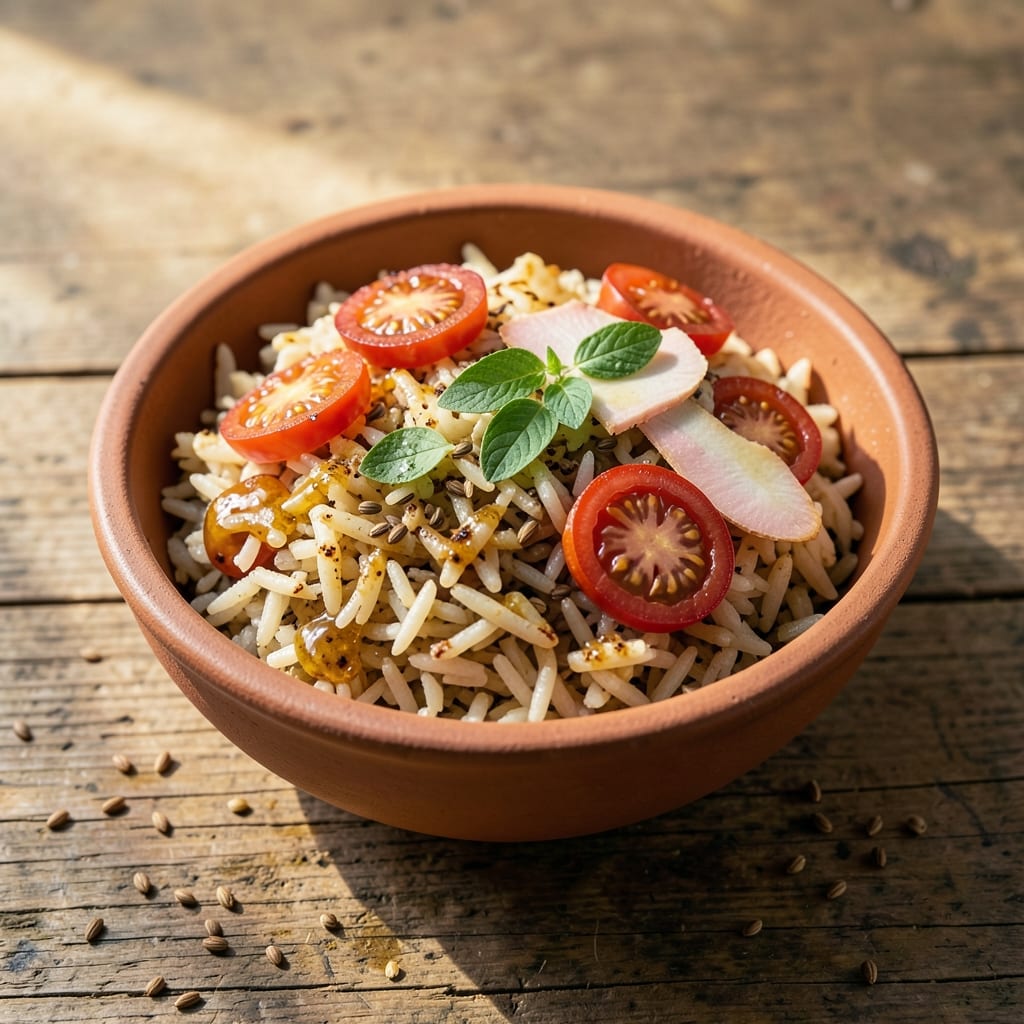
This ajwain leaves rice recipe transforms simple basmati into a fragrant, digestive-friendly one-pot wonder that cooks in under 45 minutes. The key lies in tempering whole ajwain seeds (or crushed leaves) in ghee until they release their earthy, slightly peppery aroma—this creates a flavor base that lingers through every bite. What makes this dish special is how ajwain's natural carminative properties work with the rice to make it gentle on digestion while keeping the texture perfectly fluffy.
The process is straightforward: soak your rice briefly to prevent mushiness, then cook it with ajwain seeds in a flavorful broth of tomatoes, ginger, and mild spices. The ajwain seeds release their signature aroma when toasted, infusing the rice with a warm, slightly bitter depth that pairs beautifully with the rice's natural nuttiness. This method ensures you get restaurant-quality results without requiring multiple pots or complicated techniques.
By the time you serve this dish, you'll have perfectly cooked rice with a subtle ajwain fragrance that fills your kitchen—think of it as aromatic rice therapy. The dish stays light yet satisfying, making it ideal for lunch or dinner. Pair it with yogurt or a simple cucumber raita to balance the spices, and you've got a complete, wholesome meal that's as nourishing as it is delicious.
Perfect for meal prep or weeknight dinners, this ajwain rice keeps well in the fridge for up to three days. The ajwain's digestive benefits make it especially comforting after heavy meals or during colder months. Let's get started on this simple yet transformative recipe that brings warmth and wellness to your table.
Ingredients for ajwain leaves rice
Simple ingredients that transform into aromatic, digestive-friendly ajwain rice in one pot.
| Ingredient | Amount | Notes |
|---|---|---|
| Basmati Rice 🍚 | 1 cup | Uncooked, long-grain preferred |
| Ajwain Seeds 🌿 | 1 tbsp | Whole seeds, lightly crushed |
| Ghee 🧈 | 3 tbsp | Unsalted, for tempering |
| Fresh Ginger 🧄 | 1 inch | OR 1 tbsp grated ginger |
| Fresh Ginger 🧄 | 1 tbsp | Grated, freshly prepared |
| Medium Tomatoes 🍅 | 2 whole | Ripe, chopped into small pieces |
| Green Chilies 🌶️ | 2 whole | Slit lengthwise, adjust to heat |
| Cumin Seeds 🌿 | ½ tsp | Toasted for aroma |
| Turmeric Powder 🌿 | ¼ tsp | Freshly ground preferred |
| Garam Masala 🌶️ | ½ tsp | Store-bought blend works fine |
| Salt 🧂 | ¾ tsp | Adjust to taste |
| Fresh Coriander Leaves 🌿 | ¼ cup | Chopped, for garnish |
| Plain Yogurt 🥛 | ½ cup | For serving (optional) |
Ajwain seeds are the star here—look for them in the spice aisle at Indian grocery stores or online if your regular market doesn't carry them. Whole seeds work best (crush lightly in a mortar), but if you can only find ajwain leaves, use them fresh. The ghee should be pure, unsalted—Amul or Patanjali brands are reliable. For ginger, fresh is non-negotiable—the dried stuff just doesn't cut it. If you can't find whole ajwain seeds, Penzeys Spices sells them online. The tomatoes should be ripe but firm—Roma tomatoes hold up best when chopped.
No ajwain seeds? Asafetida powder at half the amount works in a pinch, though it won't give the same digestive benefits. Fresh ginger not available? Dried ginger powder at one-third the amount is fine, but toast it first to wake up the flavor. The green chilies can be swapped for red chili powder at one-fourth the amount if you prefer milder heat. For extra depth, add a pinch of black pepper during tempering. The garam masala blend? Any store-bought one works—just make sure it's not pre-mixed with salt.
This rice reheats beautifully—just add a splash of water and steam it covered. Keeps in the fridge for 3 days, though it's best eaten fresh. For meal prep, portion into containers with a little yogurt on top. The ajwain seeds lose potency after 6 months, so store them in an airtight container in a cool, dark place. The ghee will last months in the fridge once opened. Garnish with fresh coriander just before serving—it brightens everything up.
Why You'll Love This Recipe
- No-Fuss Flavor Bomb: I swear by this—just toast ajwain seeds in ghee until they smell like warm earth and spice. That nutty aroma alone makes the whole kitchen smell like a home-cooked victory, and it takes three minutes of active work.
- Ghee Magic: The moment basmati rice gets kissed with ghee and ajwain, it transforms from basic to ridiculously good. That rich, toasty depth? It’s the kind of flavor that makes you pause mid-bite, and honestly, it’s the secret weapon in my lunchbox.
- Meal Prep MVP: Between us, this rice reheats like a dream—no soggy edges, no sad texture. I make a big batch on Sundays, and it’s still crispy and fragrant by Wednesday. Perfect for when you need something reliable that won’t let you down.
- Budget Bright Spot: Ajwain seeds are cheap, ghee stretches far, and basmati rice fills you up. I’ll be real: this is the kind of dish that feels special without breaking the bank, and it’s the go-to when I’m feeding a crowd on a tight budget.
Step-by-step instructions for ajwain leaves rice
Here's how to make this aromatic, digestive-friendly rice dish in one flavorful pot.
Prepare the Base with Ghee and Spices
Heat a heavy-bottomed pot over medium heat and add the 3 tablespoons ghee. Let it melt completely, then add the 1 tablespoon lightly crushed ajwain seeds and ½ teaspoon toasted cumin seeds. Let them sizzle for 30 seconds until the ajwain releases its distinctive aroma - you'll know it's ready when the pot smells strongly of carom.
Next, add the 1-inch fresh ginger and 1 tablespoon grated ginger. Sauté for 1 minute until the ginger becomes fragrant and slightly translucent. This step builds the aromatic foundation of your dish, so don't rush it. The ginger should soften but not brown.
Cook the Tomatoes and Chilies
Add the 2 chopped medium tomatoes and 2 slit green chilies to the pot. Cook for 5-6 minutes on medium heat until the tomatoes soften and release their juices. Stir occasionally to prevent sticking. You'll notice the mixture darkening slightly as the tomatoes break down - this is when they release their natural sweetness and acidity.
Once the tomatoes are fully cooked down, add the ¼ teaspoon turmeric powder and ½ teaspoon garam masala. Stir well to combine and let the spices toast for 30 seconds until the raw aroma disappears. This step develops the complex flavor profile that makes this dish so special.
Add Rice and Water for Perfect Cooking
Add the 1 cup basmati rice to the pot and stir gently to coat each grain with the spiced tomato mixture. This ensures even flavor distribution. Pour in 2 cups water (or enough to cover the rice by about 1 inch) and add the ¾ teaspoon salt. Bring to a gentle boil, then reduce heat to low and cover with a tight-fitting lid.
Let the rice cook undisturbed for 12-15 minutes until the water is completely absorbed and the rice is tender but still slightly firm. The rice should be cooked through but not mushy - you'll know it's ready when the bottom of the pot is dry and the rice pulls away from the edges slightly.
Rest and Finish with Fresh Herbs
Once the rice is cooked, turn off the heat and let it sit covered for 5 minutes. This resting period allows the steam to redistribute and the rice to become perfectly fluffy. After resting, fluff the rice gently with a fork to separate the grains.
Finally, stir in the ¼ cup chopped fresh coriander leaves and serve hot with the optional ½ cup plain yogurt on the side. The ajwain adds a unique digestive quality while the ghee makes each bite rich and satisfying. This one-pot wonder delivers restaurant-quality flavor with minimal effort.
Pro Tips For Making Ajwain Leaves Rice
- Bloom the Ajwain: Toast the ajwain seeds in ghee for 30 seconds until they pop like tiny firecrackers—this unlocks their aroma. Skip this, and you’ll just be eating rice with a faint herbal aftertaste instead of that signature punch. (Yes, even if you’re impatient like me, wait for the sizzle.) ---
- Rinse Rice Twice: Basmati rice needs a thorough rinse—swirl it in cold water until the water runs almost clear. I learned this the hard way: unrinsed rice turns gummy, and no amount of ajwain magic fixes that. Drain well afterward, or the rice will steam instead of toast. ---
- Layer Ginger Last: Add the fresh ginger after the rice has absorbed most of the liquid—about 5 minutes before the dish is done. This keeps the ginger bright and snappy, not mushy. (Your future self will thank you for not boiling it into oblivion.) ---
- Use Ghee Generously: Don’t skimp on ghee—aim for 2 tablespoons per cup of rice. It’s the non-negotiable fat that carries the ajwain’s flavor and gives the rice that golden sheen. (I skip this when I’m lazy, but the dish is noticeably better when I don’t.)
Regional styles of these flavors
North Indian Style
In North India, this ajwain rice is often called ajwain ka chawal and is a staple in Punjabi households. The key difference is using more whole ajwain seeds (up to 1.5 tbsp) for a stronger digestive kick. I like adding 1 small onion finely chopped with the tomatoes for extra depth. Serve it with dal makhani and roti for a complete meal. The North Indian version often includes a pinch of asafetida (hing) when tempering the spices for that signature umami punch. 🌶️
South Indian Adaptation
In South India, this rice is transformed into ajwain rice with coconut milk—a creamy, fragrant variation. After cooking the rice, stir in ½ cup coconut milk and let it absorb for 5 minutes before fluffing. Garnish with toasted coconut flakes and curry leaves. The South Indian version often skips tomatoes and uses tamarind pulp (1 tsp) for a tangy twist. Pair it with sambar or avial for a balanced meal. The ajwain’s warmth contrasts beautifully with coconut’s richness. 🥥
Gujarati Twist
Gujarati cooks take ajwain rice to another level by adding sesame seeds (til) and mustard seeds to the tempering stage. Start by heating 2 tsp ghee, then add ½ tsp mustard seeds and ½ tsp sesame seeds before the ajwain. The Gujarati version also includes dried fenugreek leaves (kasuri methi) at the end for a unique earthy note. Serve with thepla or dhokla for a traditional Gujarati spread. The combination of spices creates a complex, aromatic profile that’s hard to resist. 💫
Bengali Special
In Bengal, ajwain rice is often cooked with mustard oil instead of ghee, giving it a distinct smoky flavor. The Bengali version includes shallots (1 tbsp) and garlic (2 cloves) along with the ginger. After cooking, they stir in a pinch of sugar to balance the spices. Garnish with boiled potatoes (diced) for a heartier dish. This version pairs perfectly with machher jhol (fish curry) or beguni (eggplant fritters). The mustard oil adds a bold, almost nutty depth that’s unmistakably Bengali. 🌿
Hyderabadi Fusion
Hyderabadi chefs elevate ajwain rice by adding dried plums (keera) and peanuts for a sweet-savory twist. After cooking the rice, stir in ¼ cup chopped peanuts and 2 tbsp chopped dried plums. Garnish with fried onions for crunch. This fusion version is often served with mirchi ka salan (chili curry) or dum aloo (slow-cooked potatoes). The ajwain’s digestive benefits pair wonderfully with the rich, spiced flavors of Hyderabadi cuisine. 🍚
Nutrition facts
Frequently asked questions
Can I use ajwain leaves instead of seeds in this recipe?
Yes, you can! Ajwain leaves work beautifully and have a slightly milder flavor than seeds. Use 1 tablespoon fresh ajwain leaves (finely chopped) in place of the seeds, but toast them briefly in ghee to release their aroma. The leaves should be available at Indian grocery stores or online spice shops.
How do I know when the ajwain seeds are properly toasted?
The seeds are ready when they release a strong, earthy aroma that fills your kitchen. You'll notice the pot smells distinctly like carom seeds, and the seeds will turn slightly darker. This usually takes about 30-45 seconds of sizzling in hot ghee.
Can I make this ajwain rice without ghee?
Yes, but the flavor will be different. Use vegetable oil or coconut oil instead, though ghee gives that signature rich aroma. If using oil, add ½ teaspoon asafetida (hing) when tempering to enhance the flavor depth. The digestive benefits of ajwain will still be present.
Why does my ajwain rice turn out mushy?
Mushy rice usually happens from overcooking or insufficient water. Use 2 cups water for 1 cup rice and cook on low heat after boiling. Let it rest covered for 5 minutes after cooking - this helps the grains firm up. Also ensure your rice is fully rinsed before cooking.
What's the best way to store leftover ajwain rice?
Store in an airtight container in the fridge for up to 3 days. To reheat, add 1-2 tablespoons water per cup of rice and steam for 5 minutes covered. For extra flavor, sprinkle with a pinch of ajwain seeds when reheating. The rice reheats beautifully while maintaining its aromatic qualities.