
Main Courses
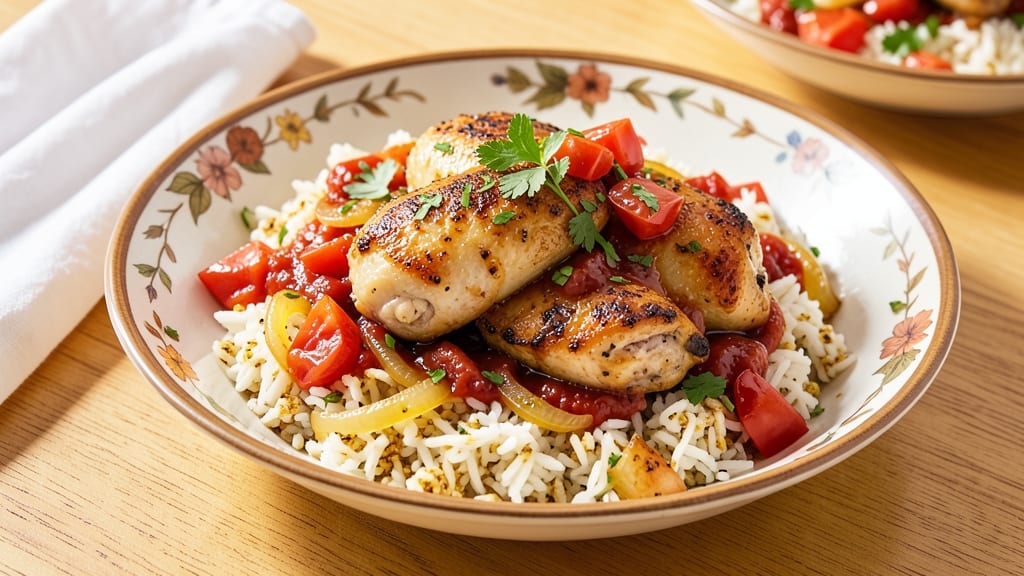
This Turkish chicken and rice recipe transforms a simple weeknight meal into a fragrant, spice-infused feast straight from Istanbul’s home kitchens. The secret lies in slow-cooked chicken simmered in a rich tomato gravy, infused with cumin and allspice, served over fragrant jasmine rice that absorbs every savory note. I first tasted this dish at a family gathering in Cappadocia, where it was the centerpiece of a meal shared over plates of warm flatbread and tangy yogurt.
The dish begins with chicken marinated in olive oil, garlic, and sumac, then braised until tender in a fragrant tomato base. Meanwhile, the rice cooks in a separate pot with onions, butter, and the same aromatic spices, creating a golden, fluffy pilaf that’s the perfect vessel for the rich gravy.
What makes this recipe special is how the flavors meld—earthy cumin, bright lemon, and smoky paprika—resulting in a dish that’s both comforting and vibrant. Serve it with a side of pickled vegetables or a dollop of garlic yogurt for the full Turkish experience.
Ingredients for chicken and rice turkish
Fifteen ingredients blend earthy spices and bright citrus for a Turkish-inspired feast.
| Ingredient | Amount | Notes |
|---|---|---|
| Chicken Thighs 🍗 | 1 ½ lb | Bone-in, skin-on preferred |
| Jasmine Rice 🍚 | 1 cup | Uncooked, long-grain |
| Yellow Onion 🧅 | 1 whole | Medium size, finely chopped |
| Unsalted Butter 🧈 | 4 tbsp | European-style preferred |
| Olive Oil 🫒 | ¼ cup | Extra-virgin for richness |
| Canned Crushed Tomatoes 🍅 | 14 ½ oz | San Marzano preferred |
| Garlic Cloves 🧄 | 4 cloves | Fresh, minced |
| Ground Cumin 🌿 | 1 tbsp | Toasted for depth |
| Ground Allspice 🌶️ | ½ tsp | Freshly ground preferred |
| Smoked Paprika 🌶️ | 1 tsp | Sweet or hot variety |
| Sumac 🌿 | 1 tbsp | Freshly ground |
| Lemon Juice 🍋 | 2 tbsp | Freshly squeezed |
| Salt 🧂 | 1 ½ tsp | Kosher or sea salt |
| Black Pepper 🌶️ | ½ tsp | Freshly ground |
| Fresh Parsley 🌿 | ¼ cup | Chopped, for garnish |
The chicken thighs are non-negotiable here—bone-in, skin-on for that crispy texture and rich flavor. Local butchers often have the best quality, but standard grocery store thighs work fine. For the jasmine rice, Lundberg Farms or Calrose are solid choices if you want to splurge, but any long-grain jasmine rice will do. The San Marzano tomatoes are worth the extra cost—they're sweeter and less acidic, which balances the spices perfectly. If you can't find them, any high-quality canned tomatoes will work, but avoid the watery brands. The sumac is the secret—it adds that bright, tangy note that makes this dish taste authentically Turkish. Middle Eastern markets usually carry it in small jars, but if you can't find it, a pinch of lemon zest can mimic some of the brightness.
No sumac? Substitute with 1 tbsp lemon zest plus 1/2 tsp dried oregano—it won't be identical, but it'll get you close. Running low on smoked paprika? Regular paprika plus a pinch of cayenne adds some heat. The butter in the rice is crucial—don't skip it. If you're dairy-free, olive oil or vegan butter works, but the flavor will be slightly different. For the garlic, fresh is a must—jarred garlic has a completely different taste. If you're making this ahead, pre-chop the onions and garlic and store them in the fridge for up to 3 days to save time. The parsley is just for garnish, so dried will work in a pinch, but fresh is always better.
This dish tastes even better the next day as the flavors meld together. Store the chicken and gravy separately in airtight containers for up to 4 days in the fridge. The rice keeps well for 3 days if reheated gently with a splash of water. For longer storage, freeze the gravy for up to 3 months—just thaw it in the fridge overnight. I like to make a double batch because it reheats so well for lunches. The rice reheats best in a steamer basket over simmering water to keep it fluffy. If you're serving it at a gathering, keep the gravy warm in a slow cooker on low heat.
Why You'll Love This Recipe
- One-Pot Magic: I swear by this recipe when I’m too tired to wash a million dishes. The onions caramelize right in the same pot where the chicken sizzles—no extra bowls, no fuss. Just dump, stir, and let it do its thing while I pour my coffee.
- Butter-Kissed Richness: That first bite? The crispy thigh skin gives way to juicy meat, all wrapped in a sauce thickened with butter and olive oil—like a hug for your taste buds. Honestly, I’ve tried fancier recipes, but this one hits the spot every time without overcomplicating things.
- Weeknight Workhorse: It’s my go-to for busy evenings because it’s hearty enough for a family dinner but simple enough for a solo night in. The rice soaks up all the flavor, so there’s no leftovers waste—just seconds or thirds if you’re like me.
- Budget-Friendly Feast: Chicken thighs and rice stretch for days, and a single onion plus a stick of butter make this dish shockingly affordable. I’ll be real: it’s the kind of meal that makes me feel like I’m feeding a crowd without breaking the bank.
Step-by-step instructions for chicken and rice Turkish recipe
Here's how to create a fragrant Turkish-inspired dish with tender chicken and aromatic rice.
Prepare the Chicken and Rice
Pat the 1.5 lb chicken thighs dry with paper towels, removing any excess moisture. Season generously with 1.5 tsp salt and 0.5 tsp black pepper on both sides, then set aside. In a medium saucepan, combine 1 cup jasmine rice with 2 cups water (or the amount specified on the package) and bring to a boil over medium-high heat. Once boiling, reduce heat to low, cover, and simmer for 15 minutes. The rice should absorb most of the water but remain slightly undercooked—this ensures it finishes cooking in the oven's residual heat.
While the rice cooks, heat 0.25 cup olive oil in a large oven-safe skillet over medium heat. Add the seasoned chicken thighs, skin-side down, and cook for 5-6 minutes until the skin is golden brown and crispy. Flip the chicken and cook for another 3-4 minutes until the internal temperature reaches 160°F. Remove the chicken from the skillet and set it aside on a plate, tented loosely with foil to keep warm.
Build the Spiced Tomato Gravy
In the same skillet, add 4 tbsp unsalted butter and let it melt over medium heat. Add the 1 whole finely chopped yellow onion and cook for 5-6 minutes until softened and translucent. Stir in the 4 minced garlic cloves and cook for 30 seconds until fragrant—don't let it brown, or it will turn bitter. Sprinkle in the 1 tbsp ground cumin, 0.5 tsp ground allspice, 1 tsp smoked paprika, and 1 tbsp sumac, stirring constantly to toast the spices for 1 minute. This step releases their aromatic oils, which are essential for the dish's depth of flavor.
Pour in the 14.5 oz canned crushed tomatoes and stir to combine with the spices. Let the mixture simmer for 5-7 minutes until it thickens slightly. The sauce should coat the back of a spoon and develop a rich, slightly tangy aroma. Stir in the 2 tbsp freshly squeezed lemon juice and adjust seasoning with an additional ½ tsp salt if needed. The acidity from the lemon juice brightens the flavors and balances the richness of the tomatoes and butter.
Combine and Finish Cooking
Return the chicken thighs to the skillet, skin-side up, and spoon the spiced tomato gravy evenly over and around them. Nestle the rice into the skillet, spreading it out in an even layer around the chicken. The rice should be partially submerged in the sauce, but not soggy—this ensures it absorbs the flavors without becoming mushy. Cover the skillet with a lid or aluminum foil and transfer it to a preheated 375°F oven. Bake for 20-25 minutes, or until the chicken reaches an internal temperature of 175°F and the rice is tender.
To check if the rice is done, insert a fork into the center—it should slide in easily with slight resistance. If the rice isn't fully cooked, cover the skillet again and bake for an additional 5-10 minutes. Once done, remove the skillet from the oven and let it rest for 5 minutes before serving. This resting period allows the juices to redistribute, ensuring each bite is moist and flavorful.
Garnish and Serve
Garnish the dish with 0.25 cup chopped fresh parsley just before serving. The parsley adds a fresh, bright contrast to the rich, spiced flavors of the tomato gravy and chicken. Serve the chicken and rice immediately, ensuring each portion includes both the tender chicken and fragrant rice bathed in the aromatic sauce. The dish pairs beautifully with a simple green salad or warm pita bread to soak up any remaining sauce.
Real talk: The key to this dish is patience. The spices need time to meld, and the chicken must cook through evenly. Don't rush the process—let the flavors develop, and you'll end up with a restaurant-quality Turkish-inspired meal that's sure to impress.
Pro Tips For Making Chicken And Rice Turkish
- CRISP THE ONION FIRST: Slice your yellow onion thin—almost translucent—and cook it in olive oil over medium heat until it’s golden and crisp at the edges before adding anything else. I learned this the hard way: soft onions just melt into the dish, but crispy ones add texture that cuts through the richness of the butter and chicken. (Yes, even if you’re impatient like me.)
- SEAR THIGHS IN BATCHES: Don’t crowd the pan. Cook the chicken thighs in a single layer over medium-high heat for 5–6 minutes per side until deeply browned—this builds flavor that steamed thighs won’t match. After burning three batches, I finally figured out: a hot pan and patience are non-negotiable.
- USE COLD BUTTER FOR RICE: Once the chicken’s done, let the butter cool slightly before stirring it into the rice—just enough to coat the grains evenly. My grandmother swore by this, and she was right: cold butter prevents mush and keeps the rice separate. (Your future self will thank you.)
- SALT THE WATER LIBERALLY: The rice soaks up the broth, so salt the water generously—think 1.5 teaspoons per liter, minimum. I skip this when I’m lazy, but the dish is noticeably better when I don’t. Trust me, the rice will taste flat otherwise.
Wine and beer pairings for these flavors
Turkish White Wine
For this dish, I always reach for a crisp Turkish white wine like Öküzgözü from the Aegean region. Its bright acidity and citrus notes cut through the richness of the tomato gravy beautifully.
Look for a bottle labeled "Aegean White"—these wines are often blended with Bouquet or Narince grapes, which complement the dish's herbal spices. Serve slightly chilled (50-55°F) to enhance the wine's refreshing qualities. 🍷
Greek Assyrtiko
If you can't find Turkish wines, an Assyrtiko from Greece works wonderfully. This wine has a similar mineral brightness and lemony finish that pairs perfectly with the sumac and lemon in the recipe.
I recommend Santorini Assyrtiko—its crisp, saline character balances the dish's earthy cumin and allspice. A bottle from Gaia Wines or Venetsanos is a safe bet. 💛
Light Turkish Beer
For beer lovers, a Turkish lager like Efes Pilsen or Teksir is ideal. These beers have a clean, slightly malty profile that won't overpower the dish's complex flavors. The carbonation also helps cleanse your palate between bites.
If you prefer craft beer, a Belgian Witbier (like Stella Artois or Hoegaarden) adds a citrusy note that mirrors the lemon in the recipe. 🍺
Spiced Red Wine Option
For those who prefer red, a light-bodied Turkish red like Kabara from the Black Sea region offers a smooth, fruity profile with subtle spice notes. If you can't find Turkish reds, an Italian Chianti or Spanish Garnacha works well—their earthy undertones complement the cumin and smoked paprika.
Just avoid heavy, tannic reds like Cabernet Sauvignon, which would clash with the dish's delicate flavors. 🍇
Non-Alcoholic Pairings
For a refreshing non-alcoholic option, try Turkish ayran—a yogurt-based drink with a pinch of salt. Its tangy, creamy texture contrasts perfectly with the dish's rich gravy. Alternatively, a sparkling mint lemonade with fresh basil adds a bright, herbal note that echoes the parsley garnish.
For something warmer, Turkish black tea (çay) served in small glasses is a traditional choice. ✨
Nutrition facts
Frequently asked questions
Can I use boneless chicken breasts instead of thighs?
You can, but thighs are traditional for this dish—they stay juicier and more flavorful during the long cooking process. If using breasts, pound them to ½-inch thickness and cook them for 3-4 minutes per side before braising. They'll dry out faster, so add 2 tbsp water to the skillet when baking to prevent overcooking.
What's the secret to perfectly fluffy Turkish-style rice?
The key is toasting the spices in butter before adding liquid—this releases their aromatic oils. Use European-style butter (higher fat content) and cook the rice in a 1:1.5 rice-to-water ratio (e.g., 1 cup rice to 1.5 cups water). After simmering, spread the rice in an even layer and let it steam uncovered for 5 minutes before adding to the skillet.
Can I make this dish in a slow cooker?
Brown the chicken first, then transfer everything (including cooked rice) to a 6-quart slow cooker. Cook on Low for 4-5 hours or High for 2-3 hours. The rice may absorb more liquid, so add ¼ cup water if needed. The slow cooker method deepens the tomato gravy's richness even more.
What's the best way to reheat leftovers?
Reheat the chicken and gravy separately in a saucepan over medium-low heat for 3-4 minutes, stirring occasionally. For rice, use a steamer basket over simmering water for 2-3 minutes—this keeps it fluffy. Never microwave uncovered, as it dries out the rice. The dish tastes even better reheated because flavors meld further.
Why does my rice turn out mushy?
Overcooking or adding too much liquid are the most common causes. Always use 1.5 parts water to 1 part rice and cook uncovered for the last 5 minutes to evaporate excess moisture. If using a skillet, ensure the rice isn't submerged in sauce—it should be partially covered but not soggy. For extra insurance, spread the rice on a baking sheet to dry slightly before adding to the skillet.