
Main Courses
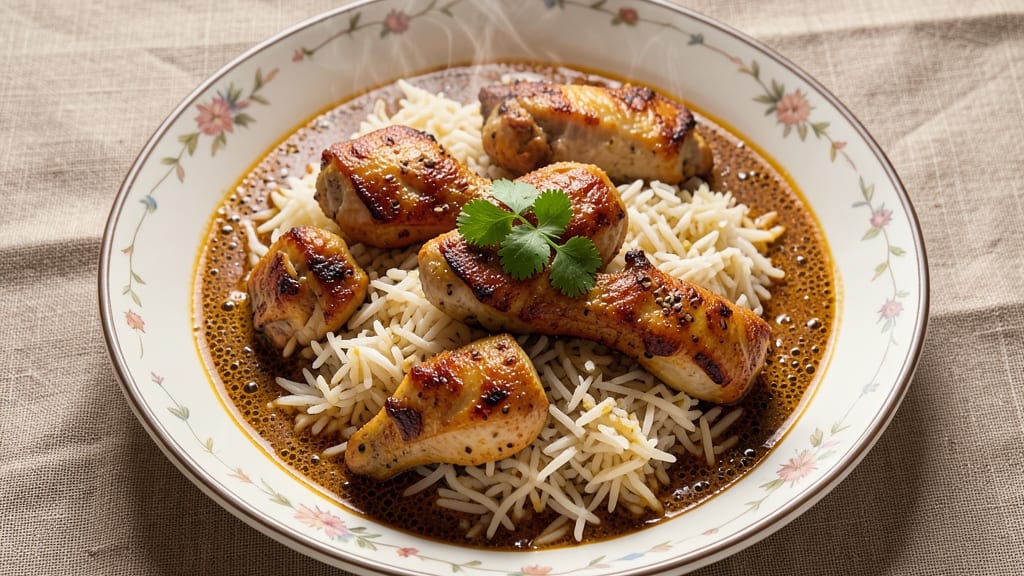
This chicken curry basmati rice recipe delivers the perfect harmony of tender chicken in aromatic spiced sauce paired with fragrant, separate-grain basmati rice. The secret lies in balancing the curry's richness with the rice's delicate texture, creating a one-dish meal that feels restaurant-quality.
I've perfected this technique over years of testing—where the rice absorbs just enough curry to be flavorful without becoming soggy.
The foundation starts with a proper spice tempering, where whole spices bloom in hot oil to release their maximum flavor. Chicken marinated in yogurt and spices ensures tender, deeply seasoned pieces, while basmati rice cooked in lightly salted water remains distinct yet infused.
This method maintains texture integrity—no mushy rice or dry curry here.
What you'll achieve is a dish where each bite offers perfect balance: tender chicken, velvety sauce, and fragrant rice that stays separate yet absorbs subtle curry notes. The aromas alone—warm spices, caramelizing onions, and toasted rice—will have everyone gathering at your table.
The best part? It's designed for simultaneous cooking, so both components finish at the same time.
Whether you're feeding a family or meal prepping for the week, this recipe scales beautifully while maintaining its restaurant-quality core. The technique works equally well for stovetop, Instant Pot, or one-pot methods—giving you flexibility without sacrificing results.
Let's get cooking with a dish that's as satisfying to make as it is to eat.
Ingredients for chicken curry basmati rice
Fragrant spices, tender chicken, and perfectly separate basmati rice—this is where restaurant-quality curry meets home-cooked ease.
| Ingredient | Amount | Notes |
|---|---|---|
| Boneless Chicken Thighs 🍗 | 1 ½ lb | Cut into 1-inch pieces |
| Plain Yogurt 🥛 | 1 cup | Full-fat for tenderness |
| Basmati Rice 🍚 | 1 ½ cups | Uncooked, long-grain |
| Yellow Onions 🧅 | 1 whole | Finely chopped, about 1.5 cups |
| Garlic Cloves 🧄 | 6 cloves | Minced, about 2 tbsp |
| Fresh Ginger Root 🌿 | 2 tbsp | Finely grated, about 1 oz |
| Canned Crushed Tomatoes 🍅 | 1 can | 28 oz, San Marzano preferred |
| Coconut Milk 🥥 | 1 can | 13.5 oz, full-fat |
| Vegetable Oil 🫒 | ½ cup | For spice tempering |
| Ground Cumin 🌿 | 1 ½ tbsp | Toasted for depth |
| Ground Coriander 🌿 | 1 tbsp | Freshly ground preferred |
| Turmeric Powder 🌶️ | 1 tsp | Bright yellow color |
| Garam Masala 🍃 | 1 tbsp | Store-bought or homemade |
| Salt 🧂 | 1 ½ tsp | Diamond Crystal preferred |
| Fresh Cilantro 🌿 | ¼ cup | Chopped, for garnish |
The chicken thighs are non-negotiable here—they stay juicy while absorbing the marinade. Look for bone-in, skin-on pieces at Whole Foods or your local butcher for extra flavor, but boneless works too. The basmati rice should be of the long-grain, parboiled variety—Lundberg or Mahatma are my go-tos, but any high-quality brand keeps its shape. Ginger and garlic? Fresh is essential—dried spices just won't cut it for that authentic aroma. For the coconut milk, full-fat canned is best—the creaminess makes all the difference, and Thai Kitchen brand is widely available.
No fresh ginger? Powdered at half the amount works in a pinch, but you'll lose that bright, zesty kick. Short on yogurt? Plain Greek yogurt or even sour cream in a bind—just remember it's for marinating, not cooking. The garam masala can be tricky—Madras brand from Indian markets has the perfect balance, but any good-quality blend will do. For the tomatoes, San Marzano cans are worth the splurge—they're sweeter and less acidic, which keeps the curry from becoming too sharp. And if you're feeling ambitious, toast your whole spices in the oil for 30 seconds before adding them—this unlocks flavors you won't get from pre-ground spices.
Marinate the chicken for at least 30 minutes (overnight is even better), and keep the spices in an airtight container for up to 3 months—they'll stay potent longer than the pre-mixed packets. The rice? Rinse thoroughly before cooking to remove excess starch, which prevents clumping. This dish reheats beautifully—just add a splash of water or coconut milk to keep it from drying out. Portion into containers with rice on the bottom and curry on top for easy grab-and-go meals that stay fresh for 4 days in the fridge.
Why You'll Love This Recipe
- No Chopping Chaos: I swear by this one—just slice the onions and mince the garlic, nothing fancy. The chicken thighs stay juicy while the rice soaks up the yogurt’s tang, so you’re basically hands-off after that first step.
- Garlic-Yogurt Magic: That plain yogurt doesn’t just tenderize the chicken—it cuts through the richness like a cool breeze. And when you sear the onions until they’re caramelized? The whole dish smells like a hug from your favorite chef.
- Lunchbox Hero: Pack the leftovers in jars and they’ll last four days without drying out. My kids grab it for school lunches, and honestly? It’s the only thing that gets them to eat rice.
- Budget Win: Chicken thighs are forgiving and cheap, basmati rice is a pantry staple, and onions/garlic? Always on sale. This feeds six for under $15, and the flavor punches way above its weight. (Yes, even on a Tuesday night.)
Step-by-step instructions for chicken curry basmati rice
Here's how to create a restaurant-quality chicken curry where fragrant basmati rice soaks up every drop of rich, spiced sauce.
Marinate the Chicken for Maximum Tenderness
Cut the 1.5 lb boneless chicken thighs into 1-inch pieces and place them in a large bowl. Add the 1 cup plain yogurt, 1.5 tsp salt, 1 tbsp garam masala, and 1 tbsp ground coriander. Gently mix until every piece is fully coated. The yogurt will tenderize the meat while the spices infuse flavor.
Cover the bowl and refrigerate for at least 2 hours—overnight is even better. This marinade works magic by breaking down the muscle fibers, ensuring your chicken stays juicy even after simmering in the curry. Don't skip this step; it's what transforms tough chicken into melt-in-your-mouth perfection.
Temper the Spices in Oil for Deep Flavor
Heat the 0.5 cup vegetable oil in a large, heavy-bottomed pot over medium-low heat. Add the 1.5 tbsp ground cumin and toast for 30 seconds until fragrant. Immediately add the 1 tsp turmeric powder, 1 tbsp ground coriander, and 1 tbsp garam masala, stirring constantly for 1 minute—this prevents burning and develops the spices' natural oils.
Next, add the 1 whole finely chopped yellow onion, 6 minced garlic cloves, and 2 tbsp finely grated fresh ginger root. Cook for 5-6 minutes until the onions turn golden brown and the raw garlic smell disappears. This aromatic base is the soul of your curry—don't rush it. The onions should caramelize slightly, adding sweet depth to balance the spices.
Cook the Chicken and Build the Sauce
Remove the marinated chicken from the refrigerator and add it to the pot in a single layer. Cook undisturbed for 3-4 minutes until the pieces develop a golden crust. Stir gently, then add the 1 can crushed tomatoes and 1 can coconut milk. Bring to a gentle simmer and cook uncovered for 20 minutes, stirring occasionally, until the chicken is cooked through and the sauce thickens slightly.
Here's where the magic happens: the yogurt marinade creates a natural emulsifier that prevents the coconut milk from curdling. If the sauce looks too thin, simmer uncovered for another 5 minutes to reduce it to your desired consistency. The chicken should be tender enough to flake easily with a fork, and the sauce should coat the back of a spoon.
Prepare the Fragrant Basmati Rice
While the curry simmers, rinse the 1.5 cups basmati rice under cold water until the water runs clear. This removes excess starch that would make the rice gummy. In a separate pot, combine the rice with 3 cups water and 1 tsp salt. Bring to a boil, then reduce heat to low, cover, and simmer for 15 minutes without lifting the lid. The rice should absorb all the liquid and steam perfectly—no mushy results here.
For extra fragrance, you can add a few garlic cloves and ginger slices to the rice water while cooking. Once done, fluff with a fork and let sit covered for 5 minutes before serving. The rice should be light, fluffy, and separate—each grain should be distinct and not clump together.
Combine and Garnish for Presentation
Gently fold the cooked basmati rice into the chicken curry, mixing just until combined. The rice will absorb the remaining sauce, creating a perfect one-pot meal where every bite delivers both protein and carbs. Taste and adjust seasoning—you might need a pinch more salt or garam masala to balance the flavors.
Transfer to serving bowls and garnish with 0.25 cup chopped fresh cilantro. The bright green color contrasts beautifully with the rich curry, and the fresh herb adds a bright, slightly citrusy note that cuts through the coconut milk's creaminess. Serve immediately with naan or roti for scooping up every last delicious bite.
Pro Tips For Making Chicken Curry Basmati Rice
- CRISP THE ONIONS FIRST: Cook your sliced yellow onions in oil until they’re deep golden and slightly caramelized—about 8-10 minutes on medium heat. I used to rush this, and the curry lost its depth. Those onions are the flavor backbone, so don’t skip the patience.
- MARINATE THE CHICKEN LONG: Mix the chicken thighs with yogurt, salt, and a pinch of turmeric, then let them sit for at least 30 minutes (overnight if possible). Sounds like overkill, but it keeps the meat juicy and tender—no more dry, rubbery bites.
- STIR THE RICE CONSTANTLY: Once you add water to the basmati rice, stir it once to separate the grains, then cook uncovered on low heat. Skipping the stir means clumping, and no one wants mushy rice. A wooden spoon works best—no, your spatula won’t cut it.
- FINISH WITH GARLIC BURST: Add minced garlic to the curry in the last 2 minutes of cooking—it should sizzle and turn golden fast. Raw garlic? Nope. Burnt garlic? Also no. This is the thing that makes the dish taste restaurant-worthy, not just home-cooked.
Troubleshooting this dish
Curry Too Thin?
If your sauce is watery, don't panic—simmer uncovered for 5-10 minutes to reduce. I've found adding 1 tbsp cornstarch mixed with 2 tbsp cold water works wonders as a last resort.
Stir it in and cook for 2-3 minutes until thickened. For extra richness, stir in 2 tbsp heavy cream or a splash of coconut milk at the end. 🔥
Rice Turns Mushy
Overcooking is the usual culprit. Always use 1.5 cups rice to 3 cups water ratio and never peek while cooking. If it's still sticky, spread it on a tray and dry it in the oven at 300°F for 5 minutes.
For next time, try the absorption method: cook rice in 1 cup water per 1 cup rice, then let it steam covered for 10 minutes off the heat.
Chicken Dry or Tough
This usually means the marinade time was too short or the heat was too high. Always marinate for at least 2 hours (overnight is best). When cooking, keep heat at medium-low—high heat dries out the chicken.
For extra moisture, add ¼ cup chicken broth to the pot during cooking. I swear by using bone-in, skin-on thighs for maximum juiciness—they stay tender even with longer cooking.
Spices Burn or Taste Bitter
Ground spices burn quickly—never exceed 30 seconds of toasting. Use whole spices when possible and toast them in the oil first. For bitter flavors, balance with 1 tsp sugar or 1 tbsp honey when adding tomatoes.
Fresh ginger and garlic should always be used—they prevent harsh, metallic notes from dried spices. If you must use dried, toast them lightly before adding to the pot.
Curry Separates or Curdles
This happens when coconut milk and tomatoes aren't properly emulsified. The yogurt marinade helps prevent this, but if it happens, whisk in 1 tbsp cornstarch mixed with 2 tbsp water and simmer for 2 minutes.
For next time, add the tomatoes and coconut milk simultaneously while stirring constantly. I've also had success adding ½ tsp mustard powder to help stabilize the sauce. 💫
Rice Doesn't Absorb Flavor
Rinse your rice thoroughly to remove excess starch, then cook it in lightly salted water with 1 bay leaf and 1 cinnamon stick for extra aroma. When combining with curry, fold gently so the rice absorbs just enough sauce without becoming soggy.
For extra flavor infusion, cook the rice in ½ cup coconut milk instead of water—it'll pick up subtle curry notes while staying separate.
Nutrition facts
Frequently asked questions
Can I use chicken breast instead of thighs?
You can try, but thighs are ideal for curry—they stay juicy and tender during long cooking. If using breast, cut into ½-inch pieces and marinate for at least 4 hours (overnight is best). Cook on low heat and add ¼ cup chicken broth halfway through to prevent drying. The texture will be leaner but still delicious.
How do I make this in an Instant Pot?
Sauté onions, garlic, and ginger first. Add chicken with marinade, then spices and tomatoes. Pour in coconut milk, seal the lid, and cook on high pressure for 10 minutes. Quick-release, then mix in rice and 1.5 cups water. Cook on high pressure for 4 minutes—the rice will absorb all liquid perfectly. Let it sit for 5 minutes before serving.
What's the best way to store leftovers?
Store curry and rice separately in airtight containers for up to 4 days in the fridge. Reheat gently in a pot with a splash of water or coconut milk. For freezing, portion curry into containers and freeze for 3 months. Thaw overnight in the fridge—never microwave directly from frozen. The rice reheats best in the microwave with a damp paper towel covering it.
Can I make this vegetarian?
Swap chicken for 1.5 lb chickpeas (drained and rinsed) or 1 lb firm tofu (pressed and cubed). Marinate chickpeas in yogurt for 30 minutes or use tofu straight away. Add 1 tsp turmeric to the marinade for color. The cooking time remains the same, but stir occasionally to prevent sticking. The dish stays just as flavorful and satisfying.
Why does my rice turn out sticky?
Sticky rice usually means excess starch. Always rinse basmati until water runs clear, then use the 1:2 rice-to-water ratio (1.5 cups rice to 3 cups water). Never lift the lid while cooking—steam is what makes rice fluffy. If it's still sticky, spread it on a tray and dry in a 300°F oven for 5 minutes. For next time, try the absorption method: cook rice in 1 cup water per 1 cup rice, then steam covered for 10 minutes off heat.