
Main Courses
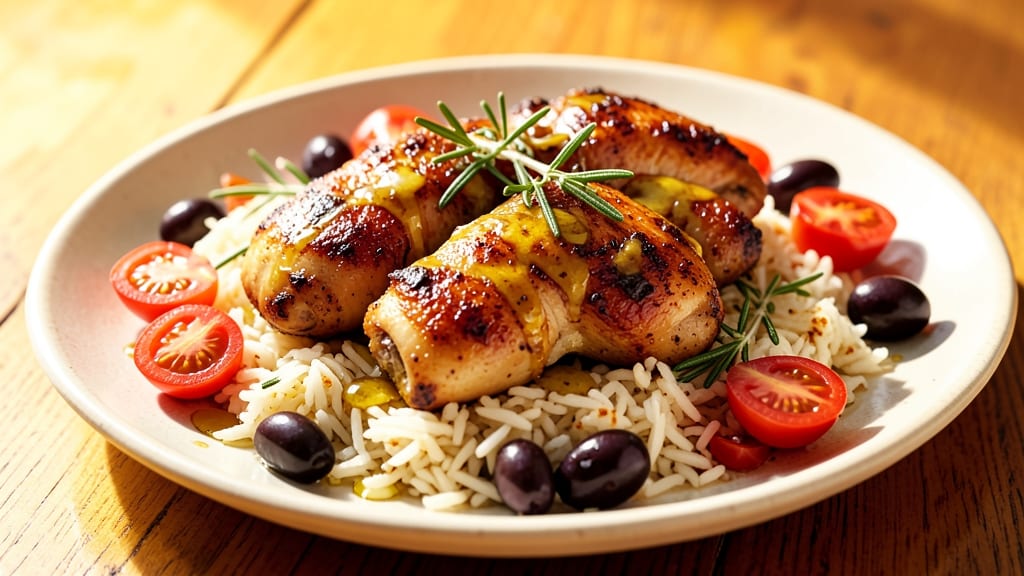
This chicken cacciatore over rice recipe brings rustic Italian comfort to your weeknight table with minimal effort. The secret lies in slow-braising chicken with tomatoes, white wine, and olives until tender, then serving it over herby rice—all in one pan for easy cleanup.
I developed this version after years of perfecting the balance between tangy, savory, and herby flavors, ensuring every bite delivers that classic Italian restaurant taste at home.
The beauty of this dish is its simplicity: chicken thighs brown beautifully in the pan, releasing their natural juices into a rich tomato sauce infused with garlic, rosemary, and olives.
While the chicken simmers, basmati rice cooks directly in the same pot, absorbing the aromatic flavors for a fragrant, one-pot meal. This method cuts down on dishes while maximizing flavor—no fancy techniques required, just patience and attention to layering ingredients in the right order.
What you'll end up with is a restaurant-quality plate of golden-brown chicken pieces resting on a bed of fragrant, herby rice, all blanketed in a glossy, tangy tomato sauce.
The dish is hearty enough for a family dinner but elegant enough for company, with each component perfectly balanced in texture and flavor. The rice soaks up the sauce while staying distinct, creating a satisfying contrast with each bite.
Perfect for feeding a crowd or a cozy weeknight dinner, this recipe scales effortlessly and tastes even better the next day. The leftovers keep well in the fridge, making it an ideal meal prep option for busy weeks.
Let's get started on this one-pan Italian classic that's sure to become a staple in your rotation.
Ingredients for chicken cacciatore over rice
Simple Italian pantry staples create restaurant-quality chicken cacciatore over fragrant herby rice.
| Ingredient | Amount | Notes |
|---|---|---|
| Chicken Thighs, Bone-In 🍗 | 1 ½ lb | Skin-on preferred for flavor |
| San Marzano Tomatoes 🍅 | 28 oz | Canned, crushed or diced |
| Dry White Wine 🍷 | ½ cup | Bold, dry variety |
| Garlic Cloves 🧄 | 4 cloves | Minced for even distribution |
| Fresh Rosemary 🌿 | ¼ cup | Chopped, stems removed |
| Kalamata Olives 🫒 | ½ cup | Pitted and sliced |
| Long-Grain Basmati Rice 🌾 | 1 cup | Uncooked, rinsed well |
| Chicken Broth 💧 | 1 cup | Low-sodium preferred |
| Extra-Virgin Olive Oil 🫒 | 2 tbsp | For browning chicken |
| Salt 🧂 | 1 ½ tsp | Kosher or sea salt |
| Ground Black Pepper 🌶️ | ½ tsp | Freshly ground preferred |
| Fresh Parsley 🌿 | ¼ cup | Chopped for garnish |
| Red Pepper Flakes 🌶️ | ½ tsp | Optional, for heat |
The chicken thighs are non-negotiable here—bone-in and skin-on delivers that classic Italian flavor. Trader Joe's or Whole Foods carry excellent cuts, but any well-marbled thigh works. Look for San Marzano tomatoes at Italian markets—they're sweeter and less acidic than regular canned tomatoes. I always grab a 28-ounce can for this recipe, but a 14-ounce can would work if you're halving the batch. For the wine, any dry white will do—Sauvignon Blanc or Pinot Grigio are my go-tos, but Pinot Noir even works in a pinch.
No white wine? Chicken broth with a splash of lemon juice mimics the acidity beautifully. Fresh rosemary is ideal, but dried at one-third the amount works if you're in a bind. Kalamata olives add that briny punch—substitute green olives if that's what you have, though they'll be less flavorful. The basmati rice should be long-grain and rinsed thoroughly to avoid gummy texture. For the broth, low-sodium is key—you don't want to overpower the dish with salt. And if you're skipping the red pepper flakes, a pinch of crushed red pepper in the sauce adds subtle heat without altering the recipe's integrity.
This dish tastes even better the next day as the flavors meld. Store in an airtight container in the fridge for up to 4 days. For freezing, portion into individual containers—it reheats beautifully. The rice stays distinct even after reheating, so it's perfect for meal prep. I always make a double batch on Sundays so I have leftovers for quick lunches all week. The sauce thickens when cooled, so add a splash of broth when reheating if it seems too concentrated.
Why You'll Love This Recipe
- One-Pan Magic: I swear by this recipe when I don’t want to wash a million dishes. Brown the bone-in thighs in the same pan, then dump in the tomatoes, wine, and garlic—everything simmers together while I stir the rice in a separate pot. Five minutes of active work, and the rest is just letting it shine.
- Wine & Tomato Bliss: That first splash of dry white wine cuts through the richness of the chicken thighs, while the San Marzano tomatoes add sweetness that balances the garlic’s punch. Fresh rosemary? It’s the secret—earthy but not overpowering, like a warm hug in a bowl.
- Leftovers That Beg for More: Serve it over rice for dinner, but save the extra sauce for toasted bread the next day. Honestly, I’ve reheated this cacciatore three times and it’s still better than takeout. The thighs stay juicy, and the sauce only gets deeper in flavor.
- Budget-Friendly Feast: Bone-in thighs are cheaper than breasts, and a can of San Marzano tomatoes lasts ages in my pantry. A bottle of wine becomes the star, not the expense—plus, the rosemary and garlic are pantry staples. Feed four people for less than $15, and no one will guess.
Step-by-step instructions for chicken cacciatore over rice
This one-pan method delivers deeply flavorful braised chicken with perfectly cooked rice beneath.
Brown the Chicken Thighs
Heat a large, deep skillet over medium-high heat until hot. Add the 2 tablespoons extra-virgin olive oil and swirl to coat the pan. Pat the 1.5 lb chicken thighs, bone-in dry with paper towels—this ensures maximum browning. Place the thighs skin-side down in the pan and let them sear undisturbed for 6-8 minutes until the skin is deep golden brown and crispy.
Flip the thighs and cook for another 4-5 minutes until the second side develops a golden crust. Remove the chicken from the pan and set it aside on a plate. The skin should be crispy enough to hold its shape when pressed, and the internal temperature should reach 165°F when checked with a meat thermometer. This initial browning builds the foundation for rich flavor in the finished dish.
Sauté Aromatics and Build the Base
In the same skillet, reduce the heat to medium and add the 4 cloves minced garlic. Sauté for 30 seconds until fragrant—you should smell the garlic's sweet aroma without any burning. Add the 0.25 cup chopped fresh rosemary and cook for another 1 minute until the rosemary leaves darken slightly and release their piney scent.
Pour in the 0.5 cup dry white wine and scrape up any browned bits from the bottom of the pan with a wooden spoon. Let the wine simmer for 2-3 minutes until it reduces by half. This step deglazes the pan, capturing all the flavorful browned bits that would otherwise go to waste. The wine should smell concentrated and aromatic, with no alcohol tang remaining.
Layer Rice and Braise the Chicken
Spread the 1 cup long-grain basmati rice evenly across the bottom of the skillet, creating a thin, even layer. Pour the 28 oz San Marzano tomatoes over the rice, followed by the 1 cup chicken broth. Stir gently to combine, ensuring the rice is fully submerged in the liquid. Return the chicken thighs to the skillet, skin-side up, and sprinkle with 1.5 tsp salt, 0.5 tsp ground black pepper, and 0.5 tsp red pepper flakes.
Bring the mixture to a gentle simmer over medium-low heat. Cover the skillet with a tight-fitting lid and cook for 25-30 minutes without stirring. The rice should absorb the liquid gradually, and the chicken should become fork-tender. You'll know it's ready when the rice is tender and the chicken easily separates at the bone. If the liquid evaporates too quickly, add 1-2 tablespoons water to maintain moisture.
Finish with Kalamata Olives and Fresh Herbs
Once the rice is tender and the chicken is cooked through, remove the lid and stir in the 0.5 cup sliced Kalamata olives. Let the mixture simmer uncovered for 2-3 minutes to allow the olives to warm through and their briny flavor to meld with the tomato sauce. The olives should be evenly distributed, and the sauce should coat the rice and chicken evenly.
Sprinkle the 0.25 cup chopped fresh parsley over the top and let the dish rest for 5 minutes off the heat. This resting period allows the flavors to settle and the juices to redistribute, ensuring every bite is moist and flavorful. Garnish with additional parsley if desired, and serve immediately while the rice is hot and the chicken is juicy.
Pro Tips For Making Chicken Cacciatore Over Rice
- CRISP THE SKIN FIRST: Pat those bone-in thighs bone-dry with paper towels, then sear skin-side down in a cold pan—no oil needed at first. The fat will render and crisp the skin in 8-10 minutes, locking in flavor and texture. I used to skip this and ended up with sad, rubbery skin every time.
- SAUTÉ GARLIC LOW: After browning the chicken, pull the pan off heat before adding garlic—it burns faster than you think. Sauté it gently over the lowest possible flame, stirring constantly, until it’s just golden, not brown. My grandmother swore by this, and she was right: burnt garlic turns the whole dish bitter.
- DEGLAZE WITH WINE: Don’t just dump the wine in—let the pan cool for 30 seconds after removing the chicken, then pour in the white wine gradually while scraping up those browned bits. The alcohol will dissolve them faster, giving your sauce depth. I learned this the hard way after making a pale, flavorless sauce once.
- SIMMER TOMATOES LONG: After adding the San Marzano tomatoes, reduce heat to low and let them cook uncovered for at least 40 minutes. This isn’t the time to rush—you want the sauce to thicken and the acidity to mellow. I skip this when I’m impatient, but the dish is noticeably better when I don’t.
Pro cooking tips for this recipe
Pan Prep Essentials
Use a 12-inch cast iron skillet or heavy stainless steel Dutch oven—these retain heat perfectly for even cooking. I swear by my Lodge cast iron pan because it develops a natural nonstick surface over time.
Preheat your pan over medium-high heat for 5-7 minutes before adding oil. This ensures proper browning of the chicken skin. 🔥
Chicken Browning Secrets
Pat the chicken thighs extremely dry with paper towels—this is non-negotiable for crispy skin. Let them sear undisturbed for 6-8 minutes until the skin turns deep golden brown.
If you flip too soon, you'll steam the chicken instead of browning it. I use tongs to flip them carefully to avoid tearing the skin.
Wine Reduction Timing
After removing the chicken, let the wine reduce by half—this takes about 2-3 minutes over medium heat. The key is to let it bubble gently without burning. If you rush this step, you'll miss out on capturing those precious browned bits that add depth to the sauce.
A splash of lemon juice can substitute if you're avoiding alcohol.
Rice Layering Technique
Spread the rice in an even, thin layer across the pan's bottom before adding liquids. This prevents clumping and ensures each grain cooks evenly. I like to use my fingers to gently press the rice into the pan's crevices.
The rice should be fully submerged in the tomato-broth mixture—this guarantees fluffy, separate grains.
Olive Timing Matters
Add the Kalamata olives only in the final 2-3 minutes of cooking. This prevents them from becoming mushy and ensures they maintain their briny, salty punch. Stir them in gently so they distribute evenly throughout the sauce.
For extra flavor, I sometimes add 1-2 anchovy fillets with the olives—trust me, it's a game-changer. 🌟
Resting for Juices
Let the dish rest for 5 minutes off the heat before serving. This crucial step allows the chicken juices to redistribute throughout the meat and rice. I cover it loosely with foil during this time.
Skipping this step results in dry chicken and rice that absorbs too much sauce. Patience here makes all the difference!
Nutrition facts
Frequently asked questions
Can I use chicken breasts instead of thighs?
While you can substitute chicken breasts, thighs are ideal for this dish because they stay juicy during the long braising time. If using breasts, cut them into 1-inch pieces and reduce the cooking time to 15-20 minutes total. The breasts will dry out faster, so keep an eye on them and cover with extra broth if needed. For best results, pound the breasts to an even thickness before cooking.
What if my rice turns out mushy?
Mushy rice usually means the liquid wasn't absorbed properly or the rice was stirred too much. For next time, use 1 cup basmati rice to 1.5 cups liquid and stir only once during cooking. If this happens, try spreading the rice in a thin layer first and adding slightly less broth (3/4 cup instead of 1 cup). Also, let the rice cook uncovered for the last 5 minutes to evaporate excess moisture.
Can I make this dish ahead of time?
This dish tastes even better the next day as flavors meld. Store in an airtight container in the fridge for up to 4 days. When reheating, add 2-3 tablespoons water or broth to prevent drying. For freezing, portion into individual containers—it reheats beautifully. The rice stays distinct even after reheating, making it perfect for meal prep. I always make a double batch on Sundays!
How do I adjust the heat level?
For less heat, omit the red pepper flakes and reduce the olives to 1/4 cup. For extra spice, add 1 teaspoon crushed red pepper with the olives or serve with hot sauce on the side. Kalamata olives already provide a mild brininess, so you can control heat without losing the dish's balanced flavors. Always taste the sauce before serving and adjust to preference.
What's the best way to serve this dish?
This dish is hearty on its own, but it pairs beautifully with a simple arugula salad dressed with lemon and olive oil, or steamed green beans with garlic. For presentation, spoon the rice onto plates first, then top with chicken and sauce. Garnish with extra parsley and a sprinkle of flaky sea salt. Serve with crusty Italian bread on the side for soaking up the delicious sauce.