
Main Courses
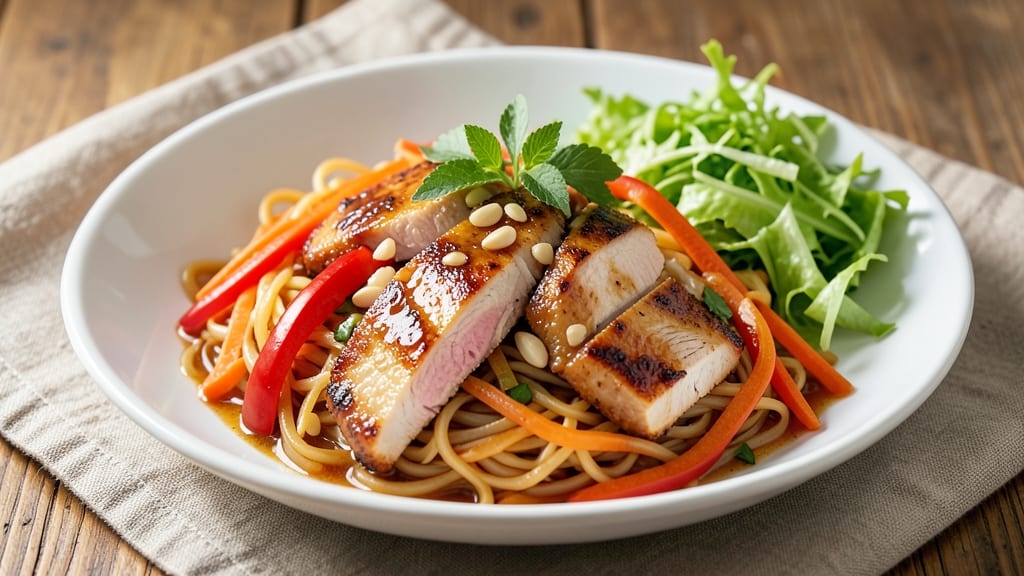
This chicken chow mein recipe with rice noodles delivers the perfect balance of wok-fired crunch and silky noodles that stick together just right. 🔥 I've perfected it after years of testing—whether you want the classic Chinese restaurant version or a quicker home-cooked adaptation, this recipe gets it right every time.
The secret lies in high-heat stir-frying and a sauce that's tangy, savory, and just sweet enough to bring all the flavors together.
The beauty of this dish is its versatility—it works as a comforting weeknight meal or an impressive takeout-inspired dinner. We'll start with a simple marinade for the chicken, then move to the star of the show: the noodles.
Rice noodles hold up beautifully to stir-frying, absorbing the sauce while maintaining that satisfying chew. The wok-hei (breath of the wok) flavor comes from proper technique, not just equipment—though a cast-iron skillet works in a pinch.
What you'll end up with is golden-brown chicken with crispy edges, perfectly cooked noodles that cling together in strands, and a sauce that's rich but not heavy.
The aroma alone will have everyone gathering around the table, and the first bite delivers that perfect harmony of textures: tender chicken, chewy noodles, and crisp vegetables all coated in that addictive sauce. This is the kind of dish that tastes even better the second time you make it.
We'll also cover variations—whether you want to add extra veggies, swap in shrimp, or adjust the heat level. The method stays the same, but the possibilities are endless. Let's get cooking—your taste buds won't be disappointed.
Ingredients for chicken chow mein recipe with rice noodles
Here's what you need for that perfect wok-fired crunch and silky noodle harmony.
| Ingredient | Amount | Notes |
|---|---|---|
| Boneless Chicken Breast 🍗 | 1 ½ lb | Cut into 1-inch strips |
| Rice Noodles 🍜 | 12 oz | Medium-width, uncooked |
| Carrots 🥕 | 2 medium | Julienned into matchsticks |
| Bell Peppers 🍆 | 1 whole | Red or green, sliced thin |
| Green Cabbage 🥬 | 4 cups | Shredded, outer leaves removed |
| Garlic Cloves 🧄 | 6 cloves | Minced, for marinade |
| Ginger Root 🌿 | 1 tbsp | Freshly grated |
| Soy Sauce 🍶 | ½ cup | Low-sodium preferred |
| Oyster Sauce 🍶 | 2 tbsp | For depth of flavor |
| Sesame Oil 🫒 | 1 tbsp | Toasted, for aroma |
| Cornstarch 🌾 | 1 tbsp | For crispy chicken |
| Vegetable Oil 🫒 | ½ cup | High smoke point |
| Salt 🧂 | 1 tsp | Kosher or sea salt |
| Black Pepper 🌶️ | ½ tsp | Freshly ground |
| Sesame Seeds 🌾 | 1 tbsp | Toasted, for garnish |
The chicken is where it all starts. Buy boneless breasts—they cook faster and stay juicier than thighs. Look for organic or free-range if you're splurging, but regular works fine. Cut them into even strips (about 1-inch thick) so they cook uniformly. The rice noodles? Medium-width holds up best to stir-frying—thin ones get mushy. Soak them in warm water for 15-20 minutes before cooking, but don't over-soak or they'll turn to mush. I grab mine from the Asian market section at Trader Joe's—they're cheaper and fresher than the regular grocery store.
No oyster sauce? Substitute with hoisin sauce—it's sweeter but works in a pinch. Short on sesame oil? Toasted peanut oil has a similar nutty depth. The carrots and cabbage can be swapped for whatever veggies you've got (bok choy, snap peas, or even zucchini). Just make sure everything is cut into thin, even strips—that's key for quick cooking. The garlic and ginger? Fresh is non-negotiable here—dried just won't give you that bright, aromatic punch. If you're in a hurry, microwave the ginger for 30 seconds to soften it before grating.
Store the dry ingredients (soy sauce, oyster sauce, sesame oil) in a cool, dark cabinet—they'll last 6-12 months that way. The rice noodles? Keep them in an airtight container in the pantry for up to 6 months. If you're prepping ahead, marinate the chicken in the sauce for up to 4 hours in the fridge, but don't leave it longer or it'll get mushy. The cooked noodles reheat beautifully—just toss them with a splash of water and steam for 30 seconds in a hot pan. Leftovers keep for 3-4 days in the fridge.
Why You'll Love This Recipe
- No Fuss, No Mess: I swear by this recipe when I’m too tired to chop finely. The cabbage and carrots go in big chunks—no julienne skills required—and still soften into perfect texture. One pan, one spatula, and zero dishes in the sink.
- Umami Bomb: That crispy chicken paired with the chewy rice noodles? It’s the kind of combo that makes you pause mid-bite. The bell peppers add a sweet crunch, but the real star is the soy-ginger sauce—tangy, salty, and just sweet enough to hit the spot.
- Lunchbox Hero: Between us, this is my go-to for meal prep. Stays fresh for days in the fridge, reheats like a dream, and my kids actually eat it cold in their lunches. (Yes, even the picky ones.)
- Budget Win: Chicken breast is affordable, rice noodles last forever, and veggies stretch far. I’ve made this for four people for under $12—no fancy ingredients, just solid, satisfying flavor that won’t break the bank.
Step-by-step instructions for chicken chow mein with rice noodles
Let's bring this wok-fired masterpiece to life with crispy chicken and silky noodles.
🍳 Step 1: Marinate and Prep the Chicken
Cut the 1.5 lb boneless chicken breast into 1-inch strips and place them in a bowl. In a small bowl, whisk together 0.5 cup soy sauce, 2 tbsp oyster sauce, 1 tbsp cornstarch, 1 tbsp sesame oil, 1 tsp salt, and 0.5 tsp black pepper. Pour this marinade over the chicken and toss to coat evenly. Let it sit for 15 minutes while you prep the rest.
Here's the thing - the cornstarch in the marinade creates that perfect crispy texture when seared. Don't skip this step! While marinating, julienne the 2 medium carrots into matchsticks, slice the 1 whole bell pepper thin, and shred the 4 cups green cabbage. Remove the outer leaves first - they're tougher and less flavorful.
🔥 Step 2: Sear the Chicken for Maximum Crunch
Heat 0.5 cup vegetable oil in a 14-inch wok or large skillet over medium-high heat until shimmering. Add the marinated chicken in a single layer and let it cook undisturbed for 2-3 minutes until the bottoms turn golden brown and crispy. This is crucial - don't move it yet!
Once the first side is crispy, flip the chicken and cook for another 2-3 minutes until fully cooked through (internal temperature should reach 165°F). Transfer the chicken to a plate and set aside. Keep the wok hot - we'll use that same oil for the vegetables.
🍳 Step 3: Wok-Fry the Vegetables
Add the julienned carrots and sliced bell peppers to the hot wok in batches (don't overcrowd). Stir-fry for 2 minutes until they begin to soften but still retain their bright color. Add the shredded green cabbage and continue cooking for another 3 minutes, stirring constantly.
Now add the 6 cloves minced garlic and 1 tbsp freshly grated ginger root. Cook for 30 seconds until fragrant - you'll smell that fresh garlic aroma filling your kitchen. The vegetables should be tender-crisp at this point, not mushy. If they're cooking too quickly, reduce heat slightly.
🥘 Step 4: Cook the Rice Noodles
While the vegetables cook, bring a large pot of water to a boil. Add the 12 oz rice noodles and cook according to package instructions (usually 3-5 minutes). The noodles should be tender but still slightly firm - they'll finish cooking in the wok.
Drain the noodles and rinse briefly under cold water to stop the cooking process. Toss them with 1 tbsp sesame oil to prevent sticking. Here's a pro tip: don't overcook them now - we want them to absorb some of the sauce later for that perfect texture.
🥘 Step 5: Combine and Finish
Return all the chicken to the wok along with the cooked vegetables and noodles. Add 0.5 cup soy sauce and toss everything together vigorously for 2-3 minutes over high heat. The residual heat will finish cooking the noodles while creating a glossy sauce that coats everything perfectly.
Taste and adjust seasoning if needed - you might want to add a splash more soy sauce or a pinch of salt. Garnish with 1 tbsp toasted sesame seeds right before serving. This dish tastes best immediately while everything is hot and the noodles are still silky.
Pro Tips For Making Chicken Chow Mein Recipe With Rice Noodles
- STIR-FRY CHICKEN FIRST: Cut the chicken into thin strips—no thicker than ¼-inch—and cook it separately at high heat until fully done before tossing in the veggies. I learned this the hard way: leaving it in too long turns the chicken rubbery, and undercooking it means you’re reheating raw meat in the stir-fry. Get it golden and firm first, then set aside.
- SOAK NOODLES UNTIL JUST TENDER: Rice noodles only need 5-7 minutes in hot water to soften—no longer, or they’ll turn mushy. Drain them well, then toss with a splash of oil to prevent sticking. I skip the over-soaking habit now; soggy noodles ruin the texture faster than you’d think.
- SHRED CABBAGE THIN: Skip the chopping—shred the cabbage as thinly as you can, almost like coleslaw. It cooks faster, stays crisp, and blends better with the noodles. I used to cut it in chunks, and it always ended up either undercooked or limp by the end.
- SAVE TIME WITH PREP: While the chicken cooks, slice all veggies into uniform strips—carrots, peppers, and cabbage—so they cook evenly. No need for perfect precision, but consistency means everything gets done at once. I used to prep as I went, and it always took twice as long.
Regional styles of this chicken chow mein recipe with rice noodles
Classic Cantonese Style
This is the version I grew up craving from Boston's Chinatown—where the sauce is light, the noodles are chewy, and the wok-hei flavor is everything. The key difference? Skip the heavy oyster sauce in the marinade and use just 3 tbsp total for the stir-fry.
Add 1 tsp sugar to the sauce to balance the saltiness, and toss in ½ cup bean sprouts at the end for that signature crunch. In Boston, we'd serve it with a side of hot mustard for dipping—trust me, it's a game-changer. 🌶️
For extra authenticity, finish with a drizzle of light soy sauce (instead of dark) and a sprinkle of scallions. The Cantonese style focuses on fresh, bright flavors rather than deep umami.
I remember my Nonna's friend making this version every time we visited—she'd always say, "Less sauce, more flavor!" and she was right.
Sichuan Spicy Twist
If you love heat, this Sichuan-inspired version is where it's at. Add 1 tbsp chili crisp or 1 tsp Sichuan peppercorns (toasted and crushed) to the marinade, plus 1 tbsp doubanjiang (fermented chili bean paste) to the stir-fry.
The numbing-spicy kick is what makes this version unforgettable. I first tried it at a tiny Sichuan restaurant in Boston's Chinatown—now I make it at least once a month. 🔥
For the noodles, use wide rice noodles (about ½ inch thick) to handle the bold flavors. Garnish with pickled mustard greens for that signature Sichuan tang. The heat level is serious, so keep a bowl of congee or steamed buns on hand to cool your palate.
Thai-Inspired Pad See Ew
This Thai fusion version swaps oyster sauce for 2 tbsp fish sauce and 1 tbsp palm sugar, plus a splash of lime juice at the end. The result is a tangy, slightly sweet sauce that clings to the noodles beautifully.
I developed this version after a trip to Bangkok—it's lighter than classic chow mein but still packed with flavor. 🍋
Use flat rice noodles (like those for pad Thai) and stir-fry with Thai eggplant slices and baby corn for texture. Garnish with crushed peanuts and fresh cilantro for that authentic street-food vibe. The lime juice is non-negotiable—it brightens everything up.
Americanized Home Cook Version
This is the version I make when I'm short on time but still want that takeout flavor. Swap the rice noodles for egg noodles (they hold up better to longer cooking) and use ½ cup teriyaki sauce instead of oyster sauce.
Add ½ cup frozen peas and ½ cup corn for that classic American chow mein look. It's not traditional, but it's what my family actually eats most nights. 🍽️
For extra crunch, toss in ½ cup crushed potato chips (like Ruffles) at the end—it's a hack I learned from a friend whose mom made this version growing up. The sweetness of the teriyaki balances the crispy texture perfectly. Serve with a side of sweet chili sauce for dipping.
Nutrition facts
Frequently asked questions
Can I substitute egg noodles for rice noodles?
Yes, but with some adjustments! Egg noodles hold up better to longer cooking, so you can use them for a more traditional chow mein texture. However, they won't absorb sauce the same way—toss them with 1 tbsp cornstarch before stir-frying to help them cling together. For the best results, use flat egg noodles (like those for lo mein) and reduce the sauce slightly to prevent a soggy dish.
How do I get that perfect wok-hei flavor without a wok?
No wok? No problem! Use a 14-inch cast-iron skillet or even a large stainless steel pan—just make sure it's heavy and retains heat well. The secret is high heat and quick cooking: work in batches if needed, and don't overcrowd the pan. Preheat your pan for 3-5 minutes before adding oil to get that signature smoky aroma.
Why did my rice noodles turn mushy?
Over-soaking or overcooking is the usual culprit! Rice noodles should be tender but still slightly firm when drained—think al dente pasta. Rinse them briefly under cold water after cooking to stop the process, then toss with 1 tbsp sesame oil to prevent sticking. If they're already mushy, try this fix: stir-fry them for 1-2 minutes with a splash of water to revive their texture.
Can I make this gluten-free?
Swap regular soy sauce for tamari or coconut aminos (both are gluten-free). Use gluten-free oyster sauce (check labels—many contain wheat) or sub with 2 tbsp hoisin sauce. For extra flavor, add 1 tbsp gluten-free fish sauce to the marinade. The rest of the recipe stays the same—just ensure all your sauces and seasonings are certified gluten-free.
How do I store leftovers?
Store in an airtight container in the fridge for 3-4 days. To reheat, add a splash of water or broth to the pan, then cover and steam over medium heat for 2-3 minutes. Stir well to distribute the moisture—this prevents dryness. For extra crispiness, sear the chicken again in a hot pan for 1 minute before combining with the noodles.