
Main Courses
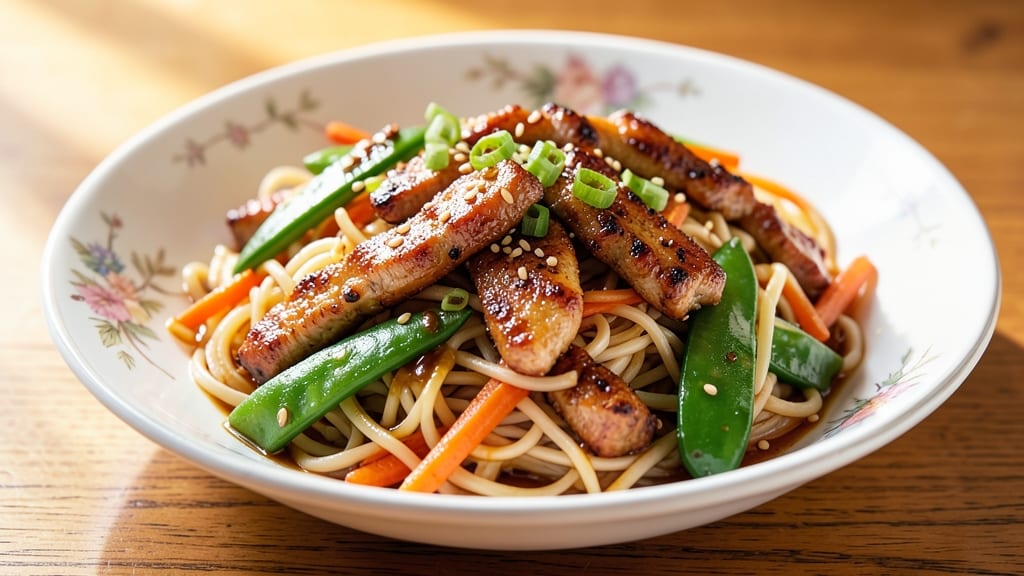
This chicken lo mein recipe with rice noodles delivers restaurant-quality wok-fired noodles with crispy edges and silky centers in just 20 minutes. 🔥 The secret lies in high-heat stir-frying and perfectly timed sauce reduction—techniques I perfected after years of testing (and a few burned batches).
My grandmother's handwritten notes about "wok hei" (breath of the wok) became my guiding principle for that signature smoky aroma.
The foundation is simple: tender chicken, chewy rice noodles, and a balanced sauce of soy, ginger, and garlic that's both savory and slightly sweet. We'll start with properly prepped noodles—soaking them just until pliable, never mushy—which is where most home cooks go wrong.
The chicken gets marinated in a light cornstarch slurry for that signature crispy texture that holds up through every bite.
What you'll end up with is a dish that looks as impressive as it tastes: golden-brown chicken pieces, glossy noodles with crispy edges, and a sauce that clings perfectly without overwhelming.
The aroma alone will have everyone gathering at the table, and the first bite delivers that perfect balance of textures—crunchy, silky, and tender all at once.
This recipe scales beautifully for weeknight dinners or dinner parties, and the technique works with shrimp or tofu just as well. The key is confidence in the wok—don't be afraid of high heat, and work quickly once everything hits the pan.
Let's make lo mein that rivals your favorite takeout spot.
Ingredients for chicken lo mein recipe with rice noodles
Restaurant-quality wok-fired noodles start with these 14 ingredients—simple but precise for that signature crunch and aroma.
| Ingredient | Amount | Notes |
|---|---|---|
| Rice Noodles 🍜 | 8 oz | Flat, medium-width style, dried |
| Boneless Chicken Breast 🍗 | 1 ½ lb | Cut into 1-inch strips, pounded thin |
| Cornstarch 🌾 | 2 tbsp | For crispy chicken coating |
| Vegetable Oil 🫒 | ½ cup | High smoke point for wok-frying |
| Soy Sauce 🥄 | ½ cup | Light or all-purpose variety |
| Oyster Sauce 🍜 | 2 tbsp | For umami depth (vegetarian sub: hoisin) |
| Sesame Oil 🫒 | 1 tbsp | Toasted, for aroma (not cooking) |
| Fresh Ginger 🧄 | 2 tbsp | Finely minced, peeled |
| Garlic Cloves 🧄 | 6 cloves | Minced, fresh preferred |
| Green Onions 🧅 | 3 whole | Sliced, white and green parts |
| Sugar 🍚 | 1 tbsp | White or brown, for balance |
| White Pepper 🌶️ | ½ tsp | Freshly cracked, not ground |
| Salt 🧂 | 1 tsp | Kosher or sea salt |
| Lime 🍋 | 1 whole | Juiced, for brightness |
The rice noodles are non-negotiable here. King Noodle or Thai Kitchen brands (the flat, medium-width kind) soak perfectly without turning mushy. If you can't find them, egg noodles in a pinch, but they won't have the same texture. Chicken breast cuts into even strips—pound the thickest pieces to 1/4-inch thickness—so they cook uniformly. For the sauce, Kikkoman soy sauce is my go-to, but any light variety works. The oyster sauce adds depth—if you're vegetarian, hoisin sauce at double the amount mimics that umami punch. Fresh ginger and garlic? Buy them whole and grate/mince yourself—pre-minced loses flavor fast.
No sesame oil? Toasted peanut oil at half the amount works, though the flavor will differ slightly. Short on green onions? Scallions or chives go just as well. The sugar balances the soy—brown sugar adds subtle molasses notes if you're feeling fancy. White pepper is key for that classic lo mein aroma (black pepper would overpower). For the cornstarch slurry, mix 1 tbsp cornstarch with 2 tbsp cold water per pound of chicken—this is what creates those crispy edges. And the lime? Freshly juiced makes all the difference—bottled juice tastes flat in comparison.
Prepped noodles soak in cold water for 15-20 minutes—they should be pliable but still hold their shape. Chicken strips marinate in the cornstarch slurry for 10 minutes before cooking. The sauce can be made 1 day ahead and stored in the fridge; just reheat gently. Leftovers keep for 3 days in the fridge, but the noodles get soggy if reheated with sauce—store sauce and noodles separately. For extra crunch, toast the noodles in a dry wok for 30 seconds before adding sauce.
Why You'll Love This Recipe
- No-Chop Nightmare: I swear by this one—just slice the chicken thin, toss it in cornstarch, and the oil does the rest. No dicing, no mincing, no stress. That soy sauce marinade while it cooks? Flavor without the fuss.
- Soy-Sauce Magic: The secret’s in the sauce—deep, salty, and just a little umami from that soy. The rice noodles soak up every drop, turning limp strands into something chewy and ridiculously satisfying. (Yes, even my picky husband asks for seconds.)
- Lunchbox Hero: Between us, this is my go-to for meal prep. Toss leftover lo mein into containers, pack it with a sprinkle of green onions, and boom—lunch for three days. Cold or reheated, it’s still the star of the show.
- Budget Win: Chicken breast + rice noodles = cheap, filling, and no guilt. I stretch a single breast into two meals, and the cornstarch keeps it tender without breaking the bank. Dinner for four, under $15. Done.
Step-by-step instructions for wok-fried chicken lo mein
Here's how to make restaurant-quality chicken lo mein with crispy chicken and perfectly silky noodles.
🍳 Step 1: Prep the Chicken and Noodles
Start by cutting the 1.5 lb boneless chicken breast into 1-inch strips and pounding them to an even ¼-inch thickness between two sheets of plastic wrap. This ensures they cook quickly and evenly. Place the pounded chicken in a bowl and toss with 2 tbsp cornstarch, coating each piece lightly. Set aside.
While the chicken preps, soak the 8 oz rice noodles in warm water for 10-15 minutes until pliable but still slightly firm to the bite. Drain and rinse briefly under cold water to stop the cooking process—this prevents mushy noodles. Toss the noodles with 1 tbsp sesame oil to keep them from sticking.
🔥 Step 2: Wok-Fry the Chicken Until Crispy
Heat 0.5 cup vegetable oil in a wok or large skillet over high heat until shimmering. Add the cornstarch-coated chicken in a single layer and let it sear undisturbed for 1-2 minutes until the edges turn golden brown. Flip and cook another 1-2 minutes until the chicken reaches 165°F internally and is fully cooked. Remove and set aside.
Here's the thing—don't overcrowd the pan. If you need to cook in batches, that's fine, but keep the heat high and the chicken moving. The goal is crispy chicken, not steamed. If the oil smokes excessively, reduce heat slightly to maintain control.
🍳 Step 3: Build the Flavorful Sauce
In the same wok, reduce heat to medium-high and add 2 tbsp minced fresh ginger and 6 cloves minced garlic. Stir-fry for 30 seconds until fragrant—this unlocks their full flavor. Pour in 0.5 cup soy sauce, 2 tbsp oyster sauce, 1 tbsp sugar, and 0.5 tsp white pepper. Let the sauce simmer for 1 minute until slightly thickened.
Add the drained rice noodles and toss vigorously for 2 minutes until they're evenly coated and heated through. The noodles should be tender but still hold their shape. If they stick, add a splash of water and keep tossing. This is where the magic happens—the sauce clings to every strand.
🥘 Step 4: Combine and Finish
Return the crispy chicken to the wok and toss everything together for 1-2 minutes until the chicken is heated through and the noodles are fully coated in the sauce. The chicken should look glistening but still retain its crispy texture—this means you've nailed the timing.
Finish with 3 whole sliced green onions (white and green parts) and the juice of 1 whole lime. Taste and adjust seasoning—you might need a touch more soy sauce for saltiness or lime for brightness. The sauce should balance salty, sweet, and tangy with a hint of peppery heat.
🍽️ Step 5: Serve Immediately
Transfer the lo mein to serving plates and garnish with extra green onion slices. Serve family-style with chopsticks and a small bowl of extra sauce on the side. The noodles should be silky, the chicken crispy yet tender, and the sauce perfectly clinging to every bite.
Pro tip: If making ahead, assemble the dish without the lime juice and refrigerate. Reheat gently with a splash of water, then finish with fresh lime juice and garnishes. The flavors will only improve after resting!
Pro Tips For Making Chicken Lo Mein Recipe With Rice Noodles
- Prep Chicken Thin: Slice your boneless chicken breast against the grain into ¼-inch strips—thinner than you think. I used to cut them like steak, and they’d turn rubbery; now they cook fast and stay juicy.
- Soak Noodles Cold: Use ice water for the noodles—it stops them from overcooking while you finish the stir-fry. Drain just before tossing, or they’ll turn mushy (yes, even if you’re impatient like me).
- Toss Cornstarch Early: Mix the chicken strips with cornstarch before cooking, not after—it creates a better crust. Skip this, and you’ll end up with dry, clumpy bits instead of that glossy, tender texture.
- Start Wok Hot: Heat your pan or wok until a drop of water sizzles instantly—this sears the chicken in seconds and locks in flavor. I learned this the hard way after greasy, undercooked chicken ruined three lo mein nights.
Make-ahead tips for this chicken lo mein recipe with rice noodles
Noodle Prep Ahead
Soak your 8 oz rice noodles in warm water for 15 minutes the night before, then drain and store in an airtight container with a damp paper towel. This keeps them pliable and ready to stir-fry without over-soaking.
I like to add 1 tsp sesame oil to the container to prevent sticking—trust me, this saves you from a noodle disaster later. 🍜
Sauce Prep Strategy
Make the sauce 1-2 days ahead and store it in a sealed jar in the fridge. The flavors meld beautifully overnight, and it reheats perfectly in 30 seconds on the stove.
Just give it a quick stir before using—sometimes it separates slightly, but a splash of water brings it back together. I keep mine in a small mason jar for easy transport to the wok.
Chicken Prep Shortcut
Cut and pound your chicken 6-8 hours ahead and store it in the fridge with 1 tbsp cornstarch in a resealable bag. When ready to cook, just toss it with the remaining 1 tbsp cornstarch and let it sit at room temperature for 10 minutes before frying.
This gives you more time to focus on the sauce and noodles when you're ready to cook. 🍗
Make-Ahead Assembly
For a complete meal-prep solution, cook the chicken and noodles separately, then store them in airtight containers. Reheat the chicken in a dry wok for 2 minutes until crispy, then toss with freshly cooked noodles and warmed sauce.
The key is reheating the noodles with just a splash of water—this keeps them silky, not soggy. I often make double portions and freeze half for quick weeknight dinners.
Freezer-Friendly Components
You can freeze the sauce for up to 3 months with no quality loss, but the noodles and chicken don't freeze well together. Freeze cooked chicken separately in a single layer before transferring to a bag, and store noodles in a sealed container with parchment paper between layers.
When ready to serve, reheat chicken in a skillet, then toss with fresh noodles and sauce. The texture won't be perfect, but it's still delicious. ❄️
Weeknight Hack
Prep everything except the final assembly the night before: marinate the chicken, soak the noodles, and make the sauce. In the morning, just reheat the sauce, toss with fresh noodles, and stir-fry the chicken. This cuts your cooking time to 10 minutes on busy weeknights.
I keep all components in individual containers in the fridge for easy grab-and-go cooking. The only thing you'll do in the morning is assemble—no prep required! 💪
Nutrition facts
Frequently asked questions
Can I use egg noodles instead of rice noodles?
Egg noodles will work in a pinch, but they won't have the same delicate texture. For authentic results, stick with flat rice noodles like King Noodle or Thai Kitchen brands. If you must substitute, use 1/4-inch thick egg noodles and reduce the soaking time to 5 minutes—they cook much faster. The sauce will still cling, but the dish won't have that signature silky mouthfeel.
Why does my chicken turn out rubbery instead of crispy? Rubbery chicken usually means overcooking or uneven thickness. Pound your chicken strips to exactly 1/4-inch thickness and cook in a single layer over high heat for no more than 2 minutes per side. The cornstarch slurry (1 tbsp cornstarch + 2 tbsp water per pound) creates crispiness—
How do I get the sauce to cling better to the noodles?
Sauce adhesion comes down to timing and technique. Toss the noodles in the sauce for 2 minutes over medium-high heat until they're fully coated. If they stick, add 1-2 tablespoons water and keep tossing vigorously. The secret weapon? Undercook the noodles slightly by 1 minute during soaking—they'll finish cooking in the hot wok and absorb sauce better. Also, make sure your wok is clean and dry before starting.
Can I make this vegetarian or with shrimp?
For shrimp, use 1 lb large shrimp peeled and deveined, patted dry, and tossed with 1 tbsp cornstarch. Cook them 1-2 minutes per side until pink. For vegetarian, swap chicken for 1 lb firm tofu pressed, cubed, and pan-fried until crispy. Use 2 tbsp hoisin sauce instead of oyster sauce for umami. The cooking times and methods remain the same—just adjust protein to your preference!
What's the best way to reheat leftovers?
Reheat noodles and chicken separately for best texture. Toss noodles with 1 tsp sesame oil and a splash of water in a dry skillet over medium heat for 2-3 minutes until warmed through. Reheat chicken in the same pan for 1-2 minutes until crispy again. Combine with warmed sauce and finish with fresh lime juice. Never microwave with sauce—it makes noodles soggy. For extra crunch, toast noodles in a dry wok for 30 seconds before adding sauce.