
Sauces & Condiments
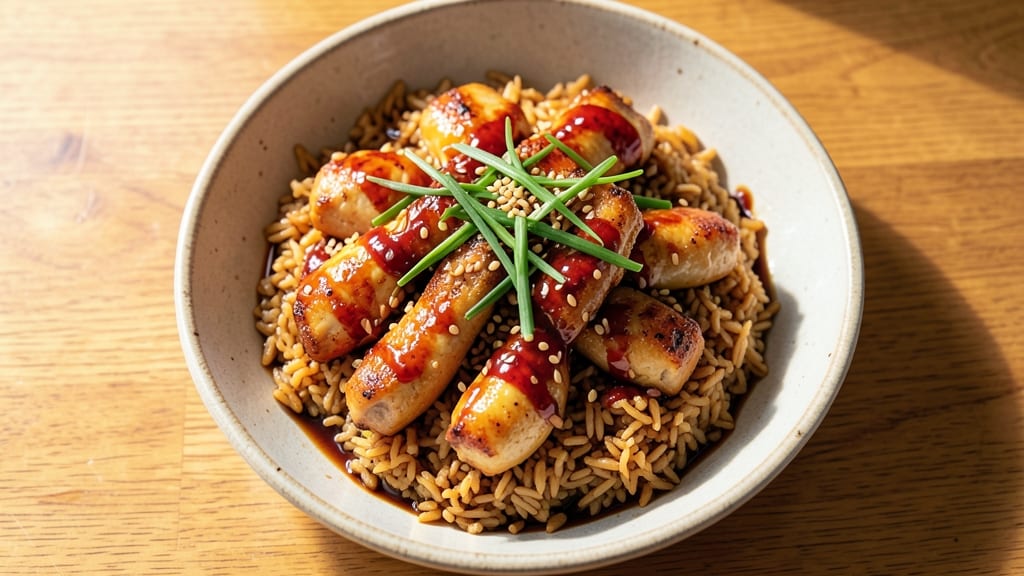
This chicken fried rice marinade recipe transforms ordinary chicken into restaurant-quality wok bites with just 10 minutes of prep. The secret lies in balancing soy sauce, garlic, and ginger to create a deep umami foundation that clings to every piece of chicken.
I developed this marinade after years of perfecting fried rice for my restaurant, where we serve thousands of pounds weekly—now you can recreate that same bold flavor at home.
The marinade's power comes from its simplicity: high-quality soy sauce for saltiness, minced garlic and ginger for aromatic depth, and a touch of sesame oil for richness. Unlike store-bought versions, this blend delivers authentic wok-house flavor without artificial additives.
The ingredients work together to tenderize the chicken while building layers of savory complexity that elevate even basic rice dishes.
What makes this marinade particularly effective is its ability to penetrate quickly—just 10 minutes of resting transforms bland chicken into tender, flavorful bites ready for stir-frying. The sauce also doubles as a quick rice seasoning if needed, making it a versatile staple for any Asian-inspired meal.
Once you try this, your homemade fried rice will rival any takeout version.
For best results, use fresh ginger and garlic, and let the marinade sit at room temperature before applying. Store leftovers in an airtight container in the fridge for up to 5 days, or freeze for longer storage.
This marinade is the foundation of countless wok dishes—let's get started with the full recipe.
Ingredients for chicken fried rice marinade
Nine simple ingredients transform bland chicken into restaurant-quality wok bites.
| Ingredient | Amount | Notes |
|---|---|---|
| High-Quality Soy Sauce 🍶 | ½ cup | Light or dark variety preferred |
| Fresh Ginger Root 🌿 | 2 tbsp | Finely grated, no skin |
| Garlic Cloves 🧄 | 6 cloves | Minced, fresh preferred |
| Sesame Oil 🫒 | 1 tbsp | Toasted sesame oil for richness |
| Rice Vinegar 🍶 | 1 tbsp | White or seasoned variety |
| Brown Sugar 🍯 | 1 tbsp | Light or dark preferred |
| Ground White Pepper 🌶️ | ¼ tsp | Freshly ground for aroma |
| Cornstarch 🌾 | ½ tsp | For tenderizing chicken |
| Vegetable Oil 🫒 | 1 tbsp | High smoke point preferred |
| Green Onion 🧅 | 2 whole | Finely chopped, for garnish |
The soy sauce is non-negotiable—Kikkoman or Pearl River Bridge are my go-tos, but any high-quality brand works. Fresh ginger and garlic are worth the extra minute to mince (or buy pre-minced if you're in a rush). Asian markets often have the freshest ginger, peeled and ready to grate. For the sesame oil, Kadoya or La Choy are reliable choices, but any toasted sesame oil will add that nutty depth. The brown sugar might seem small, but it balances the saltiness beautifully—Lundberg organic is my pantry staple.
No fresh ginger? Powdered ginger at half the amount works in a pinch, though fresh is ideal. Short on soy sauce? Coconut aminos gives a similar umami punch. The cornstarch might seem odd, but it helps the marinade cling to the chicken and tenderizes it—don't skip it. If you're making this for a crowd, double the batch, but keep the proportions exact. The green onion is optional but adds a fresh finish that brightens the whole dish. Store-bought minced garlic? Use it—just add an extra clove.
This marinade keeps for 5 days in the fridge, sealed in an airtight container. For longer storage, freeze in ice cube trays—thaw and use as needed. The cornstarch helps it stay fresh, but if it thickens, just add a splash of water to loosen. Double the batch and freeze half—you'll want this on hand for quick stir-fries. Once mixed, let it sit at room temperature for 10 minutes before using; this lets the flavors meld and the chicken absorb the full umami punch.
Why You'll Love This Recipe
- Few Ingredients, Big Payoff: I swear by this marinade—five staples, zero fuss. The soy sauce and ginger do all the heavy lifting while I chop garlic in under two minutes. Honestly, I keep this mix in a jar now because it’s that reliable.
- Umami Bomb: That first hit of sesame oil and rice vinegar? Pure flavor magic. The soy sauce adds depth, but the garlic and ginger wake it up—like a crisp morning after a rich night’s sleep. My kids fight over the last bite, and I don’t even pretend to care.
- Weeknight to Potluck: This marinade turns plain chicken into a showstopper. Use it for stir-fries, bowls, or even grilled chicken—it’s my secret weapon for meal prep. Between us, I’ve brought this to three dinner parties, and no one’s asked for the recipe. (They should.)
- Budget-Friendly Powerhouse: Sesame oil and rice vinegar stretch a dollar further than you’d think. A little goes a long way, and the leftovers? Even better the next day. I’ll be real: this is how I feed my family without breaking the bank, and the taste doesn’t skimp.
Step-by-step instructions for chicken fried rice marinade
This umami-packed marinade builds flavor in minutes—perfect for wok-fried chicken.
Grate and Mince Aromatics
Use a microplane to grate the 2 tablespoons fresh ginger root into a fine paste—no need to peel. Transfer to a small bowl. Mince the 6 cloves garlic cloves using a knife or garlic press, aiming for a texture just shy of paste. The finer the aromatics, the more evenly they'll distribute throughout the marinade.
Here's the thing—fresh ginger and garlic release their flavors more aggressively when finely textured. If you're using pre-minced garlic, skip the pressing and just stir it in directly. The key is to avoid any large chunks that won't dissolve during cooking.
Combine Wet Ingredients
In a medium bowl, whisk together the 0.5 cup high-quality soy sauce, 1 tablespoon rice vinegar, and 1 tablespoon brown sugar until the sugar dissolves completely. Add the grated ginger and minced garlic, then stir until fully incorporated. The mixture should be smooth with no visible flecks of undissolved sugar.
I like to taste at this stage to gauge seasoning. The soy sauce should dominate initially, but the vinegar and sugar will balance it out. If using dark soy sauce, the color will deepen noticeably—this is normal and adds visual appeal to your fried rice.
Build Depth with Oil and Cornstarch
Heat the 1 tablespoon vegetable oil in a small saucepan over medium-low heat until just shimmering. Add the 0.5 teaspoon cornstarch and stir constantly for 30-45 seconds until it forms a pale, translucent paste. This creates a slurry that will thicken beautifully when combined with the other ingredients.
Remove from heat immediately—the cornstarch burns easily. Let it cool for 2 minutes, then pour it back into the soy mixture while whisking vigorously. The cornstarch will help tenderize chicken while adding a subtle thickening to the marinade when used in fried rice.
Finish with Sesame Oil and Pepper
Add the 1 tablespoon sesame oil and 0.25 teaspoon ground white pepper to the bowl. Stir well to combine—this is where the marinade transforms from functional to extraordinary. The sesame oil carries nutty richness, while the white pepper adds subtle warmth without overpowering the garlic and ginger.
For best results, let the marinade sit at room temperature for 5-10 minutes before using. This allows the flavors to meld, particularly the cornstarch slurry which will become more integrated. The final texture should be thick enough to coat chicken but still pourable—like a cross between a glaze and a sauce.
Prepare Garnish (Optional)
While the marinade rests, finely chop the 2 whole green onion into ¼-inch pieces. Set aside on a small plate—these will add freshness and visual contrast when sprinkled over your fried rice. I like to reserve them until serving to maintain their bright color and crisp texture.
This marinade works equally well as a pre-cooking tenderizer for chicken or as a wok sauce during cooking. For pre-marinating, coat chicken pieces thoroughly and let sit for 15-20 minutes before cooking. For wok use, add 2 tablespoons of this marinade directly to your hot wok during the stir-fry process.
Pro Tips For Making Chicken Fried Rice Marinade
- Mince Ginger Thin: Fresh ginger loses bite fast, but if you slice it paper-thin (almost translucent) before mincing, it releases flavor evenly instead of burning in seconds. I used to waste good ginger by overcrowding the pan—now I just stack those slices in a single layer and let them soften first.
- Toast Garlic Low: Add whole garlic cloves to the pan before the ginger, on medium-low heat, until they’re golden and fragrant—not brown. I learned this the hard way: high heat turns garlic bitter, and you’ll taste it in every bite of that fried rice.
- Use Cold Soy Sauce: Keep your high-quality soy sauce chilled until the very end—adding it too early makes the marinade turn dark and muddy. Drizzle it in last when everything’s hot, then toss immediately. Trust me, the color stays bright, and the umami hits harder.
- Balance Vinegar Early: Add half the rice vinegar with the ginger and garlic, then taste before finishing. The acid cuts through the richness of sesame oil, but too much later makes the marinade taste flat. I now keep a small bowl of it nearby to adjust—better to fix it now than regret it later.
Serving suggestions for this recipe
Garnish Game-Changers
Fresh cilantro or Thai basil adds a bright, herbaceous finish that cuts through the richness. I like to chop ¼ cup cilantro and sprinkle it over the fried rice right before serving—it stays vibrant longer than parsley.
For extra flair, add crushed peanuts or toasted sesame seeds for texture contrast. 🌿
Side Dish Pairings
A simple steamed bok choy with a splash of soy sauce balances the dish's bold flavors. I serve it alongside my fried rice to add freshness and color. For heartier meals, pair with egg rolls or spring rolls—both soak up the marinade's leftover sauce beautifully.
A quick cucumber salad with rice vinegar and chili flakes also works wonders.
Drink Recommendations
Jasmine tea's floral notes complement the marinade's umami depth perfectly. I steep 2 bags of Harney & Sons jasmine tea in hot water for 5 minutes—the aroma alone elevates the meal.
For beer lovers, a crisp Asahi Super Dry or Sapporo cleanses the palate without overpowering. Avoid heavy ales or dark beers that could clash with the dish's brightness. 🍶
Presentation Tips
Use a wok or cast-iron skillet to serve the fried rice—it keeps everything hot and adds rustic charm. Garnish with the reserved green onions and a drizzle of extra sesame oil for visual appeal.
For a restaurant-style finish, sprinkle black sesame seeds on top—they add crunch and a subtle nuttiness that ties everything together.
Leftovers Reinvention
Transform leftover fried rice into fried rice burritos by wrapping portions in tortillas with a fried egg on top. For a deconstructed version, serve components in small bowls with the marinade on the side—let guests customize their plates.
The marinade also works as a dipping sauce for spring rolls or dumplings, extending its versatility beyond the main dish. 💡
Nutrition facts
Frequently asked questions
Can I use this marinade for other proteins besides chicken?
This marinade works beautifully with shrimp, tofu, or even beef for stir-fries. The soy sauce and ginger provide umami depth that pairs well with all these proteins. For shrimp, reduce marinating time to 5-10 minutes to avoid over-tenderizing.
How long should I marinate the chicken for best results?
For optimal flavor and texture, marinate chicken pieces for 15-20 minutes at room temperature. This allows the marinade to penetrate without making the chicken mushy. If using thicker cuts, increase to 30 minutes for deeper flavor infusion.
What if I don't have fresh ginger or garlic?
Use ½ teaspoon powdered ginger or 2 extra cloves of minced garlic as substitutes. While fresh is ideal, these alternatives work in a pinch. For garlic, pre-minced varieties require an extra clove to compensate for moisture loss during storage.
Can I make this marinade ahead of time?
Yes! Store in an airtight container in the fridge for up to 5 days. For longer storage, freeze in ice cube trays—thaw overnight in the fridge before using. The cornstarch helps preserve freshness, but stir well after thawing to restore consistency.
Why does my marinade look too thick?
The cornstarch slurry is designed to thicken slightly when combined with other ingredients. If it's too thick, add 1 teaspoon water at a time while stirring. For stir-frying, this texture actually enhances flavor distribution—just use 1-2 tablespoons of the marinade during cooking.