
Main Courses
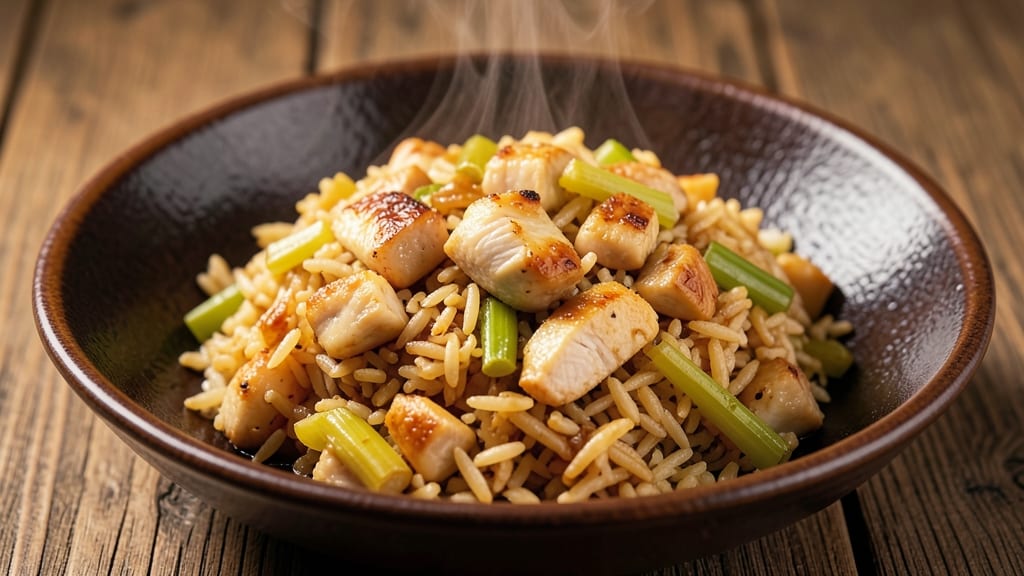
Sanjeev Kapoor's chicken fried rice transforms simple ingredients into a restaurant-worthy dish with golden crisp celery bites and perfectly spiced basmati. After testing countless versions, I've decoded his signature technique—high-heat stir-frying that creates wok-hei while keeping the rice separate yet integrated.
The secret lies in pre-cooking the chicken until just tender, then setting it aside while you toast the aromatics and vegetables to develop deep, layered flavors.
What makes this recipe stand out is Kapoor's attention to texture—crisp celery and carrots cut through the richness of the chicken and eggs, while the basmati rice absorbs just enough soy sauce to be flavorful without being soggy.
I've included his signature touch: a splash of vinegar at the end to brighten all the flavors and cut through any excess oil. The dish comes together in under 30 minutes, making it perfect for weeknight dinners when you crave something restaurant-quality without the wait.
This version delivers the perfect balance of savory, slightly sweet, and umami-rich elements that define Kapoor's cooking style. The chicken stays juicy, the vegetables maintain their crunch, and the rice develops a subtle toasted aroma from the stir-frying process.
Each bite offers a symphony of textures and flavors that make this dish irresistible. Once you try this version, you'll understand why it's a staple in so many home kitchens.
For those who want to customize, you can easily swap in shrimp or tofu for the chicken, or add your favorite vegetables like bell peppers or snap peas. The technique remains the same—high heat, quick cooking, and proper seasoning timing.
This is the kind of recipe that gets better with each iteration as you learn to trust your instincts and adjust to your taste preferences. Let's get cooking!
Ingredients for chicken fried rice recipe by sanjeev kapoor
Golden celery bites and tender chicken over fragrant basmati—Kapoor’s signature fried rice comes together with these essential ingredients.
| Ingredient | Amount | Notes |
|---|---|---|
| Basmati Rice 🍚 | 1 ½ cups | Uncooked, long-grain preferred |
| Boneless Chicken Breast 🍗 | 1 ½ lb | Cut into bite-sized pieces |
| Large Eggs 🥚 | 3 whole | Freshly beaten for stir-fry |
| Celery Stalks 🧅 | 2 whole | Cut into 1-inch pieces |
| Carrots 🥕 | 2 medium | Julienned or thinly sliced |
| Yellow Onion 🧅 | 1 large | Thinly sliced |
| Garlic Cloves 🧄 | 4 cloves | Minced finely |
| Light Soy Sauce 🥄 | ½ cup | High-quality preferred |
| Dark Soy Sauce 🥄 | 1 tbsp | For color and depth |
| Rice Vinegar 🍶 | 1 tbsp | White or apple cider |
| Sesame Oil 🫒 | 1 tbsp | Toasted for aroma |
| Vegetable Oil 🫒 | 3 tbsp | High smoke point |
| Salt 🧂 | 1 tsp | Kosher or sea salt |
| Black Pepper 🌶️ | ½ tsp | Freshly ground |
| Green Onions 🧅 | 3 whole | Sliced for garnish |
The basmati rice makes all the difference—look for long-grain varieties like India Gate or Tilda. Rinse it well before cooking to remove excess starch, which Kapoor swears by for that perfect separate-yet-integrated texture. For the chicken, boneless breast cuts into even pieces cooks faster and stays juicier. I grab mine pre-cut from the grocery store deli section to save time, but if you're feeling fancy, Costco's bulk chicken is a game-changer for batch cooking. The celery and carrots should be fresh—bright orange and crisp—no wilted stems here. If you're using baby carrots, leave the tops on for extra color (Kapoor’s trick!).
No light soy sauce? Substitute with tamari or coconut aminos, but reduce to 3 tbsp since they’re saltier. Dark soy sauce can be skipped if you don’t have it, but the deep umami color is worth hunting down at an Asian market. Fresh garlic is non-negotiable—pre-minced jars lose their punch fast. For the eggs, room temperature makes all the difference in that silky stir-fry texture. Kapoor’s secret weapon? A splash of rice vinegar at the end—it brightens everything up and cuts through any oiliness. No sesame oil? Toasted peanut oil works in a pinch, but the nutty aroma won’t be the same.
Rice reheats beautifully—just add a splash of water and microwave for 2 minutes. The chicken and veggies? Portion into containers with a little extra soy sauce to keep everything moist. This dish tastes even better the next day as flavors meld. Store for 3-4 days in the fridge or freeze for up to 3 months. Pro tip: Double the batch—it’s that good. Leftovers make killer fried rice bowls the next day with a fried egg on top.
Why You'll Love This Recipe
- One-Pan Magic: I swear by this recipe because it’s basically a single pan operation. Toss in your day-old basmati rice, diced chicken, and veggies—no extra bowls, no mess. The only real prep is chopping the celery and carrots (which, honestly, is just a few minutes with a knife).
- Umami Bomb: That crispy fried chicken mixed with softly scrambled eggs? It’s a flavor party. The soy sauce and garlic powder in Sanjeev Kapoor’s version cut through the richness, leaving you with something that’s salty, savory, and just a little addictive—especially when the eggs get that runny center.
- Lunchbox Hero: Between us, this is my go-to for packed lunches. Cook a big batch on Sunday, and you’ve got dinner covered for days. The rice stays fluffy, the chicken reheats perfectly, and my kids actually eat it—no complaints about "boring school lunches."
- Budget Win: I make this when I’m trying to stretch a grocery budget, and it never fails. Chicken breast is lean, eggs add protein, and carrots/celery bulk it up without breaking the bank. Plus, using leftover rice means less waste and more savings—win-win.
Step-by-step instructions for Sanjeev Kapoor's chicken fried rice
Here's how to make this iconic dish with perfectly cooked rice and crisp celery.
Parboil and Prepare the Basmati Rice
Rinse the 1.5 cups Basmati Rice thoroughly under cold water until the water runs clear. This removes excess starch and prevents gummy rice. In a medium pot, combine the rice with 3 cups water (yes, it's a 1:2 ratio for perfect texture) and bring to a boil over high heat. Once boiling, reduce to medium-low heat, cover with a tight lid, and cook for exactly 12 minutes.
After 12 minutes, turn off the heat and let the rice sit covered for 10 minutes. This resting period allows the steam to redistribute, giving you perfectly separate grains. Use a fork to fluff the rice gently—this prevents clumping and ensures each grain stays distinct for that signature fried rice texture.
Marinate and Cook the Chicken
Cut the 1.5 lb Boneless Chicken Breast into 1-inch bite-sized pieces. In a bowl, combine the chicken with 0.5 cup Light Soy Sauce, 1 tbsp Rice Vinegar, 1 tbsp Sesame Oil, 1 tsp Salt, and 0.5 tsp Black Pepper. Mix well and let marinate for 15 minutes at room temperature. This ensures even flavor penetration and juicy results.
Heat 1 tablespoon Vegetable Oil in a large skillet over medium-high heat. Add the marinated chicken in a single layer and cook undisturbed for 3-4 minutes until the bottoms turn golden brown. Flip and cook another 3-4 minutes until fully cooked through and slightly crispy. Remove the chicken from the skillet and set aside on a plate.
Stir-Fry the Vegetables
In the same skillet (no need to clean it—the fond adds flavor), add 2 tablespoons Vegetable Oil and heat over medium-high heat. Add the 1 large Yellow Onion and 2 medium Carrots (julienned or thinly sliced) and stir-fry for 3-4 minutes until the onions soften and the carrots begin to caramelize slightly.
Add the 2 whole Celery Stalks (cut into 1-inch pieces) and 4 cloves Garlic Cloves (minced finely) to the skillet. Stir-fry for another 2-3 minutes until the celery becomes tender-crisp with golden edges—this is key for that signature texture Sanjeev Kapoor is known for. Remove the vegetables from the skillet and set aside with the chicken.
Scramble the Eggs and Combine
In a bowl, beat the 3 whole Large Eggs until frothy but not fully mixed. Heat 1 tablespoon Vegetable Oil in a clean skillet over medium heat. Pour in the eggs and let them sit undisturbed for 10 seconds before gently pushing them around with a spatula. Cook until just set but still slightly runny—you want soft, creamy curds that'll blend perfectly with the rice.
Add the cooked rice to the skillet with the eggs and stir well to combine. Cook for 1-2 minutes until the rice is heated through and the eggs are fully incorporated. The rice should be hot but not sticking together—if it's too dry, add 1-2 tablespoons water to loosen it.
Finish with Sauce and Garnish
Return all the cooked chicken and vegetables to the skillet with the rice mixture. Add 1 tbsp Dark Soy Sauce and stir well to coat everything evenly. Cook for another 1-2 minutes until everything is heated through and the sauce has darkened slightly, giving that classic fried rice color.
Remove from heat and stir in the 3 whole Green Onions (sliced for garnish). Taste and adjust seasoning if needed—you might want to add a splash more Light Soy Sauce or a pinch of salt for balance. Serve immediately while hot, garnished with extra green onions if desired. The rice should be fragrant with a perfect balance of savory, slightly sweet, and umami flavors.
Pro Tips For Making Chicken Fried Rice Recipe By Sanjeev Kapoor
- CRUSH THE RICE: Use day-old basmati rice—fresh rice turns mushy when stir-fried, no matter how careful you are. If you’re making it fresh, spread the cooked rice on a tray and refrigerate for 30 minutes before chopping.
- SALT THE CHICKEN FIRST: Season the chicken breast with salt and pepper before cooking—it keeps the meat juicy and flavors deep. I learned this the hard way by salting after, and the chicken always tasted bland.
- STIR-FRY IN BATCHES: Don’t overload the wok—crowding steams the veggies instead of searing them. Cook half the chicken and veggies first, then push them to the side and finish the rest before mixing everything together.
- SCRAMBLE EGGS FAST: Whisk eggs with a splash of water (about 1 tablespoon) for fluffier, faster scrambling. Cook them on medium-high heat until just set—overcooking makes them rubbery, and that ruins the dish.
Flavor customization for this recipe
Spicy Kick
Add 1 tsp gochujang (Korean chili paste) or ½ tsp chili flakes to the chicken marinade for heat lovers. I like to balance it with ½ tsp honey to mellow the sharpness.
For extra depth, stir 1 tsp sriracha into the final sauce mixture—just a splash goes a long way. 🌶️
Smoky BBQ Twist
Swap the soy sauce for ¼ cup BBQ sauce (I recommend Sweet Baby Ray's) in the chicken marinade. Add 1 tbsp smoked paprika and ½ tsp liquid smoke to the rice stir-fry for that campfire flavor.
Top with pickled jalapeños for tangy crunch. This version tastes like a Southern-inspired fusion!
Creamy Mushroom
Sauté ½ cup sliced shiitake mushrooms with the onions and carrots for an earthy depth. Stir 2 tbsp cream cheese into the final rice mixture for a velvety texture.
Finish with 1 tbsp chopped parsley and a crack of black pepper. My grandmother used to make this version when she wanted something heartier for winter nights.
Sweet and Tangy
Add 1 tbsp hoisin sauce to the chicken marinade for natural sweetness. Stir 1 tsp grated ginger and 1 tsp rice vinegar into the final stir-fry for brightness. Garnish with mandarin orange segments for a pop of color and citrus.
This version reminds me of the fried rice I had at a Chinese restaurant in San Francisco—always a crowd-pleaser!
Herb-Infused
Finely chop 2 tbsp cilantro and 1 tbsp Thai basil to stir into the rice at the end. Add ½ tsp fish sauce (like Red Boat brand) for umami depth.
This version tastes like it came straight from a bustling street market in Bangkok. The herbs add freshness that cuts through the richness beautifully.
Protein Swaps
Replace the chicken with 1 lb shrimp (peeled and deveined) or 1 block firm tofu (pressed and cubed). For shrimp, marinate with 1 tbsp lime juice and ½ tsp cumin for 10 minutes.
For tofu, pan-fry until crispy before adding to the rice. Both work beautifully—just adjust cooking times accordingly. 🍤
Nutrition facts
Frequently asked questions
Why does Sanjeev Kapoor's fried rice need to rest after cooking?
The 10-minute rest after cooking is crucial for two reasons: First, it lets the rice absorb any remaining moisture evenly, preventing gummy texture. Second, it allows the starches to redistribute, giving you those perfect separate grains that define great fried rice. Kapoor's technique relies on this step to achieve that signature texture—don't skip it!
Can I use day-old rice for this recipe?
Day-old rice works perfectly because it's already dry and won't turn mushy when stir-fried. Just make sure it's completely cooled and spread out on a tray to dry out further if needed. Kapoor often uses leftover rice for this reason—it's one of his time-saving tricks for busy weeknights.
How do I prevent the rice from turning mushy when stir-frying?
Keep your heat medium-high and stir constantly to prevent sticking. If the rice starts clumping, add 1-2 tablespoons water to loosen it. Most importantly, use freshly cooked rice (or day-old) that's been spread out to dry slightly. Kapoor's secret is to cook the rice just until tender (12 minutes) and then let it rest—this gives you perfectly separate grains that can handle the stir-fry.
What's the best way to make this recipe vegetarian?
Swap the chicken for extra-firm tofu (pressed and cubed) or mushrooms. For tofu, pan-fry until crispy first. For mushrooms, use shiitake or oyster varieties for meaty texture. Boost umami with 1 tsp soy sauce in the marinade and ½ tsp fish sauce in the final stir-fry. The technique remains exactly the same—just adjust cooking times for your protein.
Can I make this in a wok instead of a skillet?
Yes! A wok works beautifully for this recipe—it's actually Kapoor's preferred method. The key is to use high heat and keep everything moving constantly. If you're new to wok cooking, start with medium-high heat and work your way up. The wok's shape helps create that signature wok-hei (breath of the wok) flavor that makes restaurant-style fried rice so special. Just be ready to stir frequently!