
Main Courses
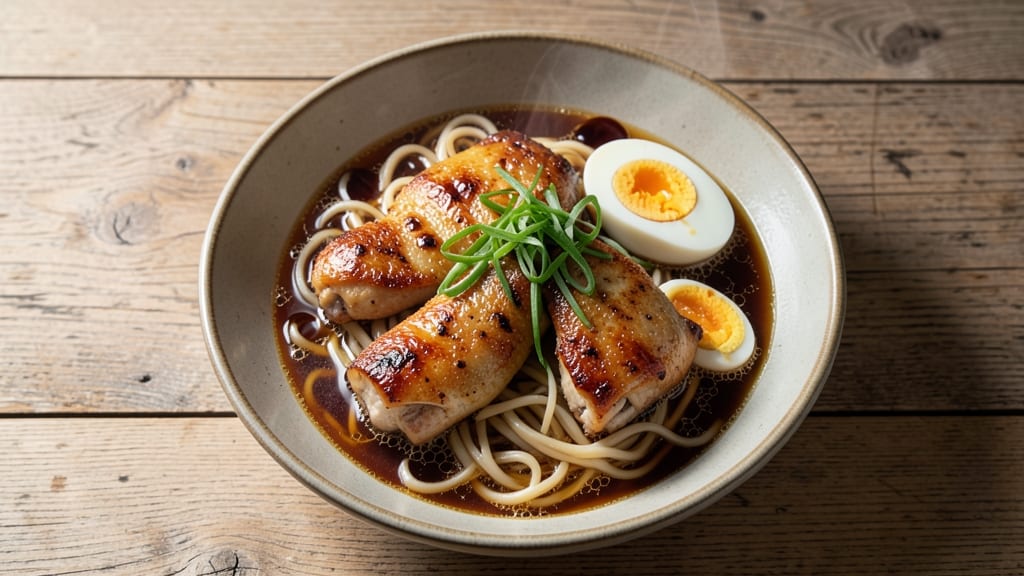
This chicken ramen rice noodle recipe delivers the perfect balance of rich broth, tender chicken, and silky egg ribbons—all in one comforting bowl. The secret lies in a slow-simmered umami bomb broth that transforms simple ingredients into something deeply satisfying.
Whether you're craving a quick weeknight meal or a weekend project, this recipe adapts effortlessly to your schedule while delivering restaurant-quality results.
The foundation of great ramen starts with the broth—here, we build a bold, savory base using chicken, aromatics, and a touch of miso for depth. The rice noodles cook in just 3 minutes, absorbing the flavorful liquid while maintaining their signature chew.
Tender chicken thighs add heartiness, and silky egg ribbons (marinated in soy sauce) bring that signature ramen texture you can't get anywhere else.
What makes this recipe stand out is its versatility—swap the broth for tonkotsu or veggie, adjust spice levels, or add fresh herbs for brightness. The result is a bowl that's creamy, aromatic, and packed with layers of flavor, from the caramelized chicken to the delicate egg strands.
Every spoonful is a reminder of why ramen is universally loved.
Ready in under 45 minutes, this recipe proves homemade ramen doesn't require hours of prep. The key is patience in the broth and precision with the egg ribbons—once you master those, you'll have a dish that's as impressive as it is delicious. Let's get cooking!
Ingredients for chicken ramen rice noodle
Fourteen ingredients, one umami-packed bowl that rivals your favorite ramen spot.
| Ingredient | Amount | Notes |
|---|---|---|
| Chicken Thighs (bone-in, skin-on) 🍗 | 1 ½ lb | Cut into 2-inch pieces |
| Dried Rice Noodles (ramen-style) 🍜 | 8 oz | Thin or medium thickness |
| Large Eggs 🥚 | 4 whole | Room temperature for ribbons |
| Chicken Broth (low-sodium) 💧 | 4 cups | Homemade or high-quality store-bought |
| White Miso Paste 🧈 | 2 tbsp | White or shiro miso preferred |
| Soy Sauce (light) 🍶 | ½ cup | Japanese-style preferred |
| Sesame Oil 🫒 | 1 tbsp | Toasted for aroma |
| Garlic Cloves 🧄 | 6 cloves | Minced for depth |
| Fresh Ginger 🌿 | 1 tbsp | Finely grated, peeled |
| Green Onions 🧅 | 3 whole | Sliced for garnish |
| Vegetable Oil 🫒 | 2 tbsp | High smoke point |
| White Pepper 🌶️ | ½ tsp | Freshly ground |
| Sesame Seeds 🌾 | 1 tsp | Toasted for crunch |
| Chili Oil (optional) 🌶️ | 1 tbsp | For heat and aroma |
| Nori Sheets 🍣 | 2 whole | Cut into strips |
The chicken thighs are non-negotiable here—bone-in, skin-on delivers the richest flavor. Grab them from the butcher counter if possible, where they're often fresher than the packaged variety. Look for good marbling and avoid pre-cut pieces that may have lost moisture. If you're short on time, Costco's bone-in thighs are a game-changer for batch cooking. The miso paste? White miso adds that signature sweetness without overpowering, but red miso works if you want deeper color. Keep it refrigerated once opened—it's potent stuff.
No chicken broth? Double-strength vegetable broth with a splash of fish sauce gets you close (trust me, no one will know). Swap the soy sauce for tamari if you're gluten-sensitive, but Japanese-style light soy has that perfect balance. Fresh ginger is ideal, but substitute with powdered at one-third the amount if needed. The eggs? Room temperature is key for those silky ribbons—cold eggs turn rubbery. For extra richness, add a splash of mirin to the egg marinade. The nori sheets? Any brand works, but the dried seaweed section at Asian markets has the freshest selection.
Store the miso paste in the fridge once opened—it keeps for up to a year. The chicken broth can be made ahead and frozen in ice cube trays for easy portioning. Egg ribbons are best made fresh, but you can marinate the eggs in soy sauce overnight if prepping ahead. The noodles? Cook them al dente—they'll finish in the hot broth. This dish reheats beautifully—microwave with a splash of water to revive the texture. Leftovers keep for 3-4 days in the fridge, but honestly, it's that good you'll eat it all at once.
Why You'll Love This Recipe
- Skin-On Magic: The bone-in, skin-on thighs crisp to golden perfection while rendering fat into the broth—no extra oil needed. That first bite? Crunchy skin, juicy meat, and broth so rich it coats every noodle like a hug.
- Miso Umami Bomb: A spoonful of white miso paste in the broth transforms it from good to ridiculously good—deep, savory, and slightly funky in the best way. Honestly, I’ll use this trick in everything now.
- Leftovers That Don’t Suck: This dish actually improves the next day. The noodles soften just right, the broth gets even more flavorful, and I can toss in whatever veggies I have lying around. (Yes, even wilted greens work.)
- Weeknight Workhorse: Dry noodles soak while you brown the chicken—minimal chopping, no fancy techniques. Between us, this is the meal I make when I’m too tired to care but still want something that feels special.
Step-by-step instructions for chicken ramen rice noodle recipe
Here's how to build a rich, umami-packed ramen bowl with tender chicken and silky egg ribbons.
Sear the Chicken for Deep Flavor
Heat 2 tablespoons vegetable oil in a large pot over medium-high heat until shimmering. Add the 1.5 lb chicken thighs cut into 2-inch pieces, skin-side down. Let them sear undisturbed for 4-5 minutes until the skin turns golden brown and crispy.
Flip the chicken pieces and continue cooking for another 3-4 minutes until the internal temperature reaches 165°F. Remove the chicken from the pot and set it aside. The rendered fat in the pot will become the flavor base for your broth, so don't wipe it clean.
Build the Umami-Packed Broth
In the same pot with the chicken fat, add 6 cloves minced garlic and 1 tablespoon finely grated ginger. Sauté for 30 seconds until fragrant but not browned. Pour in 4 cups chicken broth and bring to a gentle simmer.
Whisk in 2 tablespoons white miso paste and ½ cup soy sauce until fully dissolved. The broth should develop a rich, reddish color. Return the chicken to the pot, reduce heat to low, and let it simmer for 15 minutes to infuse the flavors. The chicken should be fork-tender at this point.
Cook the Noodles and Prepare Garnishes
While the broth simmers, prepare the 8 oz dried rice noodles by soaking them in hot water for 8-10 minutes until pliable but still slightly firm. Drain and set aside. Cut the 2 whole nori sheets into thin strips and toast them lightly in a dry skillet for 20 seconds until fragrant.
Slice the 3 whole green onions into 1-inch pieces and toast 1 teaspoon sesame seeds in a dry skillet over medium heat for 1 minute until golden. Keep these components separate until assembly.
Create Silky Egg Ribbons
Bring a small pot of water to a gentle simmer. Crack 4 large eggs into a bowl and whisk them until the yolks and whites are fully combined. Slowly drizzle the hot water into the eggs while whisking continuously to create a silky ribbon consistency. The mixture should coat the back of a spoon but still flow easily.
Return the egg mixture to the pot of simmering water and cook for 3-4 minutes until the eggs reach 155°F internally. Remove with a slotted spoon and drain on paper towels. The eggs should form delicate, wavy ribbons when lifted.
Assemble the Perfect Ramen Bowl
Divide the cooked noodles among four bowls. Ladle the hot chicken broth over the noodles, adding enough to fully coat them but not drown them. Place two chicken pieces in each bowl and top with a generous helping of egg ribbons. Drizzle with 1 tablespoon sesame oil and ½ teaspoon white pepper.
Garnish each bowl with nori strips, toasted sesame seeds, sliced green onions, and a drizzle of chili oil if using. Serve immediately with chopsticks and a small bowl of extra broth on the side for dipping. Each bite should deliver a perfect balance of tender chicken, silky egg, and umami-rich broth.
Pro Tips For Making Chicken Ramen Rice Noodle
- CRISP THE SKIN FIRST: Skip the broth for the first 8 minutes—sear the chicken thighs skin-side down in a dry, screaming-hot pan until the skin turns deep golden and releases easily. I used to rush this, and the skin ended up greasy instead of crisp. Let the fat render slowly, then add a splash of broth to deglaze when you’re ready to braise.
- SOAK NOODLES SEPARATELY: Divide the dried noodles into two batches and soak them in warm (not boiling) water for 10 minutes before adding to the broth. This prevents them from turning mushy when dumped in all at once. I learned this after serving a bowl where half the noodles were still rock-hard—no one wants to chew ramen.
- STOP THE EGGS AT 65°C: Slide the poached eggs into the hot broth when the water’s just below a simmer (around 65°C/150°F), not boiling. This keeps the whites tender and the yolks runny—no more overcooked rubber balls. Use a thermometer if you’re unsure; I burned through three eggs before I believed it.
- MISO LAST, NOT FIRST: Stir the white miso paste into the broth just before serving, not when you start simmering. It burns easily and turns bitter if cooked too long. A teaspoon or two is enough—this isn’t a miso soup, just a flavor boost. I once added it early and had to salvage the batch with extra soy sauce.
Flavor customization for this chicken ramen rice noodle
Spicy Heat Boost
Add 1 tbsp gochujang or ½ tsp chili crisp to the broth for instant heat—this Korean-inspired twist works beautifully. For extra depth, stir in 1 tsp fish sauce> alongside the miso.
If you love fiery flavors, top each bowl with 1 tbsp chili oil and a sprinkle of crushed red pepper flakes. Trust me, the contrast of spicy and creamy egg ribbons is next-level. 🌶️
Creamy Miso-Tahini Swirl
Blend 2 tbsp tahini with 1 tbsp white miso> and 1 tsp rice vinegar until smooth, then drizzle over assembled bowls. The nutty richness complements the broth perfectly. For extra silkiness, whisk 1 tbsp heavy cream> into the egg mixture before ribboning—it creates a luxurious texture.
This Middle Eastern-inspired twist adds a velvety contrast to the chewy noodles. 🥄
Herb-Infused Brightness
Fresh herbs elevate ramen like nothing else. Stir 2 tbsp chopped cilantro> or thai basil into the egg mixture before ribboning for a fragrant finish. Garnish with thinly sliced mint> or shiso leaves for a Japanese-inspired touch.
The bright, herbal notes cut through the richness of the broth beautifully. I love adding ½ lime wedge> per bowl for a citrusy zing. 🌿
Smoky Charred Aromatics
For a smoky depth, char 1 tbsp garlic> and 1 tbsp ginger> directly over a gas flame or in a dry skillet until blackened. Blend the charred aromatics into the broth for a campfire-like flavor.
Top each bowl with crispy fried shallots> for extra crunch and aroma. This technique adds complexity that takes your ramen to the next level. 🔥
Creamy Coconut-Tahini Twist
Swap the sesame oil for a coconut-tahini drizzle> by blending 1 tbsp tahini> with 1 tbsp coconut milk> and ½ tsp honey. The tropical notes pair surprisingly well with the umami broth.
For a vegan option, use aquafaba> (chickpea brine) to create silky egg ribbons instead of actual eggs. This variation feels luxurious and unexpected. 🥥
Umami Bomb Additions
Boost the broth's depth with 1 tsp instant coffee> or ½ tsp mushroom powder> while simmering—both add an earthy umami punch. For extra richness, stir in 1 tbsp nutritional yeast> at the end.
These additions might sound unusual, but they create layers of flavor that make the broth even more complex. The coffee adds a subtle bitterness that balances the sweetness. ☕
Nutrition facts
Frequently asked questions
Can I use fresh rice noodles instead of dried?
Fresh rice noodles work beautifully! They cook in just 1-2 minutes in boiling water, so keep them submerged until they're tender but still slightly firm. For this recipe, use about 12 oz fresh noodles (they're lighter than dried) and adjust the broth quantity to fully coat them. The texture will be slightly silkier than dried noodles, but just as delicious.
How do I make the egg ribbons extra silky?
The secret is temperature and technique! Use room-temperature eggs and hot (not boiling) water when ribboning. Whisk continuously while drizzling water into the eggs to create a smooth, ribbon-like consistency. Cook them at 155°F internally for perfect silkiness. For extra richness, add 1 tsp mirin or ½ tsp sugar to the egg mixture before cooking.
Can I make this recipe without chicken?
Swap the chicken for firm tofu (pan-fry until crispy), shrimp (add at the end to avoid overcooking), or mushrooms (sauté with aromatics). For a vegetarian broth, use vegetable broth + 1 tbsp soy sauce + 1 tsp mushroom powder to mimic umami depth. The noodles and egg ribbons will still shine as the stars of the bowl.
Why did my broth turn cloudy?
Cloudiness usually means the broth cooled too quickly or starches from the noodles mixed in. To prevent this, strain the broth through a fine-mesh sieve before ladling over noodles. For extra clarity, skim off any foam while simmering and avoid boiling vigorously. If it's already cloudy, add 1 tsp cornstarch mixed with water to thicken and clarify the broth.
How do I store leftovers?
Store leftovers in an airtight container in the fridge for up to 3-4 days. Reheat gently in a pot with 1-2 tbsp water to prevent drying. For the egg ribbons, reheat them separately in a dry skillet over low heat for 30 seconds to restore their silky texture. Freezing isn't recommended for the best texture, but you can freeze just the broth (without noodles) for up to 3 months.