
Main Courses
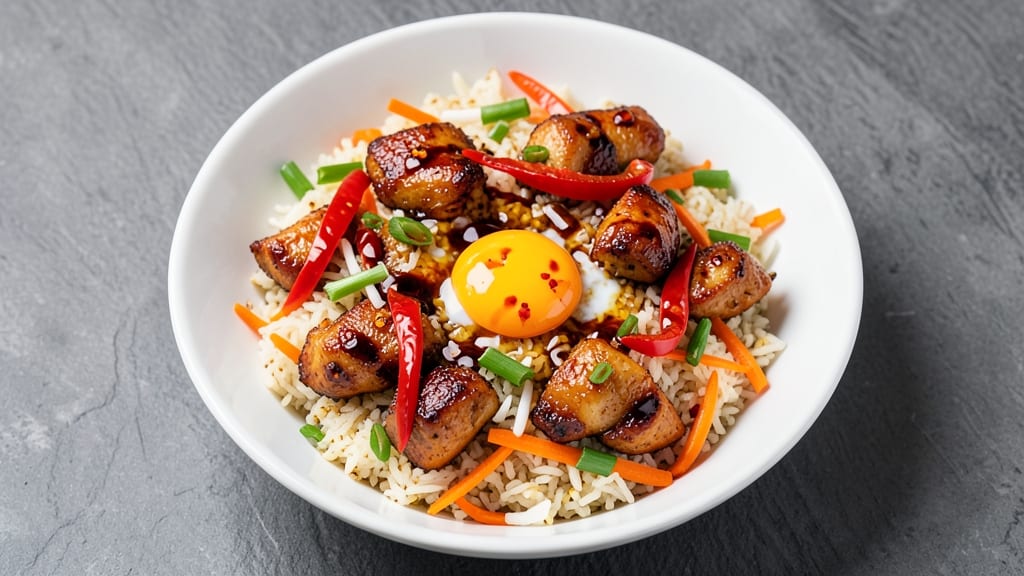
This chilli chicken fried rice recipe delivers the perfect fusion of spicy, savory, and eggy richness in every bite. The secret lies in high-heat wok technique that transforms day-old rice into crispy, aromatic grains while keeping the chicken tender and juicy.
I developed this version after years of perfecting restaurant-style fried rice at my Atlanta restaurant, where it became a customer favorite within weeks.
What sets this recipe apart is the balance of textures—crispy rice edges, silky scrambled eggs, and perfectly seared chicken pieces all tossed together with vibrant vegetables and a kick of chilli sauce.
The aromatics—garlic, ginger, and scallions—build layers of flavor that make this dish taste like it belongs on any restaurant menu. Best of all, it comes together in under 30 minutes with simple ingredients you likely already have on hand.
By the time you finish cooking, you'll have a plate that's visually stunning with its golden-brown chicken, bright green vegetables, and perfectly seasoned rice.
The chilli sauce adds just the right amount of heat without overpowering the dish, while the eggs provide that creamy, protein-rich element that makes it satisfying enough to be a main course. This is comfort food with restaurant-quality flair.
Serve it as a weeknight dinner or bring it to your next gathering—it disappears just as quickly as it's made. The leftovers reheat beautifully too, making it perfect for meal prep. Let's get cooking with this crowd-pleasing classic that's sure to become a regular on your dinner rotation.
Ingredients for chilli chicken fried rice
Simple ingredients that pack restaurant-style flavor—day-old rice, tender chicken, and bold aromatics.
| Ingredient | Amount | Notes |
|---|---|---|
| Day-Old Cooked White Rice 🍚 | 4 cups | Cold or room temperature preferred |
| Boneless Chicken Breast 🍗 | 1 ½ lb | Cut into 1-inch pieces |
| Large Eggs 🥚 | 4 whole | Freshly beaten for silky texture |
| Red Bell Pepper 🌶️ | 1 whole | Diced into small pieces |
| Carrots 🥕 | 2 whole | Julienned into thin strips |
| Green Onions 🧅 | 4 whole | Sliced into 1-inch pieces |
| Garlic Cloves 🧄 | 6 cloves | Minced for aromatic punch |
| Fresh Ginger 🌿 | 2 tbsp | Grated, for zesty kick |
| Soy Sauce 🍶 | ½ cup | Light or all-purpose |
| Chilli Garlic Sauce 🔥 | 2 tbsp | Adjust for heat preference |
| Sesame Oil 🫒 | 1 tbsp | Toasted for nutty aroma |
| Vegetable Oil 🫒 | ½ cup | High smoke point preferred |
| Salt 🧂 | 1 tsp | Kosher or sea salt |
| Black Pepper 🌶️ | ½ tsp | Freshly ground preferred |
The rice is non-negotiable—day-old works best because it's drier and gets those perfect crispy edges. Leftover rice from last night is ideal, but if you're short, cook extra rice just for this dish. For the chicken, boneless breast stays juicy when cut into even 1-inch pieces—no bigger, or they'll dry out. I always grab free-range chicken from Whole Foods for better flavor, but regular supermarket chicken works too. The aromatics—garlic and ginger—are where the magic happens, so fresh is a must. Pre-minced garlic from jars? Skip it—it's got no flavor compared to fresh.
No chilli garlic sauce? Mix 1 tbsp sriracha with 1 tbsp soy sauce for a quick substitute. Fresh ginger too expensive? Ground ginger at half the amount works in a pinch, but you'll miss that bright zing. Swapping bell peppers? Broccoli or snap peas add a nice crunch. For extra protein, toss in shrimp or tofu along with the chicken. The eggs should be room temperature when you scramble them—cold eggs get rubbery. And if you're feeling fancy, top with crispy fried shallots for that restaurant touch.
This dish reheats like a dream—just stir-fry in a hot pan with a splash of water to revive the crispiness. Keeps 3-4 days in the fridge, freezes for up to 3 months. I always double the batch because it disappears so fast. Store leftovers in airtight containers with parchment paper between layers to keep the rice from getting soggy. For meal prep, portion into individual containers so you can grab and reheat single servings—perfect for busy weeknights.
Why You'll Love This Recipe
- Fridge-Saving Hero: I swear by this recipe when I’m staring at day-old rice and a lonely chicken breast. No waste—just toss everything in one pan, and suddenly you’ve got dinner. The rice gets that perfect toasted crunch, while the chicken stays juicy, and the eggs? They scramble into fluffy little pockets of flavor.
- Spice Without the Drama: That chilli kick isn’t overwhelming—it’s just right. The red bell pepper adds a sweet crunch, the carrots bring a little earthy bite, and the eggs tie it all together with richness. Honestly, it’s the kind of dish where the spices sing without shouting.
- Lunchbox Magic: Between us, this is my go-to for meal prep. Pack it in containers, and it stays fresh for days—no soggy rice here. My kids (and my husband) grab it for lunches, and I still eat the leftovers cold the next night. No reheating required.
- Budget Booster: Chicken breast and eggs are cheap protein, and veggies stretch further when you dice them small. I make this for four people for under $10, and it’s always the first thing gone from the fridge. Not the prettiest, but the taste makes up for it every time.
Step-by-step instructions for spicy wok chicken fried rice
Here's how to transform simple ingredients into a fiery, aromatic wok masterpiece.
Prep All Ingredients for Perfect Texture
Start by cutting the 1.5 lb boneless chicken breast into 1-inch pieces - this size ensures even cooking without drying out. I like to pat them completely dry with paper towels first; any moisture will make them steam instead of sear.
Next, slice the 4 whole green onions into 1-inch pieces and set aside. Dice the 1 whole red bell pepper into small, even cubes - about ¼-inch each. For the 2 whole carrots, use a julienne peeler to create thin strips that'll soften perfectly during cooking. Grate the 2 tbsp fresh ginger using a fine grater or microplane, and mince the 6 cloves garlic cloves into tiny pieces that'll disappear into the sauce.
Beat Eggs and Season the Chicken
Crack the 4 whole large eggs into a bowl and beat them vigorously until the yolks and whites are completely combined. Season them with ½ tsp salt and ¼ tsp black pepper - this gives the eggs a subtle seasoning before they hit the wok.
In a separate bowl, toss the chicken pieces with 1 tbsp soy sauce, 1 tsp sesame oil, and ½ tsp black pepper. Let this marinade sit for 10 minutes while you prepare the rest. This step creates a flavorful crust on the chicken that'll hold up to the wok's high heat.
Cook Eggs and Chicken Separately
Heat 2 tablespoons vegetable oil in a wok or large skillet over medium-high heat until shimmering. Pour in the beaten eggs and let them spread naturally. Cook for 30-45 seconds until they're just set but still slightly runny on top - you want that classic silky egg texture. Remove and set aside.
In the same wok, add another 1 tablespoon vegetable oil and increase heat to high. Add the marinated chicken and cook for 3-4 minutes until the edges are golden and the chicken reaches 165°F internally. Remove and set aside with the eggs - keeping everything warm is key.
Stir-Fry Vegetables and Aromatics
Add the remaining 2 tablespoons vegetable oil to the wok and return it to high heat. Add the diced red bell pepper and julienned carrots, stirring constantly for 1-2 minutes until they begin to soften. Toss in the minced garlic and grated ginger, cooking for 30 seconds until fragrant - that's when you'll smell the garlic's sweetness and ginger's zing.
Add the 4 cups day-old cooked white rice and 4 whole sliced green onions, breaking up any clumps with your spatula. Stir-fry for 2 minutes until the rice is heated through and the green onions are bright green. This is where the magic happens - the rice absorbs all those beautiful aromatics.
Combine and Finish with Spicy Sauce
Return the chicken and eggs to the wok, adding the ½ cup soy sauce and 2 tbsp chilli garlic sauce. Toss everything together vigorously for 1-2 minutes until the rice is evenly coated and the sauce has thickened slightly. The heat from the wok will create steam that carries those spicy, savory flavors throughout every bite.
Taste and adjust seasoning - you might want to add a splash more soy sauce or chilli garlic sauce depending on your heat preference. Serve immediately while the rice is still hot and the eggs are silky. The perfect bowl of chilli chicken fried rice should have crisp-tender vegetables, juicy chicken, creamy eggs, and that perfect balance of spicy, salty, and umami flavors.
Pro Tips For Making Chilli Chicken Fried Rice
- STIR-FRY CHICKEN FAST: Cut the chicken into ½-inch chunks before cooking—any smaller and it’ll turn to mush, any bigger and it stays tough. I learned this the hard way when my first batch came out like overcooked rubber. High heat for 2-3 minutes max until just cooked through, then pull it out. You’ll add it back later when everything else is done.
- USE COLD RICE: Day-old rice isn’t just about texture—it’s about sticking together without turning gluey. Spread your freshly cooked rice on a tray, let it cool completely, then refrigerate overnight. Cold rice absorbs the sauce better and stays separate when you stir-fry. (Yes, even if you’re impatient like me.)
- SCRAMBLE EGGS SEPARATELY: Dump whole eggs into the wok with the rice? Big mistake. Scramble them first in a separate pan with a splash of oil until just set—soft curds, not dry. Then chop them roughly and toss them in last. This keeps the eggs from making the rice soggy and lets you control the texture. (Your future self will notice the difference.)
- SAUTÉ VEGETABLES IN STAGES: Don’t throw all the veggies in at once—bell peppers first (they take longest), then carrots (cut into matchsticks for even cooking). Use the last bit of oil to sear them lightly before adding rice. This prevents steaming and ensures they stay crisp. (And yes, skip the crowding—give them space to breathe.)
Common mistakes when making great chilli chicken fried rice
Overcrowding the Wok
This is my biggest pet peeve when watching home cooks attempt fried rice—packing the wok too full. When you overcrowd, the ingredients steam instead of sear, and the rice turns soggy rather than crispy.
I've seen people try to cook entire meals in one wok, but that's a recipe for disaster. For this recipe, work in batches if needed: cook the chicken first, then set it aside, then do the eggs, then the vegetables, and finally the rice.
Your wok should never be more than half-full when stir-frying. 🔥
Using Fresh Rice
Here's a rookie mistake I see constantly: using fresh rice straight from the pot. Fresh rice is too moist and will turn mushy in your wok. The starch in freshly cooked rice makes it gluey when heated again. Always use day-old rice—it's drier and gets those perfect crispy edges.
If you absolutely must use fresh rice, spread it out on a baking sheet and let it dry in the sun for about 30 minutes first. I keep a separate batch of rice just for fried rice night.
Skipping the High Heat
The wok needs to be screaming hot before you start cooking—this is non-negotiable. I can't tell you how many times I've seen people start on medium heat and wonder why their fried rice tastes bland.
Your wok should be so hot that you can see a slight shimmer when you add oil. If you're not getting that wok hei (breath of the wok), your dish will lack that signature smoky aroma and depth of flavor.
Let the wok preheat for 5 minutes before adding any ingredients. For best results, use a gas stove—the flame gives you more precise heat control than electric.
Underseasoning the Eggs
Many cooks forget to season the eggs before cooking them, which means they'll taste bland in the final dish. I always season mine with a pinch of salt and pepper before scrambling. The eggs are a crucial component—they should be seasoned enough to stand alone.
If you're using store-bought chilli garlic sauce that's too mild, don't be afraid to add a dash of hot sauce or a pinch of red pepper flakes to compensate. The eggs should complement the other flavors, not get lost in them.
Not Keeping Ingredients Warm
This is a common mistake that ruins the texture of fried rice. Once you remove ingredients from the wok to set them aside, they start cooling down. When you combine everything at the end, you'll have cold chicken and eggs mixed with hot rice, creating an uneven eating experience.
Keep everything warm by placing cooked ingredients on a plate over a pot of simmering water (baignoire method) or on a warming tray. I've even been known to use a clean oven set to 200°F to keep things warm while I finish cooking other components. 💡
Using Low-Quality Soy Sauce
Not all soy sauces are created equal, and using the wrong kind can make your fried rice taste flat. I always recommend using light or all-purpose soy sauce for this recipe—it has a cleaner flavor that won't overpower the other ingredients.
Dark soy sauce adds color but has a much stronger, almost bitter taste. If you're using a generic brand from the store, you might need to add an extra ½ teaspoon of salt to compensate for the lower sodium content.
For restaurant-quality results, invest in a good Japanese light soy sauce like Kikkoman or Haco.
Nutrition facts
Frequently asked questions
Can I use fresh rice instead of day-old rice?
Fresh rice is too moist and will turn mushy in your wok. For best results, always use day-old rice that's completely cooled and dried. If you must use fresh rice, spread it on a baking sheet and let it dry in the sun for about 30 minutes first. This helps remove excess moisture before cooking.
How do I adjust the spice level in this recipe?
Start with the 2 tbsp chilli garlic sauce as written, then adjust to taste. For more heat, add an extra ½ tbsp or swap in 1 tsp red pepper flakes. If you prefer milder flavor, reduce the chilli sauce to 1 tbsp and add a splash of rice vinegar for brightness instead.
What's the best way to reheat leftovers?
Reheat in a wok or skillet over medium-high heat with a splash of water or 1 tsp sesame oil to restore crispiness. Stir constantly for 2-3 minutes until heated through. Microwaving works but will make the rice soggy. Store leftovers in airtight containers with parchment paper between layers.
Can I make this vegetarian?
Swap the chicken for 1 cup firm tofu (pressed and cubed) or ½ lb shrimp. For extra protein, add 1 cup edamame or ½ cup chickpeas. Keep the same cooking method but reduce the cooking time for tofu to 2-3 minutes to avoid drying out.
Why does my fried rice turn out soggy?
Soggy fried rice usually means one of three things: using fresh rice, not enough heat, or overcrowding the wok. Always use day-old rice, maintain high heat throughout cooking, and work in batches if needed. Your wok should never be more than half-full when stir-frying.