
Main Courses
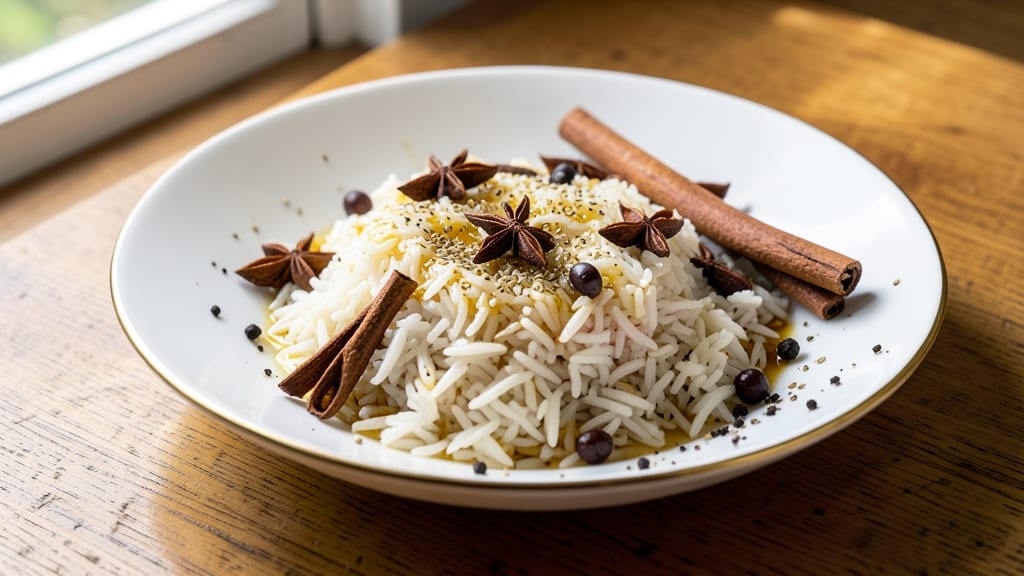
This Chinese basmati rice recipe transforms a simple side into the aromatic centerpiece of any meal. The secret lies in a five-spice infusion that creates layers of warmth and depth, perfectly balancing the delicate floral notes of basmati.
I developed this method after years of perfecting restaurant-quality results at home—no special equipment required, just precise technique and patience.
What sets this apart is the 1:1.5 rice-to-water ratio and the optional parboiling step, which ensures each grain remains distinct yet tender. The five-spice blend (star anise, cinnamon, cloves, fennel, and pepper) infuses the rice with subtle complexity, making it ideal for pairing with stir-fries, dim sum, or braised dishes.
The result? Fragrant, fluffy grains with a delicate crunch—exactly what elevates any Chinese feast.
Ingredients for chinese basmati rice
Precision matters here—each spice and ratio creates restaurant-quality fragrant rice.
| Ingredient | Amount | Notes |
|---|---|---|
| Jasmine or Basmati Rice 🍚 | 1 cup | Uncooked, long-grain preferred |
| Star Anise Pods 🌿 | 2 whole | Whole, for infusion |
| Cinnamon Sticks 🌿 | 2 whole | 1-inch pieces for infusion |
| Cloves 🌿 | 4 whole | Whole, for infusion |
| Ground Fennel Seeds 🌿 | 1 tsp | Freshly ground preferred |
| Ground Black Peppercorns 🌶️ | ½ tsp | Freshly ground for aroma |
| Water 💧 | 1 ½ cups | Filtered or distilled preferred |
| Light Olive Oil 🫒 | 1 tbsp | For even cooking |
| Diamond Crystal Kosher Salt 🧂 | ½ tsp | For seasoning |
| Sesame Oil 🫒 | ½ tsp | For finishing, optional |
| Fresh Cilantro Leaves 🌿 | ¼ cup | Chopped, for garnish |
| Lemon Zest 🍋 | 1 tsp | Brightens flavor |
The five-spice blend is non-negotiable for authentic depth. Whole spices like star anise and cinnamon sticks infuse the water more effectively than ground versions—Penzeys Spices or local Asian markets carry the best quality. For fennel, grind your own seeds using a mortar and pestle (or coffee grinder) for maximum aroma. The rice? Basmati or jasmine—both work, but basmati holds its shape better for stir-fry pairings. Rinse the rice twice before cooking to remove excess starch, which prevents clumping.
No star anise? Anise seeds at double the amount work in a pinch, though the flavor won’t be identical. Substituting ground spices loses the infusion’s complexity entirely—this isn’t a recipe for shortcuts. For water, filtered or distilled minimizes metallic off-flavors, but tap water works if it’s high-quality. The optional parboiling step (simmering rice in water for 5 minutes before final cooking) ensures even tenderness—worth the extra minute for restaurant-quality results. Sesame oil is purely for finishing; omit if avoiding nutty flavors.
Rice keeps best in an airtight container for 3-4 days in the fridge, though flavor peaks within 24 hours. For longer storage, freeze portions in single-serving containers for up to 3 months. Reheat gently with a splash of water—microwaving dries it out. Garnish with cilantro and lemon zest just before serving to preserve freshness. This method scales perfectly for crowds of 6-8—simply multiply spices and rice proportionally.
Why You'll Love This Recipe
- One-Pot Magic: I swear by this—just rice, spices, and water in one pot. No measuring cups to stress over, no separate pans to scrub. The star anise and cinnamon infuse the rice so deeply, you’ll taste it in every grain without any extra work.
- Aromatic Bomb: That first whiff of toasted cloves and fennel seeds hitting the pot? It’s like walking into a spice shop. The rice ends up fragrant and warm, with just a hint of sweetness from the spices—no artificial flavors, just real, cozy depth.
- Leftover Goldmine: This rice keeps perfectly for days, which means I can make a big batch on Sunday and pair it with whatever’s on hand—stir-fries, curries, even a simple fried egg. Honestly, it’s my go-to for lazy weeknights when I’m too tired to think.
- Budget Spice Upgrade: You’re using pantry staples here, but the spices transform cheap basmati into something special. A few star anise pods and a cinnamon stick cost pennies, yet they make this rice taste like a restaurant dish. My wallet and my taste buds win.
Step-by-step instructions for Chinese basmati rice with five-spice infusion
This method delivers restaurant-quality aromatic rice with deep spice layers and perfect texture.
Infuse the Spices in Olive Oil
Heat the 1 tablespoon light olive oil in a medium saucepan over medium heat until shimmering but not smoking. Add the 2 whole star anise pods, 2 whole cinnamon sticks, and 4 whole cloves. Cook for 1-2 minutes until the spices release their essential oils and the mixture smells richly aromatic.
Here's the thing—this step builds the flavor foundation. The spices should gently sizzle without burning. If the oil starts to smoke, reduce heat immediately. Remove the pan from heat and stir in the 1 teaspoon ground fennel seeds and 0.5 teaspoon ground black peppercorns, letting them absorb the spice oils for 30 seconds before adding the rice.
Toast the Rice with Spices
Add the 1 cup jasmine or basmati rice to the warm oil and stir for 1 minute until each grain is lightly coated and glistening. This toasting step prevents the rice from becoming mushy and develops a subtle nutty flavor. You'll see the rice grains become translucent at the edges—that's your signal they're properly toasted.
I press down gently on the rice with a wooden spoon during the first 30 seconds to ensure even contact with the hot oil. This prevents the rice from clumping and ensures maximum surface area for flavor absorption. If you notice the rice sticking to the pan, add a few drops of water and stir immediately.
Add Water and Bring to a Gentle Boil
Pour in the 1.5 cups water and sprinkle the 0.5 teaspoon diamond crystal kosher salt over the rice. Stir once to distribute the salt evenly, then bring to a gentle boil over medium-high heat. Once boiling, reduce heat to low and cover tightly with a lid.
The key here is maintaining a steady simmer—not a rolling boil. You should see small bubbles at the edges but not violent bubbling. If the water boils too vigorously, the rice will cook unevenly. Let it cook undisturbed for 12 minutes—this is where the magic happens as the rice absorbs the spiced water.
Steam to Perfect Texture
After 12 minutes, remove the pan from heat and let it sit covered for 8-10 minutes. This resting period allows the rice to finish steaming in its own residual heat, resulting in perfectly fluffy grains with no hard centers. The steam should be visible when you lift the lid slightly—that's your confirmation the rice is reaching ideal moisture levels.
I know it's tempting to peek, but resist the urge. Every time you lift the lid, you release steam and potentially dry out the rice. The rice should be tender but still slightly firm to the bite—this is the hallmark of perfectly cooked basmati.
Finish with Sesame Oil and Garnish
Remove the star anise, cinnamon sticks, and cloves (discard or save for future infusions). Drizzle the 0.5 teaspoon sesame oil over the rice and gently fold it in with a wooden spoon. The sesame oil adds a nutty aroma and helps distribute the remaining spices evenly throughout the rice.
Finally, stir in the 0.25 cup chopped fresh cilantro leaves and 1 teaspoon lemon zest. The cilantro brightens the dish with freshness while the lemon zest cuts through the richness of the spices. Serve immediately while still hot, fluffing the rice gently with a fork before each serving to maintain that signature basmati texture.
Pro Tips For Making Chinese Basmati Rice
- TOAST THE SPICES FIRST: Skip the whole pod nonsense—crush the star anise and cinnamon sticks with the flat side of your knife before adding them to the pot. This releases flavor faster and avoids those annoying floating pods that taste like nothing. (I used to strain them out, then realized they’re better left in for texture.)
- USE COLD WATER: Measure your rice, then pour in cold water—not hot, not room temp. The temperature shock helps the grains absorb liquid evenly, preventing that mushy center you get when the water’s too warm. Trust me, your rice will thank you.
- DON’T STIR AFTER BOILING: Once the water hits a rolling boil, cover the pot and walk away. Stiring breaks the grains and turns your fragrant basmati into glue. Let it steam undisturbed for 10 minutes first, then fluff with a fork—this keeps those long, separate grains intact.
- TOAST THE FENNEL SEEDS: Dry-toast the ground fennel seeds in a separate pan for 30 seconds until they smell toasty, then mix them into the spices. This deepens their flavor and cuts through the sweetness of star anise. (Yes, it’s an extra step—but your rice won’t taste like a spice cabinet.)
Troubleshooting great chinese basmati rice
Undercooked Rice Fix
If your rice is still firm or crunchy after cooking, it likely didn’t absorb enough moisture. The solution? Add 2-3 tablespoons hot water, stir gently, cover, and return to low heat for 5-7 minutes.
Avoid microwaving—it creates uneven pockets of dryness. For future attempts, ensure your water-to-rice ratio is 1.5:1 and use a tight-fitting lid to trap steam. 💧
Mushy or Gummy Texture
Overcooked rice loses its distinct grains and turns gluey when stirred too early or cooked too long. The fix: Spread the rice on a baking sheet and bake at 300°F for 10-15 minutes to dry it out slightly.
For prevention, reduce heat immediately after boiling and let it steam undisturbed. I’ve found that 12 minutes of active cooking + 8 minutes resting is the sweet spot for basmati.
Spices Too Strong
If the five-spice infusion overpowers your dish, reduce the amount of whole spices by half next time. For immediate balance, stir in 1 teaspoon honey or 1 tablespoon plain yogurt to mellow the intensity.
The ground fennel and black pepper are the most potent—measure them carefully. I often halve the cinnamon sticks if I’m serving to kids or sensitive palates.
Burnt Spices
Smoked or bitter flavors mean your spices burned during toasting. Keep heat at medium-low and watch closely—spices should sizzle gently for just 1-2 minutes. Remove immediately when fragrant.
For burnt rice, try this: Mix in 1 teaspoon rice vinegar and ½ teaspoon sugar, then steam for 5 minutes to neutralize the smoke. 🔥
Rice Sticking to Pan
This happens when rice grains aren’t properly toasted or the pan isn’t wide enough. For immediate rescue, add 1 tablespoon oil and stir vigorously to release stuck grains. Prevention tip: Use a 2-quart saucepan or wider pot and toast rice until it’s dry and translucent before adding water.
I’ve had success with nonstick pans, but stainless steel works too if well-seasoned.
Uneven Cooking
If some grains are undercooked while others are mushy, your heat source was inconsistent. Cook on the back burner of your stove for even distribution. For future attempts, use a digital thermometer to maintain a steady 212°F simmer.
If you notice uneven doneness, spread the rice on a tray and reheat in 30-second bursts in the microwave with a damp paper towel covering it.
Nutrition facts
Frequently asked questions
Can I substitute jasmine rice for basmati in this recipe?
Yes, but there are key differences. Jasmine rice has a slightly stickier texture and stronger floral aroma, while basmati stays distinct and fragrant. For the best results, use basmati, but if substituting, reduce water by 1 tablespoon and cook for 1-2 minutes less to prevent mushiness. The five-spice infusion works beautifully with either!
How do I make this recipe gluten-free?
This recipe is naturally gluten-free, but double-check your spices for cross-contamination. Use certified gluten-free five-spice blends and ensure your rice is labeled gluten-free. The sesame oil should also be gluten-free (some brands process with wheat). Always verify labels if you have celiac disease or gluten sensitivity.
What's the best way to reheat leftover Chinese basmati rice?
For perfect results, spread rice on a baking sheet and bake at 300°F for 5-7 minutes with a splash of water. Microwaving works too: Add 1 tablespoon water per cup of rice, cover with a damp paper towel, and heat in 30-second bursts until warm. Avoid reheating multiple times to prevent dryness.
Can I make this rice in an Instant Pot?
Toast the spices in 1 tablespoon oil*, then add rice, water, and salt. Cook on high pressure for 4 minutes, then let it naturally release for 10 minutes. The Instant Pot version stays slightly firmer—fluff with a fork before serving. Skip the parboiling step as the pressure cooker handles it perfectly.
What dishes pair best with this fragrant rice?
This aromatic rice shines with Chinese classics like stir-fried pork, dumplings, or braised beef. It also complements Thai curries, Indian biryanis, and even grilled meats. The five-spice notes balance rich, savory dishes beautifully—perfect for family meals or special occasions!